
Strawberry Rhubarb Oat Crisp Cookies
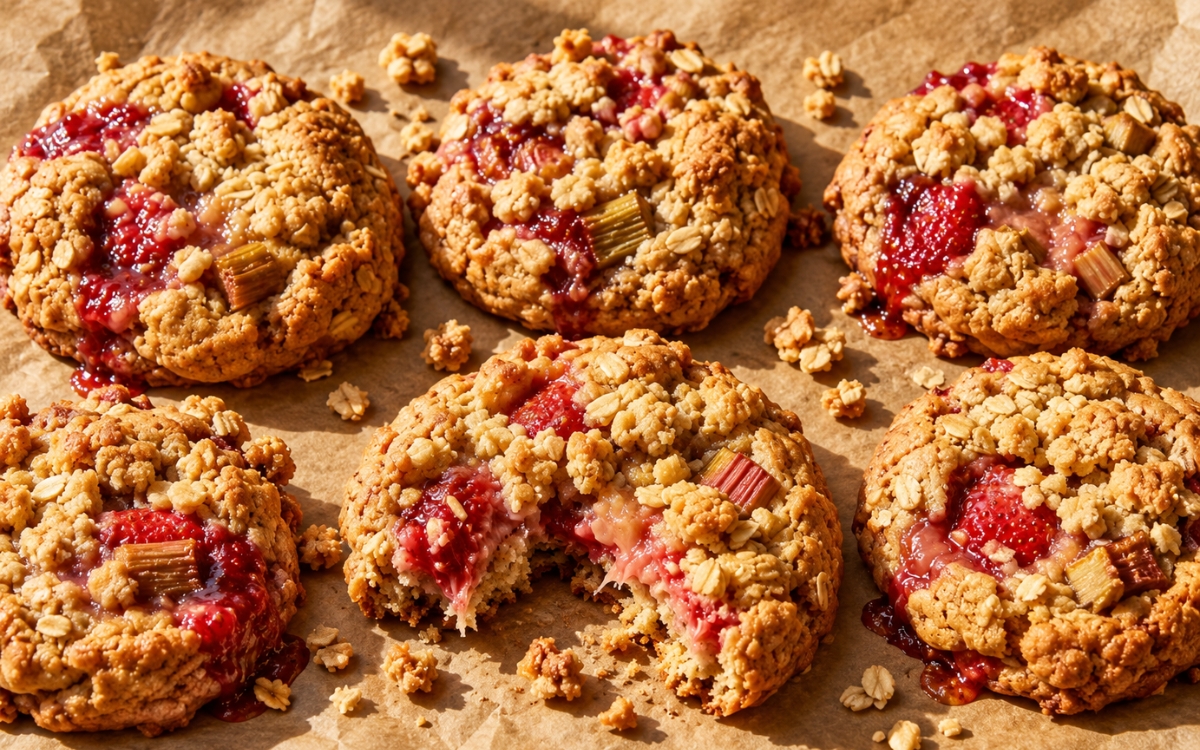
Thick, chewy oat cookies with buttery crisp-style crumble baked into the tops and a jammy strawberry-rhubarb center, baking up golden at the edges, soft in the middle, with visible fruit pockets and a tender, fruit-streaked interior that echoes a classic strawberry rhubarb crisp in cookie form. Cooking the fruit filling until it’s genuinely thick and jammy, rather than loose, is the step the whole cookie’s structure depends on — the same cook-it-down-first approach used elsewhere in this collection whenever a wet fruit filling needs to hold its shape inside a baked good rather than flooding it. Cooling the filling completely before it touches the dough is equally critical, since a warm filling melts the dough on contact and causes excess spreading.

Prep Time : 45 min
Total Time : 2 hr 15 min
Servings : 12
45 min
2 hr 15 min
12
Ingredients
For the Strawberry Rhubarb Filling
• 200 g rhubarb, trimmed and cut into 5–7 mm dice
• 200 g strawberries, hulled and cut into small dice
• 70 g granulated sugar
• 2 tsp lemon juice
• 2 tsp cornstarch
• ½ tsp vanilla extract
• Pinch of fine salt
For the Oat Crisp Topping
• 60 g all-purpose flour
• 50 g old-fashioned rolled oats
• 55 g light brown sugar
• ¼ tsp ground cinnamon
• Pinch of fine salt
• 45 g unsalted butter, melted
For the Cookie Dough
• 170 g unsalted butter, softened
• 140 g light brown sugar
• 80 g granulated sugar
• 1 large egg, room temperature
• 1 large egg yolk, room temperature
• 2 tsp vanilla extract
• 260 g all-purpose flour
• 120 g old-fashioned rolled oats
• 15 g cornstarch
• ½ tsp baking soda
• ½ tsp baking powder
• ¾ tsp fine salt
Directions
- Cook the Strawberry Rhubarb Filling
Combine the rhubarb, strawberries, sugar, lemon juice, cornstarch, vanilla, and salt in a small saucepan, then cook over medium heat, stirring often, until the fruit releases liquid, the rhubarb softens, and the mixture thickens into a jammy compote, 8 to 12 minutes. The filling is ready when the rhubarb is tender but still has some small visible pieces, the strawberries have mostly broken down, and a spatula dragged across the pan leaves a line for 1 to 2 seconds before slowly closing back in. Don’t leave the filling loose or watery, or it will flood the cookies once baked. Transfer to a shallow bowl or plate, cool completely, then refrigerate until cold and thick, about 30 to 40 minutes. - Make the Oat Crisp Topping
Mix the flour, oats, brown sugar, cinnamon, and salt in a medium bowl, then pour in the melted butter and mix with a fork until small clumps form. You want irregular crumbs, not a paste. Refrigerate until needed so the topping stays crumbly rather than softening. - Make the Cookie Dough
Beat the softened butter, light brown sugar, and granulated sugar together until creamy and smooth, 2 to 3 minutes, then add the egg, egg yolk, and vanilla, mixing until fully incorporated. Whisk together the flour, oats, cornstarch, baking soda, baking powder, and salt in a separate bowl, then add the dry ingredients to the butter mixture and mix just until no dry flour remains. The dough should be soft, thick, and slightly tacky. Don’t overmix once the flour is in, or the cookies can become tougher and spread less evenly. - Chill the Dough
Cover and refrigerate the dough for 30 minutes, until firm enough to scoop cleanly. This chilling step matters for thick cookies and helps control spread once the fruit filling is added. - Portion and Fill the Cookies
Line baking sheets with parchment, then scoop the dough into 24 portions, about 40–45 g each, flattening each slightly in your hand or on the tray. Add about 2 teaspoons of the cold strawberry-rhubarb filling to the center of each, then fold or mound the dough loosely around the filling so it’s mostly enclosed but with a little filling still peeking through for the rustic oat crisp look. Top each cookie with a generous spoonful of the chilled oat crisp topping, pressing very lightly so it adheres without flattening the cookie too much. Refrigerate or freeze the tray for 15 to 20 minutes before baking if the dough softens while shaping, which helps especially in a warm kitchen. - Bake
Heat the oven to 180°C conventional / 170°C fan. Bake 6 cookies at a time per tray, leaving enough space between them, for 14 to 16 minutes, until the edges are deep golden brown, the oat topping is set and lightly toasted, the centers are puffed and mostly set, and the fruit filling is bubbling in spots. Don’t overbake — the centers should still look a little soft when you pull them, since they finish setting on the hot tray. - Cool and Set
Let the cookies cool on the baking sheet for 15 minutes before moving them, since the fruit filling is very soft when hot and needs this rest to thicken and set inside the cookies. Transfer carefully to a rack and cool completely, or serve slightly warm.
*Notes :
- Cooking the fruit filling to a genuinely thick, jammy consistency isn’t a step worth rushing, even when the compote looks mostly done earlier than expected. A filling that’s still loose when it goes into the cookies will flood the dough during baking, undoing the clean fruit pockets the recipe is built around.
- Cooling the filling completely before it ever touches the cookie dough protects the whole shaping process. Warm filling melts the surrounding dough on contact, which causes excess spreading in the oven and loses the thick, defined shape these cookies depend on.
- Old-fashioned rolled oats, rather than quick oats, matter both in the dough and the topping for the same reason — they keep their shape and texture rather than breaking down into something smoother and less distinctly crisp-like. Quick oats would blur the craggy topping texture this recipe is specifically aiming for.
- Some filling peeking through or even leaking slightly during baking is normal and part of the intended rustic look, giving the cookies their jammy fruit-pocket appearance. Large leaks, though, usually point to filling that wasn’t cooked down thick enough or dough that had warmed too much before baking.
Why This Recipe Works
This recipe works because cooking the strawberry-rhubarb filling down to a genuinely thick, jammy consistency keeps it from flooding the dough once baked, and cooling it completely before shaping protects the dough from melting prematurely. Old-fashioned rolled oats in both the dough and the crumble topping keep their texture rather than breaking down, giving the finished cookie real textural contrast between the chewy base, jammy center, and craggy topping. Chilling the dough before and after filling controls spread at each stage, and pulling the cookies from the oven while the centers still look a little soft lets the fruit filling finish setting during the rest period rather than staying loose inside a fully baked cookie.
Ingredient Breakdown
Cooked-Down Strawberry Rhubarb Filling
The critical technique — must be thick and jammy, not loose, or it floods the cookies during baking.
Old-Fashioned Rolled Oats
The texture choice — keeps both the dough and topping craggy rather than smooth, unlike quick oats.
Oat Crisp Topping
The crisp-echoing finish — irregular crumbs baked on top give the classic crisp texture in cookie form.
Cornstarch (Filling and Dough)
The dual-purpose thickener — sets the fruit filling and keeps the cookie base soft and tender.
Extra Egg Yolk
The richness booster — adds chew to the dough without making it cakey.
Chilled Dough (Before and After Filling)
The critical technique — controls spread at two separate stages of shaping.
Flavor Structure Explained
This strawberry rhubarb oat crisp cookie follows a layered balance model:
- Chewy, oat-studded foundation (cookie dough with rolled oats)
- Jammy tart-sweet center (cooked strawberry-rhubarb filling)
- Craggy buttery topping (oat crisp topping)
- Rustic fruit-pocket presentation (filling peeking through the dough)
The oat-studded cookie dough forms the chewy foundation of this cookie, while the cooked strawberry-rhubarb filling adds a jammy, tart-sweet center that echoes a classic crisp. The craggy oat crisp topping baked onto each cookie brings the buttery, textured crumble that defines a crisp dessert, and letting a little filling peek through the dough gives the finished cookies their intentionally rustic, fruit-pocket look.
Common Mistakes to Avoid
- Leaving the Fruit Filling Too Loose – This floods the cookies with liquid during baking. Always cook the filling until it’s genuinely thick and jammy.
- Shaping Cookies with Warm Filling – This melts the dough and causes excess spreading. Always cool the filling completely before using it.
- Using Quick Oats Instead of Old-Fashioned – This blurs the craggy texture in both the dough and topping. Always use old-fashioned rolled oats.
- Skipping Either Chilling Step – This leads to thinner, less controlled cookies. Always chill the dough before portioning and again after filling if it’s softened.
- Overbaking Past a Soft Center – This sets the fruit filling too firm and toughens the dough. Always pull the cookies while the centers still look a little soft.
Variations
Apple Cinnamon Version
Replace the strawberry-rhubarb filling with a diced apple and cinnamon filling cooked the same way, for a cozier, more fall-leaning flavor that still uses the same oat crisp topping.
Extra-Tart Version
Increase the rhubarb slightly relative to the strawberries in the filling for a sharper, more tart flavor that leans closer to a classic rhubarb crisp.
Streusel Nut Version
Add 20–30 g of finely chopped pecans or walnuts to the oat crisp topping along with the dry ingredients, for extra crunch and a nuttier flavor against the jammy fruit center.
Mini Cookie Version
Portion the dough into smaller pieces with proportionally smaller amounts of filling and topping, for bite-sized versions, reducing the baking time by 2 to 3 minutes.
Storage & Make-Ahead
These cookies are well suited to advance prep, since several components benefit from being made ahead anyway. Cook the strawberry-rhubarb filling and make the oat crisp topping a day before baking, storing both covered in the refrigerator until you’re ready to shape and bake the cookies.
Once baked, store the cookies airtight for 2 days at room temperature or up to 4 days in the refrigerator. The oat crisp topping softens somewhat over time, so refreshing the cookies briefly in a low oven before serving brings back some of that just-baked crispness.
These cookies also freeze well after baking, which makes them a good candidate for batch baking ahead of an event. Cool them fully before freezing, and thaw at room temperature or refresh briefly in a low oven before serving.
If a little filling leaks during baking, leave it alone on the tray until the cookies have cooled rather than trying to move them right away — moving hot cookies too early, while the filling is still soft, risks tearing them.
Frequently Asked Questions
Why did my filling flood the cookies during baking?
This almost always means the filling wasn’t cooked down thick enough before it went into the dough. Continue cooking it for an extra 1 to 2 minutes past where it looks done, until a spatula dragged across the pan leaves a line that holds briefly before closing back in.
Can I use quick oats instead of old-fashioned rolled oats?
It’s not recommended, since quick oats break down more during mixing and baking, which blurs the craggy texture in both the dough and the crisp topping. Old-fashioned rolled oats hold their shape and give these cookies their intended texture.
Why did my cookies spread too much?
This usually comes from either skipping one of the two chilling steps or adding the fruit filling while it was still warm. Make sure the filling is completely cold before shaping, and chill the dough again before baking if it’s softened while you worked.
Can I make the filling and topping ahead of time?
Yes, and it’s a good way to break up the recipe’s total time. Cook the filling and make the crisp topping a day ahead, storing both covered in the refrigerator, then shape and bake the cookies when you’re ready.
What other berry, oat, or streusel treats pair well with this one?
Blueberry Crumble Cookies, Strawberry Hibiscus Sugar Cookies, Brown Butter Date Banana Oatmeal Cookies, Strawberry Rhubarb Lemonade, and Apple Ginger Streusel Muffins all share similar fruit-filled, oat, or streusel-topped techniques and make good options to try next.
Nutrition Facts
( Per Serving — 2 cookies )
Calories
~330 kcal
Protein
4 g
Fat
14 g
Carbs
48 g
Calories
~330 kcal
Protein
4 g
Fat
14 g
Carbs
48 g
Related Recipes
Related Recipes
-

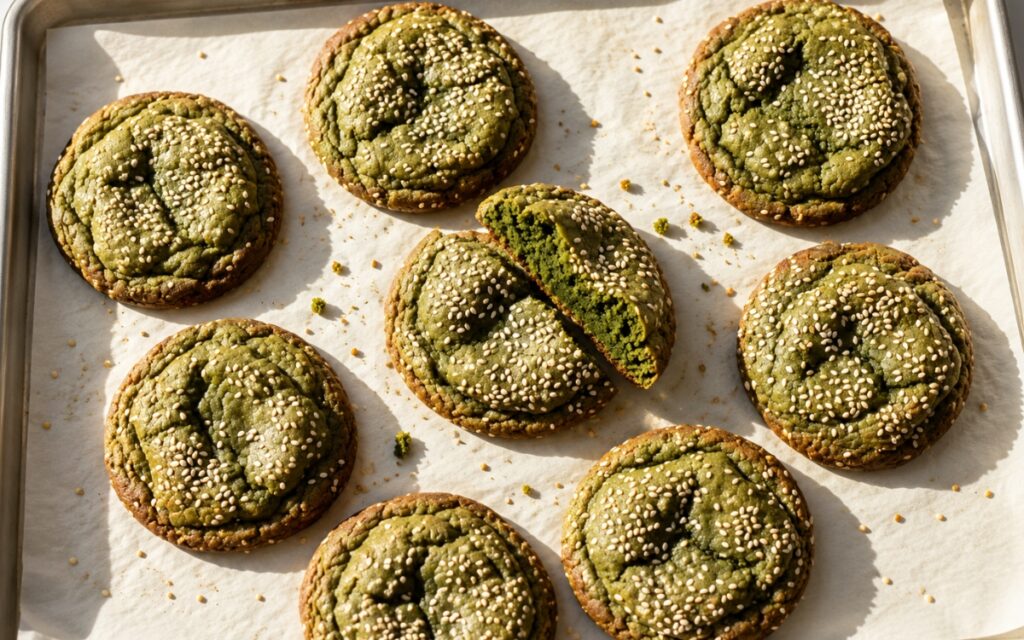
Matcha Sesame Cookies
Soft-baked matcha cookies with wrinkled tender centers and a generous coating of white sesame seeds.
-
Pepperoni Pizza
Golden blistered crust, seasoned tomato sauce, bubbling low-moisture mozzarella, and crisp curled pepperoni cups with rendered fat.
-
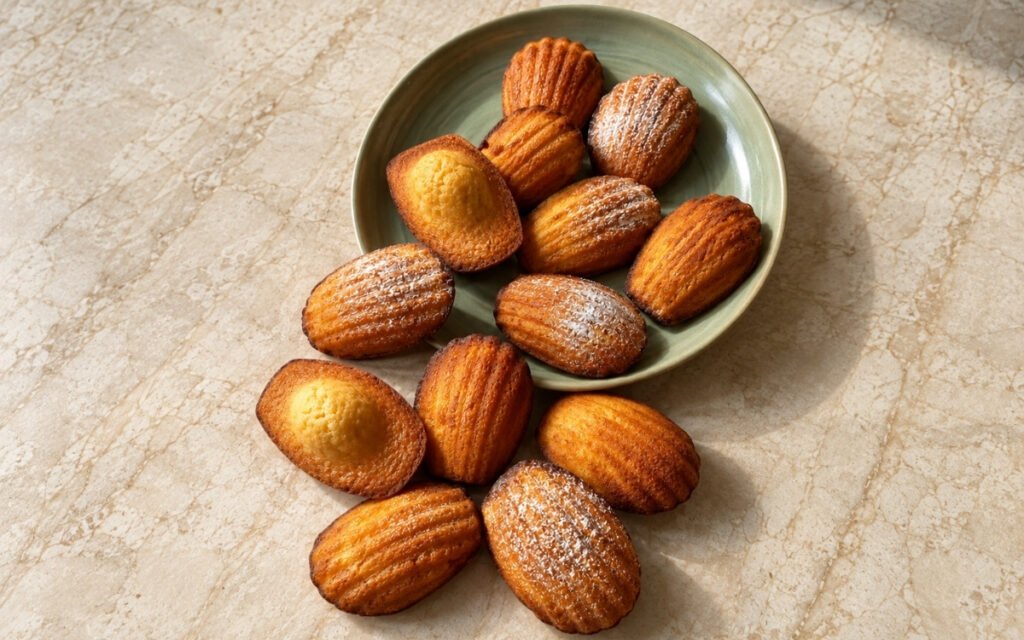
Classic Madeleines
Classic French shell-shaped madeleines with crisp golden-brown ridges, tender buttery crumb, and the signature raised hump.

You might also like
You might also like
-
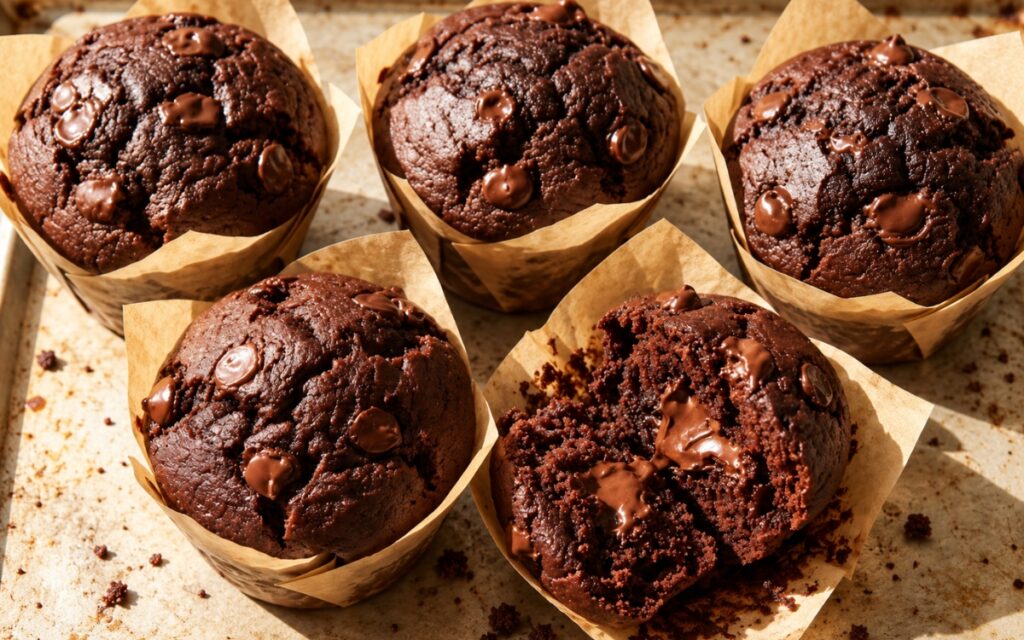
Double Chocolate Muffins
Bakery-style double chocolate muffins with tall domed tops and melted chocolate pockets.
-
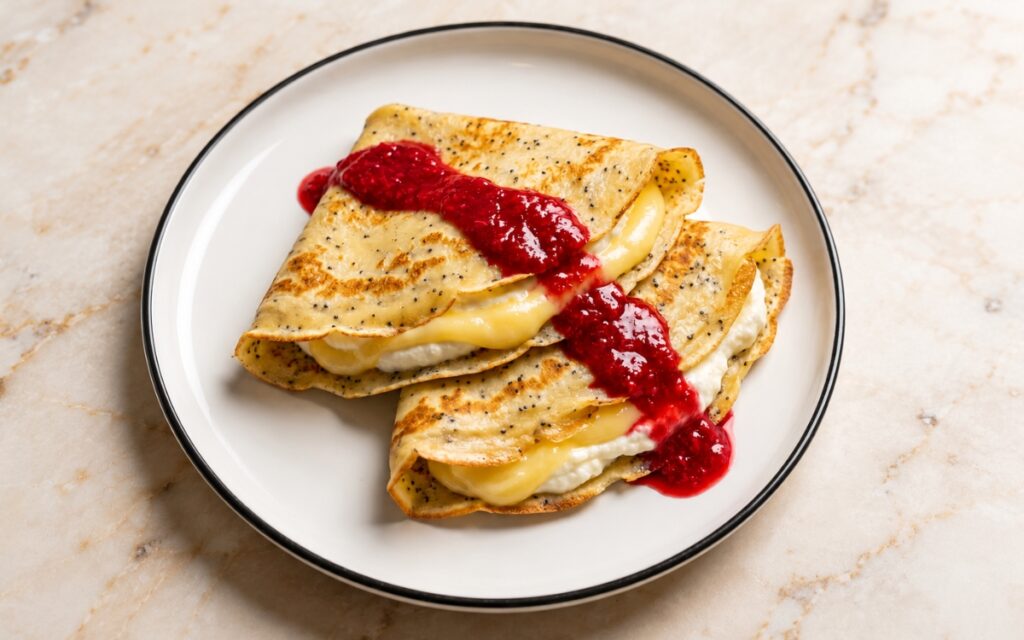
Lemon Poppyseed Crepes
Delicate lemon poppyseed crepes filled with silky lemon curd and whipped ricotta, finished with a vivid raspberry mash.
-
Pan-Fried Pork Buns / Sheng Jian Bao
Soft, pleated yeasted pork buns with juicy aspic-rich filling and deeply golden crisp bases, finished with sesame seeds and scallions beside a black vinegar dip.

Strawberry Rhubarb Oat Crisp Cookies
Ingredients
Method
- Combine the rhubarb, strawberries, sugar, lemon juice, cornstarch, vanilla, and salt in a small saucepan, then cook over medium heat, stirring often, until the fruit releases liquid, the rhubarb softens, and the mixture thickens into a jammy compote, 8 to 12 minutes. The filling is ready when the rhubarb is tender but still has some small visible pieces, the strawberries have mostly broken down, and a spatula dragged across the pan leaves a line for 1 to 2 seconds before slowly closing back in. Don’t leave the filling loose or watery, or it will flood the cookies once baked. Transfer to a shallow bowl or plate, cool completely, then refrigerate until cold and thick, about 30 to 40 minutes.
- Mix the flour, oats, brown sugar, cinnamon, and salt in a medium bowl, then pour in the melted butter and mix with a fork until small clumps form. You want irregular crumbs, not a paste. Refrigerate until needed so the topping stays crumbly rather than softening.
- Beat the softened butter, light brown sugar, and granulated sugar together until creamy and smooth, 2 to 3 minutes, then add the egg, egg yolk, and vanilla, mixing until fully incorporated. Whisk together the flour, oats, cornstarch, baking soda, baking powder, and salt in a separate bowl, then add the dry ingredients to the butter mixture and mix just until no dry flour remains. The dough should be soft, thick, and slightly tacky. Don’t overmix once the flour is in, or the cookies can become tougher and spread less evenly.
- Cover and refrigerate the dough for 30 minutes, until firm enough to scoop cleanly. This chilling step matters for thick cookies and helps control spread once the fruit filling is added.
- Line baking sheets with parchment, then scoop the dough into 24 portions, about 40–45 g each, flattening each slightly in your hand or on the tray. Add about 2 teaspoons of the cold strawberry-rhubarb filling to the center of each, then fold or mound the dough loosely around the filling so it’s mostly enclosed but with a little filling still peeking through for the rustic oat crisp look. Top each cookie with a generous spoonful of the chilled oat crisp topping, pressing very lightly so it adheres without flattening the cookie too much. Refrigerate or freeze the tray for 15 to 20 minutes before baking if the dough softens while shaping, which helps especially in a warm kitchen.
- Heat the oven to 180°C conventional / 170°C fan. Bake 6 cookies at a time per tray, leaving enough space between them, for 14 to 16 minutes, until the edges are deep golden brown, the oat topping is set and lightly toasted, the centers are puffed and mostly set, and the fruit filling is bubbling in spots. Don’t overbake — the centers should still look a little soft when you pull them, since they finish setting on the hot tray.
- Let the cookies cool on the baking sheet for 15 minutes before moving them, since the fruit filling is very soft when hot and needs this rest to thicken and set inside the cookies. Transfer carefully to a rack and cool completely, or serve slightly warm.