Paneer Tikka Skewers
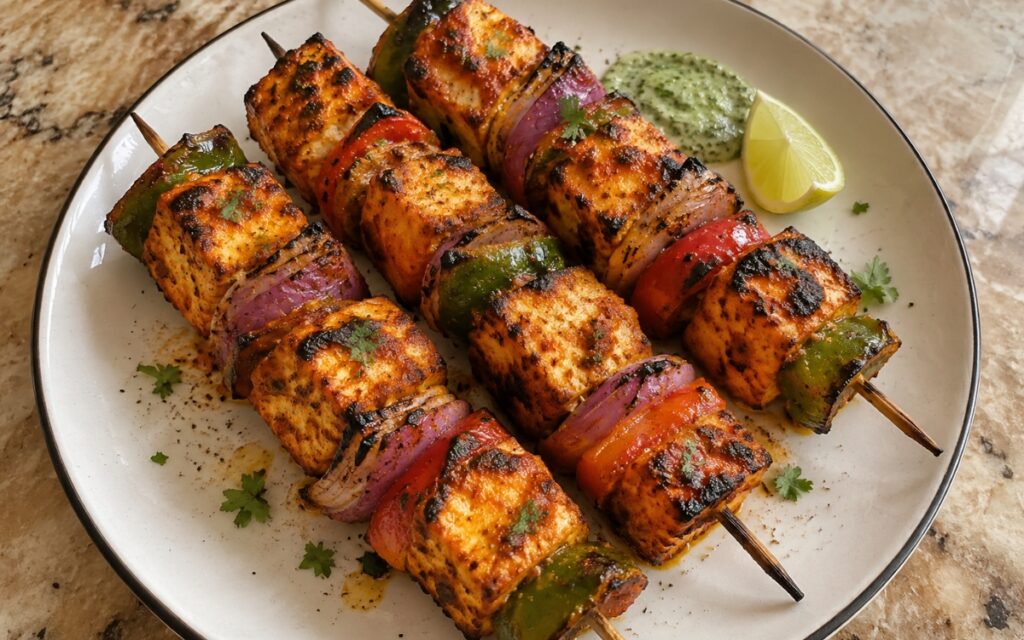
A classic dry-style Indian appetizer of paneer cubes, onion petals, and bell peppers coated in a thick tandoori-style yogurt marinade, then roasted or grilled until lightly charred at the edges. Served with green chutney and lemon, the finished skewers stay smoky, brightly spiced, and still juicy, with the paneer holding its shape.
- Prep Time : 25 min
- Total Time : 2 hr 45 min
- Servings : 4
Ingredients
For the Skewers
- 600 g paneer, cut into large cubes, about 3 cm
- 2 medium bell peppers (preferably green, or 1 green + 1 red), cut into square chunks
- 2 medium red onions, cut into petals or chunky wedges
- 12 skewers (if wooden, soak in water for at least 20–30 minutes)
For the Marinade
- 200 g thick yogurt or hung curd
- 1½ tbsp ginger-garlic paste
- 1½ tbsp lemon juice
- 1½ tbsp mustard oil, plus a little extra for brushing
- 1½ tsp Kashmiri chili powder
- ½ tsp hot chili powder or cayenne, optional
- ¾ tsp turmeric
- 1½ tsp ground coriander
- 1 tsp ground cumin
- 1 tsp garam masala
- 1 tsp chaat masala
- 1 tsp kasuri methi, crushed between your fingers
- 1 tbsp gram flour (besan), lightly toasted
- ¾ tsp salt, or to taste
- ¼ tsp black pepper
- Optional: ¼ tsp ajwain (carom seeds), lightly crushed
For Finishing / Serving
- 1–2 tsp melted butter or ghee
- Extra chaat masala, light sprinkle
- 1–2 lemons, cut into wedges
- A few cilantro leaves
- Onion rings, optional
Quick Green Chutney (optional but recommended)
- 30 g cilantro
- 20 g mint leaves
- 1 small green chili
- 1–2 tbsp yogurt
- 1–2 tsp lemon juice
- 1 small garlic clove or a small piece of ginger
- 2–4 tbsp water, as needed
- Salt to taste
Directions
- Prep the Paneer and Vegetables
Cut the paneer into large, even cubes, keeping them fairly big so they don’t dry out or break during skewering. Cut the peppers into chunks roughly matching the paneer in size, and separate the onions into 2–3 layer petals or chunky wedges. If using wooden skewers, soak them first so they don’t scorch too quickly once on the heat. - Toast the Besan
Heat a small dry pan over low heat and toast the gram flour for 1–2 minutes, stirring constantly, until it smells nutty, without letting it darken much. Set aside to cool slightly. This toasting removes the raw taste from the besan and also helps the marinade cling better to the paneer and vegetables. - Make the Marinade
Mix the thick yogurt, ginger-garlic paste, lemon juice, mustard oil, Kashmiri chili powder, optional hot chili, turmeric, coriander, cumin, garam masala, chaat masala, crushed kasuri methi, toasted besan, salt, black pepper, and optional ajwain in a bowl until smooth and thick. The marinade needs to stay thick and clingy rather than runny — strain the yogurt first if it’s loose, since a watery marinade slides off the paneer and vegetables and pools on the tray instead of coating them. Taste and adjust the salt, acid, or heat before adding the paneer. - Marinate
Add the paneer, onion petals, and peppers to the marinade, folding gently so the paneer doesn’t break. Marinate for at least 30 minutes, ideally 1–2 hours in the fridge. Avoid leaving paneer in a strongly acidic marinade overnight, since it can soften too much and turn slightly crumbly or watery. If the bowl was refrigerated, let it sit at room temperature for about 15 minutes before skewering. - Make the Chutney
Blend all the chutney ingredients until mostly smooth, adding only enough water to help it blend. The chutney should stay spoonable rather than thin. Taste and adjust the salt and lemon, then chill until serving. - Skewer
Thread the skewers, alternating paneer, onion, and peppers, distributing the ingredients evenly across all 12 so each skewer holds a few pieces and is still easy to turn. Avoid packing the pieces too tightly — small gaps let heat circulate and let the edges char properly. - Cook
For the main oven or broiler method, preheat the oven to 230–240°C, using the broiler or top heat for the last few minutes if possible. Line a tray or place the skewers on a rack set over a tray, lightly brush or spray them with a little oil, and roast for 10–12 minutes. Turn the skewers, brush lightly with oil or a little melted butter or ghee, and roast another 4–6 minutes, until the paneer is heated through, the vegetables are just tender, the marinade has set, and the edges show visible char. Broil for an additional 1–3 minutes at the end if you want stronger blackened spots. Keep a close eye on timing here — paneer turns rubbery if left too long, and the goal is hot, lightly firm paneer with a soft interior rather than chewy cubes. For a grill or barbecue, cook over medium-high heat, turning every few minutes, until charred in spots and heated through, about 8–12 minutes total. For a grill pan or stovetop, cook over medium to medium-high heat with a little oil, turning carefully until all sides show color, working in batches or with shorter skewers if needed. For an air fryer, cook at 200°C for 8–10 minutes, turn, then cook 3–5 minutes more until charred in spots. - Finish
Brush the hot skewers with a little melted butter or ghee and sprinkle very lightly with chaat masala. Serve immediately with the green chutney, lemon wedges, optional onion rings, and a few cilantro leaves.
*Notes :
- Using thick yogurt from the start, or straining regular yogurt for 30–60 minutes first, is one of the biggest quality points in this dish — a thin marinade simply can’t cling to the paneer and vegetables the way a properly thickened one does.
- Larger paneer cubes hold moisture through the roasting or grilling process far better than small ones, which dry out quickly and lose the soft interior this dish depends on.
- Toasted besan plays a specific role beyond flavor: it helps the marinade bind into a cohesive coating rather than turning wet or pasty once it’s on the heat.
- Paneer doesn’t need the long marination times that meat does, and leaving it too long in this acidic marinade — especially overnight — risks softening it into something crumbly rather than keeping its structure through cooking.
Why This Recipe Works
Thickening the yogurt marinade, either by starting with hung curd or straining regular yogurt, is what lets it coat the paneer and vegetables fully instead of running off during cooking. Toasting the besan before it goes into the marinade removes its raw taste and helps it bind the coating together under heat. Keeping the paneer cubes large protects their moisture through the high-heat cooking this dish needs to build char, and leaving small gaps between the skewered pieces lets that heat reach all sides evenly. Finishing with butter or ghee and a light dusting of chaat masala right after cooking adds a last layer of richness and tang without that finishing touch ever seeing the oven’s heat.
Ingredient Breakdown
Thick yogurt or hung curd
The base of the marinade, needing enough body to cling to the paneer rather than sliding off during cooking.
Large paneer cubes
Hold their shape and moisture through roasting or grilling far better than smaller pieces, which dry out quickly.
Toasted besan
Helps the marinade bind into a cohesive coating, preventing the wet, pasty texture an untoasted version would leave behind.
Mustard oil
Contributes the classical flavor associated with tandoori-style marinades, distinct from a more neutral oil.
Kasuri methi
A small quantity that adds the familiar restaurant-style aroma associated with tandoori and tikka dishes generally.
Flavor Structure Explained
This dish follows a layered balance model:
- Mild, creamy centerpiece (large paneer cubes)
- Sweet, charred vegetable contrast (onion petals and bell peppers)
- Deep color and moderate heat (Kashmiri chili powder)
- Tangy, aromatic coating (thick yogurt marinade with kasuri methi and chaat masala)
- Fresh, cooling finish (green chutney and lemon wedges)
Large paneer cubes serve as this dish’s mild, creamy centerpiece, their moisture protected by both their size and a brief, controlled time on the heat. Onion petals and bell peppers provide a sweet, charred vegetable contrast, cooked just enough to soften without losing their structure. Kashmiri chili powder contributes the deep red-orange color and moderate heat that define the dish’s look without pushing the spice level too high. The thick yogurt marinade, built around kasuri methi and chaat masala, forms a tangy, aromatic coating around everything on the skewer. A final fresh, cooling finish from the green chutney and lemon wedges balances the richness and char of the grilled paneer and vegetables.
Common Mistakes to Avoid
- Using thin, unstrained yogurt – This slides off the paneer and vegetables during cooking instead of coating them; always use thick yogurt or strain a thinner one first.
- Cutting the paneer too small – This dries it out quickly under high heat; always keep the cubes large, around 3 cm.
- Marinating the paneer too long – This can soften it into something crumbly rather than keeping its structure; always stay within the 30-minute-to-2-hour window.
- Overcooking the skewers – This turns the paneer rubbery instead of staying soft inside; always pull them as soon as the edges char and the paneer is heated through.
Variations
Spicier Version
Increase the hot chili powder or cayenne in the marinade for a noticeably hotter finished skewer without changing the color much.
Mushroom-Added Version
Add whole button mushrooms to the skewers alongside the paneer and vegetables for extra texture and an earthier flavor.
Extra-Smoky Version
Finish the cooked skewers briefly under the broiler or over open grill flame for a more pronounced char on the edges.
No-Skewer Sheet Pan Version
Skip the skewers entirely and roast the marinated paneer and vegetables on a sheet pan instead, stirring once or twice, for a simpler version of the same dish.
Storage & Make-Ahead
Marinate the paneer and vegetables up to 2 hours ahead and keep them covered in the refrigerator, bringing the bowl to room temperature for about 15 minutes before skewering.
Make the green chutney up to a day ahead and keep it chilled in an airtight container until serving.
Store leftover cooked skewers in an airtight container in the refrigerator for up to 2 days, though the paneer firms up somewhat on cooling.
Reheat gently in a hot oven or air fryer for a few minutes rather than microwaving, which helps bring back some of the char instead of leaving the paneer soft all over.
Frequently Asked Questions
Can I make these without skewers?
Yes. Roasting the marinated paneer and vegetables directly on a sheet pan, stirring once or twice, gives a similar flavor without needing to thread anything.
Why did my marinade turn watery on the tray?
This usually means the yogurt wasn’t thick enough to begin with, or the vegetables released extra moisture during marinating. Straining the yogurt longer and patting the vegetables dry beforehand both help.
Can I marinate the paneer overnight?
It’s best to stay within the 30-minute-to-2-hour window given, since paneer left too long in this acidic marinade can turn soft and slightly crumbly rather than holding its shape.
Why is my paneer rubbery after cooking?
This almost always comes down to overcooking. Pulling the skewers as soon as the edges char and the paneer is heated through keeps the center soft rather than tough.
What else pairs well with these paneer tikka skewers?
Tandoori Masala Chicken follows a similar marinating and charring approach if you want to add a meat option to the same spread, and Paneer Butter Masala offers a saucier paneer dish for the same meal. Indo-Chinese Chili Paneer makes an interesting contrast if you want a different style of paneer appetizer, Cucumber Raita adds a cooling side, and leftover skewers work well tucked into Chicken Kathi Roll Wraps or a vegetarian version of the same wrap.
Nutrition Facts
( Per Serving — 3 skewers )
- Calories
- ~550 kcal
- Protein
- 29 g
- Fat
- 41 g
- Carbs
- 13 g
-

Greek Chicken Souvlaki
Yogurt-marinated chicken thighs with Za’atar, cumin, and fresh herbs — cooked hot for real char and served with pita and tzatziki or as a bowl protein.
-
Grilled Chicken Skewers with Honey Sriracha Glaze
Juicy grilled chicken skewers lacquered with caramelized honey–sriracha glaze for smoky, sticky heat.
-
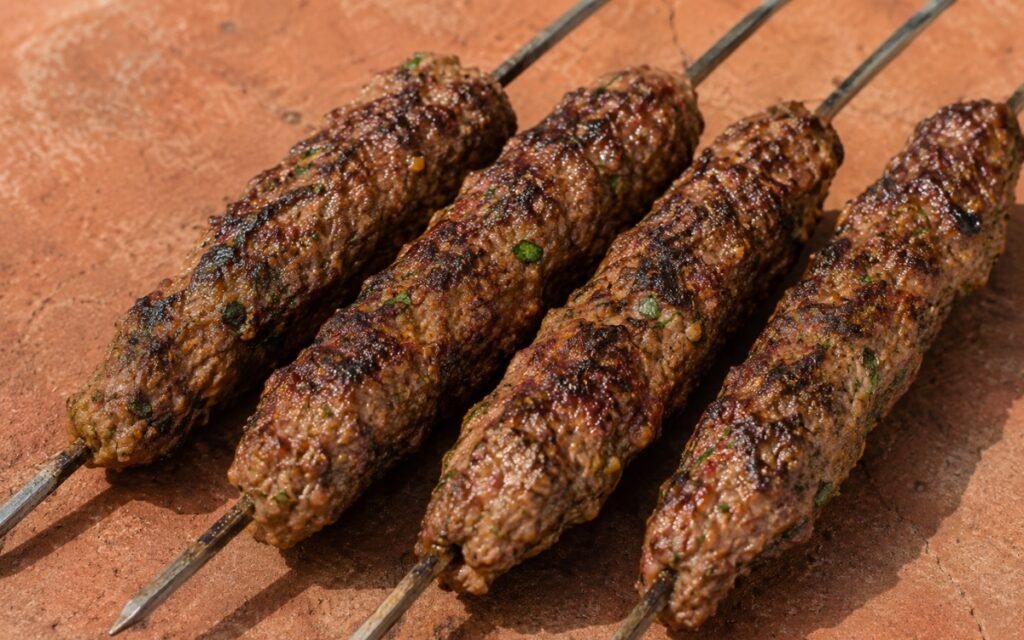
Simple Beef Kofta Skewers
Ground beef mixed thoroughly, shaped firmly around skewers, chilled, grilled with controlled rotation until charred. Structured and juicy.


-
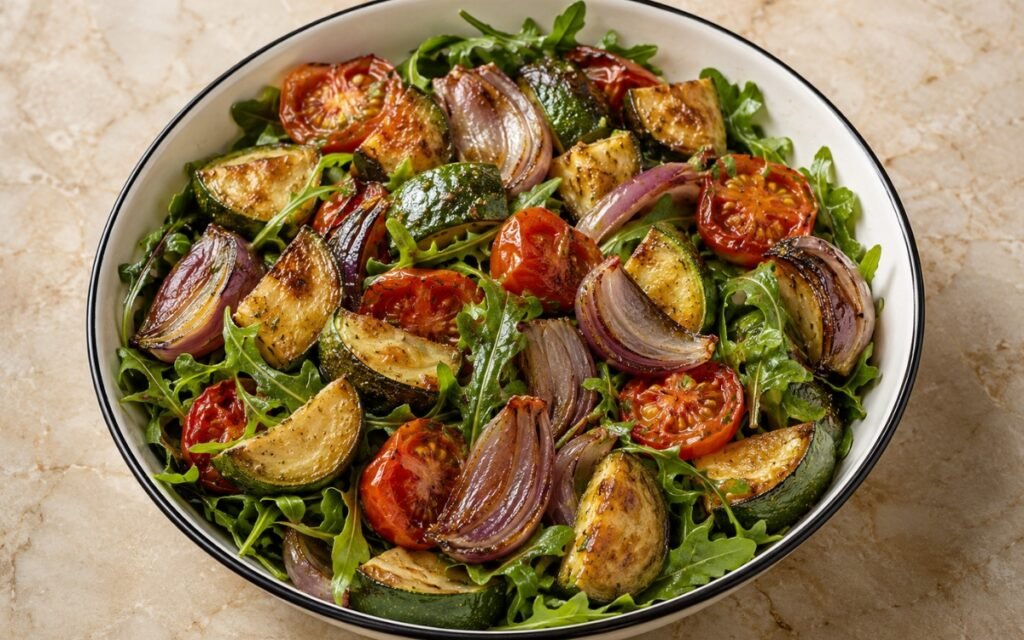
Warm Roasted Vegetable Salad
Caramelised roasted peppers, zucchini and cherry tomatoes served warm over peppery arugula with bright lemon Dijon dressing.
-
Grilled Corn Ribs with Chipotle Butter & Lime
Curled grilled corn ribs coated in smoky chipotle butter, with charred golden edges and a spicy, buttery finish.
-
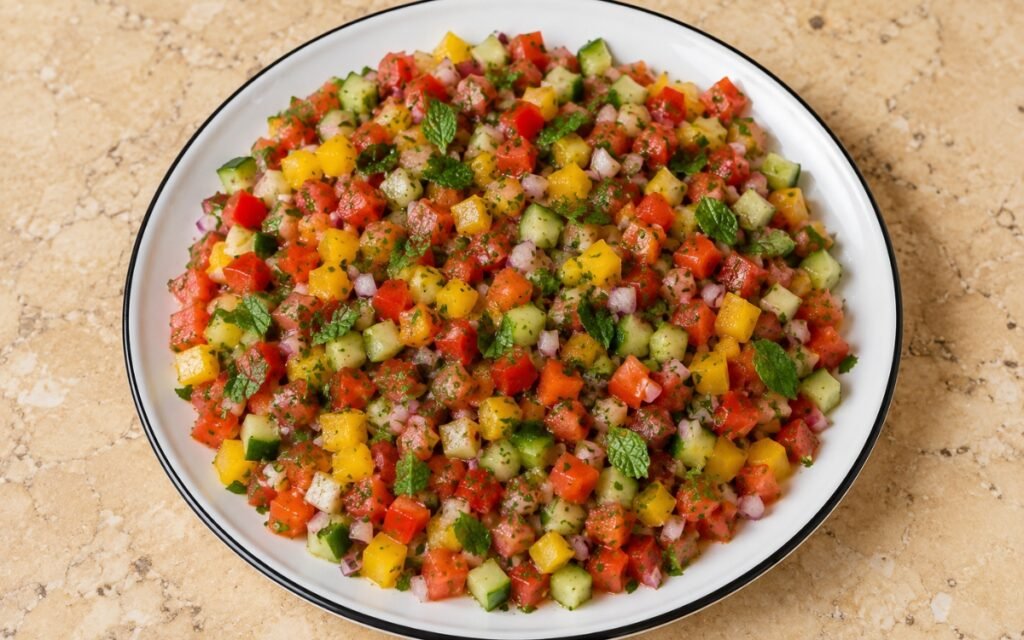
Light Chopped Vegetable Salad
Crisp chopped vegetables with cucumbers, bell peppers, tomatoes, and herbs in lemon vinaigrette.