
Pad Kee Mao / Thai Drunken Noodles
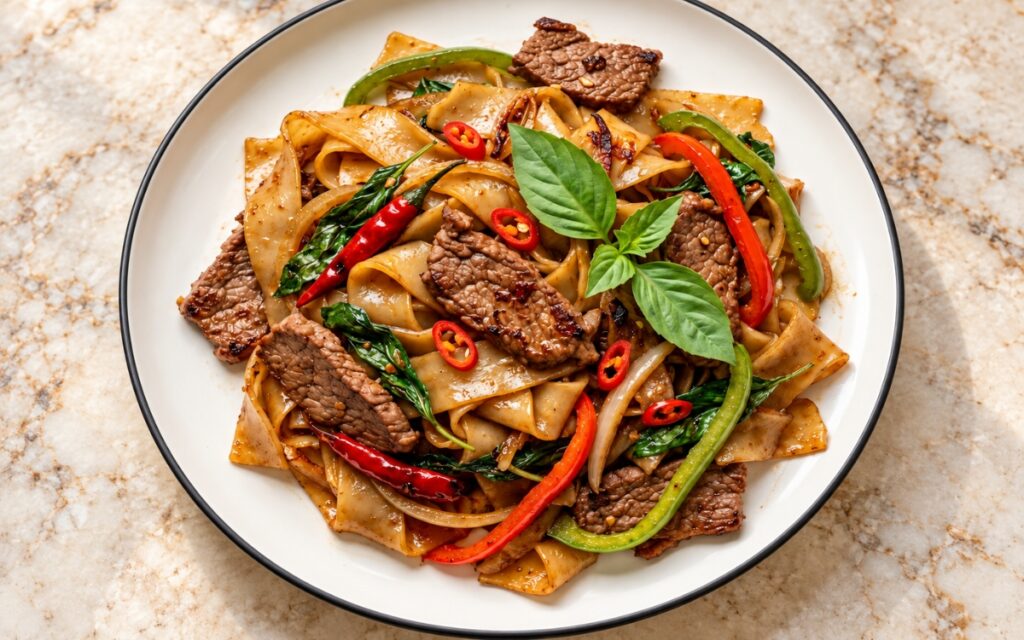
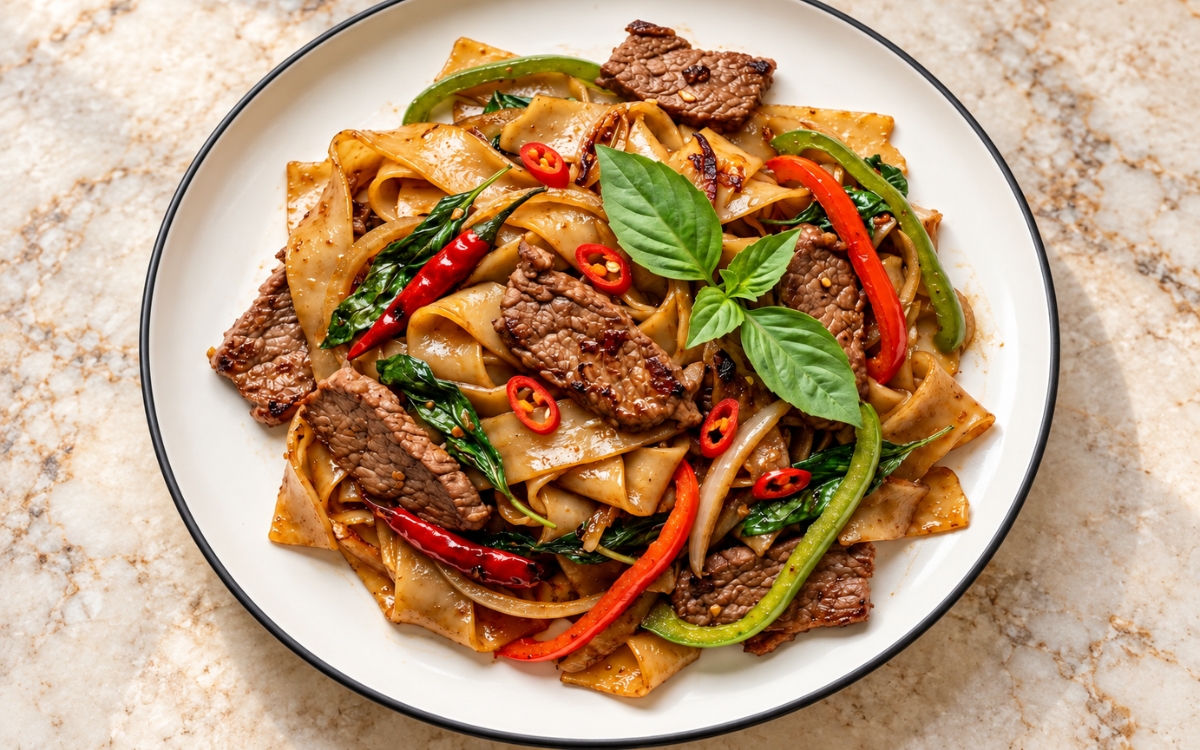
A classic Thai stir-fry of broad rice noodles, thinly sliced beef, Thai basil, garlic, bird’s eye chillies, onion and red and green bell peppers tossed in a dark, glossy savoury sauce, the key being slippery, well-coated noodles with caramelised edges and basil that wilts in at the very end. Keeping the wok genuinely hot by searing the beef in 2 batches and never crowding the pan, rather than tipping everything in at once, is the technique this whole dish depends on for its seared, smoky character — an overloaded wok loses heat instantly, so the beef releases water, the noodles steam pale and soft and the sauce pools instead of clinging, the same never-crowd-the-wok principle used elsewhere in this collection whenever a stir-fry relies on fast, high-heat contact. Separating the noodles while they are warm and pliable is what lets them coat evenly and pick up slight char without tearing into short pieces. Adding the Thai basil only in the final seconds is what keeps its peppery, anise-like aroma bright instead of dark and stewed. The payoff is a pad kee mao with real, bold wok character — glossy, slippery noodles, tender beef, still-crisp peppers and steady chilli heat under fresh, fragrant basil.
Prep Time : 20 min
Total Time : 50 min
Servings : 4
20 min
50 min
4
Ingredients
For the Beef
• 800g beef steak, such as sirloin, rump, flank or ribeye, thinly sliced against the grain
• 1 tbsp oyster sauce
• 2 tsp light soy sauce
• 1 tsp fish sauce
• 1 tsp neutral oil
• 1 tsp cornstarch
• ¼ tsp white pepper
For the Sauce
• 60ml oyster sauce
• 45ml light soy sauce
• 15ml dark soy sauce
• 30ml fish sauce
• 2 tsp sugar
• 2–3 tbsp water
For the Noodles and Stir-Fry
• 800g cooked wide rice noodles, about 200g per serving, preferably fresh sen yai, or enough dried wide rice noodles to yield about 800g cooked
• A few drops of neutral oil, only if the noodles stick
• 3–4 tbsp neutral oil, divided
• 6 garlic cloves, finely chopped or pounded
• 6–10 Thai bird’s eye chillies, sliced or roughly pounded, adjusted to heat tolerance
• 1 large onion, cut into wedges or thick slices
• 1 red bell pepper, sliced
• 1 green bell pepper, sliced
• 40–50g Thai basil leaves, stems removed
• 1–2 mild red chillies, sliced, optional, for extra visible chilli
For Finishing
• A small handful of fresh Thai basil leaves
• A few extra sliced chillies, optional
Directions
- Prepare the Noodles
If using fresh wide rice noodles, separate them gently with your fingers. If they are cold and stuck together, warm them in the microwave for a few seconds, or steam them very lightly, just until they loosen and peel apart. If using dried wide rice noodles, soak or boil them according to the package until just tender but still slightly chewy, then drain well. You need about 800g cooked noodles in total. If they start to stick, toss them with a few drops of neutral oil, but never coat them heavily. The noodles should be soft, pliable and fully separated before cooking begins. That separation is what lets the noodles stir-fry evenly, since cold, clumped noodles break apart and colour unevenly once they hit the wok. - Marinate the Beef
Place the 800g sliced beef in a bowl and add the 1 tbsp oyster sauce, 2 tsp light soy sauce, 1 tsp fish sauce, 1 tsp neutral oil, 1 tsp cornstarch and ¼ tsp white pepper. Mix thoroughly until every slice is evenly coated and no dry cornstarch remains visible. Let it stand for 10–15 minutes. The slices should look lightly glossy rather than wet; if a little liquid gathers at the bottom of the bowl, stir it back through just before cooking so it clings to the meat. That light marinade is what seasons the beef, while the thin cornstarch coating genuinely protects it during the very fast, high-heat sear so the slices stay tender. - Mix the Sauce
In a small bowl, stir together the 60ml oyster sauce, 45ml light soy sauce, 15ml dark soy sauce, 30ml fish sauce, 2 tsp sugar and 2 tbsp of the water. Keep stirring until the sugar has dissolved completely. Taste it: the sauce should be savoury, salty, slightly sweet and fairly strong on its own. If it tastes harsh or too thick to pour easily, add the remaining 1 tbsp water. The dark soy should deepen the colour without dominating the other flavours. Set the bowl beside the stove. That deliberately strong seasoning is what lets one batch of sauce flavour 800g of noodles, as well as the beef and vegetables, without the finished dish tasting flat. - Prep the Aromatics and Vegetables
Finely chop or pound the 6 garlic cloves. Slice or roughly pound the 6–10 bird’s eye chillies, adjusting the number to your heat tolerance, and slice the mild red chillies, if using. Cut the onion into wedges or thick slices and slice the red and green bell peppers into strips of a similar width so they cook at the same rate. Pick the 40–50g Thai basil leaves from their stems, and set the small handful of finishing leaves and any extra sliced chillies aside separately. Arrange everything beside the stove with the marinated beef, the sauce, the noodles and the oil. That complete setup matters because pad kee mao cooks in minutes, leaving genuinely no time for slicing or measuring once the wok is hot. - Sear the Beef
Heat a wok or large heavy pan over high heat until very hot and just beginning to smoke. Add 1 tbsp of the neutral oil and swirl to coat. Lay half the beef in a single layer and sear for 45–90 seconds, tossing only as needed, until the outside is browned but the meat is not fully cooked through. Remove it to a plate, then repeat with another 1 tbsp oil and the remaining beef. If the slices release liquid and turn grey instead of browning, the pan is crowded or not hot enough, so let it recover before adding more. That brief, genuinely hot sear is what browns the beef while keeping it tender and slightly juicy, since it returns to the wok later. - Stir-Fry the Aromatics and Vegetables
Keep the wok over high heat, lowering it slightly only if it is smoking excessively. Add the remaining 1–2 tbsp neutral oil, then the garlic and bird’s eye chillies, and stir-fry for 10–15 seconds, until intensely fragrant but not browned. Add the onion, bell peppers and mild red chillies, if using, and stir-fry for 1–2 minutes, until slightly softened at the edges but still bright and holding their shape. The peppers should keep a little bite rather than turning limp. If the garlic starts to darken before the vegetables go in, add them immediately to cool the pan. That short, hot stir-fry is what keeps the vegetables distinct and colourful against the soft noodles instead of collapsing into them. - Fry the Noodles
Add the 800g noodles to the wok and pour the sauce over them. Using tongs, chopsticks or a wide spatula, lift and turn the noodles gently so they coat evenly without tearing. Between tosses, let portions of the noodles sit against the hot wok for a few seconds so they develop slight caramelised, stir-fried edges. Cook for about 1–2 minutes, until the noodles are glossy, hot and evenly brown. The sauce should coat the noodles rather than pool at the bottom of the wok. If it looks watery, the heat is too low or the pan is overcrowded; with a smaller wok, fry the vegetables, noodles and sauce in 2 batches rather than forcing everything into one pan. That brief contact with the hot metal is what gives drunken noodles their lightly charred, genuinely smoky edges. - Finish with Beef and Basil
Return the seared beef and any resting juices to the wok. Toss everything together for 30–60 seconds, until the beef is heated through and evenly mixed through the noodles and vegetables. Add the 40–50g Thai basil leaves and toss just until they wilt into the hot noodles, which takes only a few seconds. Remove the wok from the heat immediately. The basil should look glossy and bright green rather than dark or slimy, and the beef should still be tender and juicy rather than dry. That last-second addition is what preserves the Thai basil’s fresh, peppery aroma, because cooking it any longer turns the leaves dark and flattens their flavour. - Serve
Divide the noodles between 4 bowls, about 200g of noodles and a quarter of the beef in each, with an even share of the onion and peppers. Top each bowl lightly with a few of the reserved fresh Thai basil leaves and, if desired, a few extra sliced chillies. Serve immediately, while the noodles are still hot, glossy and slippery. The finished dish should be lightly sauced, with tender beef, still-distinct vegetables and visible basil throughout, and no pool of sauce at the bottom of the bowl. If the noodles look dry, they spent too long in the pan, so pull the next batch sooner. That immediate serving is what keeps the noodles slippery and the basil fragrant, since both dull quickly as the dish cools.
*Notes :
- Keeping the wok hot and uncrowded deserves genuine recognition as the technique most directly responsible for whether these noodles taste stir-fried or steamed. The recipe’s own warning that “Overcrowding is the fastest way to lose wok heat and end up with soft, pale, steamed noodles” explains the 2-batch sear — a crowded pan cools below the point where moisture flashes off, so the beef simmers in its own juices and the sauce never caramelises.
- Loosening the noodles before they reach the wok deserves the same attention this technique receives throughout this collection’s other wok-fried noodle dishes, because wide rice noodles tear easily once they are cold and clumped. Warm, separated strands slide over the hot metal and take the sauce evenly, while a cold block has to be forced apart in the pan, breaking the noodles into short pieces and leaving pale, unseasoned patches.
- Adding the basil in the final seconds deserves genuine respect as the detail most directly responsible for the dish’s characteristic aroma. The recipe’s own instruction that “Thai basil should go in at the end” reflects how fragile the leaves are — cooked any longer, they turn dark and lose the fresh, peppery, anise-like scent that separates pad kee mao from a generic soy noodle stir-fry.
- The finish of the sauce deserves attention as a genuine, checkable readiness cue rather than a loose approximation. The noodles should be glossy and evenly brown with no liquid pooling in the wok, matching the recipe’s own target of a dish that is “glossy and lightly sauced” — if sauce collects at the bottom, the heat has dropped or the pan is overloaded, and the noodles will turn soft and wet.
Why This Recipe Works
This recipe works because every step is built around fast, high-heat contact with the wok. A light, cornstarch-bound marinade seasons the beef and protects it, so 2 quick batches can brown the slices without drying them out. Warm, separated noodles then take an assertive oyster, soy and fish sauce blend evenly, while a few seconds against the hot metal gives them caramelised edges. The vegetables stay brief and bright, and the beef returns only to reheat. Finally, the Thai basil wilts in at the last moment, so each bowl tastes glossy, smoky, boldly spicy and genuinely fragrant.
Ingredient Breakdown
Two-Batch High-Heat Sear
The critical technique — searing half the beef at a time keeps the wok hot enough to brown rather than steam.
Warm, Separated Wide Rice Noodles (Sen Yai)
The critical ingredient choice — loosened, pliable noodles coat evenly and caramelise without tearing.
Cornstarch Marinade
The critical safeguard — a thin cornstarch coating seasons the beef and keeps it tender under fierce heat.
Oyster, Soy and Fish Sauce Blend
The flavour foundation — savoury, salty and slightly sweet, pitched strongly enough to season 800g of noodles.
Dark Soy Sauce (Just 15ml)
The defining flavour ingredient — a small measure gives deep brown gloss and gentle sweetness without dominating.
Bird’s Eye Chillies and Garlic
The core flavour-building stage — fried for 10–15 seconds, they release the dish’s bold heat and pungency.
Thai Basil Added Last
The finishing technique — tossed in only until wilted, the leaves keep their fresh, peppery, anise-like aroma.
Flavor Structure Explained
This pad kee mao follows a layered balance model:
- Slippery, chewy foundation (wide rice noodles)
- Savoury, seared centrepiece (marinated beef, oyster sauce)
- Salty-sweet umami backbone (light and dark soy sauce, fish sauce, sugar)
- Bold, fiery heat (bird’s eye chillies, garlic)
- Fresh, crisp contrast (onion, red and green bell peppers)
- Peppery herbal finish (Thai basil)
Wide rice noodles form the slippery, chewy foundation that carries every other element. Seared beef, deepened by oyster sauce, supplies the savoury centrepiece, while light and dark soy, fish sauce and a little sugar build the salty-sweet umami backbone that turns the noodles glossy and brown. Bird’s eye chillies and garlic bring the bold, fiery heat the dish is known for, and onion and bell peppers add a fresh, crisp contrast. Thai basil then delivers the peppery herbal finish that ties this pad kee mao together.
Common Mistakes to Avoid
- Crowding the Wok With All the Beef – This drops the heat, so the beef releases water and steams grey instead of searing. Always sear it in 2 batches, in a single layer.
- Adding Cold, Clumped Noodles – This forces them apart in the pan, tearing them into short pieces that colour unevenly. Always warm and separate the noodles before they reach the wok.
- Cooking the Thai Basil Too Long – This turns the leaves dark and limp and drives off their fresh, peppery aroma. Always add the basil last and take the wok off the heat once it wilts.
- Drowning the Noodles in Sauce – This leaves a wet, soupy dish instead of glossy, lightly coated noodles. Always keep the heat high so the sauce clings rather than pools in the wok.
- Overcooking the Beef in the First Sear – This leaves it dry and chewy once it is reheated with the noodles. Always pull it while it is browned outside but not fully cooked through.
Variations
Chicken Version
Replace the beef with 800g thinly sliced boneless chicken thigh, using the same marinade and searing it in 2 batches until just cooked through, for a milder but equally glossy drunken noodle dish.
Dried Noodle Version
Use dried wide rice noodles cooked only until they still have a little resistance, per the recipe’s own note, since they keep softening in the wok and turn mushy if fully cooked beforehand.
Italian Basil Version
Use Italian basil only when Thai basil is genuinely unavailable, as the recipe’s own note allows, accepting a sweeter, less peppery finish without the characteristic anise note of the original.
Milder Version
Use the lower end of 6 bird’s eye chillies and add the optional mild red chillies for colour, keeping the noticeable chilli presence the recipe’s own note asks for while softening the heat.
Storage & Make-Ahead
Choose tender, quick-cooking cuts such as sirloin, rump, flank or ribeye and slice them thinly against the grain, because tougher cuts or thick slices cannot turn tender in the 45–90 seconds the beef spends searing.
Fresh wide rice noodles are best bought on the day and kept at cool room temperature, since refrigerated noodles firm up and crack, and they need gentle warming to separate cleanly before they go into the wok.
The sauce can be mixed up to 3 days ahead and refrigerated in a sealed jar, and the beef can be sliced up to 1 day ahead and kept covered in the fridge, then marinated just before cooking.
The onion, bell peppers, garlic and chillies can be prepped a few hours ahead and kept covered in the fridge, but pick the Thai basil only shortly before cooking, because the leaves bruise and darken quickly once handled.
Pad kee mao is genuinely best eaten immediately, but leftovers keep airtight in the fridge for up to 2 days and reheat best tossed briefly in a very hot pan with 1–2 tbsp water to loosen the noodles.
Frequently Asked Questions
Why is the beef seared in 2 batches instead of all at once?
A full 800g of beef cools the wok so sharply that the slices release water and steam grey. Searing half at a time keeps the metal hot enough to brown the surface quickly while the inside stays tender and juicy.
Why does the beef marinade include cornstarch?
The cornstarch forms a thin coating that shields the surface of each slice from the fierce heat of the wok. It holds in moisture during the 45–90 second sear, so the beef stays tender instead of tightening and drying out.
Why do the noodles need to be separated before they go into the wok?
Cold, clumped wide rice noodles break when they are forced apart in a hot pan, and they stir-fry unevenly. Warm, pliable strands slide freely, take the sauce evenly and develop genuinely caramelised edges without tearing.
Why is the Thai basil added only at the very end?
Thai basil’s peppery, anise-like aroma fades quickly with heat. Tossing it in just until wilted keeps the leaves bright and fragrant, while cooking it any longer turns them dark and limp and flattens the whole dish.
Are there other classic Thai noodle, stir-fry, or salad dishes worth trying?
Pad See Ew — Thai Stir-Fried Wide Noodles offers another classic Thai wide-noodle direction worth exploring. Thai Basil Beef Noodles and Pad Krapao — Thai Basil Stir-Fry are also worth trying for other basil-led stir-fry directions, and Chicken Pad Thai and Thai Green Papaya Shrimp Salad offer other classic Thai noodle and salad dishes worth exploring.
Nutrition Facts
( Per Serving — 1 bowl )
Calories
~850 kcal
Protein
48 g
Fat
33 g
Carbs
91 g
Calories
~850 kcal
Protein
48 g
Fat
33 g
Carbs
91 g
Related Recipes
Related Recipes
-

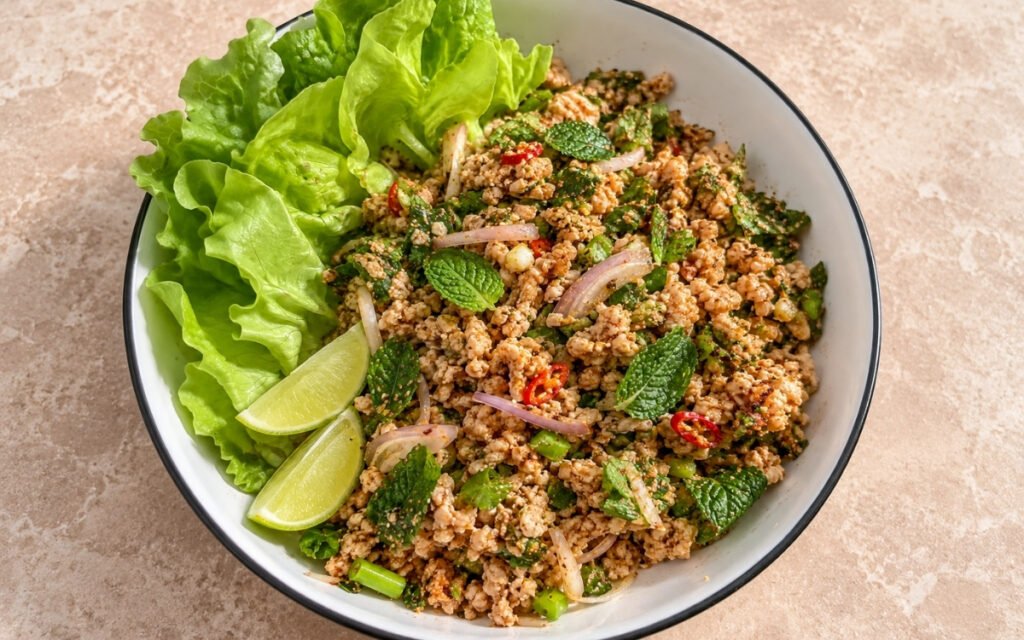
Larb Gai — Thai Minced Chicken Salad
Gently cooked minced chicken tossed with lime juice, fish sauce, roasted chili, toasted rice powder, shallots, scallions, and fresh mint.
-
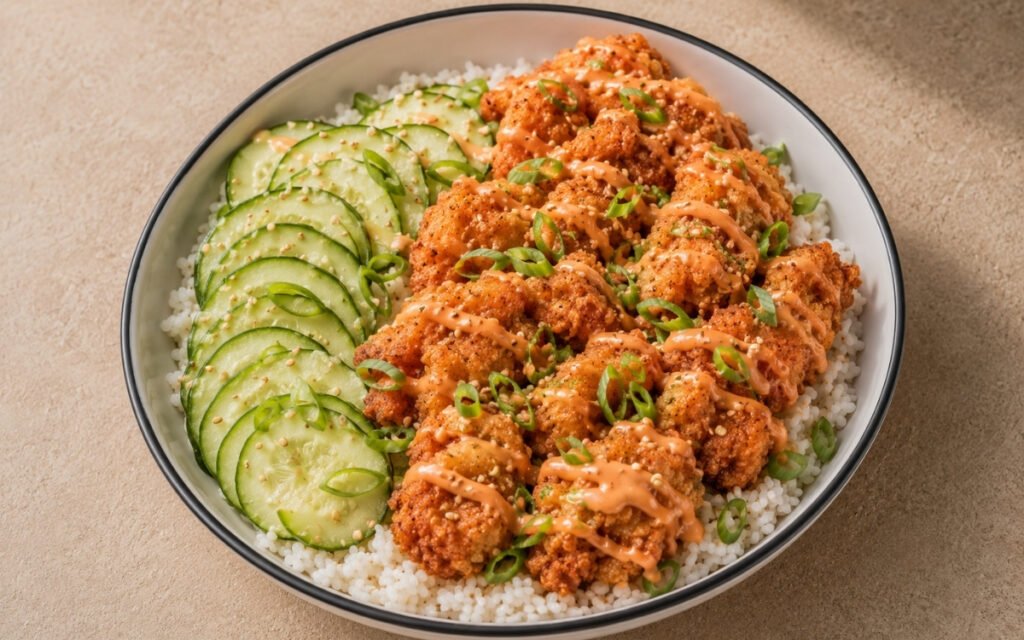
Bang Bang Chicken Rice Bowl
Crispy fried chicken in sweet-spicy bang bang sauce over jasmine rice with cucumber and scallions.
-
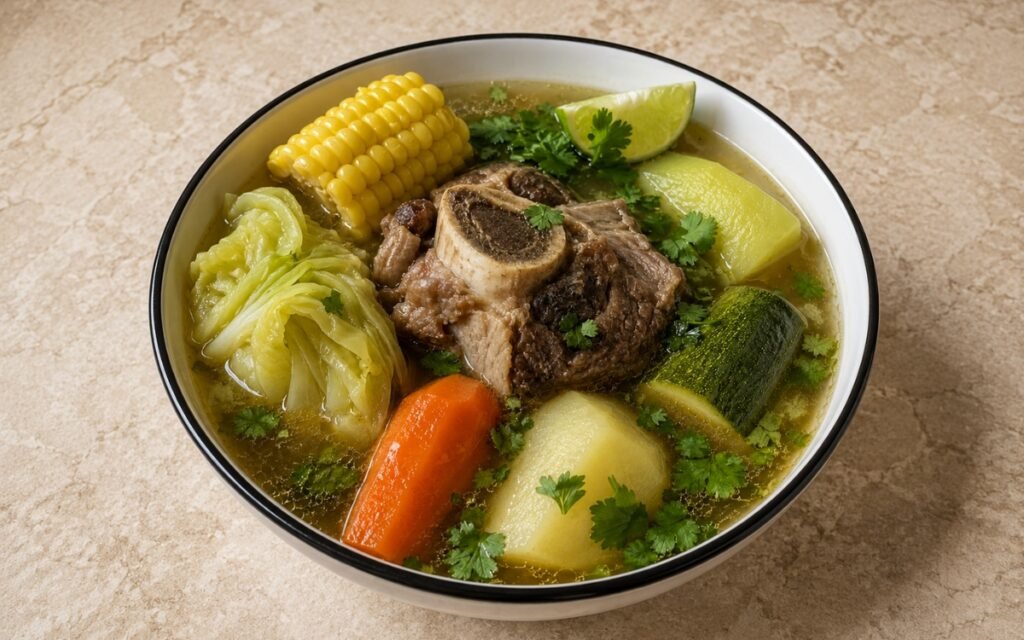
Caldo de Res
A clear, golden Mexican beef soup with gently simmered beef shank and large, staged vegetables — corn, potato, carrot, chayote, zucchini, and cabbage.
You might also like
You might also like
-
Vietnamese Chicken Pho / Phở Gà
Clear golden chicken broth infused with charred onion, ginger and warm spices, served over rice noodles with sliced chicken thighs, fresh herbs and lime.
-
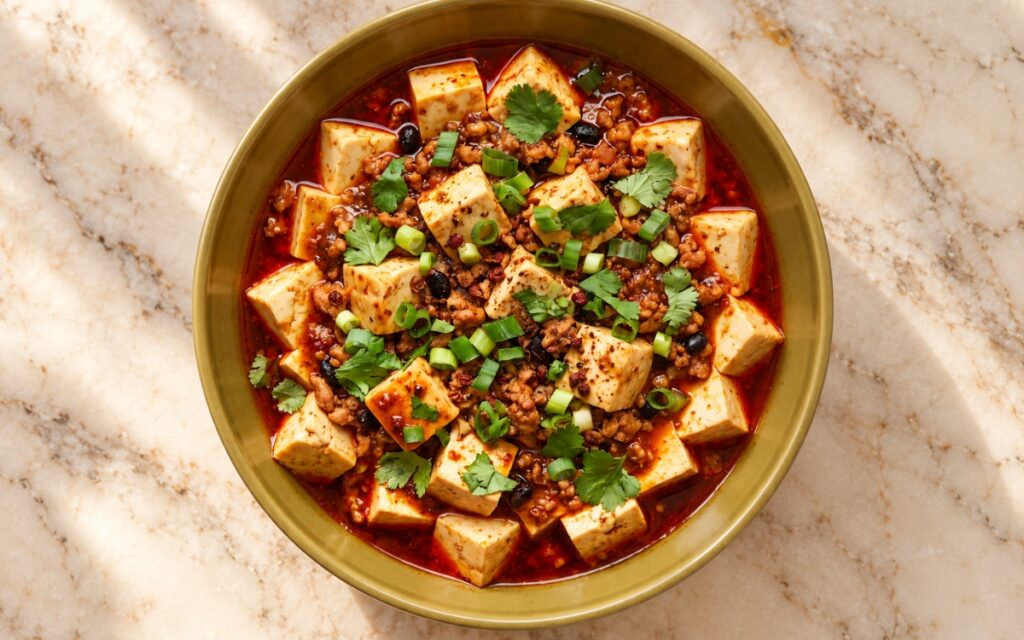
Mapo Tofu
Soft tofu cubes in a glossy brick-red chili oil sauce with browned minced pork, doubanjiang, fermented black beans and numbing Sichuan pepper.
-
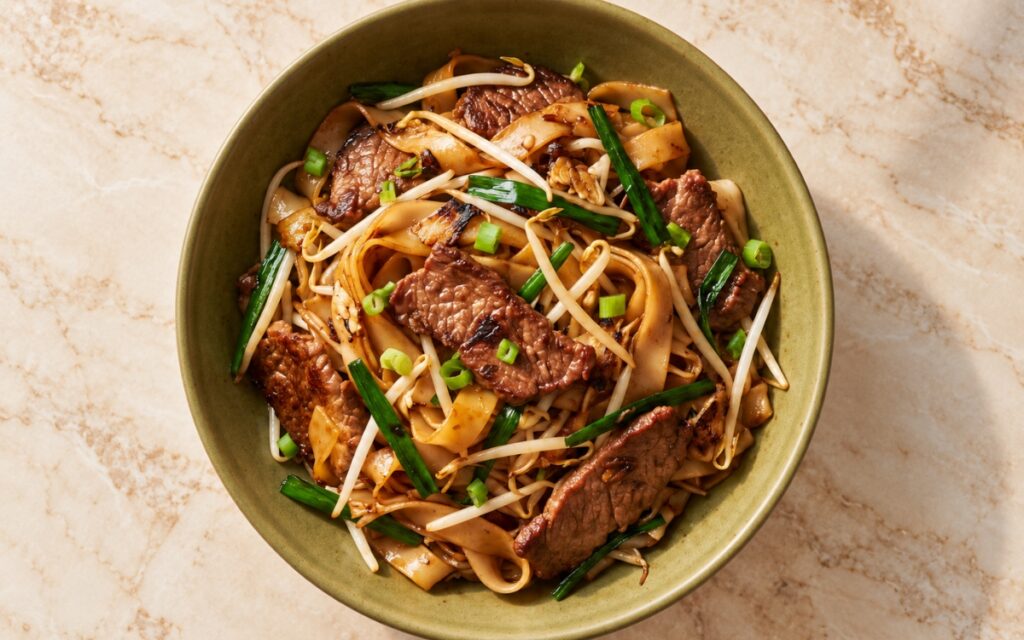
Beef Chow Fun
Glossy wide rice noodles stir-fried with tender seared beef, crisp bean sprouts, Chinese chives, and scallions in a dark soy wok sauce.

Pad Kee Mao / Thai Drunken Noodles
Ingredients
Method
- If using fresh wide rice noodles, separate them gently with your fingers. If they are cold and stuck together, warm them in the microwave for a few seconds, or steam them very lightly, just until they loosen and peel apart. If using dried wide rice noodles, soak or boil them according to the package until just tender but still slightly chewy, then drain well. You need about 800g cooked noodles in total. If they start to stick, toss them with a few drops of neutral oil, but never coat them heavily. The noodles should be soft, pliable and fully separated before cooking begins. That separation is what lets the noodles stir-fry evenly, since cold, clumped noodles break apart and colour unevenly once they hit the wok.
- Place the 800g sliced beef in a bowl and add the 1 tbsp oyster sauce, 2 tsp light soy sauce, 1 tsp fish sauce, 1 tsp neutral oil, 1 tsp cornstarch and ¼ tsp white pepper. Mix thoroughly until every slice is evenly coated and no dry cornstarch remains visible. Let it stand for 10–15 minutes. The slices should look lightly glossy rather than wet; if a little liquid gathers at the bottom of the bowl, stir it back through just before cooking so it clings to the meat. That light marinade is what seasons the beef, while the thin cornstarch coating genuinely protects it during the very fast, high-heat sear so the slices stay tender.
- In a small bowl, stir together the 60ml oyster sauce, 45ml light soy sauce, 15ml dark soy sauce, 30ml fish sauce, 2 tsp sugar and 2 tbsp of the water. Keep stirring until the sugar has dissolved completely. Taste it: the sauce should be savoury, salty, slightly sweet and fairly strong on its own. If it tastes harsh or too thick to pour easily, add the remaining 1 tbsp water. The dark soy should deepen the colour without dominating the other flavours. Set the bowl beside the stove. That deliberately strong seasoning is what lets one batch of sauce flavour 800g of noodles, as well as the beef and vegetables, without the finished dish tasting flat.
- Finely chop or pound the 6 garlic cloves. Slice or roughly pound the 6–10 bird’s eye chillies, adjusting the number to your heat tolerance, and slice the mild red chillies, if using. Cut the onion into wedges or thick slices and slice the red and green bell peppers into strips of a similar width so they cook at the same rate. Pick the 40–50g Thai basil leaves from their stems, and set the small handful of finishing leaves and any extra sliced chillies aside separately. Arrange everything beside the stove with the marinated beef, the sauce, the noodles and the oil. That complete setup matters because pad kee mao cooks in minutes, leaving genuinely no time for slicing or measuring once the wok is hot.
- Heat a wok or large heavy pan over high heat until very hot and just beginning to smoke. Add 1 tbsp of the neutral oil and swirl to coat. Lay half the beef in a single layer and sear for 45–90 seconds, tossing only as needed, until the outside is browned but the meat is not fully cooked through. Remove it to a plate, then repeat with another 1 tbsp oil and the remaining beef. If the slices release liquid and turn grey instead of browning, the pan is crowded or not hot enough, so let it recover before adding more. That brief, genuinely hot sear is what browns the beef while keeping it tender and slightly juicy, since it returns to the wok later.
- Keep the wok over high heat, lowering it slightly only if it is smoking excessively. Add the remaining 1–2 tbsp neutral oil, then the garlic and bird’s eye chillies, and stir-fry for 10–15 seconds, until intensely fragrant but not browned. Add the onion, bell peppers and mild red chillies, if using, and stir-fry for 1–2 minutes, until slightly softened at the edges but still bright and holding their shape. The peppers should keep a little bite rather than turning limp. If the garlic starts to darken before the vegetables go in, add them immediately to cool the pan. That short, hot stir-fry is what keeps the vegetables distinct and colourful against the soft noodles instead of collapsing into them.
- Add the 800g noodles to the wok and pour the sauce over them. Using tongs, chopsticks or a wide spatula, lift and turn the noodles gently so they coat evenly without tearing. Between tosses, let portions of the noodles sit against the hot wok for a few seconds so they develop slight caramelised, stir-fried edges. Cook for about 1–2 minutes, until the noodles are glossy, hot and evenly brown. The sauce should coat the noodles rather than pool at the bottom of the wok. If it looks watery, the heat is too low or the pan is overcrowded; with a smaller wok, fry the vegetables, noodles and sauce in 2 batches rather than forcing everything into one pan. That brief contact with the hot metal is what gives drunken noodles their lightly charred, genuinely smoky edges.
- Return the seared beef and any resting juices to the wok. Toss everything together for 30–60 seconds, until the beef is heated through and evenly mixed through the noodles and vegetables. Add the 40–50g Thai basil leaves and toss just until they wilt into the hot noodles, which takes only a few seconds. Remove the wok from the heat immediately. The basil should look glossy and bright green rather than dark or slimy, and the beef should still be tender and juicy rather than dry. That last-second addition is what preserves the Thai basil’s fresh, peppery aroma, because cooking it any longer turns the leaves dark and flattens their flavour.
- Divide the noodles between 4 bowls, about 200g of noodles and a quarter of the beef in each, with an even share of the onion and peppers. Top each bowl lightly with a few of the reserved fresh Thai basil leaves and, if desired, a few extra sliced chillies. Serve immediately, while the noodles are still hot, glossy and slippery. The finished dish should be lightly sauced, with tender beef, still-distinct vegetables and visible basil throughout, and no pool of sauce at the bottom of the bowl. If the noodles look dry, they spent too long in the pan, so pull the next batch sooner. That immediate serving is what keeps the noodles slippery and the basil fragrant, since both dull quickly as the dish cools.