
One-Pan Sausage Tomato Pasta
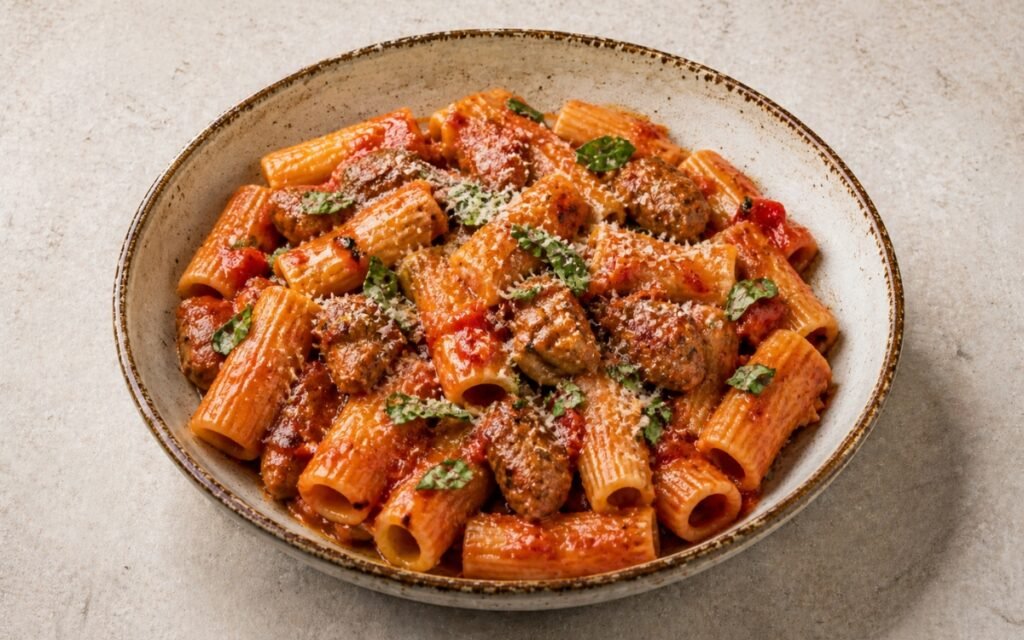
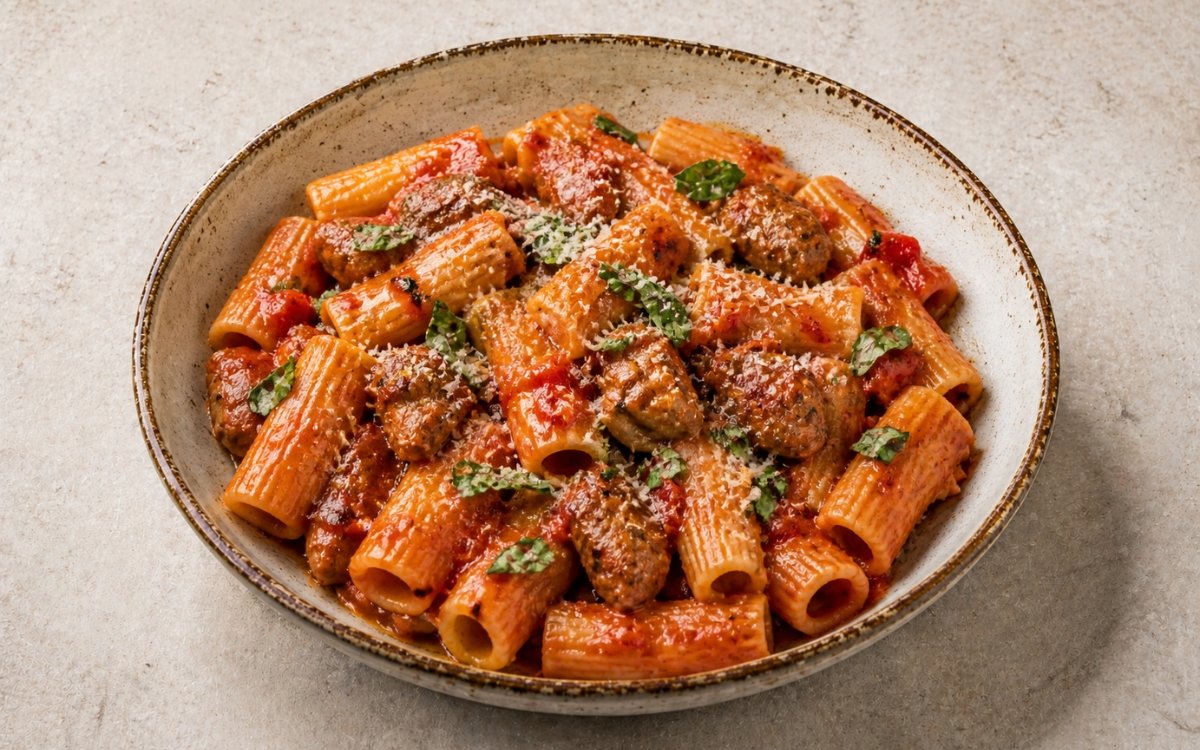
The one-pan pasta technique where the rigatoni cooks directly in the sauce — absorbing the sausage fat, white wine, San Marzano tomatoes, and chicken stock simultaneously rather than being boiled separately in plain water and then combined. As the pasta absorbs the liquid and releases its starch into the surrounding sauce, the sauce thickens and becomes glossy and coating without any cream, without any pasta water reserved as an afterthought. Italian sausage browned in large chunks, a caramelised tomato paste base, rosemary simmered and removed, Pecorino stirred in at the end. One pan, one sequence, minimal cleanup, maximum depth.
Prep Time : 10 min
Cook Time : 25 min
Servings : 4
10 min
25 min
4
Ingredients
For the Pasta
• 320g rigatoni pasta — this one on Amazon
• 480ml chicken stock
• 240ml dry white wine
• 8g kosher salt
For the Sausage and Aromatics
• 400g Italian sausage (hot or sweet), casings removed
• 120g yellow onion, finely diced
• 16g garlic, about 4 cloves, thinly sliced
• 40g tomato paste
• 3g red pepper flakes
• 6g fresh rosemary, about 2 sprigs
• 3g black pepper, freshly ground
For the Tomato Sauce
• 800g canned San Marzano tomatoes, hand-crushed — this one on Amazon
• 60ml extra-virgin olive oil, divided
For Finishing
• 80g Pecorino Romano, finely grated, plus extra for serving — this one on Amazon
• 20g fresh basil leaves, torn
This post may contain affiliate links. As an Amazon Associate I earn from qualifying purchases, at no additional cost to you.
Directions
- Brown the Sausage
Heat a large, deep sauté pan or braiser — 12-inch minimum, as the rigatoni and all the liquid will cook in this single vessel — over medium-high heat. Add 20ml of the olive oil and allow to heat until shimmering. Crumble the 400g of Italian sausage with casings removed directly into the pan, breaking it into rough, irregular bite-sized chunks with a wooden spoon rather than fine crumbles — the larger chunks maintain their presence in the finished dish and provide distinct, textural pieces of sausage rather than disappearing into the sauce. Leave undisturbed for 3–4 minutes without stirring — the sustained contact with the hot pan surface is what produces the deep golden-brown sear that contributes the fond and the caramelised meat flavour that defines this recipe’s depth. After 3–4 minutes, break the larger pieces into smaller ones and continue cooking for a total of approximately 5 minutes until golden and well-rendered. The sausage must be deeply browned — not simply cooked through — because its caramelised surfaces and the fond they leave on the pan are the primary flavour contribution that the onion, wine, and tomatoes subsequently build on. Transfer the browned sausage with a slotted spoon to a plate, leaving all the rendered sausage fat in the pan. Do not drain this fat — it is the flavoured cooking medium for everything that follows. - Build the Aromatic Base
Reduce the heat to medium. Add the 120g of finely diced yellow onion to the rendered sausage fat. Cook, stirring occasionally, for approximately 4 minutes until completely softened and translucent — the onion softens readily in the hot, richly flavoured sausage fat, absorbing its savoury character while its own natural sugars begin to develop. Add the 16g of thinly sliced garlic and 3g of red pepper flakes simultaneously. Cook for 1 minute, stirring continuously — the garlic blooms its aromatic compounds into the hot fat in this 60-second window, and the red pepper flakes’ fat-soluble capsaicin distributes evenly through the surrounding sausage fat and olive oil. Add the 40g of tomato paste and stir it into the onion-garlic mixture. Press the tomato paste against the hot pan surface and allow it to sit briefly before stirring — 2 minutes of cooking, with intermittent stirring and pressing, converts the raw tomato paste’s sharp, slightly acidic character into a brick-red, caramelised, concentrated tomato depth through direct contact with the hot pan. This caramelised tomato paste is the flavour bridge between the sausage’s savory richness and the San Marzano tomatoes’ fresh acidity — without this caramelisation step the sauce tastes assembled rather than developed. - Deglaze with Wine and Add Tomatoes
Pour in the 240ml of dry white wine. Immediately scrape the bottom of the pan firmly — the wine dissolves every bit of fond from the sausage sear and the caramelised tomato paste into the developing sauce. Allow the wine to bubble vigorously for approximately 3 minutes, reducing by about half — the raw alcohol edge should completely cook off and the wine should smell of concentrated fruit rather than raw spirit. Add the 800g of hand-crushed San Marzano tomatoes with all their juices — hand-crushing each tomato over the pan produces a varied texture with some identifiable pieces and some sauce, more visually interesting than pre-crushed tomatoes and providing distinct tomato texture in the finished dish. Add the 480ml of chicken stock, the 2 rosemary sprigs, 6g of the salt, and 3g of black pepper. Stir to combine everything into the braising liquid that the pasta will cook in. The liquid volume is calibrated for the amount of pasta — the 480ml of stock, 240ml of wine, and the tomato juice together provide the correct absorption volume for 320g of rigatoni to cook through fully while the sauce simultaneously reduces to the correct coating consistency. - Cook the Pasta Directly in the Sauce
Add the 320g of uncooked rigatoni directly to the pan, pushing it down into the liquid with a wooden spoon until it is mostly submerged. This is the technique that defines the dish — pasta cooked directly in a flavoured sauce rather than plain boiling water absorbs the sauce’s flavour throughout its entire structure, every grain of starch swelling with the tomato-wine-chicken stock-sausage fat cooking liquid rather than with plain water. Simultaneously, the starch released from the pasta during cooking dissolves into the surrounding sauce rather than being drained away — progressively thickening and enriching it with each passing minute. Bring to a vigorous simmer over medium-high heat, then reduce to medium to maintain a steady, active simmer. Cook uncovered, stirring every 2–3 minutes — stirring prevents the pasta from sticking to the bottom of the pan as the liquid reduces and the sauce thickens, and also redistributes the liquid so every piece of pasta cooks evenly rather than the submerged pieces absorbing all the liquid while the top pieces cook more slowly. The total cooking time is 14–16 minutes. As the pasta approaches al dente, the sauce will be noticeably thicker and glossier than when the pasta first went in — the starch release has emulsified the tomato, fat, and stock into a unified, coating sauce. If the liquid reduces too aggressively before the pasta is cooked through, add additional chicken stock in 60ml increments. If the sauce remains too thin when the pasta reaches al dente, increase the heat slightly and stir constantly for 2–3 additional minutes. - Return Sausage and Finish with Pecorino
When the rigatoni is al dente and the sauce clings to the pasta in a glossy, concentrated coating, remove and discard the rosemary sprigs — they have given their aromatic contribution during the cooking and their woody stem and needles should not appear in the finished dish. Return the browned sausage pieces and every accumulated juice from their resting plate to the pan. The resting juices contain rendered sausage fat and concentrated protein that enrich the sauce at the final stage. Add the remaining 40ml of olive oil — this finishing olive oil, added off the main cooking heat, emulsifies into the starchy tomato sauce and adds a smooth, fruity richness that the olive oil cooked from the beginning of the recipe no longer provides in its raw form. Add the 80g of finely grated Pecorino Romano. Toss vigorously — the Pecorino’s salt, fat, and protein combine with the starchy, concentrated tomato sauce to produce a smooth, creamy coating without any added cream. The pasta’s own starch is the emulsifier; the Pecorino is the body and flavour. Taste and adjust with the remaining 2g of salt if needed. - Rest and Serve
Remove from the heat and fold in the 20g of torn fresh basil leaves — the residual heat wilts them gently and releases their volatile aromatic compounds into the sauce’s surface without the darker, more concentrated character that cooking basil directly produces. Allow to rest for 2 minutes — the brief rest allows the starchy sauce to settle and thicken very slightly around each piece of rigatoni, improving its cling and making the plated portions more visually cohesive. Serve immediately in shallow bowls. Add additional finely grated Pecorino Romano over each portion. Drizzle a small amount of the best olive oil available over each bowl at serving.
*Notes :
- The one-pan pasta technique — cooking pasta directly in the sauce rather than in separate boiling water — is not simply a convenience technique but a fundamentally different cooking method that produces a different result from the same ingredients cooked by conventional means. When pasta cooks in a flavoured sauce, the starch gelatinises in the flavoured liquid rather than in plain water — every grain of pasta starch absorbs the sauce’s aromatic and flavour compounds as it swells. The pasta tastes of the sauce from the inside out rather than from the surface in. Simultaneously, the released starch builds the sauce’s body progressively rather than being washed away — the sauce thickens naturally and cohesively rather than requiring pasta water, cream, or roux as thickening agents. The trade-off is that the pasta must be stirred regularly to prevent sticking as the sauce reduces, and the liquid volume must be correctly calibrated for the pasta quantity.
- Hot versus sweet Italian sausage is a genuine choice that changes the dish’s character significantly. Hot Italian sausage adds its fennel seed and red chili character alongside the red pepper flakes, producing a more assertively spiced result with two layers of heat. Sweet Italian sausage provides the fennel and garlic seasoning of Italian sausage without the chili, allowing the red pepper flakes to be the sole heat source and producing a more controlled, less spice-forward result. Both work — the choice depends on the intended heat level and the preference of the people eating.
Why This Recipe Works
This recipe works because the one-pan cooking method makes every technique decision serve the same goal — a sauce that is thickened by the pasta’s own starch rather than by any added dairy or thickening agent. The sausage fond provides the flavour depth that the pasta absorbs during cooking. The caramelised tomato paste provides the concentrated tomato character that a plain canned tomato sauce would lack.
The finishing olive oil and Pecorino produce the creamy coating through emulsification with the starchy sauce. All three finishing elements — oil, cheese, and pasta starch — work together to produce the glossy, coating consistency that makes this dish satisfying without any cream.
Ingredient Breakdown
Italian Sausage (Browned in Large Chunks, Fat Retained)
The flavour foundation — its rendered fat is the cooking medium for everything else; its caramelised chunks provide textural presence; its fond is the depth the entire sauce is built on.
Tomato Paste (Caramelised in Pan)
The concentrated flavour bridge — direct pan contact converts its sharp acidity into the deeper, slightly sweet tomato depth that is the sauce’s character.
San Marzano Tomatoes (Hand-Crushed)
The sauce body — low acidity, concentrated sweetness, and varied texture from hand-crushing rather than pre-crushed uniformity.
Rigatoni (Cooked in Sauce)
The technique-defining pasta — cooks in the flavoured sauce, absorbing its character throughout while releasing starch that progressively thickens the sauce.
Finishing Olive Oil (40ml, Added Last)
The emulsifying richness — raw olive oil stirred into the hot starchy sauce disperses as small fat droplets, producing a smooth, glossy finish.
Pecorino Romano
The finishing savoury depth — combines with the pasta’s released starch to produce a creamy, coating sauce without cream.
Flavor Structure Explained
This tomato sausage pasta follows a layered balance model:
- Savory fatty core (sausage, fond)
- Sweet-acidic body (tomato, tomato paste)
- Wine-driven depth (reduction)
- Creamy savory emulsion (Pecorino, olive oil)
- Herbal aromatic layers (rosemary, basil)
Sausage defines the foundation with spiced, fatty richness that permeates the entire dish through rendered fat and fond. Tomato builds the main body, balancing sweetness and acidity with added depth from caramelised paste. Wine reduction adds a secondary layer of brightness and complexity. Pecorino and olive oil create a smooth, coating emulsion that delivers richness without heaviness. Rosemary infuses the base with herbal depth during cooking, while basil finishes with fresh, clean aromatics that lift the final profile.
Common Mistakes to Avoid
- Not Browning the Sausage Deeply – Pale, lightly cooked sausage produces insufficient fond and less flavourful, less rendered fat. Always brown deeply for 5 full minutes.
- Not Stirring Every 2–3 Minutes During Pasta Cooking – The sauce reduces aggressively and pasta sticks to the bottom if left unattended. Regular stirring is essential throughout the 14–16 minute pasta cooking period.
- Under- or Over-calibrating the Liquid – Too little liquid and the pasta cannot cook through; too much and the sauce remains thin. Follow the specified quantities and adjust with additional stock if needed.
- Not Caramelising the Tomato Paste – Tomato paste added directly to liquid without caramelisation against the hot pan produces a less developed, less complex sauce base. The 2-minute pan contact is essential.
- Adding All the Olive Oil at the Beginning – The finishing 40ml of olive oil adds a specific raw, fruity emulsification to the finished sauce. Adding it all at the start means it cooks throughout and loses this specific fresh character.
- Not Removing the Rosemary Before Serving – The rosemary sprigs give their aromatic contribution during simmering and should be removed before the final toss — their woody stems and needles in the finished dish are unpleasant.
Variations
Spicy Version
Use hot Italian sausage and increase the red pepper flakes to 5g for a more assertively spiced dish where two layers of heat — the sausage’s chili and the pepper flakes — compound rather than simply add.
Fennel and Sausage Version
Add 200g of thinly sliced fennel to the onion step, cooking together for 6–7 minutes until both are fully softened. The fennel’s anise-like sweetness amplifies the fennel seed character in the Italian sausage.
Without Wine
Replace the 240ml of wine with an additional 120ml of chicken stock and 60ml of good red wine vinegar diluted with 60ml of water — the acidity is maintained without the alcohol.
Pork and Beef Sausage Version
Use a 50/50 combination of Italian pork sausage and beef sausage for a more robustly meaty, slightly richer version of the same preparation.
Storage & Make-Ahead
The assembled pasta can be refrigerated for up to 3 days. During storage, the rigatoni will continue to absorb the sauce, so when reheating, warm it gently in a pan over low heat with 2 to 3 tablespoons of chicken stock or water per portion, stirring until the sauce returns to a smooth, flowing consistency.
The sauce without the pasta, made through Step 3, can be refrigerated for up to 5 days and is one of the best make-ahead pasta sauce bases in this collection. To serve it, reheat the sauce until it reaches a gentle simmer, then add pasta water and cook the rigatoni fresh in the reheated sauce.
Frequently Asked Questions
Why cook the pasta directly in the sauce?
Pasta cooked in flavoured sauce absorbs that flavour throughout its structure from the inside out. The released pasta starch thickens the sauce naturally without cream or roux. The result is a more cohesive, more flavourful dish than pasta cooked separately and combined at the end.
Hot or sweet Italian sausage?
Hot sausage adds its own chili heat alongside the red pepper flakes, producing a more aggressively spiced result. Sweet sausage allows the red pepper flakes to be the sole heat source, producing a more controlled warmth. Choose based on desired heat level and preference — both produce excellent results.
What if the sauce gets too thick before the pasta is cooked?
Add chicken stock in 60ml increments, stir, and continue cooking. The correct liquid volume for 320g of rigatoni is provided in the recipe, but pan size, exact simmer intensity, and sausage fat content can all affect the absorption rate slightly.
Can I use a different pasta shape?
Shorter, ridged or hollow formats work best for this technique — rigatoni, penne rigate, or cavatappi. Their structural rigidity holds up to 14–16 minutes of simmering and their ridges capture the sauce effectively. Long pasta or very thin shapes do not cook as evenly in a sauce-based cooking medium.
Why Pecorino rather than Parmigiano?
Pecorino Romano’s sharper, more assertive, saltier character cuts through the sausage’s richness more effectively than Parmigiano’s milder, sweeter profile. The combination of sausage and Pecorino is specifically and traditionally Roman — the same pairing as in amatriciana. Parmigiano works as a substitute but produces a milder, less characterful finish.
Nutrition Facts
( per serving )
Calories
~845 kcal
Protein
30 g
Fat
43 g
Carbs
75 g
Calories
~845 kcal
Protein
30 g
Fat
43 g
Carbs
75 g
Related Recipes
Related Recipes

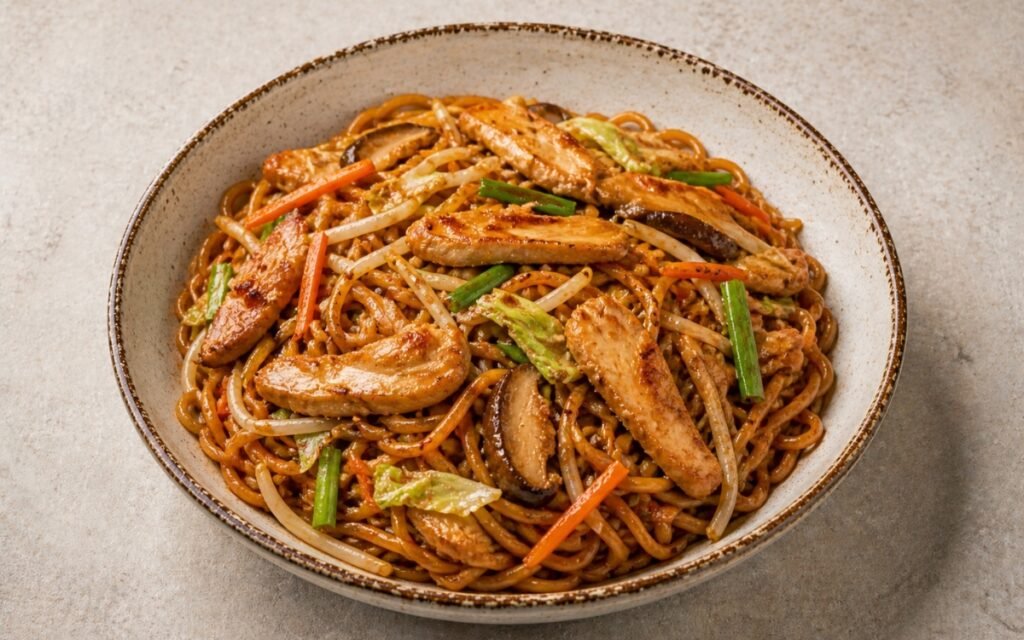
Easy Chicken Chow Mein Noodles
Hong Kong egg noodles crisped in a smoking-hot wok with seared chicken and vegetables — four-component soy sauce, cornstarch glaze, 35 minutes.
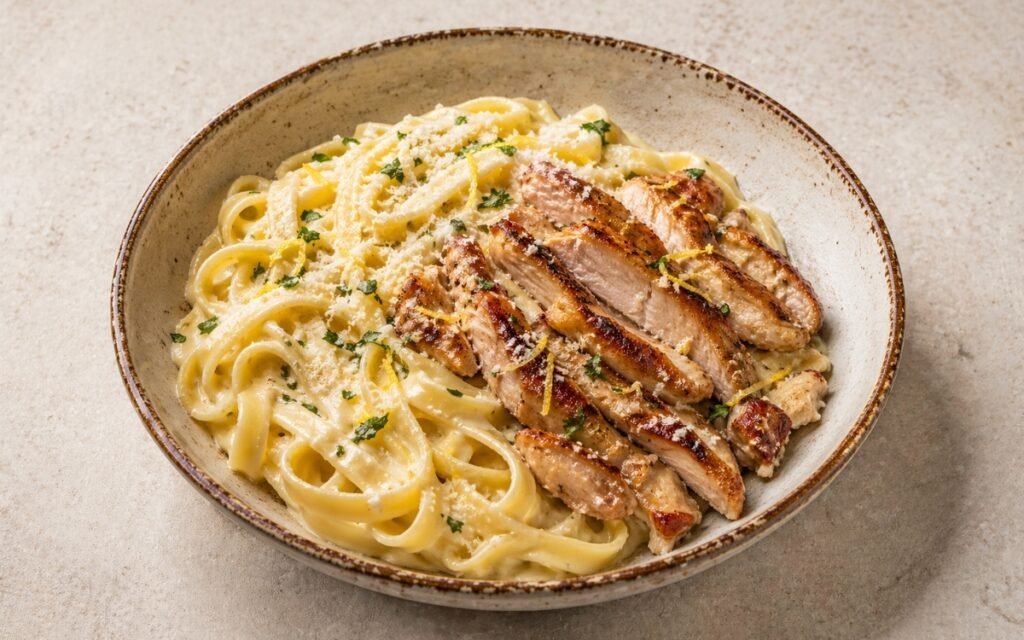
Chicken Fettuccine Alfredo
Seared chicken over fettuccine emulsified with butter, Parmigiano, and pasta water — the authentic no-cream Alfredo, 40 minutes.
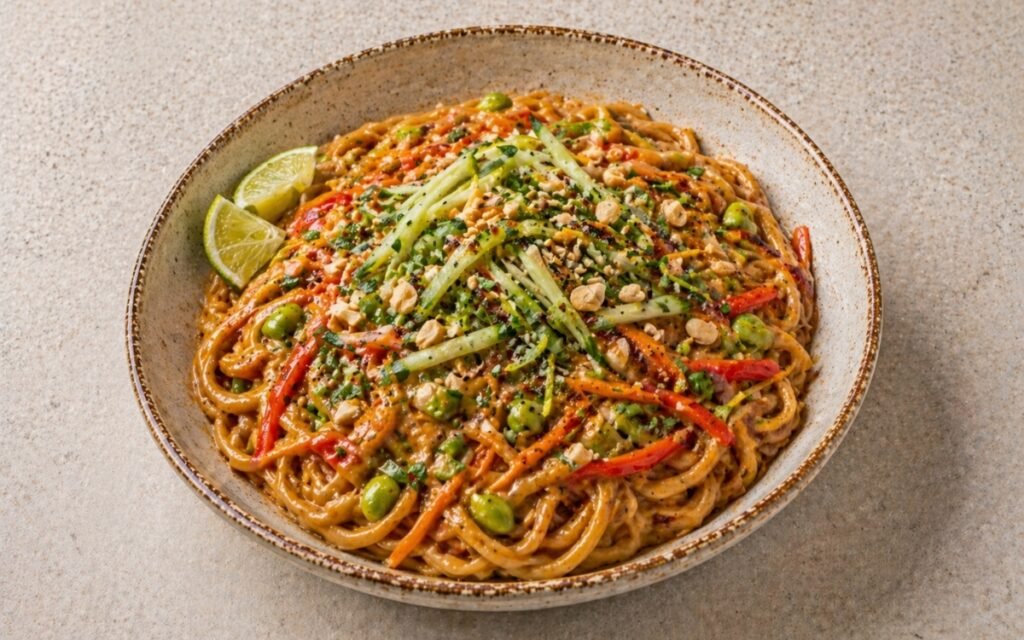
Spicy Peanut Butter Noodles
Udon in a peanut sauce spiked with bird’s eye chilies and Sichuan peppercorns — better the next day.
You might also like
You might also like
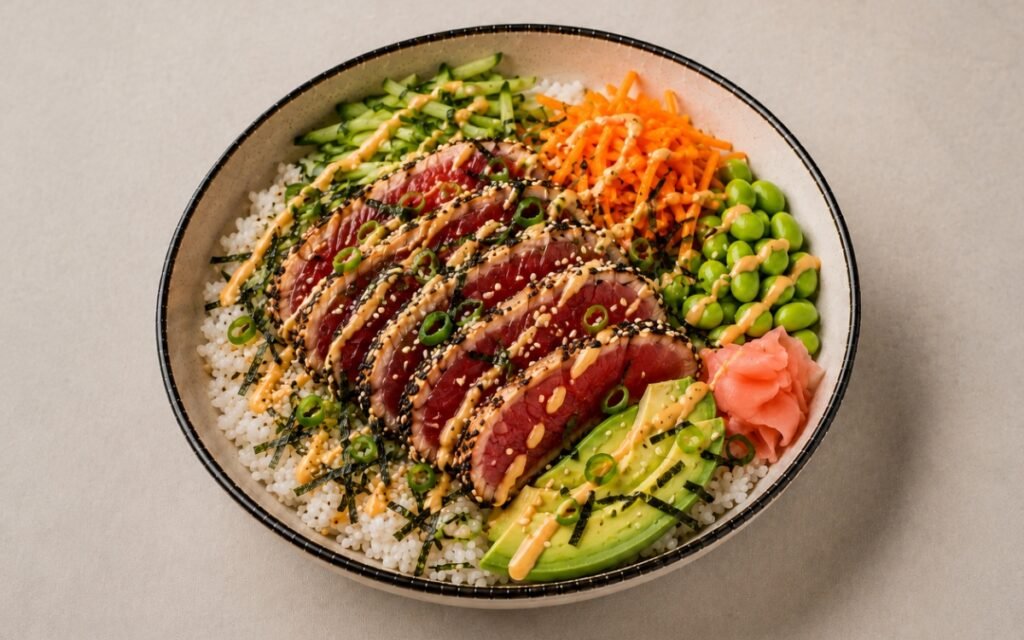
Spicy Tuna Rice Bowl
Sushi-grade tuna in a mixed sesame crust seared 45 seconds for a raw centre — over sushi rice with gochugaru-sriracha Kewpie mayo, avocado, cucumber, and pickled ginger. 45 minutes.
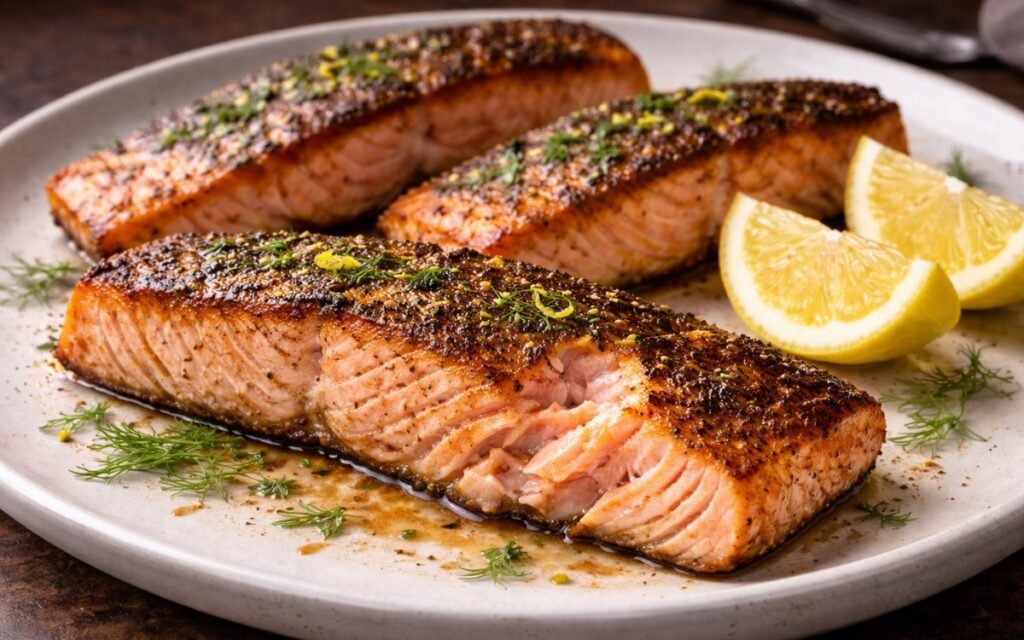
Grilled Salmon Fillets
Crispy-skinned grilled salmon with simple seasonings, perfectly cooked using a no-flip technique.
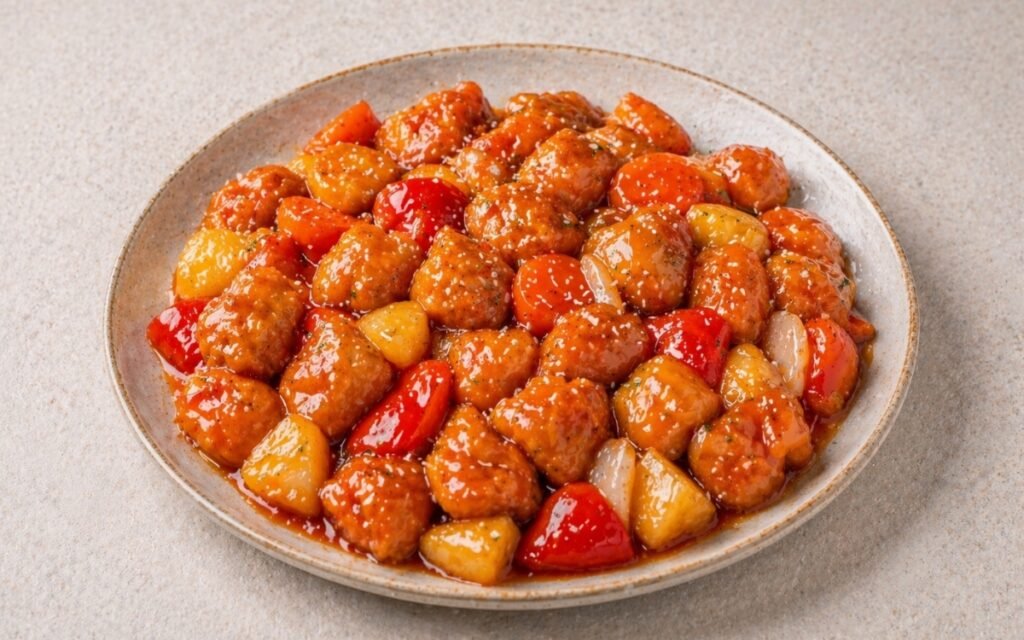
Sweet and Sour Chicken
Double-fried battered chicken thighs with pineapple and vegetables tossed in a glossy tangy-sweet sauce — the restaurant crispiness technique explained for home cooking in 50 minutes.
One-Pan Sausage Tomato Pasta
Ingredients
Method
- Heat a large, deep sauté pan or braiser — 12-inch minimum, as the rigatoni and all the liquid will cook in this single vessel — over medium-high heat. Add 20ml of the olive oil and allow to heat until shimmering. Crumble the 400g of Italian sausage with casings removed directly into the pan, breaking it into rough, irregular bite-sized chunks with a wooden spoon rather than fine crumbles — the larger chunks maintain their presence in the finished dish and provide distinct, textural pieces of sausage rather than disappearing into the sauce. Leave undisturbed for 3–4 minutes without stirring — the sustained contact with the hot pan surface is what produces the deep golden-brown sear that contributes the fond and the caramelised meat flavour that defines this recipe’s depth. After 3–4 minutes, break the larger pieces into smaller ones and continue cooking for a total of approximately 5 minutes until golden and well-rendered. The sausage must be deeply browned — not simply cooked through — because its caramelised surfaces and the fond they leave on the pan are the primary flavour contribution that the onion, wine, and tomatoes subsequently build on. Transfer the browned sausage with a slotted spoon to a plate, leaving all the rendered sausage fat in the pan. Do not drain this fat — it is the flavoured cooking medium for everything that follows.
- Reduce the heat to medium. Add the 120g of finely diced yellow onion to the rendered sausage fat. Cook, stirring occasionally, for approximately 4 minutes until completely softened and translucent — the onion softens readily in the hot, richly flavoured sausage fat, absorbing its savoury character while its own natural sugars begin to develop. Add the 16g of thinly sliced garlic and 3g of red pepper flakes simultaneously. Cook for 1 minute, stirring continuously — the garlic blooms its aromatic compounds into the hot fat in this 60-second window, and the red pepper flakes’ fat-soluble capsaicin distributes evenly through the surrounding sausage fat and olive oil. Add the 40g of tomato paste and stir it into the onion-garlic mixture. Press the tomato paste against the hot pan surface and allow it to sit briefly before stirring — 2 minutes of cooking, with intermittent stirring and pressing, converts the raw tomato paste’s sharp, slightly acidic character into a brick-red, caramelised, concentrated tomato depth through direct contact with the hot pan. This caramelised tomato paste is the flavour bridge between the sausage’s savory richness and the San Marzano tomatoes’ fresh acidity — without this caramelisation step the sauce tastes assembled rather than developed.
- Pour in the 240ml of dry white wine. Immediately scrape the bottom of the pan firmly — the wine dissolves every bit of fond from the sausage sear and the caramelised tomato paste into the developing sauce. Allow the wine to bubble vigorously for approximately 3 minutes, reducing by about half — the raw alcohol edge should completely cook off and the wine should smell of concentrated fruit rather than raw spirit. Add the 800g of hand-crushed San Marzano tomatoes with all their juices — hand-crushing each tomato over the pan produces a varied texture with some identifiable pieces and some sauce, more visually interesting than pre-crushed tomatoes and providing distinct tomato texture in the finished dish. Add the 480ml of chicken stock, the 2 rosemary sprigs, 6g of the salt, and 3g of black pepper. Stir to combine everything into the braising liquid that the pasta will cook in. The liquid volume is calibrated for the amount of pasta — the 480ml of stock, 240ml of wine, and the tomato juice together provide the correct absorption volume for 320g of rigatoni to cook through fully while the sauce simultaneously reduces to the correct coating consistency.
- Add the 320g of uncooked rigatoni directly to the pan, pushing it down into the liquid with a wooden spoon until it is mostly submerged. This is the technique that defines the dish — pasta cooked directly in a flavoured sauce rather than plain boiling water absorbs the sauce’s flavour throughout its entire structure, every grain of starch swelling with the tomato-wine-chicken stock-sausage fat cooking liquid rather than with plain water. Simultaneously, the starch released from the pasta during cooking dissolves into the surrounding sauce rather than being drained away — progressively thickening and enriching it with each passing minute. Bring to a vigorous simmer over medium-high heat, then reduce to medium to maintain a steady, active simmer. Cook uncovered, stirring every 2–3 minutes — stirring prevents the pasta from sticking to the bottom of the pan as the liquid reduces and the sauce thickens, and also redistributes the liquid so every piece of pasta cooks evenly rather than the submerged pieces absorbing all the liquid while the top pieces cook more slowly. The total cooking time is 14–16 minutes. As the pasta approaches al dente, the sauce will be noticeably thicker and glossier than when the pasta first went in — the starch release has emulsified the tomato, fat, and stock into a unified, coating sauce. If the liquid reduces too aggressively before the pasta is cooked through, add additional chicken stock in 60ml increments. If the sauce remains too thin when the pasta reaches al dente, increase the heat slightly and stir constantly for 2–3 additional minutes.
- When the rigatoni is al dente and the sauce clings to the pasta in a glossy, concentrated coating, remove and discard the rosemary sprigs — they have given their aromatic contribution during the cooking and their woody stem and needles should not appear in the finished dish. Return the browned sausage pieces and every accumulated juice from their resting plate to the pan. The resting juices contain rendered sausage fat and concentrated protein that enrich the sauce at the final stage. Add the remaining 40ml of olive oil — this finishing olive oil, added off the main cooking heat, emulsifies into the starchy tomato sauce and adds a smooth, fruity richness that the olive oil cooked from the beginning of the recipe no longer provides in its raw form. Add the 80g of finely grated Pecorino Romano. Toss vigorously — the Pecorino’s salt, fat, and protein combine with the starchy, concentrated tomato sauce to produce a smooth, creamy coating without any added cream. The pasta’s own starch is the emulsifier; the Pecorino is the body and flavour. Taste and adjust with the remaining 2g of salt if needed.
- Remove from the heat and fold in the 20g of torn fresh basil leaves — the residual heat wilts them gently and releases their volatile aromatic compounds into the sauce’s surface without the darker, more concentrated character that cooking basil directly produces. Allow to rest for 2 minutes — the brief rest allows the starchy sauce to settle and thicken very slightly around each piece of rigatoni, improving its cling and making the plated portions more visually cohesive. Serve immediately in shallow bowls. Add additional finely grated Pecorino Romano over each portion. Drizzle a small amount of the best olive oil available over each bowl at serving.