
Huli Huli Chicken Rice Bowl
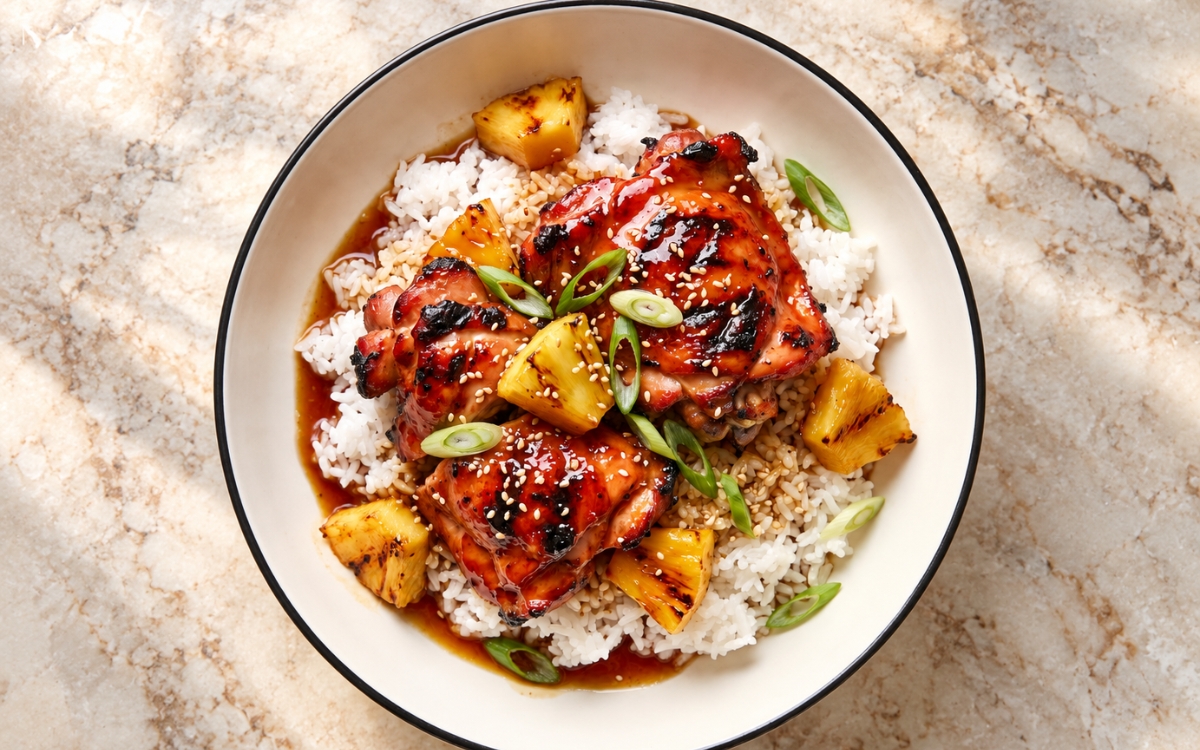
Hawaiian-style grilled Huli Huli chicken rice bowls built from juicy, deeply charred boneless chicken thighs lacquered in a sticky pineapple-soy glaze, served over fluffy steamed white rice with caramelised grilled pineapple, sliced scallions, and toasted sesame seeds, the key being the contrast between smoky char, sweet fruit, and a salty-tangy finish. Reserving a clean portion of the marinade before it ever touches raw chicken and reducing it separately into a finishing glaze, rather than basting with the used marinade, is the technique this whole bowl depends on for a safe, glossy, properly sticky coating — marinade that has soaked raw thighs makes a thin, muddy sauce and a food-safety risk, the same reserve-it-before-raw-contact principle used elsewhere in this collection whenever a marinade must double as a sauce. Marinating for 2 hours, rather than overnight, is what lets the pineapple juice and soy season the thighs without turning the surface soft. Cooking over medium-high heat and glazing only in the last few minutes is what builds char first and lacquer second, before the sugars can burn. The payoff is a bowl with real, layered contrast — smoky, caramelised chicken under a shiny sweet-salty glaze, warm grilled pineapple, fluffy rice, and the fresh crunch of scallion and sesame.

Prep Time : 20 min
Total Time : 2 hr 50 min
Servings : 4
20 min
2 hr 50 min
4
Ingredients
For the Chicken
• 900g boneless skinless chicken thighs
For the Huli Huli Marinade and Glaze
• 160ml pineapple juice
• 80ml soy sauce
• 70g brown sugar
• 60ml ketchup
• 2 tbsp rice vinegar or apple cider vinegar
• 1 tbsp Worcestershire sauce
• 4 garlic cloves, finely grated or minced
• 2 tsp fresh ginger, finely grated
• 1 tbsp neutral oil
• 1 tsp toasted sesame oil
• ½ tsp black pepper
For the Rice
• 300g white rice, preferably jasmine or another long or medium grain white rice
• 450–500ml water
• ½ tsp salt
For the Pineapple and Garnish
• 250–300g fresh pineapple, cut into bite-size chunks
• 2 tsp neutral oil, for brushing if needed
• 3 scallions, thinly sliced
• 2 tsp toasted sesame seeds
Directions
- Make the Marinade and Reserve the Glaze
In a large bowl or jug, whisk together the pineapple juice, soy sauce, brown sugar, ketchup, vinegar, Worcestershire sauce, garlic, ginger, neutral oil, sesame oil, and black pepper until the sugar is mostly dissolved. Measure out about 120ml, roughly a quarter of the mixture, into a small saucepan and set it aside. Pour the remaining marinade over the 900g of chicken thighs in a bowl or zip bag and coat every piece thoroughly. The mixture should taste strongly sweet, salty, and acidic at this point, since it mellows with cooking. That reserved portion is what keeps the finishing glaze clean, because it never touches raw chicken. - Marinate the Chicken
Cover the bowl or seal the bag and refrigerate the chicken for 2 hours, turning it once if you can so both sides stay in contact with the liquid. If your schedule demands it, the chicken can stay up to 8 hours, but not much longer. After that point the pineapple juice begins to soften the surface of the meat too much, leaving it slightly mushy instead of springy. That shorter window is what gives the thighs real flavour without losing their bite. - Cook the Rice
Rinse the 300g of rice under cold water until it runs mostly clear, then drain well. Combine it in a pot or rice cooker with the water, using 450ml for jasmine and up to 500ml for a firmer medium grain, plus the ½ tsp salt. Bring a pot to a boil, cover tightly, and cook on low for about 12 minutes until tender, or follow your rice cooker. Keep it covered off the heat for 10 minutes before fluffing. That covered rest is what lets the grains finish steaming evenly, so they stay fluffy and separate rather than wet or compacted. - Reduce the Glaze
Place the saucepan with the reserved clean marinade over medium heat and bring it to a simmer. Cook for 6–10 minutes, stirring occasionally, until the sauce turns glossy and lightly thickened and coats the back of a spoon while remaining pourable. If it reduces too far, loosen it with 1–2 tsp water. It will thicken a little more as it cools, so stop while it still flows. That restraint is what keeps the glaze clinging to the chicken instead of setting into candy. - Grill the Chicken
Lift the chicken from the marinade and let the excess drip off, so the pieces are coated but not dripping wet. Grill over medium-high heat, or cook in a grill pan or heavy skillet, for about 5–7 minutes per side depending on thickness. During the last few minutes, brush with some of the reduced glaze and turn once or twice to build a lacquered finish. Cook until the thickest piece reaches 74°C / 165°F, then rest on a plate for 5 minutes. That order of char first and glaze last is what gives a sticky finish without burnt sugar. - Grill the Pineapple
While the chicken rests, grill or sear the pineapple chunks for 1–2 minutes per side until lightly caramelised with dark golden spots. Brush very lightly with the neutral oil only if the pieces stick to the grates or pan. Keep the chunks intact and juicy, pulling them as soon as the edges colour rather than cooking them until limp. That short, hot contact is what concentrates the sweetness while preserving the fresh pineapple character against the savoury chicken. - Slice and Assemble
Slice or chunk the rested chicken into large bite-size pieces, then divide the fluffy rice among 4 bowls. Top each bowl with the chicken and several grilled pineapple chunks, about one quarter of each per serving. Spoon a little extra glaze over the chicken and let a small amount run onto the rice, leaving a modest glossy pool rather than a drenching. Finish with the sliced scallions and toasted sesame seeds just before serving. That late garnish is what keeps the scallions fresh and crisp against the warm, sticky chicken.
*Notes :
- Reserving the glaze portion before the chicken goes in deserves genuine recognition as the technique most directly responsible for whether the finishing sauce is safe and clean-tasting. Marinade that has soaked raw thighs carries raw-chicken juices and a diluted flavour, whereas the untouched portion reduces into a bright, glossy glaze that can be brushed on and spooned over the finished bowl.
- The 2-hour marinade deserves the same attention this technique receives throughout this collection’s other marinated dishes, because acidic fruit juice works quickly on meat. Two hours seasons the surface of the thighs and builds real flavour, while a much longer soak can start breaking the outside down, leaving a mushy, slightly stringy texture that grills poorly.
- Using medium-high rather than aggressive high heat deserves genuine respect as the detail most directly responsible for avoiding burnt exteriors on raw centres. Brown sugar and pineapple juice caramelise and then scorch fast, so a moderate fire lets the chicken cook through while the glaze, brushed on late, sets into lacquer instead of acrid black patches.
- The 74°C / 165°F reading and the 5-minute rest deserve attention as a genuine, checkable readiness cue rather than guessing from colour alone. Deeply caramelised outsides can hide an undercooked centre, and a short rest lets the juices redistribute through the meat, so every slice stays moist and tender instead of leaking onto the rice.
Why This Recipe Works
This recipe works because a punchy pineapple-soy marinade seasons the thighs while a clean reserved portion is set aside to become the glaze. Two hours in the marinade flavours the meat without softening its surface, and medium-high grilling builds char before the sugars scorch. Brushing the reduced glaze on during the last few minutes lays down a sticky lacquer, while a 5-minute rest keeps the juices in. Grilled pineapple, fluffy rice, and fresh scallions then balance the sweet, smoky, salty chicken, so the finished bowl tastes layered and bright rather than heavy.
Ingredient Breakdown
Reserved Clean Glaze (120ml)
The critical technique — set aside before touching raw chicken, it reduces into a glossy, safe finishing sauce that clings to every piece.
Boneless Skinless Chicken Thighs
The critical ingredient choice — richer dark meat stays juicy under high heat and takes the sweet, sticky glaze without drying out.
Pineapple Juice and Soy Sauce
The flavour foundation — fruity sweetness and savoury depth tenderise the surface of the meat and form the signature sweet-salty-tangy base.
Brown Sugar and Ketchup
The structural choice — together they supply caramelisation, body, and a slight tang, helping the reduced glaze turn shiny and sticky.
Garlic, Ginger, and Worcestershire Sauce
The core aroma stage — they add pungent warmth and savoury depth, keeping the sweet marinade from tasting flat.
Grilled Pineapple
The finishing touch — quick charring caramelises its sugars, adding a warm, juicy sweetness that echoes the marinade and cuts through the richness.
Flavor Structure Explained
This huli huli chicken rice bowl follows a layered balance model:
- Neutral, fluffy foundation (steamed white rice, rice-cooking salt)
- Smoky, juicy core (grilled chicken thighs, caramelised char)
- Sweet, sticky glaze (pineapple juice, brown sugar, ketchup, soy sauce)
- Tangy, aromatic lift (rice vinegar, garlic, ginger, Worcestershire sauce)
- Fresh, caramelised finish (grilled pineapple, scallions, toasted sesame seeds)
Fluffy rice gives the bowl a soft, neutral base that catches every drop of glaze. Grilled thighs form the smoky, juicy centre, while pineapple, sugar, ketchup, and soy build the sticky sweetness over it. Vinegar, garlic, ginger, and Worcestershire sauce keep that sweetness from turning heavy, and grilled pineapple repeats the fruit note in a warmer, caramelised form. Scallions and toasted sesame add the fresh, nutty crunch that ties the bowl together.
Common Mistakes to Avoid
- Basting With Used Marinade – This carries raw-chicken juices onto the finished meat and gives a thin, unsafe sauce. Always reserve the glaze portion before the marinade touches the chicken.
- Marinating Far Too Long – This lets the pineapple juice soften the surface until it turns mushy and slightly stringy. Always keep to 2 hours, and stop at 8 hours at the very most.
- Grilling Over Aggressive High Heat – This burns the sugary exterior before the centre cooks through, leaving bitter black patches. Always use medium-high heat and check for 74°C / 165°F.
- Glazing Too Early – This scorches the sugars before the chicken is cooked and wastes the sticky finish. Always build the char first and brush on the reduced glaze in the last few minutes.
- Over-Reducing the Glaze – This turns it into a thick, candy-like paste that will not spoon or brush smoothly. Always stop while it coats a spoon yet pours, and loosen with 1–2 tsp water.
Variations
Skin-On Version
Use skin-on thighs and grill them skin-side first over moderate heat, so the fat renders and the skin browns without scorching the sugars in the marinade.
Skillet Version
Cook the chicken in a heavy skillet or grill pan and wipe off more of the excess marinade first, so the thighs sear and char rather than steam.
Spicy Version
Stir 1 tsp of chili flakes or a spoonful of hot sauce into the reserved glaze before reducing it, adding a gentle, building heat to the sweet pineapple-soy finish.
Longer Marinade Version
Marinate the chicken for up to 8 hours in the refrigerator for deeper flavour, but no longer, since the pineapple juice can then soften the surface too much.
Storage & Make-Ahead
Marinate the chicken and cook the rice ahead of time, then reduce the glaze fresh and grill the chicken just before serving, since this order keeps the char and the sticky finish at their best.
Refrigerate leftover grilled chicken in an airtight container for up to 3 days, and reheat it gently in a skillet or low oven with a splash of water until hot throughout.
Cool the cooked rice quickly within an hour, refrigerate it for up to 2 days, and reheat it with a spoonful of water in the microwave until steaming hot and fluffy again.
Keep any leftover reduced glaze in a small jar in the refrigerator for up to 3 days, and warm it gently, loosening with a little water, before spooning it over reheated chicken.
Grill the pineapple fresh, because it softens and loses its caramelised edges quickly once stored, and add the scallions and sesame seeds only when the bowls are assembled so they stay crisp and bright.
Frequently Asked Questions
Why is part of the marinade set aside before the chicken goes in?
Marinade that touches raw chicken cannot be served as a sauce without extra boiling, so reserving a clean portion first gives a safe, bright glaze that reduces glossy without any raw-chicken juices.
Why is the chicken marinated for only 2 hours instead of overnight?
Pineapple juice is acidic and works quickly, so 2 hours seasons the thighs without softening the surface, while a much longer soak can leave the texture mushy.
Why is the glaze brushed on only during the last few minutes of grilling?
The marinade contains sugar, which scorches quickly over heat, so building char first and glazing late gives a sticky, lacquered finish instead of a burnt, bitter exterior.
Why should excess marinade drip off the chicken before it goes on the grill?
Extra liquid makes the chicken steam rather than char, especially in a skillet, so letting it drip off helps the thighs brown and develop that smoky, caramelised crust.
Are there other classic Hawaiian chicken, rice bowl, or plate-lunch dishes worth trying?
Hawaiian Shoyu Chicken Rice Bowl offers another classic Hawaiian chicken direction worth exploring, and Teriyaki Chicken Rice Bowl is worth trying for another glazed bowl. Hawaiian Macaroni Salad and Hawaiian Garlic Shrimp Bowl round out the plate-lunch side, while Grilled Hot Honey Chicken Thighs offers another grilled direction.
Nutrition Facts
( Per Serving )
Calories
~770 kcal
Protein
48 g
Fat
20 g
Carbs
100 g
Calories
~770 kcal
Protein
48 g
Fat
20 g
Carbs
100 g
Related Recipes
Related Recipes
-

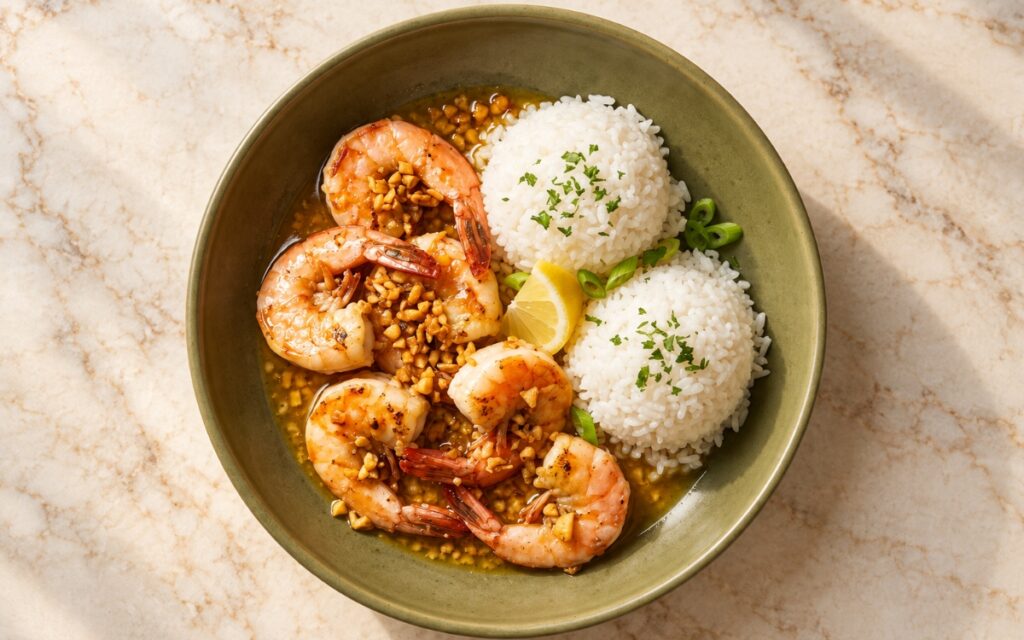
Hawaiian Garlic Shrimp Bowl
Seared shell-on shrimp tossed in golden garlic butter, served beside two scoops of fluffy white rice with a lemon wedge, parsley, and scallions.
-
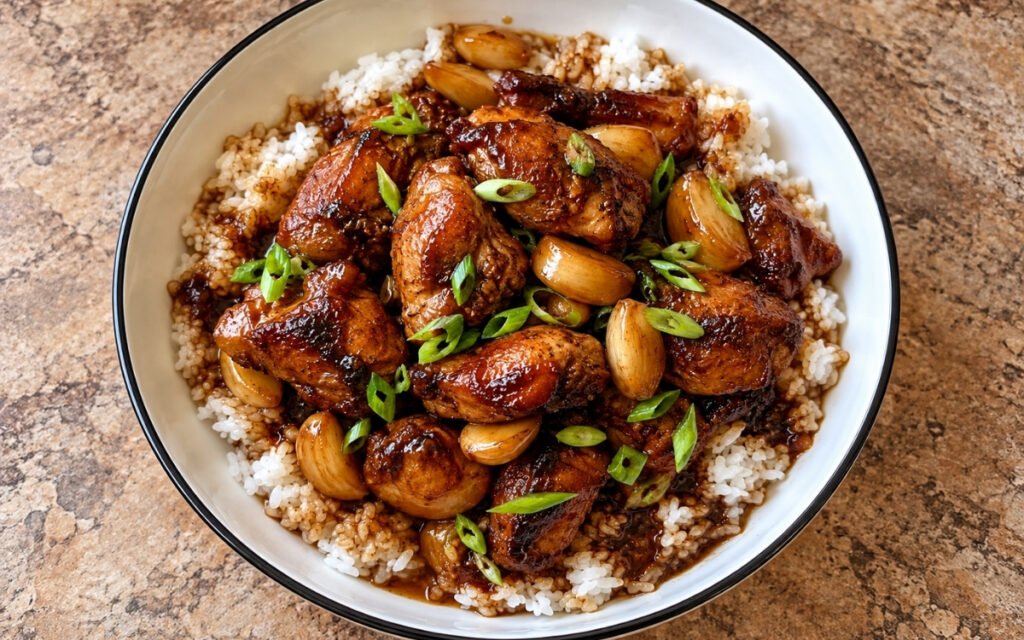
Chicken Adobo Rice Bowl
Boneless chicken thighs braised in soy sauce, vinegar, garlic, bay leaf and black pepper until deeply savory and glossy, spooned over rice.
-
Salmon Cobb Salad
Chickpeas, cherry tomatoes, cucumber, red onion, parsley, and mint dressed with lemony olive oil, topped with warm grilled halloumi.
You might also like
You might also like
-
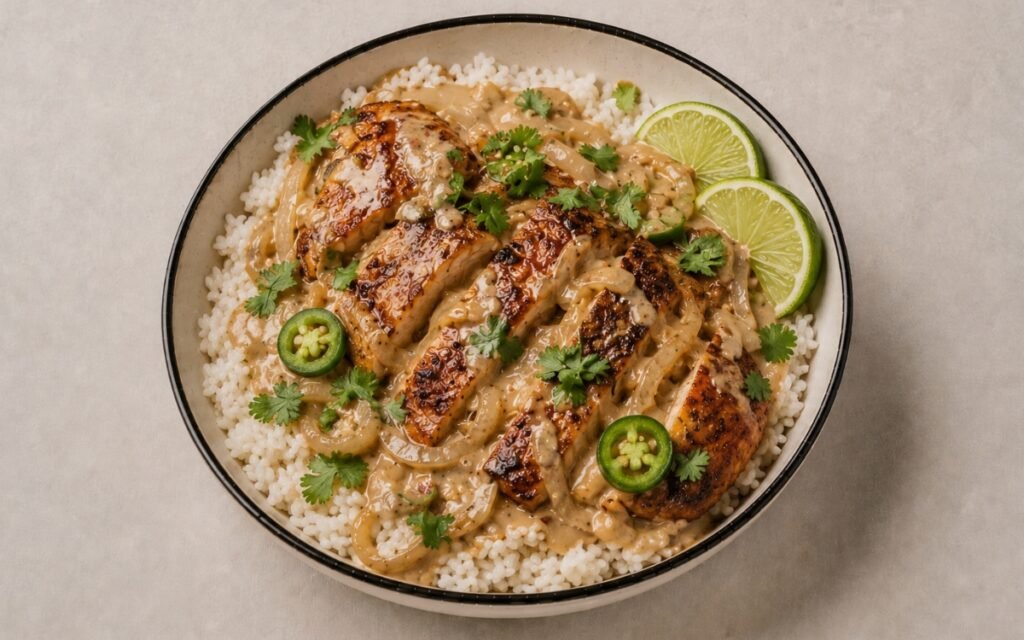
Creamy Coconut Chicken Rice Bowl
Seared chicken thighs simmered in coconut cream, ginger, lime, and soy sauce built in the same skillet — over coconut-lime jasmine rice. 45 minutes and better the next day.
-
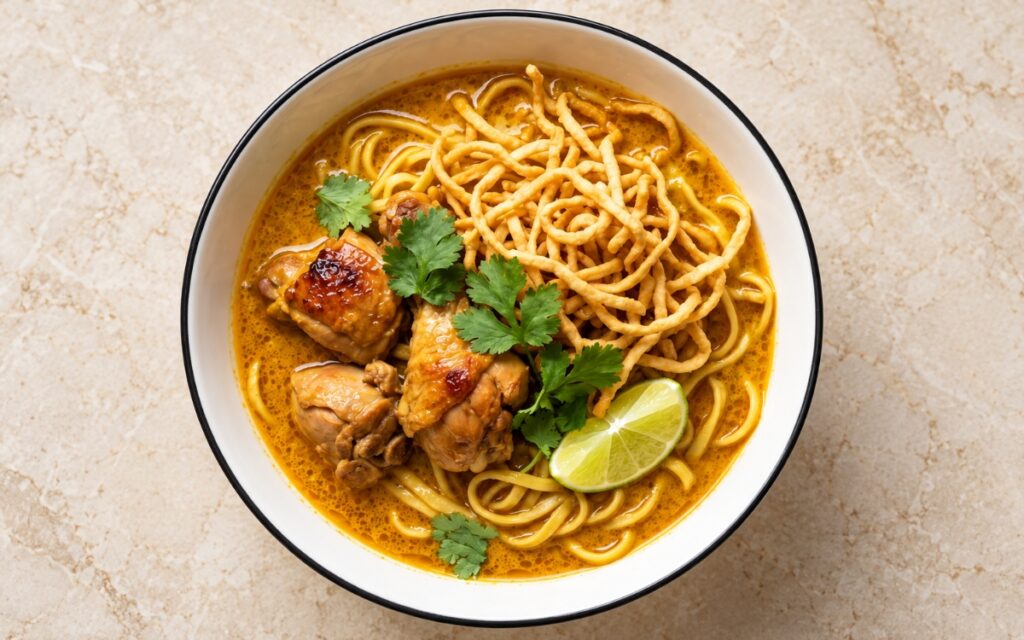
Khao Soi Chicken Curry Noodles
Chicken thighs in a golden coconut curry broth over egg noodles, topped with crisp fried noodles, cilantro, lime and sharp pickled garnishes.
-
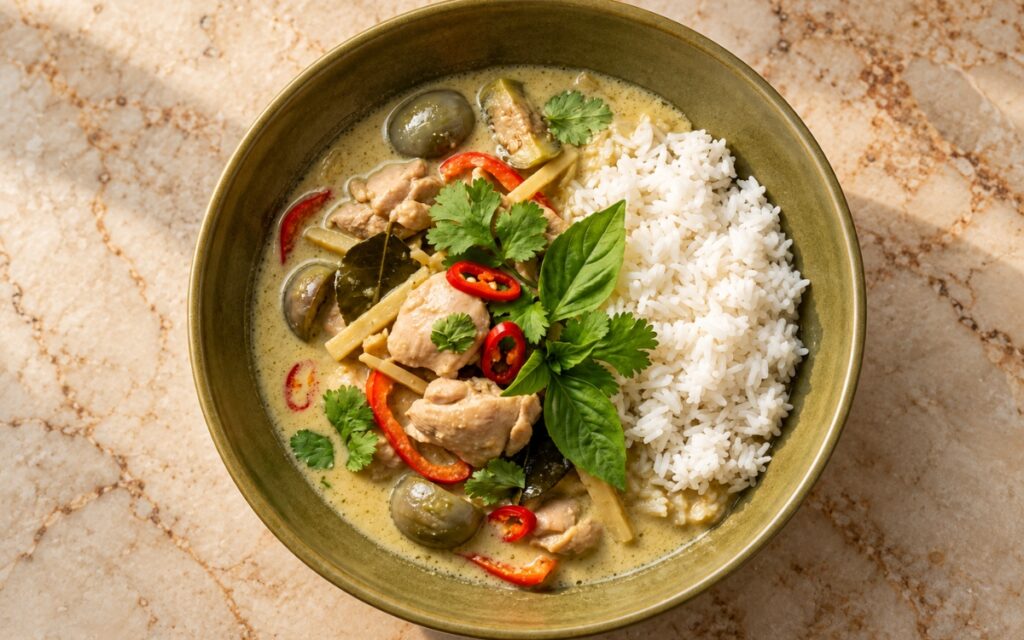
Thai Green Curry Chicken
Chicken thighs simmered in a creamy green coconut curry with Thai eggplant, red pepper, lime leaves and Thai basil, served with jasmine rice.
Huli Huli Chicken Rice Bowl
Ingredients
Method
- In a large bowl or jug, whisk together the pineapple juice, soy sauce, brown sugar, ketchup, vinegar, Worcestershire sauce, garlic, ginger, neutral oil, sesame oil, and black pepper until the sugar is mostly dissolved. Measure out about 120ml, roughly a quarter of the mixture, into a small saucepan and set it aside. Pour the remaining marinade over the 900g of chicken thighs in a bowl or zip bag and coat every piece thoroughly. The mixture should taste strongly sweet, salty, and acidic at this point, since it mellows with cooking. That reserved portion is what keeps the finishing glaze clean, because it never touches raw chicken.
- Cover the bowl or seal the bag and refrigerate the chicken for 2 hours, turning it once if you can so both sides stay in contact with the liquid. If your schedule demands it, the chicken can stay up to 8 hours, but not much longer. After that point the pineapple juice begins to soften the surface of the meat too much, leaving it slightly mushy instead of springy. That shorter window is what gives the thighs real flavour without losing their bite.
- Rinse the 300g of rice under cold water until it runs mostly clear, then drain well. Combine it in a pot or rice cooker with the water, using 450ml for jasmine and up to 500ml for a firmer medium grain, plus the ½ tsp salt. Bring a pot to a boil, cover tightly, and cook on low for about 12 minutes until tender, or follow your rice cooker. Keep it covered off the heat for 10 minutes before fluffing. That covered rest is what lets the grains finish steaming evenly, so they stay fluffy and separate rather than wet or compacted.
- Place the saucepan with the reserved clean marinade over medium heat and bring it to a simmer. Cook for 6–10 minutes, stirring occasionally, until the sauce turns glossy and lightly thickened and coats the back of a spoon while remaining pourable. If it reduces too far, loosen it with 1–2 tsp water. It will thicken a little more as it cools, so stop while it still flows. That restraint is what keeps the glaze clinging to the chicken instead of setting into candy.
- Lift the chicken from the marinade and let the excess drip off, so the pieces are coated but not dripping wet. Grill over medium-high heat, or cook in a grill pan or heavy skillet, for about 5–7 minutes per side depending on thickness. During the last few minutes, brush with some of the reduced glaze and turn once or twice to build a lacquered finish. Cook until the thickest piece reaches 74°C / 165°F, then rest on a plate for 5 minutes. That order of char first and glaze last is what gives a sticky finish without burnt sugar.
- While the chicken rests, grill or sear the pineapple chunks for 1–2 minutes per side until lightly caramelised with dark golden spots. Brush very lightly with the neutral oil only if the pieces stick to the grates or pan. Keep the chunks intact and juicy, pulling them as soon as the edges colour rather than cooking them until limp. That short, hot contact is what concentrates the sweetness while preserving the fresh pineapple character against the savoury chicken.
- Slice or chunk the rested chicken into large bite-size pieces, then divide the fluffy rice among 4 bowls. Top each bowl with the chicken and several grilled pineapple chunks, about one quarter of each per serving. Spoon a little extra glaze over the chicken and let a small amount run onto the rice, leaving a modest glossy pool rather than a drenching. Finish with the sliced scallions and toasted sesame seeds just before serving. That late garnish is what keeps the scallions fresh and crisp against the warm, sticky chicken.