Homemade Beef Chili
Homemade beef chili is a thick, glossy brick-red American-style pot of 85/15 ground beef, whole red kidney beans, diced green bell peppers, white and red onions, and tomatoes, built on a deeply seasoned chili spice blend and finished with sharp cheddar, cold sour cream, scallions, and cilantro. Browning the beef in three separate batches, rather than tipping all 1200g into the pot at once, is the technique this whole chili depends on for its deep, roasted-meat character and dark crust — an overcrowded pot drops in temperature and the beef steams grey in its own juices, the same give-every-piece-direct-heat principle used elsewhere in this collection whenever meat must brown rather than boil. Blooming the spices and cooking the tomato paste in the rendered fat is what turns raw, dusty flavours into a rounded, dark base. Adding the kidney beans and the reserved peppers late, only for the final reduction, is what keeps them whole, tender, and visibly green. The payoff is a chili with real, layered body — crusted beef crumbles, tender beans, soft onions, and a thick tomato-chili sauce that mounds on the spoon.

- Prep Time : 25 min
- Total Time : 2 hr 55 min
- Servings : 8
Ingredients
For the Beef
- 1200g ground beef, 85/15
- 1 tbsp neutral oil, only if needed for browning
- 1 tsp kosher salt
- ½ tsp freshly ground black pepper
For the Vegetables and Aromatics
- 1 large white onion (about 200g), finely diced
- 1 medium red onion (about 150g), finely diced
- 2 medium green bell peppers (about 300g total), diced into 5–8mm cubes
- 6 garlic cloves, finely minced
- 2 tbsp neutral oil, only if needed after browning the beef
For the Chili Spice Blend
- 3 tbsp American-style chili powder (a mild chili seasoning blend, not pure ground hot chili)
- 2 tsp ground cumin
- 2 tsp sweet paprika
- 1 tsp smoked paprika
- 2 tsp dried oregano
- ½ tsp cayenne pepper, optional
- 1 tsp freshly ground black pepper
- 1½ tsp kosher salt, plus more to taste
For the Tomato and Bean Base
- 800g canned crushed tomatoes
- 400g canned diced tomatoes, with their juices
- 60g tomato paste
- 3 × 400g cans red kidney beans, drained and rinsed (about 720g drained total)
- 300ml low-sodium beef stock
- 1 tbsp Worcestershire sauce
- 2 bay leaves
- 1–2 tsp apple cider vinegar, only if needed for final seasoning
For the Garnish
- 160g sharp cheddar cheese, freshly shredded
- 200g full-fat sour cream
- 4 scallions, finely sliced into thin rings
- 25g fresh cilantro, roughly chopped, with a few small leaves left intact
Directions
- Prepare the Ingredients
Finely dice the white and red onions into small, fairly uniform pieces, then dice the green peppers into 5–8mm cubes and set aside about one-quarter of them for the later stages. Mince the garlic. In a small bowl, stir together the chili powder, cumin, both paprikas, oregano, cayenne if using, black pepper, and 1½ tsp salt. Drain and rinse the beans, and have the tomatoes, paste, stock, and Worcestershire sauce open and measured. That preparation is what lets the browning and blooming stages move quickly, since neither can be left unattended. - Deeply Brown the Ground Beef
Set a heavy 5.5–7 litre Dutch oven over medium-high heat until it is thoroughly hot, adding a little neutral oil only if the beef sticks. Divide the 1200g beef into three batches of about 400g. Spread the first batch in a loose layer, press it lightly, and leave it undisturbed for 2–3 minutes until a dark golden crust forms. Turn and break it into coarse, irregular crumbles, cook 3–5 minutes more until most released moisture has evaporated, season lightly from the 1 tsp salt and ½ tsp pepper, and transfer to a bowl. Repeat twice, keeping the juices with the meat. Leave about 2 tbsp rendered fat in the pot and pour off any significant excess. That crust is what gives the chili its roasted-meat depth. - Cook the Onions and Green Bell Peppers
Reduce the heat to medium and add the white and red onions to the rendered fat. Cook for 5–6 minutes, stirring occasionally, until softened and lightly golden but not dark. Add about three-quarters of the diced peppers and cook 3–4 minutes more, until they begin to soften but still hold their cube shape. Stir in the garlic and cook for 30–45 seconds, just until fragrant. If the pot looks dry, add a small splash of stock and scrape up the browned beef residue. That residue on the base of the pot is what carries concentrated flavour into the vegetables, so it should never be discarded. - Toast the Spices and Concentrate the Tomatoes
Add the spice blend to the vegetables and stir constantly for 30–45 seconds, until intensely aromatic, lowering the heat first if the pot is smoking. Stir in the tomato paste and cook for 2–3 minutes, stirring often, until it darkens from bright red to a deeper rust colour and loses its raw smell. Pour in about 100ml of the stock and scrape the base of the pot thoroughly with a wooden spoon. The mixture should look dark, reddish-brown, and concentrated. That brief cooking in fat is what drives off raw tomato acidity and rounds out the spices. - Build the Chili
Return all the browned beef and its juices to the Dutch oven and stir until every crumble is coated in the spiced vegetable mixture. Add the crushed tomatoes, the diced tomatoes with their juices, the remaining 200ml stock, the Worcestershire sauce, and the bay leaves, then stir from the bottom so everything combines evenly. Bring to a gentle simmer over medium heat, then reduce to low. The chili will look looser than the final target, which is intended. That generous starting liquid is what leaves room for a long reduction instead of a scorched, dry pot. - Slow-Simmer and Develop Flavour
Partially cover the pot, leaving a small gap for steam, and simmer very gently over low heat for 65–75 minutes. Stir every 15–20 minutes, scraping across the base so the tomatoes do not catch, and keep the surface to a slow, occasional bubble rather than a rolling boil. If the sauce tightens before the beef is tender, add 30–60ml of water. Taste after about an hour, adjusting cautiously. The sauce should thicken steadily and turn glossy. That low, steady heat is what lets the flavours integrate while the meat stays moist. - Add the Kidney Beans and Finish Reducing
Remove the lid, add the drained beans and the reserved green peppers, and fold them in gently so the beans stay whole. Simmer uncovered for 30–40 minutes, stirring occasionally, until the excess liquid has evaporated and the sauce is thick, glossy, and clinging to the meat and beans. Remove the bay leaves, then taste and adjust the salt, pepper, and chili seasoning. If it tastes heavy or flat, stir in 1–2 tsp cider vinegar gradually. If it is still watery, keep simmering in 5–10 minute intervals. That late addition is what keeps the beans intact and the peppers visibly green. - Rest the Chili
Turn off the heat and let the chili rest for 10 minutes, uncovered or loosely covered, then stir it gently once. The bubbling settles, the sauce tightens slightly, and a few reddish juices may separate on the surface, which is normal. Skim off only genuinely excessive fat, since a little glossy fat adds flavour and sheen. That short rest is what lets the sauce set to a spoonable, mounding texture before any cold garnish touches it. - Garnish and Serve
Leave the chili in the open Dutch oven and scatter the chopped cilantro and sliced scallions over the surface, keeping plenty of beef, beans, and vegetables visible. Pile the freshly shredded cheddar loosely over one section and add a rounded dollop of cold sour cream beside it, then dot a few extra scallion rings and cilantro leaves around the garnishes. Divide into 8 portions, giving each some cheddar, sour cream, and herbs. That cold, thick sour cream and freshly shredded cheese are what contrast with the hot, rich chili.
*Notes :
- Browning the beef in three separate batches deserves genuine recognition as the technique most directly responsible for the chili’s deep, roasted-meat character. An overcrowded pot cools sharply and the beef releases its moisture and steams, so the very same ingredients end up tasting like ground beef simmered in tomato sauce rather than a properly built chili.
- Toasting the spices in hot fat deserves the same attention this technique receives throughout this collection’s other slow-simmered stews and braises. Fat carries the fat-soluble aromatic compounds of chili powder, cumin, and paprika, whereas spices stirred into cold liquid taste dusty and flat, and spices left in a too-hot dry pot scorch and turn bitter.
- Adding the kidney beans only after the long, acidic simmer deserves genuine respect as the detail most directly responsible for whole, tender beans. Beans cooked for over an hour in acidic tomatoes split and collapse into the sauce, so adding them for the final 30–40 minutes keeps their skins intact and their texture distinct.
- Reducing the sauce until it mounds on the spoon deserves attention as a genuine, checkable readiness cue rather than a loose approximation. This chili thickens through evaporation alone, with no flour or cornstarch, so a chili that still flows like soup simply needs more uncovered simmering in short intervals.
Why This Recipe Works
This recipe works because every layer of flavour is built in the order it responds best to heat. Browning the beef in batches creates a dark, caramelised crust, and the onions, peppers, and garlic pick up the browned residue left in the pot. Blooming the spices and cooking the tomato paste turns raw seasonings into a rounded, dark base. A long, gentle simmer and a late uncovered reduction then produce a thick, glossy sauce that clings to tender, whole beans and crusted beef, and a cold cheddar and sour cream finish adds a sharp, cooling contrast to every spoonful.
Ingredient Breakdown
Batch-Browned Ground Beef (85/15)
The critical technique — its fat and three small batches build a dark crust without drying the meat.
Blooming the Chili Spice Blend
The critical technique — toasting the spices in rendered fat releases their aroma and gives the chili its rounded flavour.
Tomato Paste (Cooked Until Rust-Red)
The core flavour-building stage — frying it removes raw acidity and adds a concentrated, savoury sweetness.
Late-Added Kidney Beans
The critical timing technique — adding them near the end keeps them whole, tender, and distinct from the sauce.
Reserved Green Bell Peppers
The critical safeguard — holding back a quarter preserves recognisable green cubes and a fresh vegetal note.
Sharp Cheddar and Cold Sour Cream
The finishing touch — they add a sharp, tangy, cooling contrast to the rich, deeply seasoned chili.
Flavor Structure Explained
This homemade beef chili follows a layered balance model:
- Savoury, roasted foundation (browned 85/15 ground beef and rendered fat)
- Sweet, aromatic base (white and red onions, green bell peppers, and garlic)
- Warm, earthy spice depth (chili powder, cumin, both paprikas, oregano, and cayenne)
- Rich, tangy body (crushed and diced tomatoes, tomato paste, Worcestershire, and kidney beans)
- Cool, fresh finish (sharp cheddar, sour cream, scallions, and cilantro)
Browned beef provides the savoury, roasted foundation of the whole pot, while onions, peppers, and garlic add a soft sweetness. The spice blend gives warmth and earthy depth, and tomatoes, paste, Worcestershire, and beans build a rich, slightly tangy body. Cheddar, sour cream, scallions, and cilantro add a cool, fresh, sharply tangy finish that cuts through the richness and ties this homemade beef chili together.
Common Mistakes to Avoid
- Browning All the Beef at Once – This crowds the pot, so the meat steams and turns grey instead of forming a crust. Always brown it in three batches.
- Mincing the Beef Too Fine – This produces a granular, pasty texture that disappears into the sauce. Always break it into a mix of small and medium crumbles.
- Adding the Beans Too Early – This lets them split and dissolve during the long simmer. Always fold them in for the final 30–40 minutes.
- Burning the Spices in a Dry Hot Pot – This turns the blend bitter and acrid. Always lower the heat first and stir constantly for 30–45 seconds.
- Thickening with Flour or Cornstarch – This dulls the flavour and gives a pasty, gluey body. Always reduce the sauce uncovered until it mounds on the spoon.
Variations
Hotter Version
Increase the cayenne to 1 tsp or stir in extra ground dried chilies during the spice stage, which adds heat without changing the beef, tomato, and bean character of the chili.
Beanless Version
Leave out the three cans of kidney beans and simmer uncovered a little longer, giving a meatier, thicker chili closer to a bowl of seasoned ground beef in tomato sauce.
Mixed-Bean Version
Replace one can of kidney beans with black beans or pinto beans, which adds a slightly creamier bite while the rest of the method and seasoning stay exactly the same.
Loaded Rice Version
Spoon the finished chili over steamed white rice instead of serving it alone, which stretches the pot further and softens the spice for a milder, more filling bowl.
Storage & Make-Ahead
Chili often tastes better the next day, so cook it up to two days ahead, cool it quickly, and refrigerate it in a covered container before reheating gently with a small splash of water if it has thickened.
Refrigerate the ungarnished chili for up to 4 days in airtight containers, because the cheese, sour cream, and herbs should only be added fresh at the table when the pot is hot.
Freeze the ungarnished chili in airtight, portioned containers for approximately 2–3 months, then thaw it overnight in the refrigerator so the sauce keeps its thick, glossy consistency when it is reheated.
Reheat the chili over low heat, stirring often, until it is steaming throughout, since fierce heat can scorch the thick tomato base on the bottom of the pot and turn the flavour bitter.
Shred the cheddar from a block just before serving, and keep the sour cream cold in the refrigerator until the last moment, so the garnish keeps its texture and contrast against the hot chili.
Frequently Asked Questions
Why does the beef need to be browned in three batches?
Overcrowding drops the pot temperature, so the meat releases moisture and steams instead of searing, whereas small batches keep the surface hot enough to form a dark, flavourful crust.
Why are the spices cooked in fat before any liquid is added?
Chili powder, cumin, and paprika release most of their aroma into hot fat, so blooming them for 30–45 seconds gives a deeper, rounder flavour than spices stirred straight into liquid.
Why are the kidney beans added after the long simmer?
Beans left in acidic tomatoes for over an hour split and break apart into the sauce, whereas adding them for only the final 30–40 minutes keeps them whole and tender.
Why is the chili reduced uncovered instead of thickened with flour?
Evaporation concentrates the tomato, beef, and spice flavour while thickening the sauce naturally, but flour or cornstarch would dilute that flavour and leave a pasty, starchy, gluey body.
Are there other classic bean, stew, or American comfort dishes worth trying?
Traditional Turkish Kuru Fasulye is a bean-based stew that shares chili’s slow simmer, and Mole de Olla is another slow-simmered stew worth comparing. Carne en su Jugo and Ropa Vieja Cubana are also worth trying for other bean and slow-cooked meat directions, while American Corn Dogs offers another classic American dish for the same table.
Nutrition Facts
( Per Serving )
- Calories
- ~560 kcal
- Protein
- 40 g
- Fat
- 30 g
- Carbs
- 33 g
-

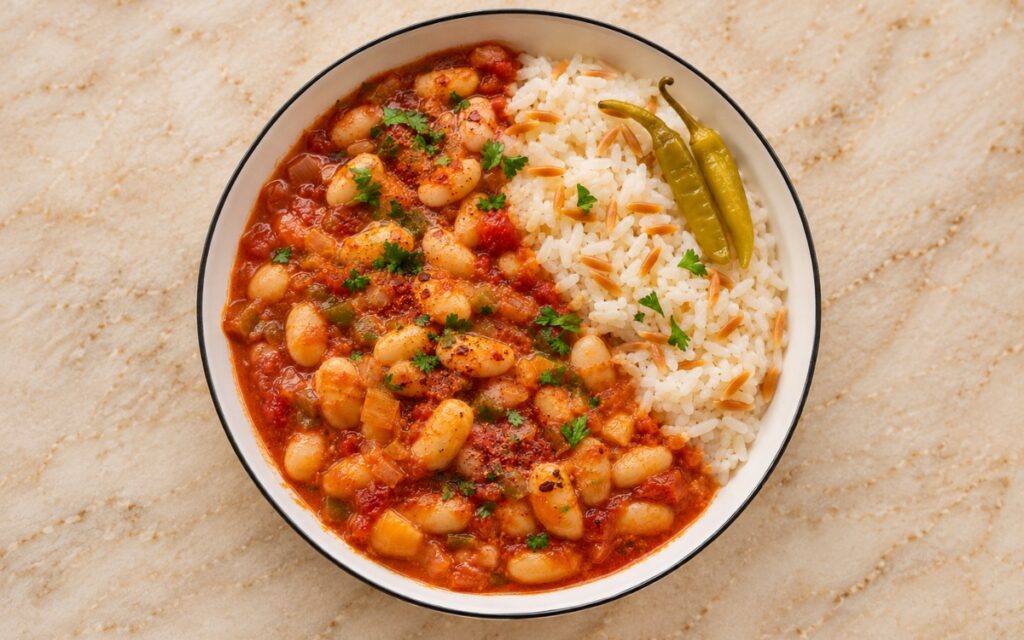
Traditional Turkish Kuru Fasulye
Turkish white beans simmered in a glossy tomato and sweet pepper paste sauce, served with buttery orzo rice pilav and pickled green peppers.
-
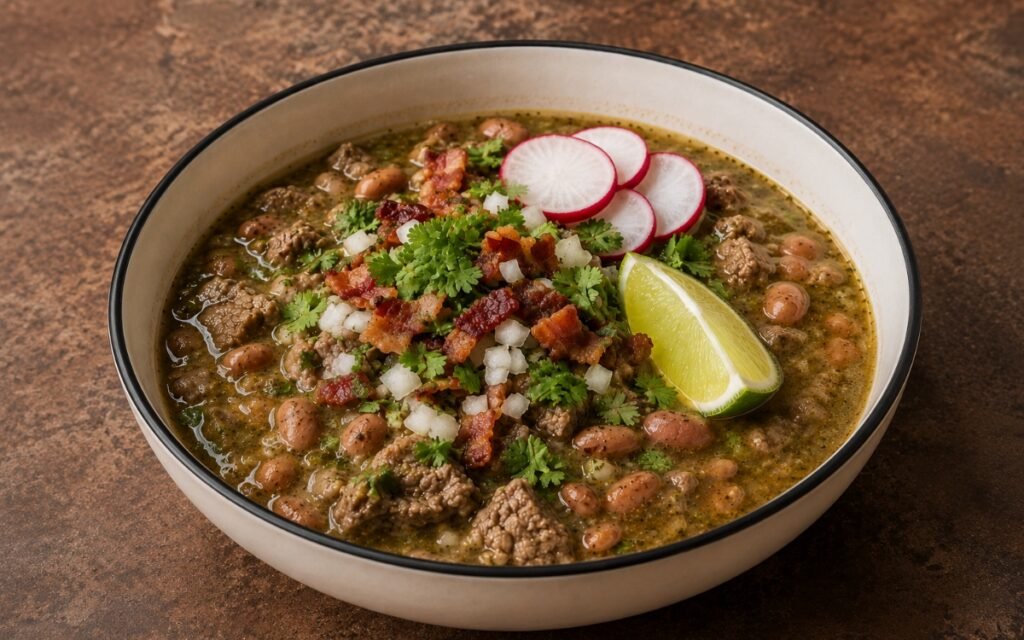
Carne en su Jugo
Finely chopped, batch-browned beef simmered briefly in a savory tomatillo broth with pinto beans, topped with crispy bacon and fresh garnishes.
-
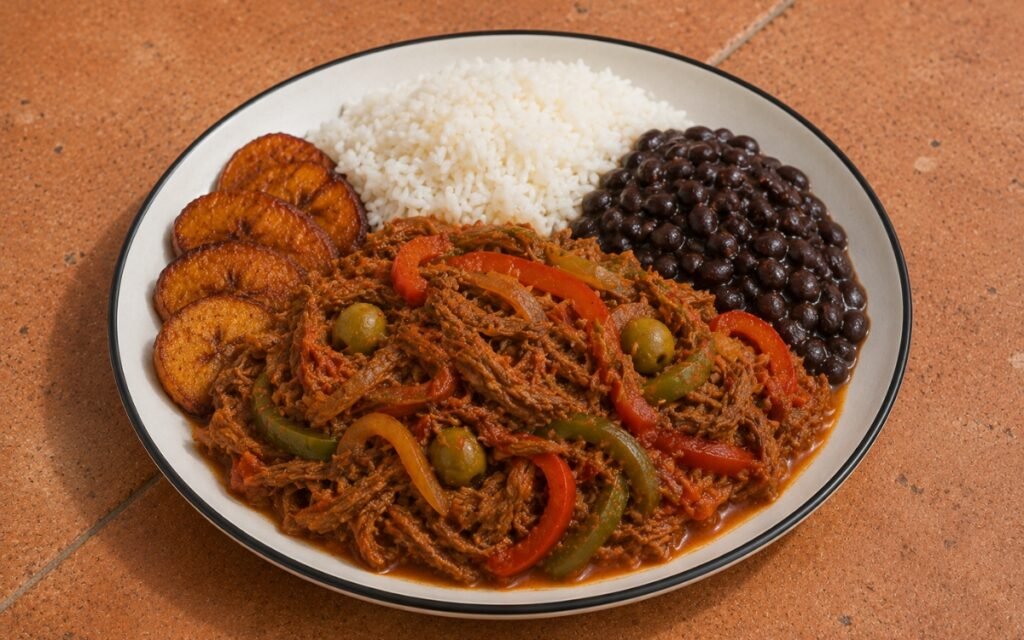
Ropa Vieja Cubana
Slow-braised, shredded beef simmered in a rich tomato sauce with peppers, onion, and green olives, served with white rice, black beans, and fried plantains.
-
American Corn Dogs
Smoked frankfurters dusted in flour, dipped in thick cornmeal batter, and deep-fried until deeply golden, crisp, and slightly bumpy.
-
Dal Makhani
Classical-style dal makhani with whole black lentils and kidney beans, slow-cooked into a thick, velvety, creamy dal with butter and cream.
-
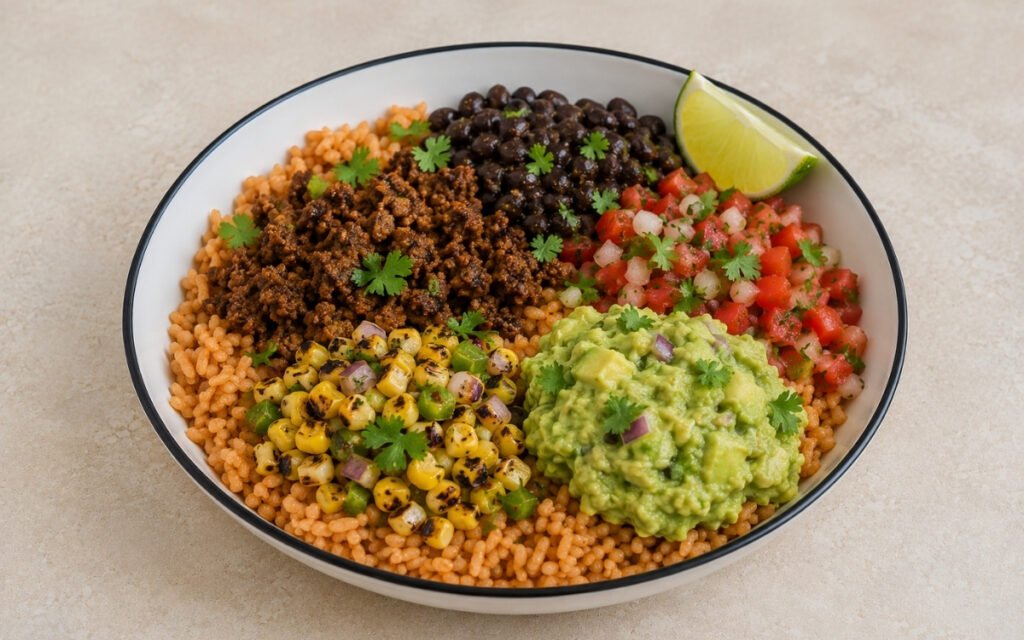
Beef Burrito Rice Bowl
Ground beef pressed flat in smoking cast iron, seared until deeply caramelised, then broken down and seasoned — over Mexican rice with spiced beans, pico, corn salad, guacamole, and cheese blend.