
Hibiscus Lime Fizz Mocktail
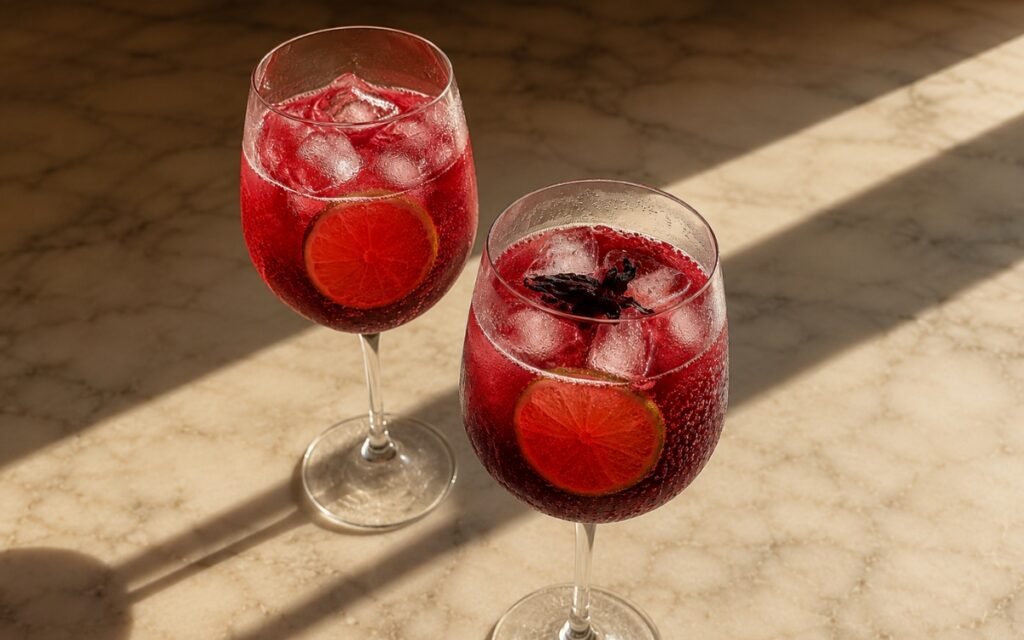
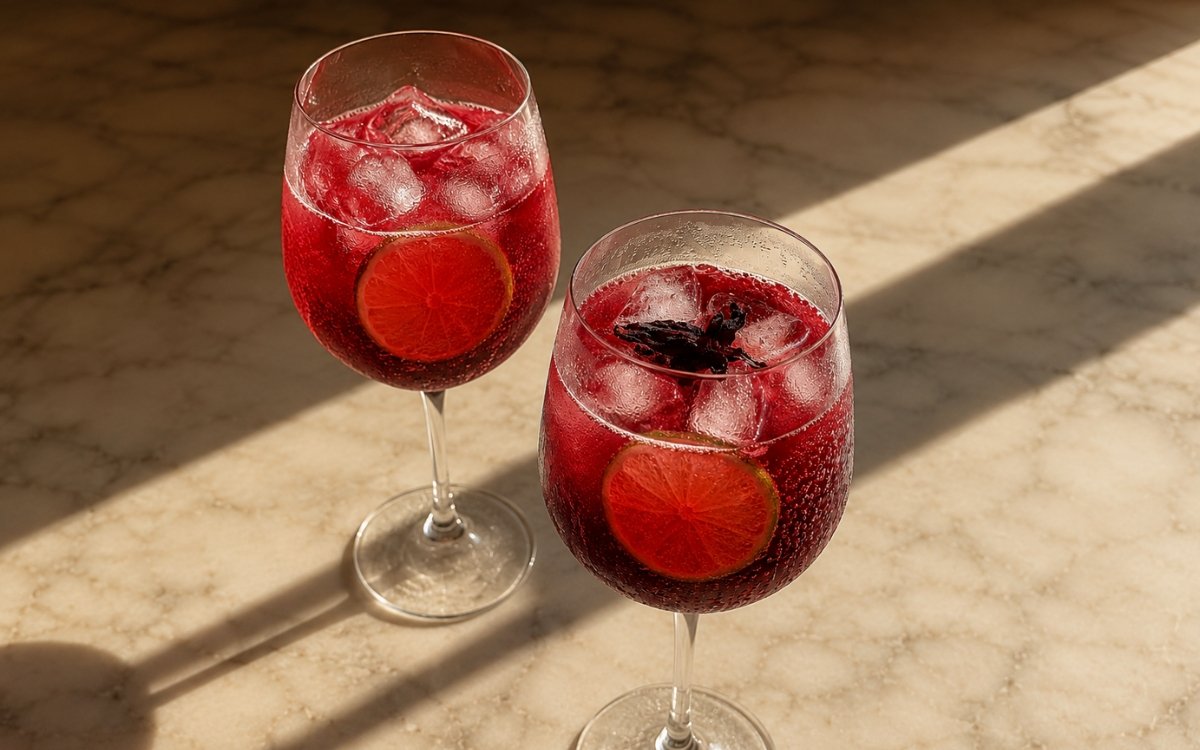
Hibiscus Lime Fizz Mocktail is a ruby-magenta sparkling drink built from a strong hibiscus concentrate sweetened with honey, scented with lime zest, brightened with fresh lime juice and topped with chilled club soda in large wine glasses, the key being a tart, floral base set against a clean, fizzy finish. Bringing the dried hibiscus just to a gentle simmer and steeping it off the heat, rather than boiling it, is the technique this whole drink depends on for its bright, intensely floral tartness — sustained heat drives off the volatile aromatics and replaces them with a cooked, jammy flatness, the same gentle-infusion principle that protects any delicate botanical whenever heat would dull its flavour. Stirring the honey in while the concentrate is still warm is what lets it dissolve completely without any further heating. Infusing the lime zest at 50–60°C and adding the lime juice only once the concentrate has cooled to room temperature is what keeps the citrus fragrant and fresh rather than dulled. The payoff is a drink with real, vivid character — deep ruby-magenta colour, sharp floral tartness, rounded honey sweetness, bright lime and a lively sparkling finish from first sip to last.
Prep Time : 10 min
Cook Time : 5 min
Servings : 4
10 min
5 min
4
Ingredients
For the Hibiscus Concentrate
• 20g dried hibiscus flowers — this one on Amazon
• 500ml water
• 60g honey — this one on Amazon
• Zest of ½ lime — added after steeping
• 60ml fresh lime juice — added after cooling
For the Garnish
• 4 thin lime slices
• 4 dried hibiscus flowers — optional, for floating among the ice
This post may contain affiliate links. As an Amazon Associate I earn from qualifying purchases, at no additional cost to you.
Directions
- Brew the Hibiscus Concentrate
Add the 20g of dried hibiscus flowers and 500ml of water to a medium saucepan and set it over medium heat, which takes about 5 minutes. Watch closely, as the water turns a deep red within the first minute from the hibiscus anthocyanin pigments, and the moment it reaches a gentle simmer — small bubbles at the edge, no rolling boil — remove the saucepan from the heat. Let the flowers steep off the heat for 10–15 minutes: at 10 minutes the concentrate is brighter and more delicate, and at 15 minutes it is deeper in colour and more assertively tart. That just-to-simmer, off-the-heat steep is what keeps the volatile floral aromatics in the liquid rather than driving them off into a cooked, jammy flatness. - Add the Honey
While the concentrate is still hot from steeping, stir in the 60g of honey until it has dissolved completely and no streaks remain at the bottom of the pan. The residual heat is enough, so the saucepan does not go back on the burner. Leave the sweetened concentrate to cool for 5–8 minutes, until it reaches roughly 50–60°C and feels warm to the touch but no longer hot. That warm stir-in is what gives even sweetness throughout, because honey added to cold liquid sinks and dissolves in pockets, and it avoids the extra heating that would dull the hibiscus. - Infuse the Lime Zest
Once the concentrate has cooled to roughly 50–60°C, add the zest of ½ lime and let it infuse for 5–10 minutes, stirring once or twice, until the liquid smells clearly of lime above the hibiscus. At this temperature the zest’s aromatic oils release into the liquid but do not evaporate on contact. That is what gives the concentrate a fragrant citrus thread that is separate from the sharp acidity of the juice, since the zest provides the fragrance and the juice provides the brightness. - Cool and Add the Lime Juice
Leave the concentrate to cool fully to room temperature, which takes a further 10–20 minutes, until the side of the saucepan feels neutral to the touch. Only then stir in the 60ml of fresh lime juice and taste, looking for a vivid, tart, floral concentrate with the honey rounding the edge and the lime sitting clearly on top. If it still feels warm, wait a few minutes more rather than adding the juice early. That room-temperature addition is what preserves the juice’s clean acidity, because warm liquid dulls fresh lime within the first minute of contact. - Strain and Chill
Strain the concentrate through a fine-mesh sieve into a clean jug, pressing gently on the flowers and zest to extract as much liquid as possible, and discard the solids. You should have roughly 500ml of concentrate, of which the four glasses use about 320–340ml. Cover the jug and refrigerate for at least 30 minutes, until thoroughly cold. That thorough chill is what stops the concentrate from melting the ice and flattening the club soda on contact. - Assemble and Serve
Fill four large wine glasses generously with ice cubes, then divide the chilled concentrate evenly among them, about 80–85ml per glass, and stir each briefly with a long spoon. Top each glass with about 125ml of chilled club soda, pouring gently down the inner side of the glass, and stir once or twice. Press a thin lime slice against the inside of each glass so it shows through the ruby liquid, and float a dried hibiscus flower on the ice if using. Keep the leftover concentrate, roughly 150–200ml, refrigerated. Serve immediately. That gentle pour, with the club soda added only at the glass, is what keeps the carbonation at full intensity.
*Notes :
- The just-to-simmer steep deserves genuine recognition as the technique most directly responsible for the drink’s floral brightness. Dried hibiscus owes its colour and tartness to anthocyanin-rich calyces, and sustained boiling drives off the volatile aromatics behind its floral quality while developing a cooked, jammy note that no later addition can cover.
- The temperature of each addition deserves the same attention that any careful infusion needs, because honey, zest and juice each behave differently as the concentrate cools. Honey dissolves in the residual heat, the zest releases its oils at 50–60°C, and the juice joins at room temperature, so every ingredient meets the liquid at the point that protects its character.
- The concentrate’s strength deserves genuine respect as the detail most directly responsible for the drink keeping its ruby colour once diluted. Only 80–85ml of the batch goes into each glass, so the concentrate must taste assertively tart on its own before the 125ml of club soda and melting ice soften it.
- The carbonation step deserves attention as a genuine, checkable stage rather than a loose habit, because the club soda goes in only at the glass, after the concentrate is thoroughly cold. Pouring it gently down the inner side of the glass and stirring just once or twice keeps the bubbles, whereas a warm concentrate or a forceful central pour releases them on contact.
Why This Mocktail Works
This recipe works because every addition meets the concentrate at the temperature that best protects it. The hibiscus is brought only to a simmer and steeped off the heat, so its floral aromatics stay in the liquid.
Honey dissolves in the residual warmth, lime zest releases its oils at 50–60°C, and lime juice joins only at room temperature, keeping its acidity clean.
A thorough chill then lets the concentrate meet the ice and the club soda without flattening the carbonation, so the finished glass is ruby-magenta, tart, honey-rounded, lime-bright and properly sparkling.
Ingredient Breakdown
Just-to-Simmer Hibiscus Steep
The critical technique — heating only to a gentle simmer, then steeping off the heat, keeps the bright floral tartness that boiling would turn jammy.
Honey Stirred In While Warm
The chosen sweetener — it dissolves fully in the residual heat, and its own floral warmth rounds the hibiscus more softly than neutral white sugar.
Lime Zest Infused at 50–60°C
The fragrance step — warm, not hot, liquid releases the zest’s aromatic oils without evaporating them, adding scent separate from the juice’s acidity.
Lime Juice Added at Room Temperature
The finishing acid — stirred into cooled concentrate, it keeps the fresh, sharp brightness that warm liquid would dull.
Chilled Club Soda Added at the Glass
The carbonation safeguard — added only after chilling and poured gently down the glass, it keeps the fizz lively for the first sip.
Large Wine Glass Format
The presentation choice — the wide bowl shows the ruby-magenta colour at its most striking and leaves room for the lime slice against the glass.
Flavor Structure Explained
This hibiscus lime fizz mocktail follows a layered balance model:
- Tart floral core (dried hibiscus flowers)
- Rounded sweet balance (honey)
- Bright citrus lift (lime zest, fresh lime juice)
- Crisp sparkling finish (chilled club soda)
- Vivid visual appeal (ruby-magenta colour, lime slice garnish)
Hibiscus defines the foundation with bold tartness and a floral character reminiscent of cranberry but more aromatic and expressive. Honey softens that intensity with rounded sweetness and subtle floral notes that complement rather than mask the hibiscus. Lime sharpens the profile with fragrant zest oils and clean juice acidity, keeping the drink vivid and focused. Club soda adds lively carbonation that lightens every sip, and the ruby-magenta colour completes the experience as the visual cue that ties this drink together.
Common Mistakes to Avoid
- Boiling the Hibiscus Instead of Steeping It – This drives off the floral aromatics and leaves a cooked, jammy note in the concentrate. Always remove the saucepan from the heat at the first gentle simmer.
- Adding the Honey to Cold Concentrate – This leaves the honey sinking in pockets and gives uneven sweetness in the glass. Always stir it in while the concentrate is still warm from steeping.
- Adding the Lime Juice While the Concentrate Is Warm – This dulls the juice’s fresh acidity and leaves a softer, less lime-forward flavour. Always wait until the concentrate has cooled to room temperature.
- Skipping the Chill Before Assembly – This lets a warm concentrate melt the ice and flatten the club soda on contact. Always chill the strained concentrate for at least 30 minutes.
- Pouring the Club Soda Straight Down the Centre – This releases the carbonation rapidly and leaves a flat drink. Always pour it gently down the inner side of the glass.
Variations
Fresh Mint Version
Add 4–6 fresh mint leaves to the warm concentrate with the lime zest and strain them out with the solids, giving a cooler, more herbal freshness alongside the hibiscus tartness.
Fresh Ginger Version
Add a 3cm piece of sliced fresh ginger to the saucepan with the hibiscus, giving a warmer, sharper and more complex drink that stays recognisably tart and floral.
Frozen Hibiscus Cubes Version
Freeze a small amount of the chilled concentrate in an ice cube tray and use the cubes instead of plain ice, so they deepen the colour and flavour as they melt rather than diluting the drink.
Sweeter Version
Increase the honey from 60g to 80g for a rounder, more approachable drink that puts the floral character ahead of the tartness, which suits anyone who finds the standard version too sharp.
Storage & Make-Ahead
Choose whole, deeply coloured dried hibiscus flowers and fresh limes for the concentrate, since the drink has so few ingredients that each one is clearly tasted in the finished glass.
The strained concentrate can be made ahead and refrigerated in a sealed jar for up to 5 days, so the cooling and chilling steps can be done well before guests arrive.
Because the four glasses use only about 320–340ml of the roughly 500ml batch, the leftover 150–200ml can stay in the refrigerator and be used for another round within the same 5 days.
Stir the stored concentrate well before using, as the honey may settle slightly at the bottom of the jar, and the vibrant colour and tart flavour should remain stable throughout the storage period.
Assembled drinks are not suitable for storage, so add the ice and club soda only at the moment of serving, while the carbonation is at full intensity.
Frequently Asked Questions
Why is the hibiscus brought only to a gentle simmer and then steeped off the heat?
Hibiscus’s bright, floral tartness comes from volatile aromatic compounds that sustained heat drives off. Removing the saucepan at the first simmer and steeping for 10–15 minutes extracts the colour and tartness while avoiding the cooked, jammy flatness that boiling develops.
Why is the honey stirred into the concentrate while it is still warm?
Honey dissolves immediately in warm liquid, using the residual heat from steeping with no extra time on the burner, whereas honey added to cold concentrate sinks and leaves uneven pockets of sweetness. Its floral warmth also rounds the hibiscus tartness more softly than neutral white sugar.
Why is the lime juice added only after the concentrate has cooled to room temperature?
Warm liquid breaks down the volatile aromatics that give fresh lime juice its clean, sharp character, leaving a softer and more muted flavour. Added to a cooled concentrate, the juice keeps its full bright acidity, while the zest infused earlier supplies the fragrance.
Why is the club soda added only in the glass rather than to the concentrate?
Carbonation escapes quickly once mixed, so the club soda goes in only after the concentrate is thoroughly chilled, poured gently down the inner side of the glass and stirred once or twice. Adding it to a warm concentrate or pouring it forcefully flattens the fizz.
Are there other classic hibiscus cooler, lemonade, or mocktail recipes worth trying?
Light Hibiscus Mint Cooler offers another classic hibiscus direction worth exploring. Hibiscus Strawberry Lemonade and Rose Hibiscus Mocktail are also worth trying for other fruity and floral directions, and Hibiscus Raspberry Ginger Cooler and Hibiscus Ginger Orange White Tea Cooler offer other ginger-accented drinks worth exploring.
Nutrition Facts
( per serving )
Calories
~32 kcal
Protein
0 g
Fat
0 g
Carbs
9 g
Calories
~32 kcal
Protein
0 g
Fat
0 g
Carbs
9 g
Related Recipes
Related Recipes

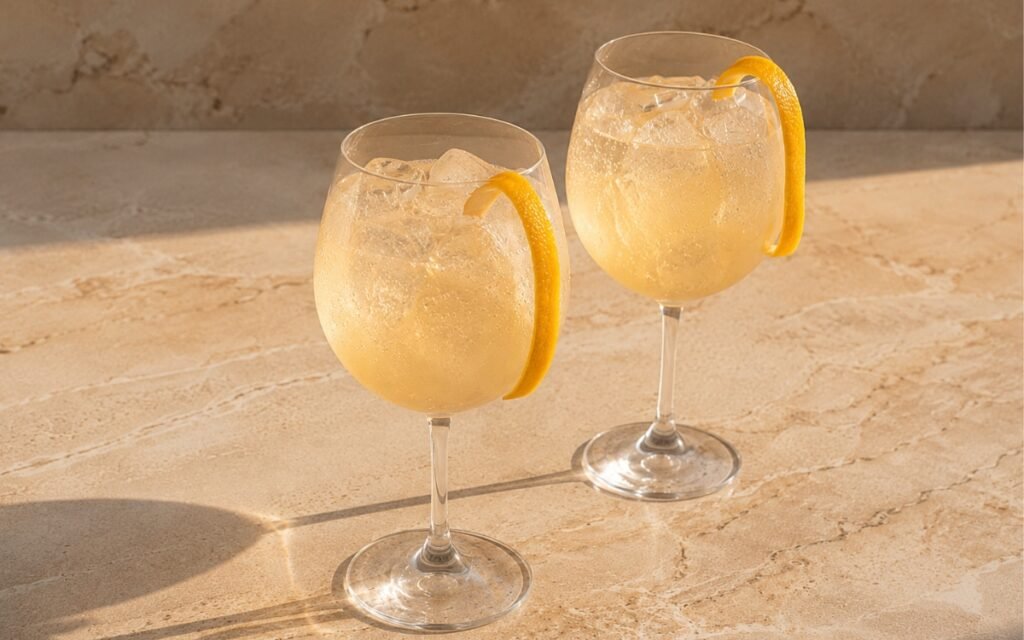
Orange Blossom Fizz Mocktail
Fresh citrus and honey with orange blossom water over club soda — floral and pale gold.
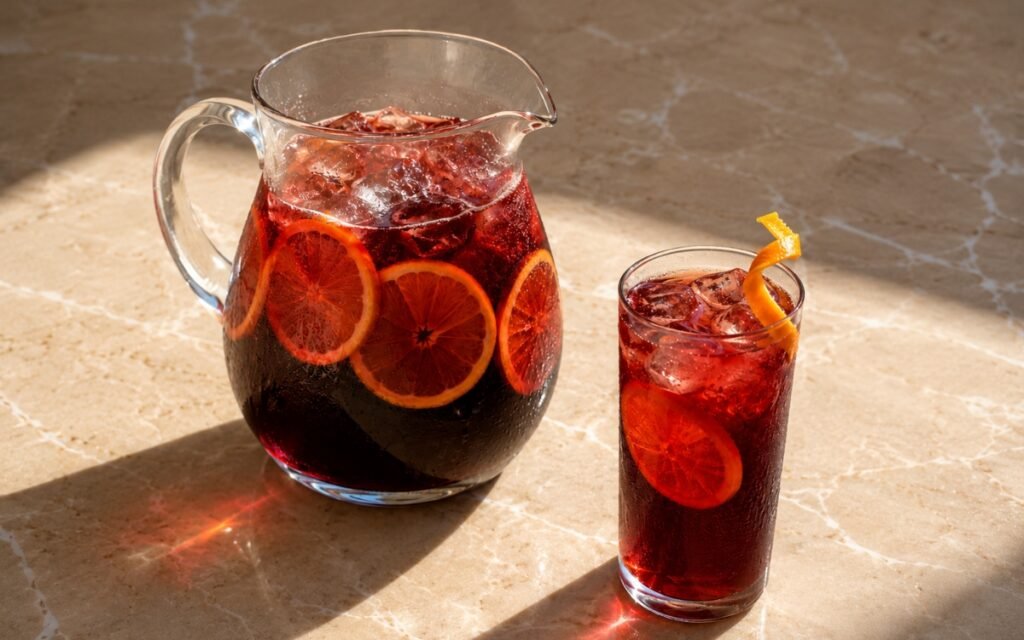
Virgin Spanish Sangria
Wine-like citrus mocktail with macerated fruit and verjus, lightly tannic, bright, festive, and convincingly grown-up.
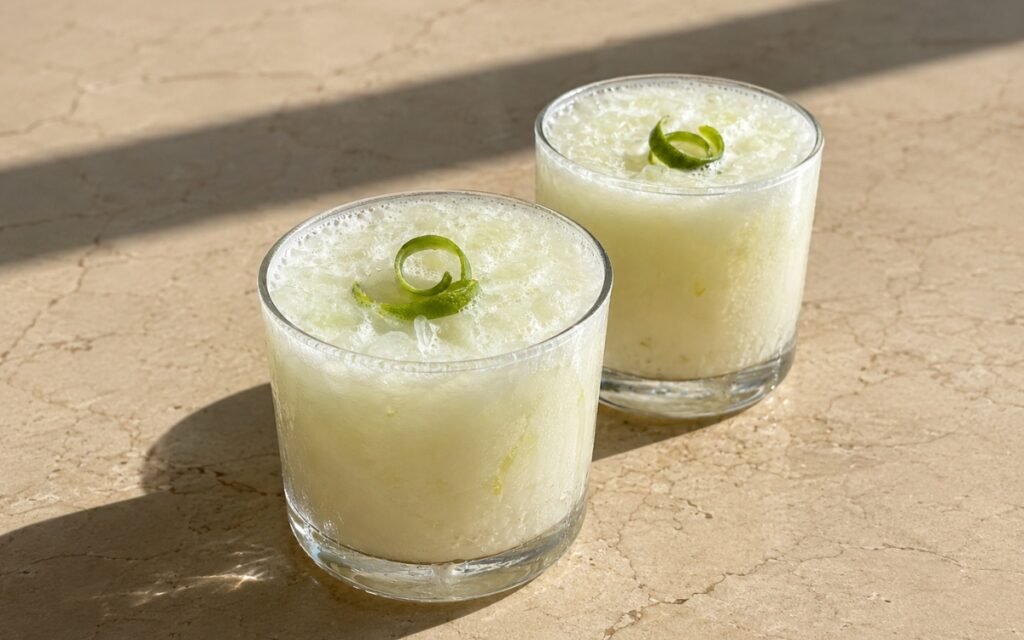
Brazilian Lemonade
Creamy lime-zest lemonade with condensed milk, bright and smooth, rich yet refreshing without bitterness.
You might also like
You might also like
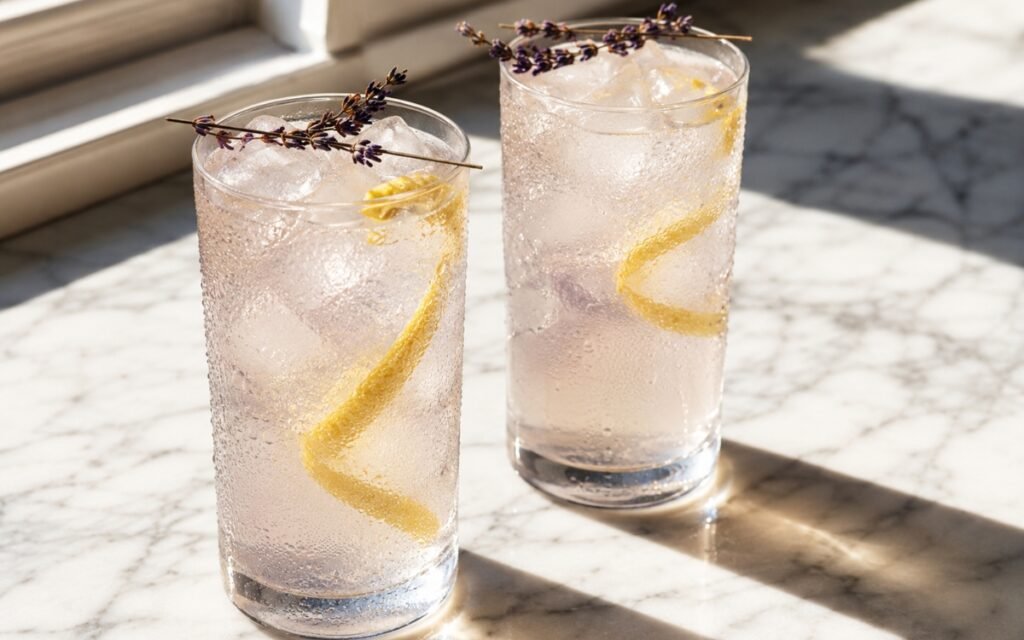
Lavender Lemonade
Lavender steeped in warm syrup exactly 6–8 minutes before camphor develops — lemon pulp, juice, salt, cold water, chilled. Citrus first, floral behind.
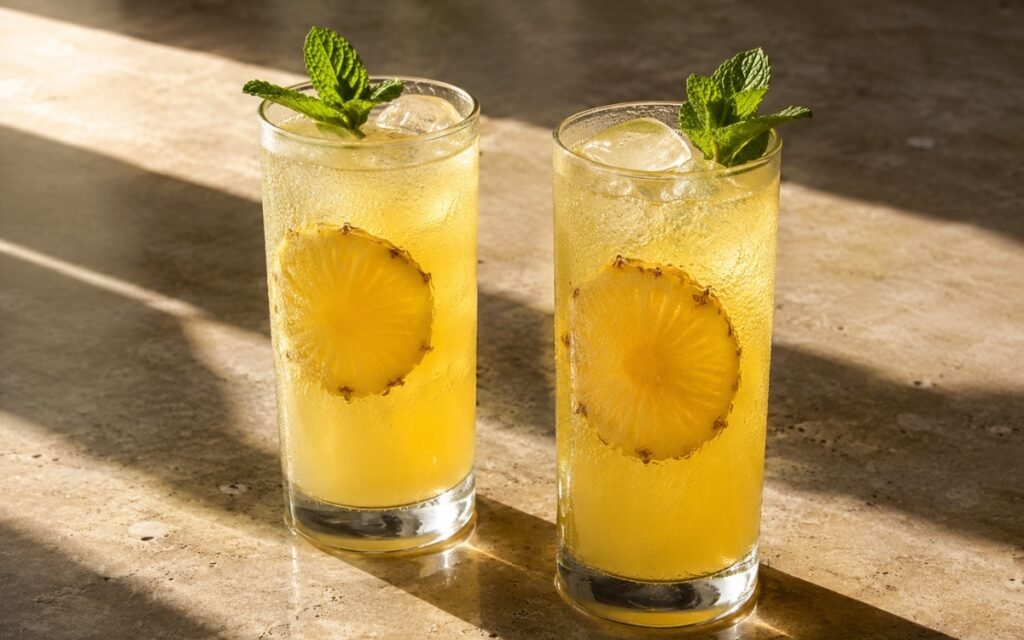
Fresh Pineapple Lemonade
Pineapple blended and strained cold, ginger syrup steeped exactly 5 minutes — lemon juice and salt added cold, chilled. Tropical, bright, and sharply refreshing.
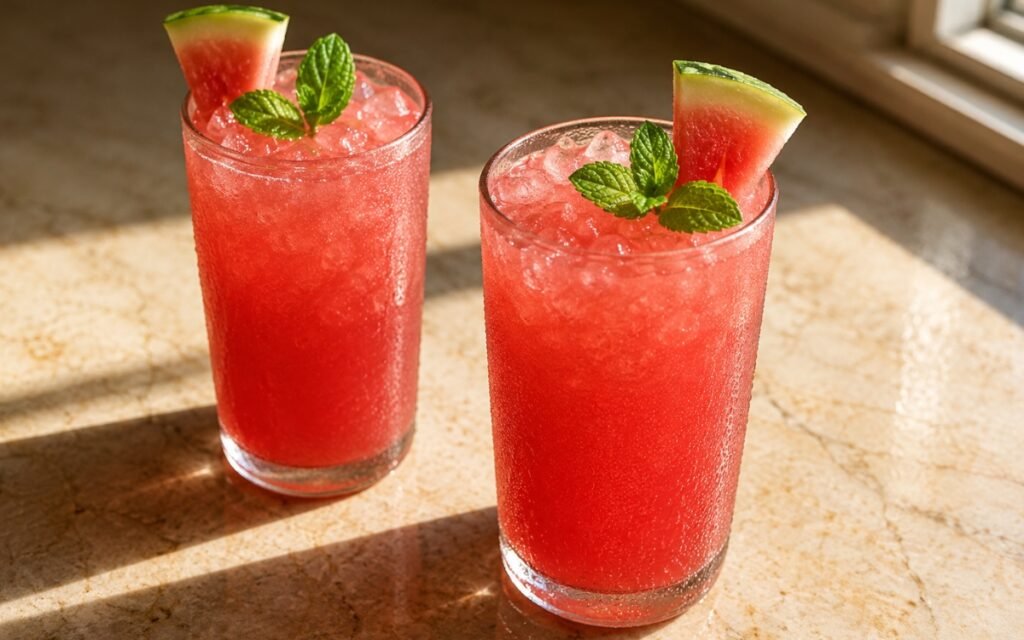
Fresh Watermelon Lemonade
Watermelon blended and strained cold, simple syrup separate — lemon juice, zest, and salt added cold, chilled. Vivid pink, crisp, and hydrating.
Hibiscus Lime Fizz Mocktail
Ingredients
Method
- Add the 20g of dried hibiscus flowers and 500ml of water to a medium saucepan and set it over medium heat, which takes about 5 minutes. Watch closely, as the water turns a deep red within the first minute from the hibiscus anthocyanin pigments, and the moment it reaches a gentle simmer — small bubbles at the edge, no rolling boil — remove the saucepan from the heat. Let the flowers steep off the heat for 10–15 minutes: at 10 minutes the concentrate is brighter and more delicate, and at 15 minutes it is deeper in colour and more assertively tart. That just-to-simmer, off-the-heat steep is what keeps the volatile floral aromatics in the liquid rather than driving them off into a cooked, jammy flatness.
- While the concentrate is still hot from steeping, stir in the 60g of honey until it has dissolved completely and no streaks remain at the bottom of the pan. The residual heat is enough, so the saucepan does not go back on the burner. Leave the sweetened concentrate to cool for 5–8 minutes, until it reaches roughly 50–60°C and feels warm to the touch but no longer hot. That warm stir-in is what gives even sweetness throughout, because honey added to cold liquid sinks and dissolves in pockets, and it avoids the extra heating that would dull the hibiscus.
- Once the concentrate has cooled to roughly 50–60°C, add the zest of ½ lime and let it infuse for 5–10 minutes, stirring once or twice, until the liquid smells clearly of lime above the hibiscus. At this temperature the zest’s aromatic oils release into the liquid but do not evaporate on contact. That is what gives the concentrate a fragrant citrus thread that is separate from the sharp acidity of the juice, since the zest provides the fragrance and the juice provides the brightness.
- Leave the concentrate to cool fully to room temperature, which takes a further 10–20 minutes, until the side of the saucepan feels neutral to the touch. Only then stir in the 60ml of fresh lime juice and taste, looking for a vivid, tart, floral concentrate with the honey rounding the edge and the lime sitting clearly on top. If it still feels warm, wait a few minutes more rather than adding the juice early. That room-temperature addition is what preserves the juice’s clean acidity, because warm liquid dulls fresh lime within the first minute of contact.
- Strain the concentrate through a fine-mesh sieve into a clean jug, pressing gently on the flowers and zest to extract as much liquid as possible, and discard the solids. You should have roughly 500ml of concentrate, of which the four glasses use about 320–340ml. Cover the jug and refrigerate for at least 30 minutes, until thoroughly cold. That thorough chill is what stops the concentrate from melting the ice and flattening the club soda on contact.
- Fill four large wine glasses generously with ice cubes, then divide the chilled concentrate evenly among them, about 80–85ml per glass, and stir each briefly with a long spoon. Top each glass with about 125ml of chilled club soda, pouring gently down the inner side of the glass, and stir once or twice. Press a thin lime slice against the inside of each glass so it shows through the ruby liquid, and float a dried hibiscus flower on the ice if using. Keep the leftover concentrate, roughly 150–200ml, refrigerated. Serve immediately. That gentle pour, with the club soda added only at the glass, is what keeps the carbonation at full intensity.