
Mint Lemonade Spritz — French Style Mocktail
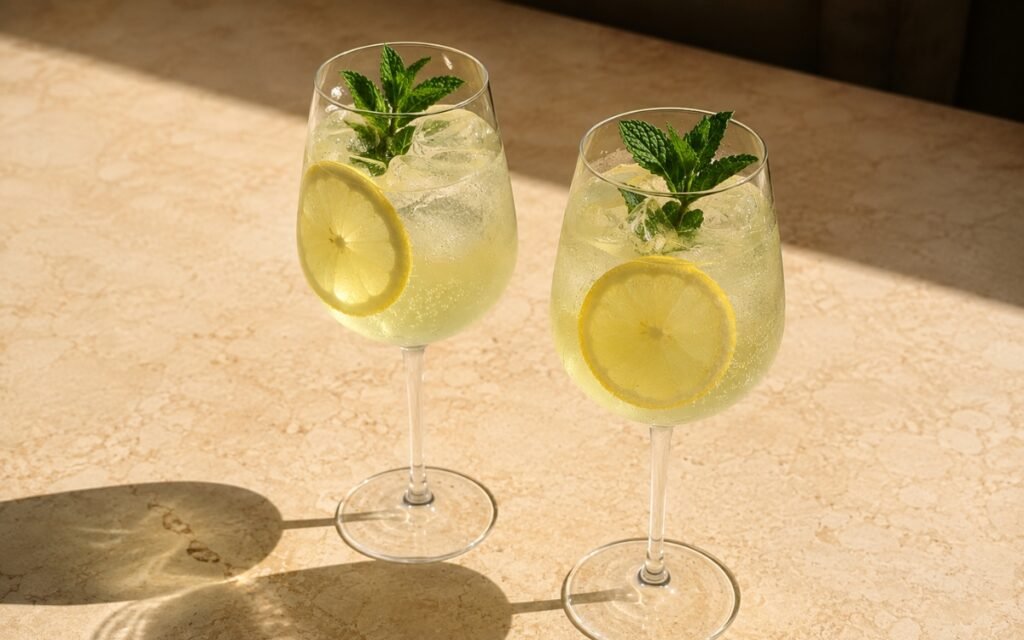
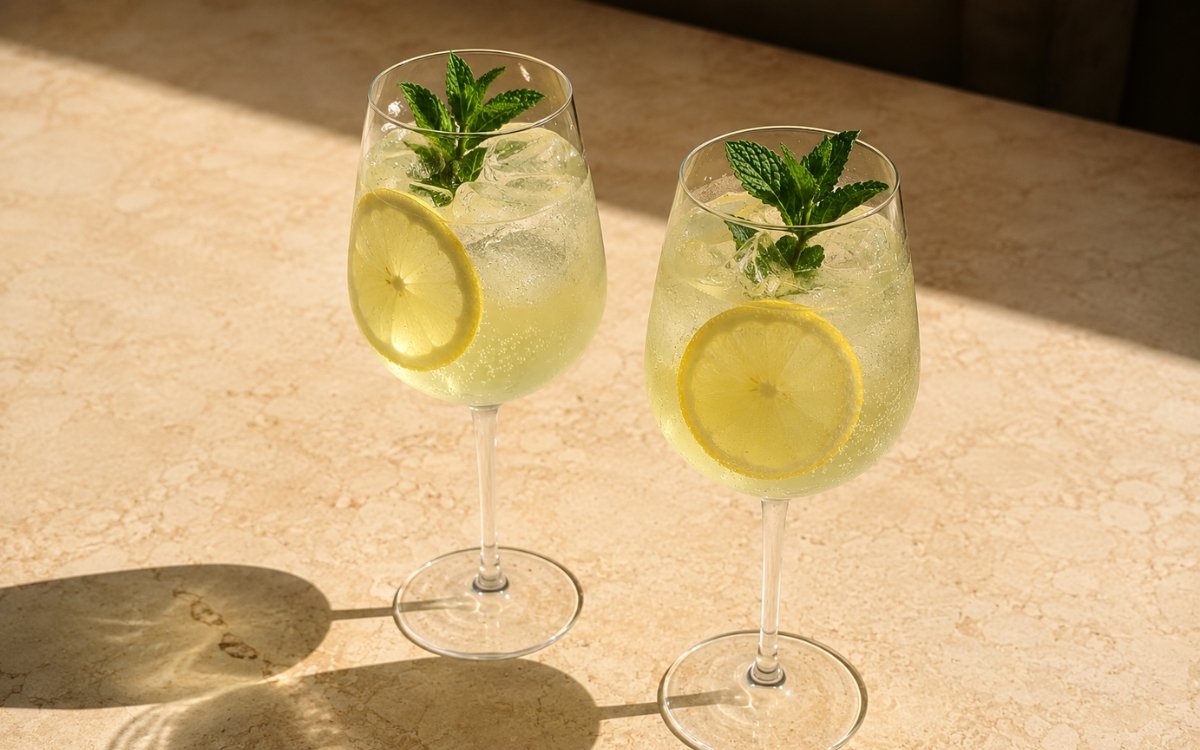
The French brasserie approach to lemonade — citron pressé — is specifically different from the American or British tradition: it is not a premixed sweet lemonade but a glass of freshly squeezed lemon juice served alongside a carafe of water and a dish of sugar, assembled at the table by the person drinking it. The principle is fresh, sharp, and specifically not overly sweet — a drink that tastes of the lemon first and the sweetness second. This preparation takes that principle and builds it into a ready-to-serve spritzer: lemon zest infused into a honey-and-sugar syrup, both present for the dual-sweetness character that white sugar’s clean sweetness and honey’s aromatic warmth together provide. Fresh lemon juice added cold. Mint cold-infused for the controlled 20–30 minute window. White verjus stirred in last for the specifically wine-adjacent, more complex acidity that makes the finished drink taste noticeably more grown-up than a plain lemonade. Large wine glasses, lemon wheel visible against the ice, mint sprig standing above the rim. The best thing on the table.
Prep Time : 10 min
Cook Time : 5 min
Servings : 4
10 min
5 min
4
Ingredients
For the Lemon Mint Base
• 120g white granulated sugar
• 1 tbsp honey — this one on Amazon
• 180ml water
• Zest of 2 lemons — peeled in wide strips with a vegetable peeler
• 140ml fresh lemon juice — approximately 4–5 lemons
• 12–16 fresh mint leaves — lightly clapped before adding
• 40–60ml white verjus — start with 40ml, adjust to taste — this one on Amazon
For the Garnish
• 4 thin lemon wheels or slices
• 4 small fresh mint sprigs
This post may contain affiliate links. As an Amazon Associate I earn from qualifying purchases, at no additional cost to you.
Directions
- Build the Lemon Honey Syrup
Add the 120g of white sugar, 1 tbsp of honey, 180ml of water, and the wide-strip lemon zest to a small saucepan. The combination of white sugar and honey is the specific dual-sweetener approach for this preparation — white sugar’s clean, neutral sweetness provides the primary sweetness without any competing aromatic character; honey’s aromatic floral warmth provides a secondary register of sweetness that is specifically more rounded and more complementary to lemon’s acidity than white sugar alone. The specific proportions — predominantly white sugar with a single tablespoon of honey — are calibrated to produce a base that is primarily clean and sharp in the French brasserie tradition, with the honey as a background depth note rather than a prominent character. The wide-strip lemon zest is the same technique from the cherry lime rickey and the Negroni mocktail — wide strips providing sufficient aromatic surface area for extraction during the simmer while allowing complete, easy removal during straining rather than requiring the fine-mesh sieve work that grated zest demands. Place over medium heat and stir continuously until the sugar has completely dissolved. Bring just to a gentle simmer — watch the pan closely and remove from the heat the moment the first bubbles appear at the surface. The brief heat exposure is sufficient to dissolve both sugar and honey into the water and begin the lemon zest’s aromatic extraction; aggressive boiling would drive off the zest’s most volatile aromatic compounds and produce a slightly flat, cooked-citrus syrup. - Steep the Lemon Zest Off Heat
Remove from heat immediately at the first simmer and allow the syrup to steep covered for 10–15 minutes with the lemon zest strips still in the liquid. The off-heat steep extracts the zest’s remaining aromatic oils at the declining temperature — the same principle applied throughout this collection’s covered off-heat steeping steps. After 10–15 minutes, strain out and discard the lemon zest. Allow the syrup to cool completely to room temperature. - Add Lemon Juice and Cold-Infuse the Mint
Once the syrup is cold, stir in the 140ml of fresh lemon juice. The lemon juice is added after cooling for the same reason applied to every acid addition in this collection — fresh lemon juice’s volatile aromatic compounds evaporate rapidly at elevated temperature. Added to a cold syrup, the lemon juice retains its full bright, aromatic, specifically vivid character that makes the finished spritzer taste of fresh lemon rather than lemonade concentrate. Clap the 12–16 fresh mint leaves lightly between your palms and add to the cold lemon base. Cover and refrigerate for 20–30 minutes. The 30-minute maximum is the same careful limit applied to mint in every preparation in this collection where the primary fruit is delicate — mint’s character extracted at cold temperature as a clean background freshness enhances the lemon’s brightness in the way that a French brasserie might add a sprig to a glass of citron pressé as an aromatic suggestion rather than a flavour component. Beyond 30 minutes the mint’s character becomes more specifically herbal and less specifically fresh against the lemon’s acidity. - Add Verjus and Adjust
After the 20–30 minute cold infusion, remove and discard the mint leaves. Stir in 40ml of white verjus. The white verjus is the specific addition that shifts this preparation from a well-made homemade lemonade into a specifically more sophisticated, more grown-up preparation. White verjus — the pressed, acidified juice of unripe white grapes — has a tartaric-acid based acidity that is specifically different from lemon juice’s citric acid: it is rounder, more wine-adjacent, slightly more complex at the finish, and specifically complementary to lemon in a way that makes the combined acid profile more interesting than lemon juice alone. The 40ml starting quantity provides a noticeably more layered acidity; up to 60ml produces a sharper, more specifically aperitif-appropriate result. Taste the combined base. It should be assertively sweet-tart, specifically bright, minty in the background, and more concentrated than the intended final drink — it will be diluted by ice and 125–175ml of club soda per glass. If the balance needs adjustment: more lemon juice for additional brightness; more verjus for a sharper, more wine-adjacent complexity; a small additional amount of honey if the tartness is too aggressive. - Assemble and Serve
Fill four large wine glasses generously with ice cubes. The wine glass format is specifically the French aperitif reference in this preparation — citron pressé in French brasseries is frequently served in a wine glass rather than a tall glass, the wide bowl showing the pale, clear lemon colour and the condensation on the cold glass providing the specific visual appeal of a properly cold drink. Add 80–90ml of the lemon mint base to each glass. Top with 125–175ml of chilled club soda, adjusting the ratio to the preferred intensity — 125ml for the sharper, more citrus-forward, aperitif-appropriate version; 175ml for the lighter, more refreshing terrace-drink version. Stir gently once. Slide a thin lemon wheel into each glass against the ice so the yellow circle is visible through the pale drink. Place a mint sprig directly on the ice with the leaves standing above the rim — the mint’s aroma rising from the cold glass providing the first impression before the drink is tasted. Serve immediately.
*Notes :
- White verjus is the ingredient that most specifically distinguishes this French-style preparation from a standard mint lemonade. In French culinary tradition, verjus — verjuice — has been used as an acidifier and flavour component since at least the medieval period, appearing in both cooking and drink contexts. The specific tartaric acid composition of verjus produces a rounder, more wine-adjacent acidity that is specifically more at home in an aperitif context than citric acid alone — French brasserie drinks culture favours a more complex acidic register than the clean, bright acidity of citrus juice alone provides.
- The dual lemon approach in this recipe — zest in the syrup and juice added cold — is the same technique applied in the pear ginger sparkler and apricot vanilla sparkler: the zest’s fat-soluble aromatic compounds integrated into the sugar’s matrix during the cooking period, and the juice’s volatile water-soluble aromatic compounds preserved by the cold addition.
Why This Mocktail Works
This recipe works because the dual-sweetener approach produces a more specifically rounded and complex sweet character than white sugar or honey alone. The zest is integrated during the cooking period for fat-soluble aromatic depth.
The lemon juice is added cold for preserved aromatic brightness. The mint is infused within the controlled 20–30 minute window. And the verjus provides the wine-adjacent acidity that makes this specifically more grown-up than a plain lemonade.
Ingredient Breakdown
White Sugar and Honey Combined
The dual sweetness — white sugar’s clean primary sweetness and honey’s warm, floral secondary note producing a more specifically layered sweetness than either alone.
Wide-Strip Lemon Zest (Simmered, Steeped Off Heat)
The fat-soluble aromatic integration — zest’s terpene compounds absorbed into the sugar matrix during the brief simmer and off-heat steep.
Fresh Lemon Juice (Added Cold)
The vivid acid brightness — full volatile aromatic character preserved by cold addition after the syrup is completely cooled.
Mint Cold-Infused (20–30 Minutes Maximum)
The background fresh herbal note — clean, cool aromatic freshness that amplifies the lemon without becoming detectable as prominent mint.
White Verjus (40–60ml)
The specifically grown-up acidity — tartaric acid’s rounder, wine-adjacent complexity alongside lemon’s citric brightness producing the layered, aperitif-appropriate acid profile.
Flavor Structure Explained
This Mint lemonade spritz follows a layered balance model:
- Bright citrus core (lemon juice)
- Layered mature acidity (white verjus)
- Rounded sweet balance (sugar and honey)
- Cool herbal freshness (mint)
- Crisp sparkling finish (club soda)
Lemon defines the foundation with vivid acidity and clean citrus sharpness that immediately energize the palate. Verjus deepens that brightness with softer, wine-like tartness, creating a more layered and sophisticated acid structure than lemonade alone. Sugar and honey balance the acidity together — sugar providing clean sweetness while honey adds floral warmth and roundness. Mint contributes a restrained cooling freshness that quietly lifts the drink beyond a simple citrus spritz. Club soda completes the structure with lively carbonation, giving the drink a crisp, aperitif-like finish that feels refreshing, elegant, and distinctly grown-up.
Common Mistakes to Avoid
- Boiling the Syrup Aggressively – Hard boiling drives off the most pleasant volatile zest compounds and develops a flat, cooked-lemon note. Always remove at the first gentle simmer.
- Adding Lemon Juice While Warm – The juice’s aromatic character diminishes rapidly at elevated temperature. Always wait until the syrup is completely cold.
- Cold-Infusing Mint Beyond 30 Minutes – The mint becomes grassy and dull against the lemon’s acidity beyond this point. Always strain at 20–30 minutes.
- Not Adding the Verjus – Without verjus the drink is a well-made lemonade; with it the drink is a specifically more sophisticated, more specifically French-style aperitif preparation.
- Serving in Tall Narrow Glasses Rather Than Wine Glasses – The wine glass format is specifically the French aperitif reference and provides the wide bowl that shows the pale colour and allows the mint sprig and lemon wheel to be displayed properly.
Variations
Without Verjus
Replace the verjus with an additional 30ml of fresh lemon juice and 15ml of water — the result is a cleaner, more immediately sharp lemonade without the wine-adjacent complexity, still excellent.
With Elderflower
Add 1 tbsp of elderflower cordial to the cold base after the verjus — the elderflower’s specifically floral, slightly honey-adjacent character is classically paired with lemon in European drinks culture.
With Cucumber
Add 3 thin rounds of peeled cucumber to the cold-infusion stage alongside the mint — the cucumber’s cool, mineral freshness alongside the mint and lemon produces a specifically spa-adjacent, more cooling version.
With Lavender
Add ½ tsp of dried food-grade lavender to the syrup during the off-heat steep — removed with the lemon zest during straining. The lavender’s floral character alongside lemon is the specifically Provençal direction.
Storage & Make-Ahead
Lemon mint base, without the verjus, can be refrigerated in a sealed jar for up to 4 days. For the freshest and brightest acidity, add the verjus just before serving.
Once the verjus has been added, the base can be refrigerated for up to 3 days. The acidity from the verjus helps preserve the mixture, although the fresh aromatic character of the lemon gradually becomes less pronounced during storage.
Assembled drinks are not suitable for storage and should be served immediately after preparation.
Frequently Asked Questions
What is white verjus and why does it make a difference?
White verjus is the pressed juice of unripe white wine grapes, acidified naturally by tartaric acid — the same acid found in wine. Its acidity is rounder, more wine-adjacent, and slightly more complex than citrus juice’s citric acid. At 40–60ml in this base it provides a specifically more grown-up, more complex acidic finish that makes the drink taste noticeably more sophisticated than lemon juice alone. Available at specialty food shops, wine merchants, and online.
Why add lemon juice cold rather than during the syrup?
Fresh lemon juice contains hundreds of volatile aromatic compounds — the esters and terpenes responsible for fresh lemon’s specifically bright, vivid character — that evaporate rapidly at elevated temperature. Added to a hot or warm syrup they would be lost within seconds; added to a cold syrup they are preserved completely through to the finished glass.
Why specifically a wine glass rather than a tall glass?
The wine glass format is the French brasserie aperitif reference — citron pressé is frequently served in a wine glass in French cafes and brasseries, the wide bowl showing the pale colour and providing the space for the lemon wheel and mint sprig garnish. The format also signals the drink’s aperitif intention.
Why a dual sugar approach — white sugar and honey?
White sugar’s clean, neutral sweetness provides the primary sweetness without competing aromatic character; honey’s floral warmth provides a secondary register that is specifically more rounded at the finish. The dominant white sugar keeps the drink specifically clean and sharp in the French brasserie tradition; the honey provides the depth note without making the sweetness taste assertively honey-flavoured.
What other lemon-forward spritzers share this character?
The Limoncello Spritz Mocktail shares the same vivid, aperitif-style lemon character in a specifically Italian direction — the limoncello-inspired format producing a slightly sweeter, more liqueur-adjacent result than this preparation’s specifically French, drier character. The Lemon Basil Spritz Mocktail shares the lemon-and-herb structure — basil rather than mint providing a different, sweeter, more specifically Italian herbal dimension alongside the same vivid lemon base.
Nutrition Facts
( per serving )
Calories
~95 kcal
Protein
0 g
Fat
0 g
Carbs
25 g
Calories
~95 kcal
Protein
0 g
Fat
0 g
Carbs
25 g
Related Recipes
Related Recipes

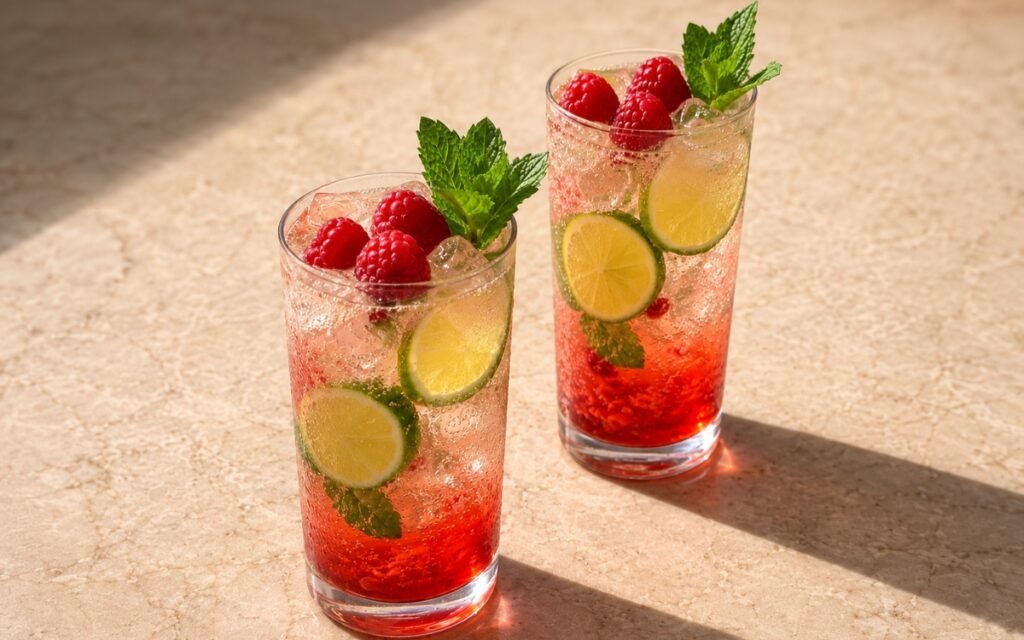
Raspberry Mojito Mocktail
Fresh berries with mint, lime, and verjus deliver sharp dryness, bright structure, and a confidently grown-up edge.
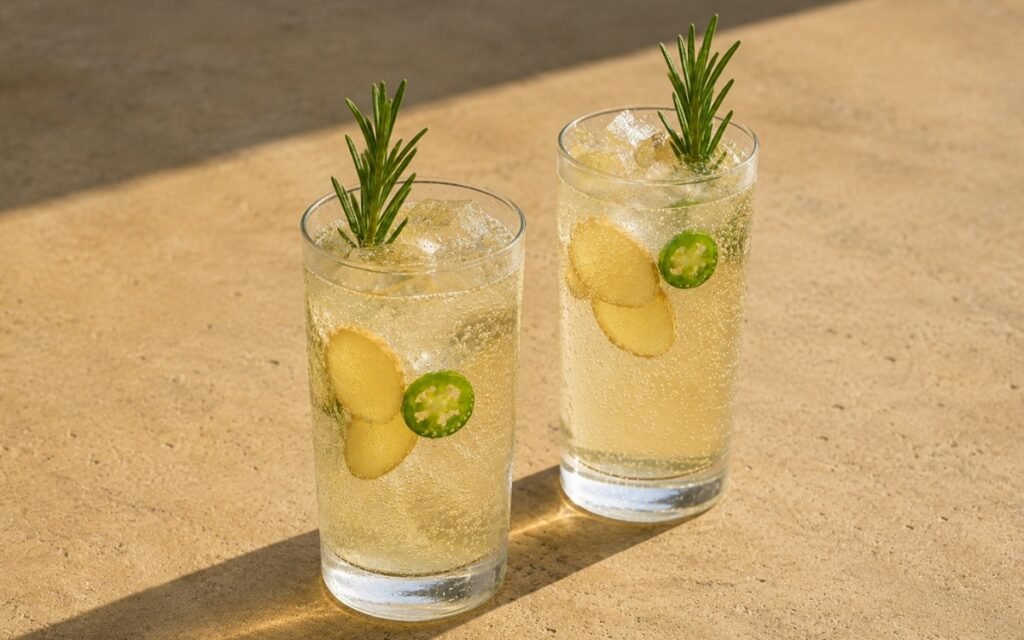
Spiced Honey Spritzer
Spiced honey spritzer with ginger and jalapeño warmth, floral aromatics, crisp bubbles, and an elegantly dry finish.
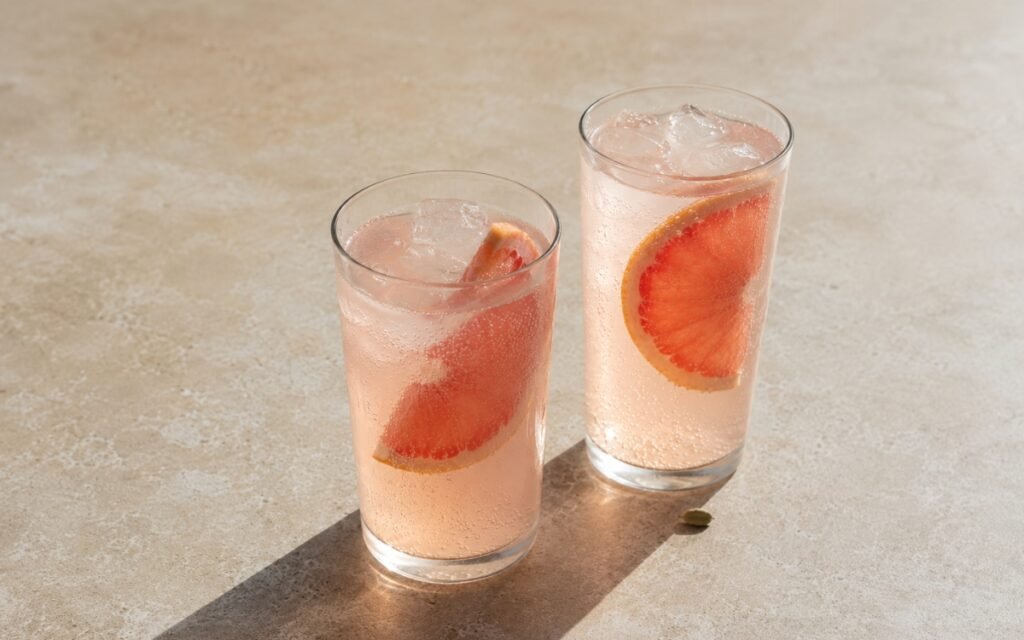
Grapefruit Cardamom Tonic Mocktail
Fresh grapefruit with cardamom warmth over tonic water — pale blush, bitter, and aromatic.
You might also like
You might also like
Watermelon Lemonade Pitcher Drink
One kilogram of watermelon blended as the primary liquid — lemon-honey syrup, 240–300ml lemon juice for structural acid, 1L water, salt, chilled. Juicy and vivid.
Green Tea Cucumber Pitcher
Green tea at 75–80°C for 2–2½ minutes, lime zest 4–6 minutes — 750g cucumber blended with lime juice, strained, combined with tea and cold water, chilled. Cool and pale.
Lemongrass Ginger White Iced Tea
White tea at 75–80°C for 3–4 minutes, lemongrass bruised and infused with ginger 8–10 minutes — mild honey, chilled. Bright, citrus-herbal, gently warming.
Mint Lemonade Spritz — French Style Mocktail
Ingredients
Method
- Add the 120g of white sugar, 1 tbsp of honey, 180ml of water, and the wide-strip lemon zest to a small saucepan. The combination of white sugar and honey is the specific dual-sweetener approach for this preparation — white sugar’s clean, neutral sweetness provides the primary sweetness without any competing aromatic character; honey’s aromatic floral warmth provides a secondary register of sweetness that is specifically more rounded and more complementary to lemon’s acidity than white sugar alone. The specific proportions — predominantly white sugar with a single tablespoon of honey — are calibrated to produce a base that is primarily clean and sharp in the French brasserie tradition, with the honey as a background depth note rather than a prominent character. The wide-strip lemon zest is the same technique from the cherry lime rickey and the Negroni mocktail — wide strips providing sufficient aromatic surface area for extraction during the simmer while allowing complete, easy removal during straining rather than requiring the fine-mesh sieve work that grated zest demands. Place over medium heat and stir continuously until the sugar has completely dissolved. Bring just to a gentle simmer — watch the pan closely and remove from the heat the moment the first bubbles appear at the surface. The brief heat exposure is sufficient to dissolve both sugar and honey into the water and begin the lemon zest’s aromatic extraction; aggressive boiling would drive off the zest’s most volatile aromatic compounds and produce a slightly flat, cooked-citrus syrup.
- Remove from heat immediately at the first simmer and allow the syrup to steep covered for 10–15 minutes with the lemon zest strips still in the liquid. The off-heat steep extracts the zest’s remaining aromatic oils at the declining temperature — the same principle applied throughout this collection’s covered off-heat steeping steps. After 10–15 minutes, strain out and discard the lemon zest. Allow the syrup to cool completely to room temperature.
- Once the syrup is cold, stir in the 140ml of fresh lemon juice. The lemon juice is added after cooling for the same reason applied to every acid addition in this collection — fresh lemon juice’s volatile aromatic compounds evaporate rapidly at elevated temperature. Added to a cold syrup, the lemon juice retains its full bright, aromatic, specifically vivid character that makes the finished spritzer taste of fresh lemon rather than lemonade concentrate. Clap the 12–16 fresh mint leaves lightly between your palms and add to the cold lemon base. Cover and refrigerate for 20–30 minutes. The 30-minute maximum is the same careful limit applied to mint in every preparation in this collection where the primary fruit is delicate — mint’s character extracted at cold temperature as a clean background freshness enhances the lemon’s brightness in the way that a French brasserie might add a sprig to a glass of citron pressé as an aromatic suggestion rather than a flavour component. Beyond 30 minutes the mint’s character becomes more specifically herbal and less specifically fresh against the lemon’s acidity.
- After the 20–30 minute cold infusion, remove and discard the mint leaves. Stir in 40ml of white verjus. The white verjus is the specific addition that shifts this preparation from a well-made homemade lemonade into a specifically more sophisticated, more grown-up preparation. White verjus — the pressed, acidified juice of unripe white grapes — has a tartaric-acid based acidity that is specifically different from lemon juice’s citric acid: it is rounder, more wine-adjacent, slightly more complex at the finish, and specifically complementary to lemon in a way that makes the combined acid profile more interesting than lemon juice alone. The 40ml starting quantity provides a noticeably more layered acidity; up to 60ml produces a sharper, more specifically aperitif-appropriate result. Taste the combined base. It should be assertively sweet-tart, specifically bright, minty in the background, and more concentrated than the intended final drink — it will be diluted by ice and 125–175ml of club soda per glass. If the balance needs adjustment: more lemon juice for additional brightness; more verjus for a sharper, more wine-adjacent complexity; a small additional amount of honey if the tartness is too aggressive.
- Fill four large wine glasses generously with ice cubes. The wine glass format is specifically the French aperitif reference in this preparation — citron pressé in French brasseries is frequently served in a wine glass rather than a tall glass, the wide bowl showing the pale, clear lemon colour and the condensation on the cold glass providing the specific visual appeal of a properly cold drink. Add 80–90ml of the lemon mint base to each glass. Top with 125–175ml of chilled club soda, adjusting the ratio to the preferred intensity — 125ml for the sharper, more citrus-forward, aperitif-appropriate version; 175ml for the lighter, more refreshing terrace-drink version. Stir gently once. Slide a thin lemon wheel into each glass against the ice so the yellow circle is visible through the pale drink. Place a mint sprig directly on the ice with the leaves standing above the rim — the mint’s aroma rising from the cold glass providing the first impression before the drink is tasted. Serve immediately.