
Virgin Strawberry Daiquiri
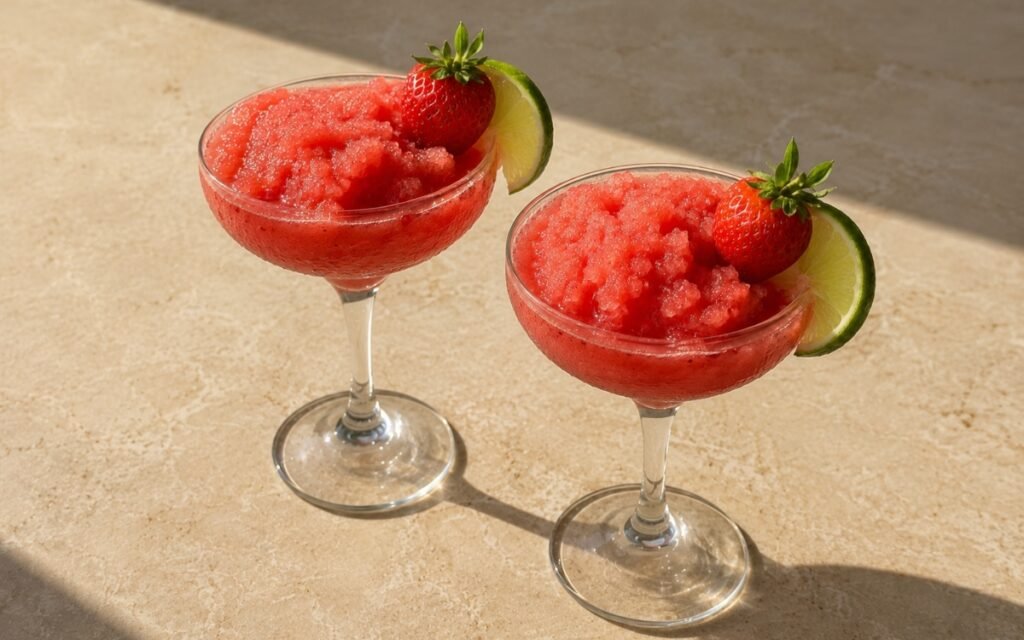
Virgin Strawberry Daiquiri is a crisp, spoonable frozen mocktail of frozen strawberries, white verjus, fresh lime juice and a lime-infused simple syrup, blended with ice into a vivid red slush, the key being real cocktail tension between sweet fruit and wine-like acidity without any alcohol. Using white verjus for acidity and structure, rather than leaning on extra sugar or fruit juice, is the technique this whole drink depends on for its daiquiri backbone — without it the blend collapses into plain sweet fruit slush, the same replace-the-missing-structure principle that protects any non-alcoholic cocktail whenever the original drink relied on spirit for its tension. Infusing the syrup with lime peel off the heat, then cooling it completely before it touches the berries, is what gives the drink citrus aroma without cooked flavour or melted ice. Blending frozen strawberries with only a measured amount of ice, added gradually, is what keeps the texture thick and spoonable instead of thin and watery. The payoff is a daiquiri with real, sharp refreshment — deep strawberry colour, bright lime on the nose, a tart and lightly dry finish, and a frozen texture that holds from the first spoonful to the last.
Prep Time : 10 min
Cook Time : 5 min
Servings : 4
10 min
5 min
4
Ingredients
For the Lime-Infused Simple Syrup
• 120ml water
• 100g white sugar
• Peel of 1 lime, green part only, no white pith
For the Daiquiri Base
• 3½–4 cups frozen strawberries
• 160ml white verjus, for wine-like acidity and structure — this one on Amazon
• 80 ml fresh lime juice
• 60–80ml lime-infused simple syrup, to taste
• 1½–2 cups ice
To Serve
• Lime slices, optional
• Whole strawberries, optional
This post may contain affiliate links. As an Amazon Associate I earn from qualifying purchases, at no additional cost to you.
Directions
- Dissolve the Syrup
Add the 120ml of water and 100g of sugar to a small saucepan and heat over medium-low heat, stirring until every grain has dissolved and the liquid looks clear, about 5 minutes. Keep the heat gentle and do not let the mixture boil, because it should only be hot enough to dissolve the sugar. Take the pan off the heat as soon as the syrup is clear. That gentle heat is what keeps the syrup light and clean, since aggressive boiling flattens the citrus aroma the peel is about to add. - Infuse and Cool the Syrup
Add the peel of 1 lime to the hot syrup, making sure it is green zest only with no white pith attached. Cover the pan and leave the peel to infuse for 10–15 minutes, until the syrup smells clearly of fresh lime. Strain out the peel, then let the syrup cool completely, about 30 minutes, until it feels cold to the touch. That full cooling is what stops the syrup from melting the frozen strawberries and ice in the next stage. - Build the Daiquiri Base
Add 3½–4 cups of frozen strawberries, 160ml of white verjus, 80ml of fresh lime juice, 60ml of the cooled lime syrup and about 1½ cups of ice to a high-speed blender. Blend on high until the mixture is thick, smooth and evenly slushy, with no gritty ice chips or whole berry pieces left. Stop and scrape down the sides if needed so everything is fully incorporated. That high-speed blend is what breaks the frozen fruit into a uniform slush rather than a chunky, uneven purée. - Adjust Texture and Balance
Taste the mixture and adjust deliberately, changing only one thing at a time. Add more syrup, up to 80ml in total, only if the fruit is very tart, add a small splash more lime juice if the drink tastes flat, and add small handfuls of ice, up to 2 cups in total, to tighten the texture. Blend briefly after each adjustment. The final drink should taste sharply refreshing and lightly tart, and be spoonable rather than liquid. That small, staged adjustment is what protects the strawberry flavour from being diluted or buried in sugar. - Serve Immediately
Pour the daiquiri into chilled glasses, about 200ml in each of the 4 glasses. Garnish with lime slices or whole strawberries if desired, and serve right away while the texture is fully frozen and aromatic. Do not leave the glasses standing, because the slush begins to melt and separate within minutes. That immediate service is what delivers the thick, icy texture the drink is built around.
*Notes :
- Frozen strawberries deserve genuine recognition as the ingredient most directly responsible for both the natural sweetness and the thick structure of this daiquiri. Fresh berries need far more ice to reach the same thickness, and that extra ice dilutes the fruit into a weak, watery drink with poor body that loses its temperature quickly once it reaches the glass.
- White verjus deserves the same attention that any good non-alcoholic cocktail gives to its acid backbone, because it supplies the wine-like acidity and light tannic tension that stand in for alcohol. Without it the drink becomes a simple fruit slush rather than a cocktail-style mocktail, and the strawberry sweetness has nothing sharp to push against.
- The lime syrup deserves genuine respect as the detail most directly responsible for keeping the drink balanced rather than merely sweet. Its purpose is aromatic lift and controlled sweetness, not a dominant sugar flavour, which is why only 60–80ml is used and why extra is added only when the berries taste very tart.
- Ice and serving time deserve attention as a genuine, checkable texture cue rather than a loose approximation, because ice is a texture tool and never a way to stretch or dilute the fruit. Added gradually and served at once, it keeps the drink thick and spoonable, whereas a slush left standing separates, melts and quickly loses its intended mouthfeel.
Why This Mocktail Works
This recipe works because it builds real cocktail tension between fruit sweetness and structured acidity. Frozen strawberries deliver concentrated flavour and the signature thick texture without needing excessive ice, while white verjus adds the wine-like acidity and light bitterness that mimic the sharp backbone of a traditional daiquiri.
Fresh lime juice and a cooled lime-infused syrup layer citrus aroma and brightness over the top, with the syrup kept restrained so the drink never turns candy-like. Ice is added gradually to control thickness, and immediate serving keeps the result clean, tart and fully frozen.
Ingredient Breakdown
Frozen Strawberries (3½–4 Cups)
The structural foundation — they deliver deep red colour, concentrated sweetness and thick, slushy body without excessive ice.
White Verjus (160ml)
The critical ingredient choice — its wine-like acidity and dryness stand in for white rum, giving genuine cocktail structure.
Fresh Lime Juice (80ml)
The sharp finishing note — freshly squeezed juice cuts the strawberry sweetness, while bottled juice lacks the volatile oils that keep citrus alive.
Lime-Infused Simple Syrup (60–80ml)
The controlled sweetener — it balances the verjus and lime acidity, while the peel infusion adds citrus aroma plain syrup cannot.
Ice (1½–2 Cups, Added Gradually)
The texture tool — it sets how thick or pourable the daiquiri becomes, giving a spoonable slush that melts slowly.
Flavor Structure Explained
This virgin strawberry daiquiri follows a layered balance model:
- Fruit sweetness and body (frozen strawberries)
- Wine-like acidity and tension (white verjus)
- Bright citrus sharpness (fresh lime juice)
- Controlled sweetness and aroma (lime-infused syrup)
- Frozen texture and dilution control (ice)
Strawberries give the drink its sweetness, colour and body, while white verjus provides the dry, wine-like backbone that keeps the fruit from tasting flat or sugary. Fresh lime juice sharpens the flavour and brings everything into focus, and the lime syrup rounds the edges with a fragrant, restrained sweetness. The frozen consistency slows flavour release, and the ice keeps the drink structured, spoonable and refreshing rather than sugary, which ties the daiquiri together.
Common Mistakes to Avoid
- Adding Too Much Syrup – This turns the drink into sweet dessert slush and hides the verjus and lime. Always start with 60ml and add up to 80ml only if needed.
- Skipping the Verjus – This removes the acidity that gives the drink its cocktail structure and leaves simple fruit slush. Always include the 160ml of white verjus.
- Over-Blending the Mixture – This melts the ice and fruit into a thin, watery texture. Always blend only until the slush is thick and evenly smooth, then stop.
- Adding All the Ice at Once – This dilutes the strawberry intensity and makes the drink icy rather than fruity. Always start with about 1½ cups and add small handfuls to tighten.
- Serving Warm or Delayed – This lets the slush melt and separate, dulling the flavour and mouthfeel. Always pour into chilled glasses and serve right away.
Variations
Strawberry Basil Daiquiri Version
Blend in a few fresh basil leaves with the strawberries for a herbal lift and extra aromatic complexity, while the verjus and lime keep the drink tart and bright.
Tropical Strawberry Version
Replace part of the verjus with chilled pineapple juice for a softer, fruitier character, keeping the lime juice and syrup unchanged so the drink still tastes tart.
Extra-Dry Aperitif Version
Increase the verjus slightly and reduce the lime syrup to the lower end of the range for sharper, drier and more refreshing acidity in each glass.
Mixed Berry Version
Add a handful of frozen raspberries or blackberries alongside the strawberries for a deeper colour and a layered berry flavour, tasting before adding any extra syrup.
Storage & Make-Ahead
Make the lime-infused syrup up to one week ahead and store it in an airtight container in the refrigerator, shaking or stirring it before use, which also leaves it cold for blending.
Portion the frozen strawberries into a bowl or container ahead of time, so blending can start the moment guests are ready for their drinks and the berries stay frozen until then.
Chill the serving glasses in the refrigerator or freezer before pouring, which helps the slush hold its frozen texture for longer once it is in the glass and keeps each serving cold to the last sip.
The finished daiquiri should never be stored, since the texture separates and melts quickly and the flavour dulls as it sits, so blend only as many servings as will be drunk straight away.
If the texture softens before serving, re-blend briefly with a small handful of ice to restore the thick, spoonable structure, stopping as soon as the slush is smooth to avoid watering it down.
Frequently Asked Questions
Why is fresh lime juice recommended over bottled?
Fresh lime juice has a bright, aromatic acidity that holds up against the strawberries and verjus. Bottled versions taste flat and overly acidic, which makes the drink sharper without adding any of the lime’s fresh aroma.
Why is white verjus recommended, and what can replace it?
Verjus supplies the wine-like acidity and structure that replace alcohol, so it is strongly recommended for proper balance. In an emergency, white grape juice with extra lime juice can work, but the drink will taste sweeter.
Why should the drink be spoonable rather than pourable?
A classic frozen daiquiri is thick and icy, and a drink that pours like juice has been over-blended or diluted. The slushy texture slows flavour release and keeps the strawberry taste concentrated.
Why start with less syrup if I want a less sweet drink?
The frozen strawberries already supply natural sweetness, and the verjus and lime provide brightness, so a smaller amount of syrup keeps the drink tart. Start with 60ml and add more only if the fruit is very tart.
Are there other classic strawberry, mojito, or tropical mocktail recipes worth trying?
Fresh Strawberry Lemonade offers another classic strawberry direction worth exploring as a bright lemonade. Strawberry Basil Smash Mocktail and Virgin Mojito Mocktail are also worth trying for other herb-forward drinks, and Piña Colada Mocktail and Raspberry Mojito Mocktail offer other tropical and berry-mint mocktails worth exploring.
Nutrition Facts
( Per Serving ~200 ml )
Calories
~100 kcal
Protein
~1 g
Fat
0 g
Carbs
~25 g
Calories
~100 kcal
Protein
~1 g
Fat
0 g
Carbs
~25 g
Related Recipes
Related Recipes

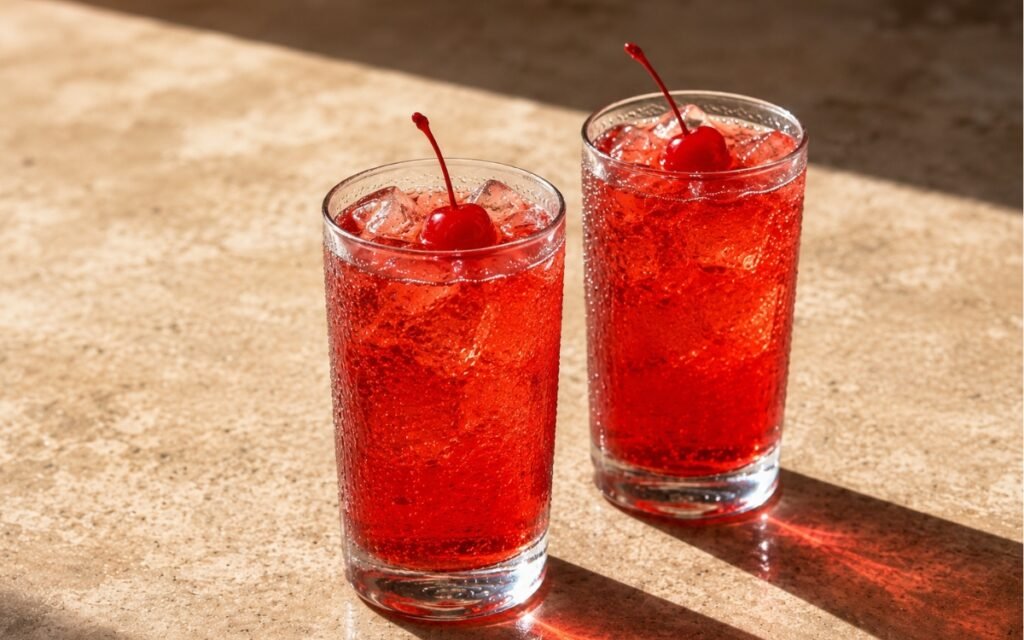
Shirley Temple Tonic
Pomegranate grenadine with ginger ale and citrus zest delivers a bright, tart, grown-up take on a nostalgic classic.
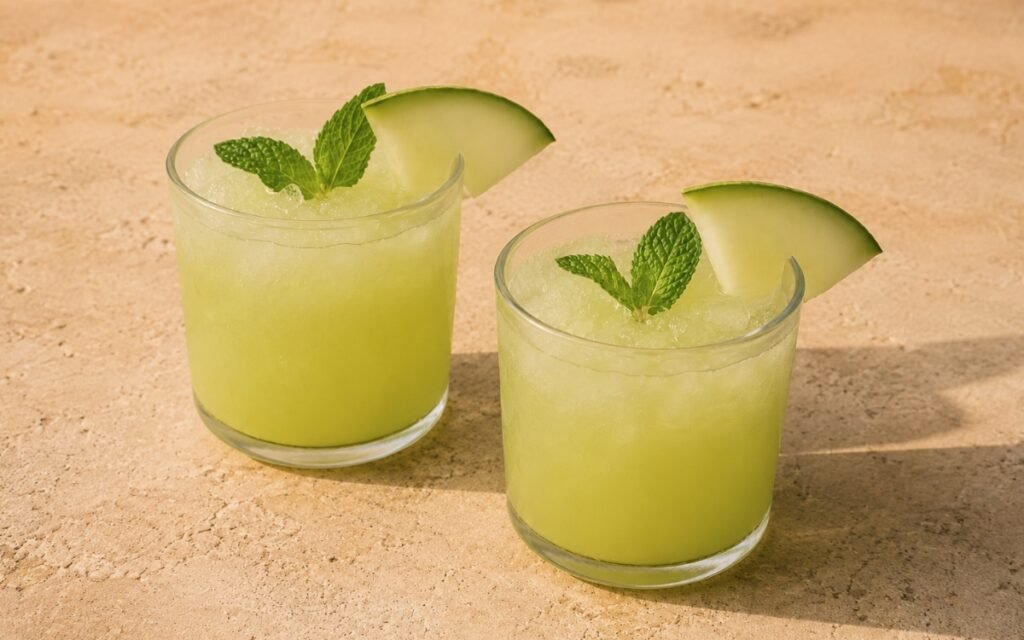
Melon Mint Agua Fresca Mocktail
Ripe honeydew blended with lime and honey, mint cold-infused — still, pale green, and cooling.
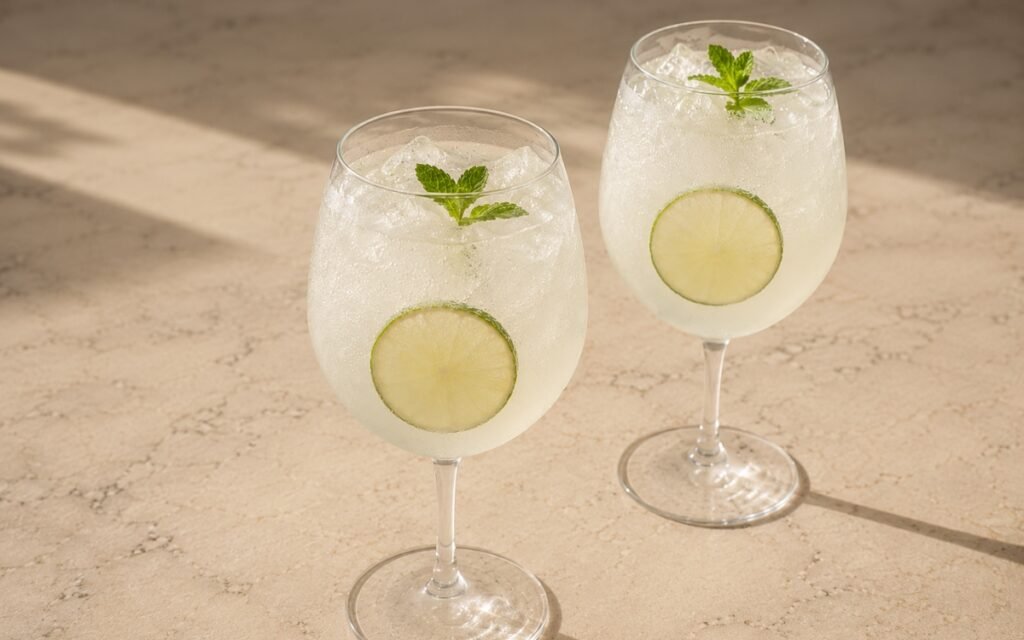
Coconut Lime Sparkling Mocktail
Honey dissolved in fresh lime juice, lime zest and mint cold-infused — coconut water added, topped with club soda. Light, tropical, and refreshing.
You might also like
You might also like
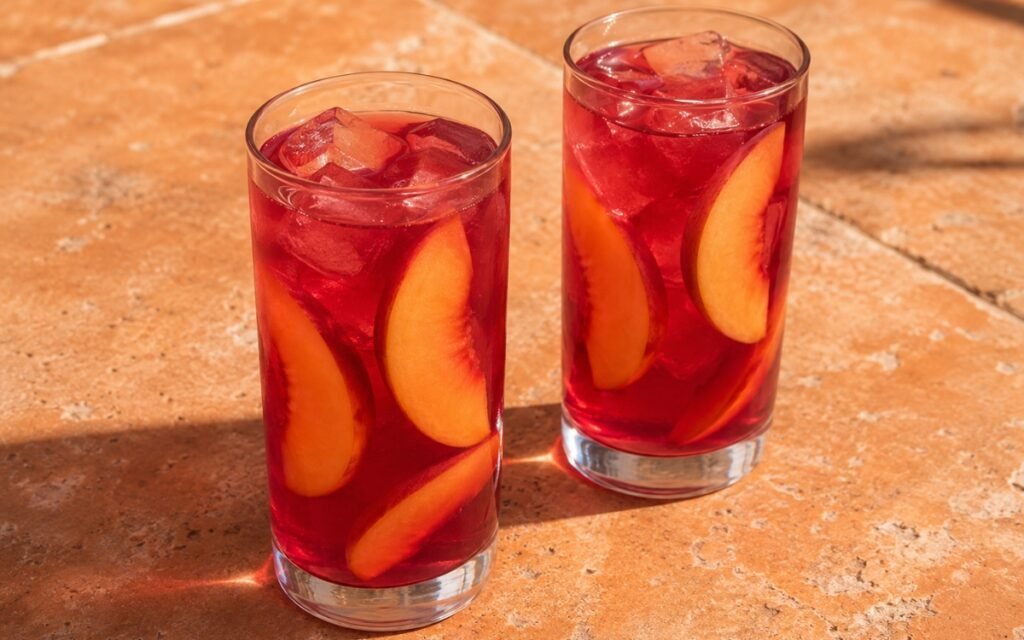
Hibiscus Peach White Iced Tea
White tea at 75–80°C for 3–4 minutes, hibiscus infused 6–8 minutes for vivid ruby color, light peach syrup made separately and strained — chilled. Floral and softly fruity.
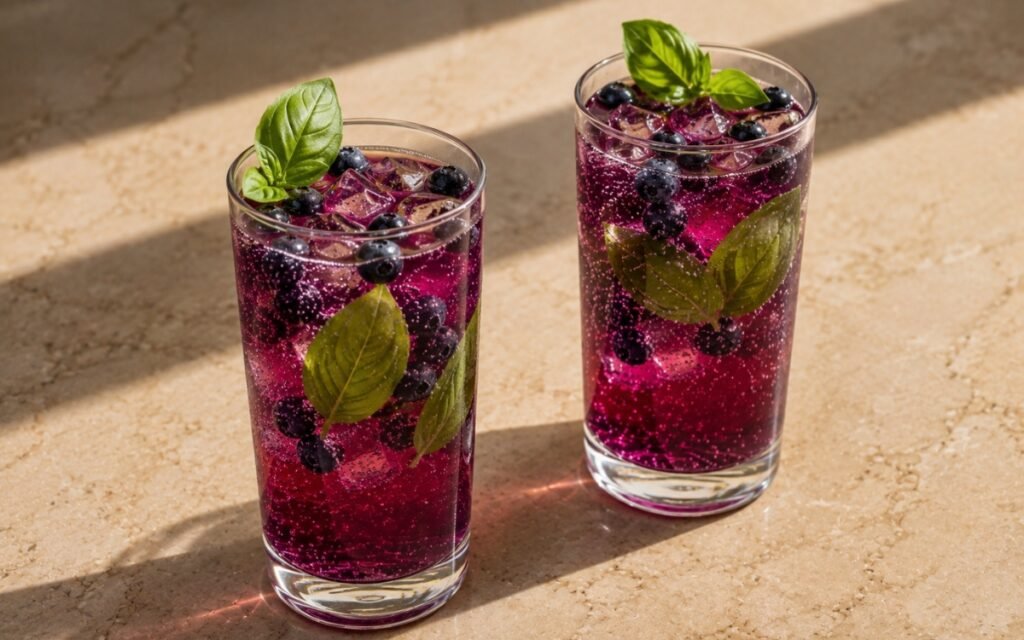
Basil Blueberry Sparkling Herbal Cooler
Concentrated white tea, basil blended into blueberries and strained — combined with the tea, finished with gentle club soda, chilled. Herbal and lively.
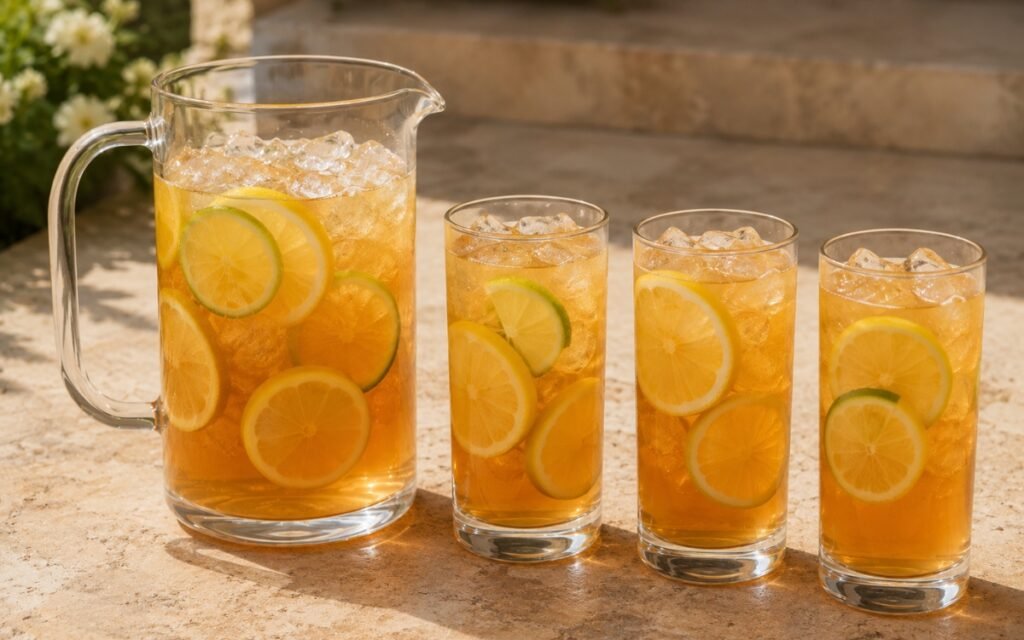
Iced Tea Lemonade Pitcher
Ceylon tea at 90–95°C for 3 minutes, dual lemon and lime zest off heat — 180ml each lemon and lime juice, cold water, chilled. Lemonade leads, tea supports.

Virgin Strawberry Daiquiri
Ingredients
Method
- Add the 120ml of water and 100g of sugar to a small saucepan and heat over medium-low heat, stirring until every grain has dissolved and the liquid looks clear, about 5 minutes. Keep the heat gentle and do not let the mixture boil, because it should only be hot enough to dissolve the sugar. Take the pan off the heat as soon as the syrup is clear. That gentle heat is what keeps the syrup light and clean, since aggressive boiling flattens the citrus aroma the peel is about to add.
- Add the peel of 1 lime to the hot syrup, making sure it is green zest only with no white pith attached. Cover the pan and leave the peel to infuse for 10–15 minutes, until the syrup smells clearly of fresh lime. Strain out the peel, then let the syrup cool completely, about 30 minutes, until it feels cold to the touch. That full cooling is what stops the syrup from melting the frozen strawberries and ice in the next stage.
- Add 3½–4 cups of frozen strawberries, 160ml of white verjus, 80ml of fresh lime juice, 60ml of the cooled lime syrup and about 1½ cups of ice to a high-speed blender. Blend on high until the mixture is thick, smooth and evenly slushy, with no gritty ice chips or whole berry pieces left. Stop and scrape down the sides if needed so everything is fully incorporated. That high-speed blend is what breaks the frozen fruit into a uniform slush rather than a chunky, uneven purée.
- Taste the mixture and adjust deliberately, changing only one thing at a time. Add more syrup, up to 80ml in total, only if the fruit is very tart, add a small splash more lime juice if the drink tastes flat, and add small handfuls of ice, up to 2 cups in total, to tighten the texture. Blend briefly after each adjustment. The final drink should taste sharply refreshing and lightly tart, and be spoonable rather than liquid. That small, staged adjustment is what protects the strawberry flavour from being diluted or buried in sugar.
- Pour the daiquiri into chilled glasses, about 200ml in each of the 4 glasses. Garnish with lime slices or whole strawberries if desired, and serve right away while the texture is fully frozen and aromatic. Do not leave the glasses standing, because the slush begins to melt and separate within minutes. That immediate service is what delivers the thick, icy texture the drink is built around.