
Blackcurrant Rose Fizz Mocktail
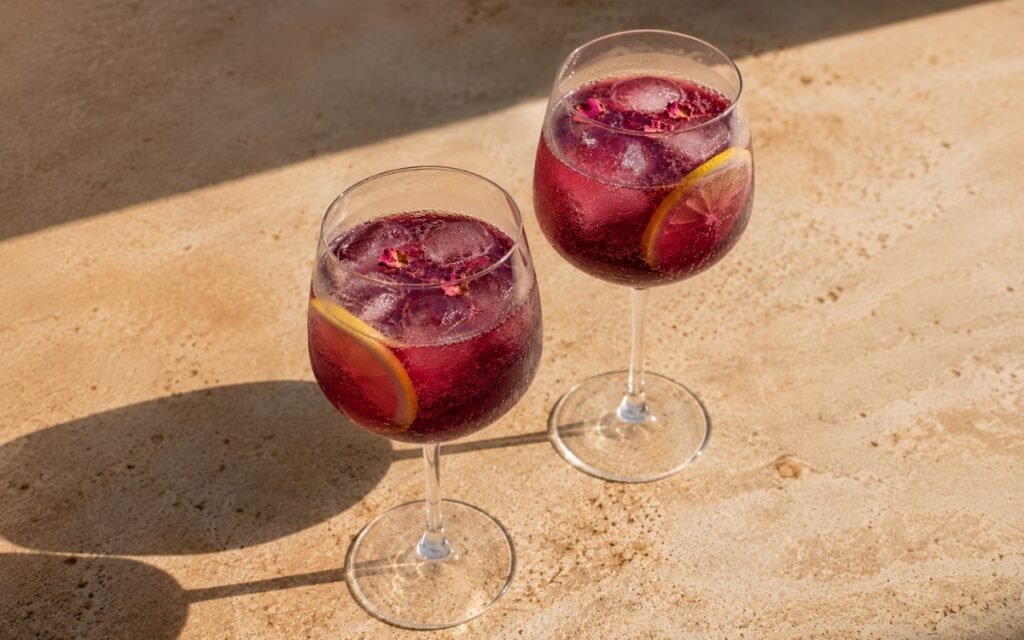
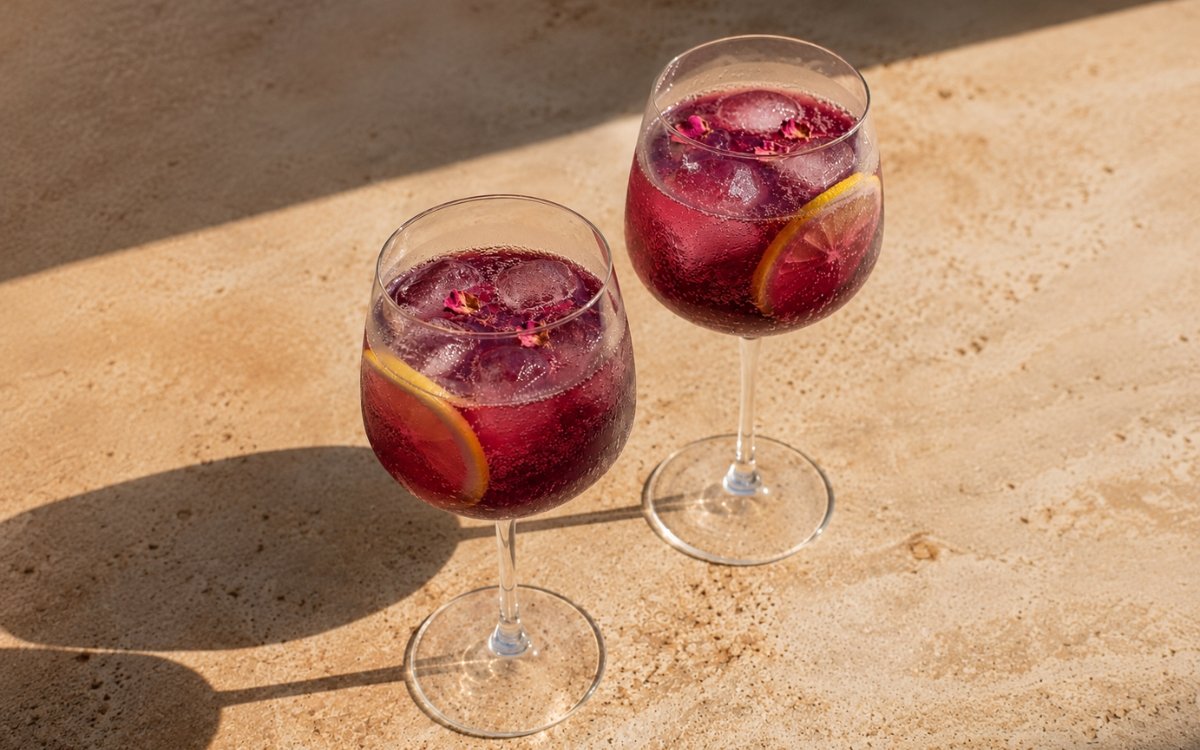
The rose infusion built first — dried rose petals brought just to simmer, removed from heat, steeped covered for 10 minutes, then strained — creating the aromatic, slightly floral base water that the blackcurrants are then cooked in at the gentlest possible heat. The sequence matters: rose petals cooked directly with the blackcurrants would produce a muddled flavour where the floral and berry characters compete; infused separately into the base water and then provided as the cooking medium, the rose’s delicate aromatics are already distributed through every millilitre of liquid before the blackcurrants begin releasing their specifically deep, jammy, intensely tart juice. The result is a finished concentrate where floral and fruit exist as a specific combination rather than as two separate tastes competing for the same register. Deep purple — more specifically vivid than the hibiscus or pomegranate preparations — in a large wine glass with dried rose petals scattered on the ice surface. The fizz with the most unexpected flavour combination in this collection
Prep Time : 10 min
Cook Time : 15 min
Servings : 4
10 min
15 min
4
Ingredients
For the Blackcurrant Rose Base
• 250g blackcurrants — fresh or frozen
• 300ml water
• 15g dried rose petals, food-grade — this one on Amazon
• 45g honey — this one on Amazon
• Zest of 1 lemon
• 30ml fresh lemon juice — added after straining
For the Garnish
• 4 thin lemon slices
• Dried rose petals, food-grade
This post may contain affiliate links. As an Amazon Associate I earn from qualifying purchases, at no additional cost to you.
Directions
- Build the Rose Infusion
Bring the 300ml of water to a gentle simmer in a medium saucepan over medium heat. Remove from heat the moment simmering begins. Add the 15g of dried rose petals immediately and cover the saucepan. Steep covered for 10 minutes. The covered steep is the same technique from the elderflower tonic — rose petals’ most volatile aromatic compounds (geraniol, citronellol, and various damascenone-family compounds responsible for the classic rose fragrance) evaporate readily as steam and the cover traps them within the steeping vessel, condensing them back into the liquid as the temperature declines. Uncovered rose petal steeping loses a significant proportion of the aromatic character; covered steeping retains it at the specific concentration that makes the finished drink taste unmistakably of rose without being perfumed. After 10 minutes, strain through a fine-mesh sieve and discard the rose petals. The finished rose infusion should be a pale golden-pink with a clearly detectable floral fragrance. Return the strained infusion to the clean saucepan. - Cook the Blackcurrants in the Rose Infusion
Add the 250g of blackcurrants (fresh or frozen — frozen blackcurrants work equally well and often have an advantage of being available year-round at consistent quality), the 45g of honey, and the zest of 1 lemon to the rose infusion. Place over the absolute lowest available heat. Cook gently for 5 minutes, stirring occasionally, until the blackcurrants soften and visibly begin releasing their juice — the liquid deepening from the rose infusion’s pale golden-pink to a deep, vivid purple-magenta as the blackcurrant juice extracts progressively into the surrounding liquid. The very low heat throughout is specifically important for two reasons. First, the rose infusion’s delicate aromatic compounds — already extracted and distributed through the base water — are vulnerable to further evaporation at higher temperatures. The very low heat preserves them while still providing sufficient warmth to soften the blackcurrants and extract their colour and juice. Second, blackcurrant’s most characteristic volatile aromatic compounds (particularly 4MMP, the same compound that makes Sauvignon Blanc wines specifically aromatic) are sensitive to prolonged high heat and diminish under aggressive simmering. Very gentle warming for 5 minutes extracts the berry’s depth without cooking away the fresh, slightly wine-adjacent character that makes blackcurrant specifically more interesting than other dark berries. - Mash and Steep Off Heat
Remove the saucepan from the heat. Allow to stand for 10 minutes. During this off-heat rest, the blackcurrants continue softening in the warm surrounding liquid and their colour and flavour continue extracting at a declining temperature. After 10 minutes, use a spoon or potato masher to mash the blackcurrants thoroughly into the liquid — pressing down and working the berry solids until they have broken down completely and the juice is fully extracted. - Strain and Add Lemon Juice
Strain the mixture through a fine-mesh sieve over a clean jug, pressing firmly on the blackcurrant and lemon zest solids to extract as much deep, vivid base as possible. Blackcurrant is a high-pectin fruit — the pressing will feel thicker and more resistant than the pressing of lower-pectin berries like raspberries. Press until the solids in the sieve are relatively dry. The finished strained base should be a deeply vivid, slightly thick, purple-magenta liquid with a concentrated aroma that combines floral rose, deep berry, and the lemon zest’s bright citrus thread. Stir in the 30ml of fresh lemon juice. The lemon juice is added after straining rather than during the cooking for the same reason applied throughout this collection — its fresh, volatile aromatic character and clean acidity are preserved at room temperature and would be significantly diminished if added to the hot cooking liquid. Transfer to the refrigerator and chill completely — a minimum of 30 minutes. - Assemble and Serve
Fill four large wine glasses generously with ice cubes. The large wine glass format is the specific choice for this preparation — the wide bowl both shows the vivid purple colour at its most visually striking and allows the dried rose petal garnish to be scattered over the ice surface with maximum visual impact. Divide the chilled blackcurrant rose base evenly among the glasses — approximately 80–85ml per glass, the relatively higher proportion of base to soda reflecting the blackcurrant’s robust flavour concentration that needs the full serving to remain vivid through the soda dilution. Top each glass with approximately 125ml of chilled club soda, pouring gently down the inner side of the glass. Stir gently once or twice. Press a thin lemon slice against the inner side of each glass below the ice level. Scatter a small pinch of dried rose petals — food-grade, not decorative — directly over the ice surface of each glass. The petals provide both the visual signature of the drink and a delicate floral scent that rises with each sip’s carbonation.
*Notes :
- Food-grade dried rose petals — produced from Damask roses (Rosa damascena) or Rosa centifolia, specifically dried without pesticides or fragrance additions for culinary use — are available at specialty food shops, online tea suppliers, and Middle Eastern grocery stores that stock dried botanicals. Decorative dried rose petals intended for potpourri, weddings, or bath products are specifically not suitable for culinary use — they may contain fragrance oils, pesticide residues, or dyes. Always verify the packaging states food-grade or culinary-grade before using.
- Blackcurrants are one of the most intensely flavoured berries in the European berry canon — higher in vitamin C than most citrus fruits, with a specifically deep, tannic, slightly wine-adjacent flavour profile that is immediately distinguishable from milder berries like blueberries or cherries. Their intense anthocyanin concentration produces the deep purple-magenta colour that makes this mocktail visually distinctive. The combination of blackcurrant’s depth with rose’s floral delicacy is a classic pairing in European patisserie and drink-making — the floral note lifting and perfuming the berry’s intensity into something more complex than either alone.
Why This Mocktail Works
This recipe works because the rose is infused separately first and provides the cooking medium for the blackcurrants — the floral aromatics distributed throughout the base water before any berry juice enters, producing a combination where rose and blackcurrant are integrated rather than layered.
The very low heat and brief cooking preserve both the rose infusion’s delicate aromatics and the blackcurrant’s characteristic fresh-berry volatiles. And the lemon juice is added cold after straining to contribute its clean acidity as a fresh top note.
Ingredient Breakdown
Rose Petal Infusion (Covered, Off-Heat Steep)
The aromatic foundation built first — the separate infusion distributing the floral aromatics throughout the base water before any berry juice enters, producing integration rather than competition.
Blackcurrants Cooked at Very Low Heat (5 Minutes)
The deep, vivid colour and flavour extraction — very low heat preserving both the rose infusion’s aromatics and the blackcurrant’s fresh character while extracting colour and juice.
Honey (Added to the Rose Infusion)
The aromatic sweetener — its own floral complexity specifically complementary to both the rose’s florality and the blackcurrant’s depth.
Lemon Zest (In the Cooking) and Lemon Juice (After Straining)
The dual citrus approach — zest contributing aromatic citrus thread through the gentle cooking; juice added fresh for clean top-note brightness.
Large Wine Glass with Rose Petal Garnish
The presentation choice — wide bowl maximising the vivid purple colour’s visual impact; scattered petals providing the specific visual identity and aromatic surface.
Flavor Structure Explained
This Blackcurrant rose fizz follows a layered balance model:
- Deep berry core (blackcurrant)
- Delicate floral aromatics (rose)
- Bright tart lift (blackcurrant acidity, lemon)
- Warm floral sweetness (honey)
- Crisp sparkling finish (club soda)
Blackcurrant defines the foundation with rich berry intensity, gentle tannic depth, and a sophisticated fruit character that feels more mature than sweeter berries. Rose adds an elegant floral layer that contrasts the dark fruit and gives the drink its distinctive personality. Lemon sharpens the profile with fresh acidity, making the berry and floral notes feel brighter and more refreshing. Honey provides rounded sweetness that naturally complements both blackcurrant and rose without masking their complexity. Club soda completes the structure with clean carbonation, creating a light, sparkling finish that keeps the drink lively despite its deep and layered flavor profile.
Common Mistakes to Avoid
- Not Covering the Saucepan During Rose Steeping – Uncovered rose petal steeping loses the volatile floral aromatic compounds as steam. Always cover.
- Using Decorative Rather Than Food-Grade Rose Petals – Non-culinary rose petals may contain pesticides, fragrance oils, or dyes. Always verify food-grade before using.
- Using High Heat for the Blackcurrant Cooking – High heat evaporates both the rose infusion’s aromatics and the blackcurrant’s fresh volatile character. Always very low heat throughout the 5-minute cooking.
- Adding Lemon Juice During Cooking – Fresh lemon juice loses its aromatic character at cooking temperature. Always add cold after straining.
- Not Pressing the Blackcurrant Solids Firmly – Blackcurrant is high-pectin and the solids retain a significant proportion of the colour and flavour. Always press firmly through the sieve.
- Mixing carbonation too early — bubbles fade before serving.
Variations
With Cassis Character
Add 1 tbsp of elderflower cordial to the finished strained base — the elderflower’s floral character alongside the rose and blackcurrant produces a more complex, more layered floral profile.
With Cardamom
Add 3 lightly crushed cardamom pods to the saucepan with the blackcurrants — the cardamom’s specifically floral, slightly sweet aromatic depth is one of the most complementary spices to both rose and blackcurrant.
With Sparkling Rosé Water
Replace the club soda with chilled sparkling mineral water for a softer, more mineral-flavoured finish that specifically complements the rose infusion’s floral character.
Frozen Version
Pour the finished strained base (without club soda) into ice lolly moulds and freeze for 4 hours — the deep purple colour and concentrated flavour produce a visually striking and specifically complex fruit lolly.
Storage & Make-Ahead
Blackcurrant rose base can be refrigerated in a sealed jar for up to 4 days. Its color remains vibrant thanks to the high concentration of anthocyanins in the blackcurrants, while the flavor continues to deepen and integrate during the first 24 hours of storage. The rose notes are at their most pronounced within the first 48 hours, making this base ideal for preparing about 1 day in advance.
Once assembled, the drinks are not suitable for storage and should be served immediately.
Frequently Asked Questions
Why infuse the rose separately rather than cooking it with the blackcurrants?
Rose petals cooked directly with blackcurrants produce a muddled flavour where the delicate floral aromatics are overwhelmed and partially destroyed by the blackcurrant juice’s natural acidity and the heat. Infused first into the base water, the rose aromatics are distributed throughout the liquid before any berry juice enters — producing a base where floral and fruit are integrated from the beginning rather than competing.
What are food-grade dried rose petals?
Food-grade dried rose petals are specifically produced for culinary use — dried without pesticides, fragrance oils, or synthetic additives. Damask rose or centifolia rose petals are the standard culinary varieties. Available at specialty food shops, tea suppliers, and Middle Eastern grocery stores. Always verify food-grade or culinary-grade on the packaging — decorative rose petals intended for non-food use are not safe for culinary application.
Why very low heat for the blackcurrant cooking?
Blackcurrant’s characteristic fresh, wine-adjacent aromatic compounds (particularly 4-mercapto-4-methylpentan-2-one, found also in Sauvignon Blanc) are volatile and diminish with prolonged high heat. Very low heat for 5 minutes extracts the colour and depth while retaining a significant proportion of the fresh character. Additionally, the rose infusion’s delicate aromatics in the cooking medium require protection from the evaporation that higher temperatures cause.
Can I use frozen blackcurrants?
Yes — frozen blackcurrants are an excellent option for this recipe and are often more consistently available than fresh ones. Frozen berries have had their cell walls pre-broken by the freezing process, meaning they release juice even more readily during the gentle cooking than fresh berries. Add them directly from frozen — no need to thaw first.
What other rich, acidic mocktails share this flavour direction?
The Virgin Spanish Sangria shares the same rich, fruit-forward, specifically tart-and-deep character — a multi-fruit blend with the same adult, complex-fruit-and-acidity profile. The Blackberry Mojito Mocktail shares the deep dark-berry base and the vivid citrus brightness — built on a lime-and-verjus foundation rather than a cooked syrup, producing a more immediately fresh and herb-forward version of the same rich-acid-fruit direction.
Nutrition Facts
( per serving )
Calories
~80 kcal
Protein
0 g
Fat
0 g
Carbs
21 g
Calories
~80 kcal
Protein
0 g
Fat
0 g
Carbs
21 g
Related Recipes
Related Recipes

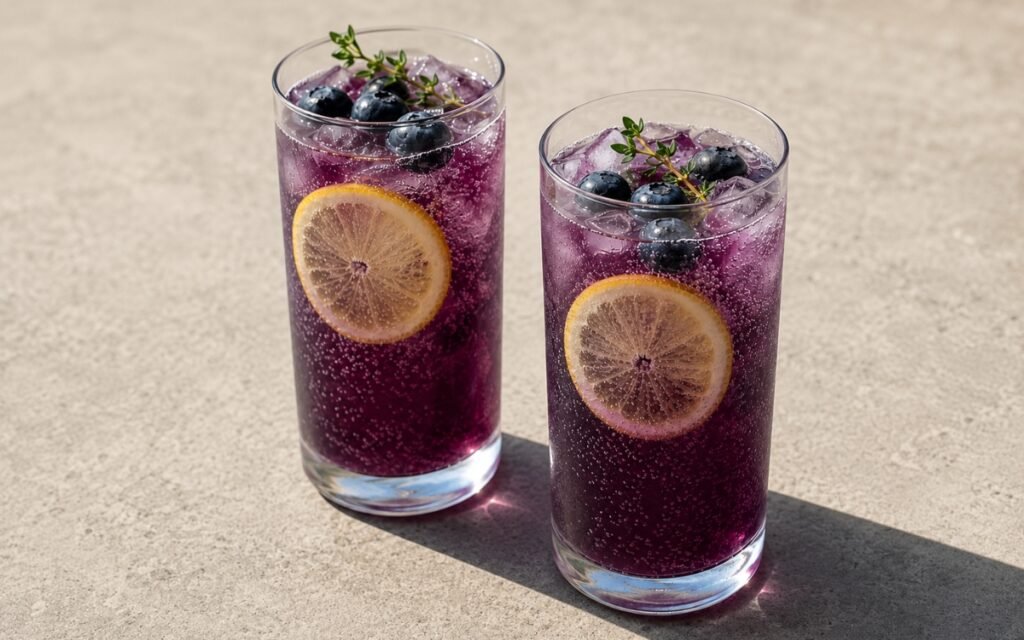
Blueberry Lemon Thyme Spritzer Mocktail
Thyme-infused blueberries with honey and lemon over club soda — deep purple and herbal-warm.
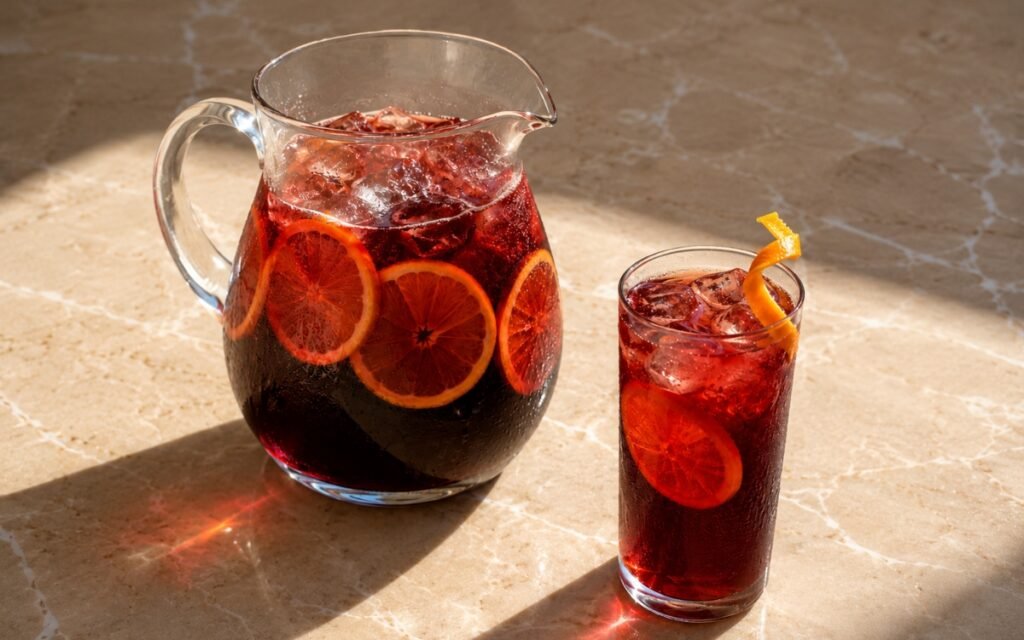
Virgin Spanish Sangria
Wine-like citrus mocktail with macerated fruit and verjus, lightly tannic, bright, festive, and convincingly grown-up.
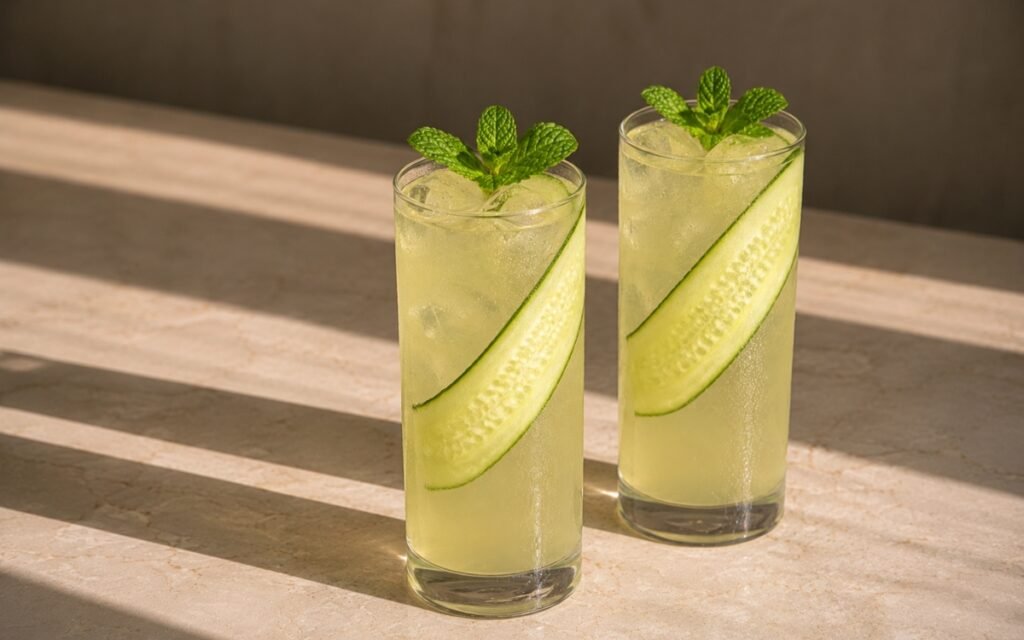
Cucumber Agua Fresca
Ultra-refreshing cucumber agua fresca with lime and subtle jalapeño heat, light, crisp, deeply hydrating green refreshment.
You might also like
You might also like
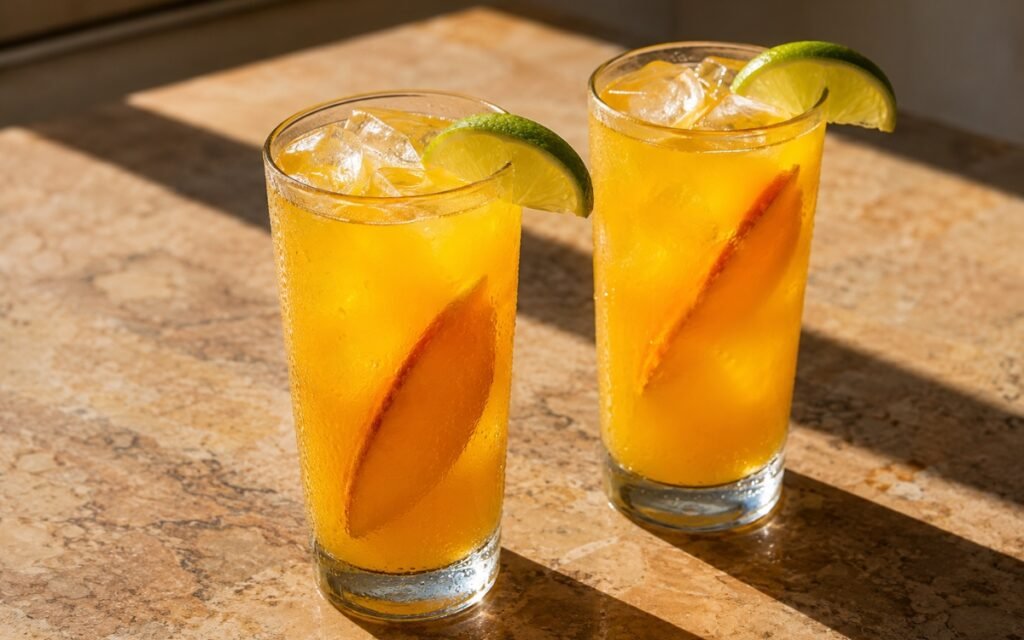
Fresh Mango Lemonade
Mango simmered at medium-low heat with lime zest, ginger off heat exactly 2 minutes — lemon and lime juice added cold, chilled. Tropical, golden, and bright.
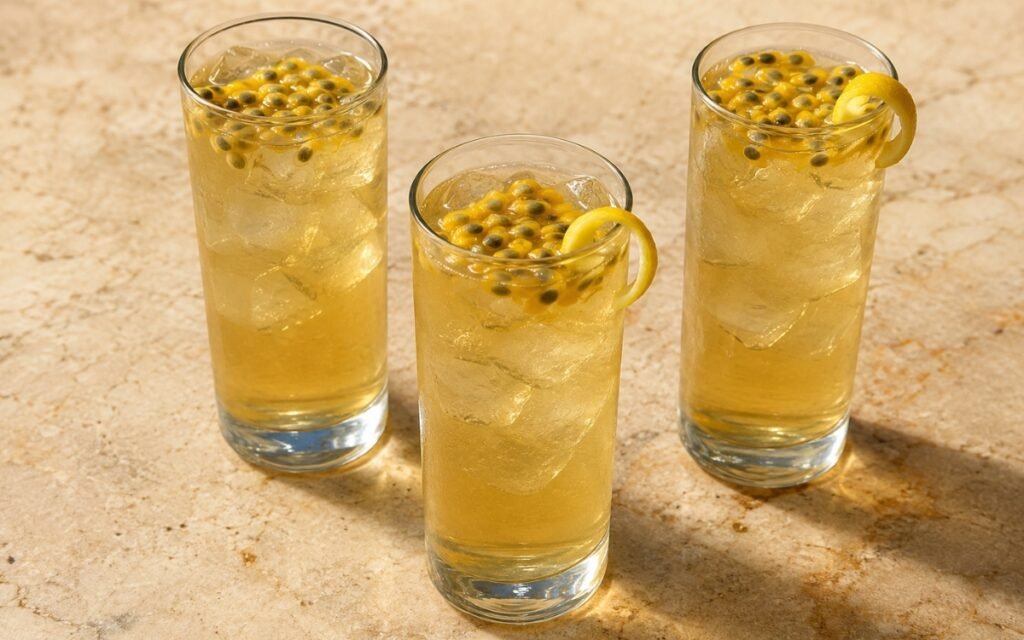
Passion Fruit White Iced Tea
White tea at 75–80°C for 3–4 minutes, lemon peel infused cold, passion fruit gently strained and added gradually — honey, chilled. Bright, tropical, refined.
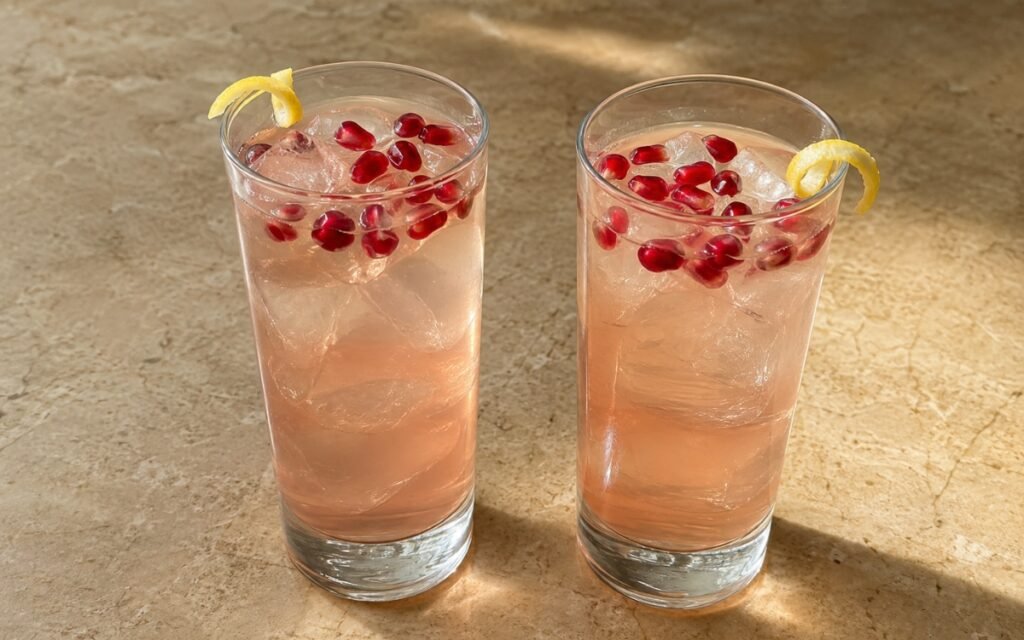
Pomegranate Iced Green Tea
Green tea at 75–80°C for 2–3 minutes, lemon peel infused cold, pomegranate arils gently fork-pressed and lightly strained — chilled. Bright, crisp, lightly fruity.
Blackcurrant Rose Fizz Mocktail
Ingredients
Method
- Bring the 300ml of water to a gentle simmer in a medium saucepan over medium heat. Remove from heat the moment simmering begins. Add the 15g of dried rose petals immediately and cover the saucepan. Steep covered for 10 minutes. The covered steep is the same technique from the elderflower tonic — rose petals’ most volatile aromatic compounds (geraniol, citronellol, and various damascenone-family compounds responsible for the classic rose fragrance) evaporate readily as steam and the cover traps them within the steeping vessel, condensing them back into the liquid as the temperature declines. Uncovered rose petal steeping loses a significant proportion of the aromatic character; covered steeping retains it at the specific concentration that makes the finished drink taste unmistakably of rose without being perfumed. After 10 minutes, strain through a fine-mesh sieve and discard the rose petals. The finished rose infusion should be a pale golden-pink with a clearly detectable floral fragrance. Return the strained infusion to the clean saucepan.
- Add the 250g of blackcurrants (fresh or frozen — frozen blackcurrants work equally well and often have an advantage of being available year-round at consistent quality), the 45g of honey, and the zest of 1 lemon to the rose infusion. Place over the absolute lowest available heat. Cook gently for 5 minutes, stirring occasionally, until the blackcurrants soften and visibly begin releasing their juice — the liquid deepening from the rose infusion’s pale golden-pink to a deep, vivid purple-magenta as the blackcurrant juice extracts progressively into the surrounding liquid. The very low heat throughout is specifically important for two reasons. First, the rose infusion’s delicate aromatic compounds — already extracted and distributed through the base water — are vulnerable to further evaporation at higher temperatures. The very low heat preserves them while still providing sufficient warmth to soften the blackcurrants and extract their colour and juice. Second, blackcurrant’s most characteristic volatile aromatic compounds (particularly 4MMP, the same compound that makes Sauvignon Blanc wines specifically aromatic) are sensitive to prolonged high heat and diminish under aggressive simmering. Very gentle warming for 5 minutes extracts the berry’s depth without cooking away the fresh, slightly wine-adjacent character that makes blackcurrant specifically more interesting than other dark berries.
- Remove the saucepan from the heat. Allow to stand for 10 minutes. During this off-heat rest, the blackcurrants continue softening in the warm surrounding liquid and their colour and flavour continue extracting at a declining temperature. After 10 minutes, use a spoon or potato masher to mash the blackcurrants thoroughly into the liquid — pressing down and working the berry solids until they have broken down completely and the juice is fully extracted.
- Strain the mixture through a fine-mesh sieve over a clean jug, pressing firmly on the blackcurrant and lemon zest solids to extract as much deep, vivid base as possible. Blackcurrant is a high-pectin fruit — the pressing will feel thicker and more resistant than the pressing of lower-pectin berries like raspberries. Press until the solids in the sieve are relatively dry. The finished strained base should be a deeply vivid, slightly thick, purple-magenta liquid with a concentrated aroma that combines floral rose, deep berry, and the lemon zest’s bright citrus thread. Stir in the 30ml of fresh lemon juice. The lemon juice is added after straining rather than during the cooking for the same reason applied throughout this collection — its fresh, volatile aromatic character and clean acidity are preserved at room temperature and would be significantly diminished if added to the hot cooking liquid. Transfer to the refrigerator and chill completely — a minimum of 30 minutes.
- Fill four large wine glasses generously with ice cubes. The large wine glass format is the specific choice for this preparation — the wide bowl both shows the vivid purple colour at its most visually striking and allows the dried rose petal garnish to be scattered over the ice surface with maximum visual impact. Divide the chilled blackcurrant rose base evenly among the glasses — approximately 80–85ml per glass, the relatively higher proportion of base to soda reflecting the blackcurrant’s robust flavour concentration that needs the full serving to remain vivid through the soda dilution. Top each glass with approximately 125ml of chilled club soda, pouring gently down the inner side of the glass. Stir gently once or twice. Press a thin lemon slice against the inner side of each glass below the ice level. Scatter a small pinch of dried rose petals — food-grade, not decorative — directly over the ice surface of each glass. The petals provide both the visual signature of the drink and a delicate floral scent that rises with each sip’s carbonation.