
Fresh Basil Pesto (Weeknight Batch)
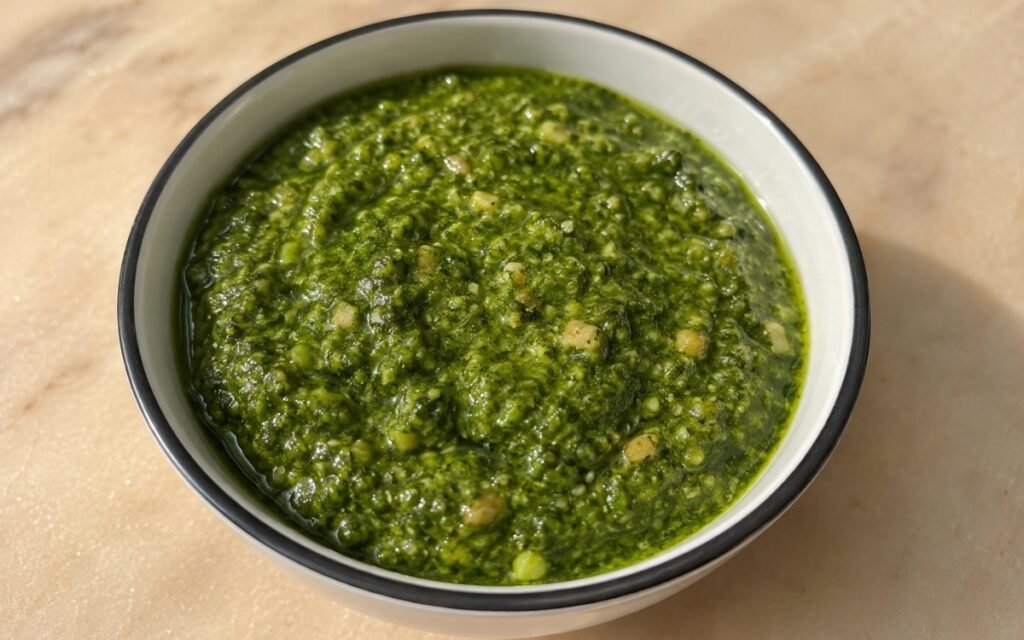
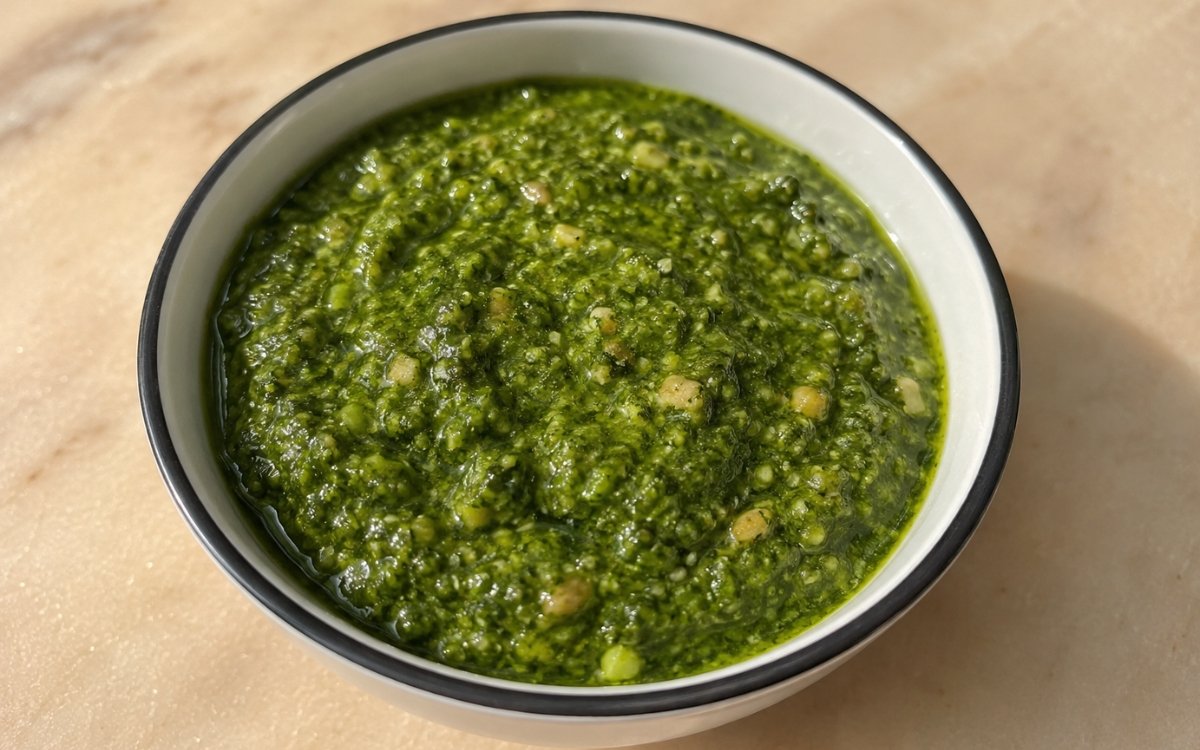
This perfectly sized basil pesto delivers big Italian flavor without waste. Fresh basil, toasted pine nuts, and Parmesan blend into a vibrant sauce that transforms pasta, sandwiches, and vegetables all week long.
Prep Time : 10 min
Cook Time : 0 min
Servings : 4
10 min
0 min
4
Ingredients
Green Pesto Base
• 60g fresh basil leaves, about 2 packed cups, stems removed
• 30g pine nuts, lightly toasted — this one on Amazon
• 30g Parmesan cheese, freshly grated — this one on Amazon
• 10g garlic, 2 cloves
Liquid
• 80ml extra-virgin olive oil — this one on Amazon
• 15ml fresh lemon juice, optional, for brightness
Seasoning
• 3g salt
• Freshly ground black pepper to taste
This post may contain affiliate links. As an Amazon Associate I earn from qualifying purchases, at no additional cost to you.
Directions
- Dry-Toast the Pine Nuts
Place pine nuts in a dry skillet over medium heat. Toast without oil, stirring or shaking constantly for 2–3 minutes until golden and fragrant. The change from pale to perfectly toasted happens quickly. Remove immediately and transfer to a plate to stop further cooking. Let them cool completely before processing. - Wash and Dry the Basil Thoroughly
Rinse basil leaves in a bowl of cold water, then lift out to drain. Dry very well using a salad spinner and paper towels. Excess moisture dilutes flavor and accelerates oxidation. Remove thick stems and keep leaves loose and unbruised. - Pulse the Aromatics First
Add garlic cloves to the food processor and pulse 5–6 times until finely minced. This creates an even flavor base before adding the other ingredients. - Add Nuts and Cheese
Add cooled pine nuts and Parmesan, pulsing 6–8 times until finely chopped and crumb-like. This ensures proper texture before the basil is introduced. - Incorporate Basil and Emulsify with Oil
Add basil leaves and pulse until roughly chopped. With the processor running, slowly drizzle in olive oil in a thin stream to form a smooth, cohesive pesto. Scrape down the bowl and process briefly to finish. Add lemon juice if using, then season. - Store with a Protective Oil Layer
Transfer pesto to a container and smooth the surface. Drizzle a thin, continuous layer of olive oil over the top to prevent oxidation and preserve color. Seal airtight and refrigerate.
*Notes :
- The sequential blending order — garlic first, then pine nuts and cheese, then basil, then oil — is not arbitrary. Starting with garlic and the harder ingredients ensures they are finely processed before the more delicate basil is added, preventing the basil from being over-processed while the other components catch up.
- Freshly grated Parmesan from a block produces dramatically better pesto than pre-grated cheese from a container. Freshly grated Parmesan has more moisture, stronger flavor, and a finer texture that integrates smoothly into the sauce. Pre-grated Parmesan is often dried out and may contain cellulose additives that affect the pesto’s texture.
- The olive oil layer on top of stored pesto is the single most important step for preserving the vibrant green color. Pesto turns brown through enzymatic oxidation when basil’s cell walls are broken during processing and exposed to air. The oil barrier prevents this contact and keeps the pesto looking fresh for days longer.
Why This Mocktail Works
This pesto works because each preparation step serves the final result: toasting pine nuts develops their flavor beyond raw nuttiness; thoroughly drying the basil preserves the oil emulsion and the color; adding oil gradually creates a more stable, cohesive sauce; and the oil storage layer keeps the pesto vibrant. Skipping any of these steps produces a noticeably inferior result.
Ingredient Breakdown
Fresh Basil
Provides the primary green color, aromatic freshness, and distinctive sweet-herbal flavor identity of pesto.
Toasted Pine Nuts
Add rich, buttery nuttiness and creamy texture. Toasting develops their flavor from flat and raw to warm and complex.
Parmesan
Contributes sharp, savory, umami depth that grounds the brightness of the basil and gives the sauce lasting flavor.
Garlic
Provides pungent aromatic foundation that elevates the entire sauce.
Extra-Virgin Olive Oil
Carries all other flavors, creates the emulsified texture, and provides smooth Mediterranean richness.
Flavor Structure Explained
This sauce follows a layered balance model:
- Dominant aromatic identity (fresh basil)
- Nutty depth (toasted pine nuts)
- Umami richness (Parmesan)
- Pungent aromatics (garlic)
- Smooth fat base (olive oil)
Basil defines the core character, delivering a fresh, aromatic intensity that leads the profile. Pine nuts add rounded, nutty depth that supports without overpowering. Parmesan contributes concentrated umami, giving the sauce weight and savory complexity. Garlic introduces sharp aromatic edge, preventing the profile from feeling too soft. Olive oil binds everything together, creating a smooth, cohesive texture and carrying the flavors evenly across the palate.
Common Mistakes to Avoid
- Burning the Pine Nuts – Pine nuts are expensive and can go from golden to burnt in under a minute. Never leave the pan unattended during toasting.
- Wet Basil – Moisture dilutes the sauce and accelerates oxidation. Dry the basil completely before processing.
- Over-processing – Running the food processor too long generates heat from friction that darkens the basil and produces a pasty texture. Work quickly — the pesto should retain some texture.
- Skipping the Oil Layer – Without the olive oil surface barrier, pesto turns dark brown within hours of storage.
Variations
Walnut Pesto
Replace pine nuts with lightly toasted walnuts for a more robust, slightly bitter flavor profile.
Nut-Free Version
Substitute toasted sunflower seeds or pepitas for a nut-free pesto that still provides the required creamy texture.
Arugula Pesto
Replace half the basil with baby arugula for a peppery, more assertive flavor.
Sun-Dried Tomato Basil Pesto
Add 30g of drained, oil-packed sun-dried tomatoes for a rich, intensely flavored variation.
Storage & Make-Ahead
Store in an airtight container in the refrigerator for up to 5 days with the olive oil layer on top. For longer storage, freeze in ice cube trays for up to 3 months — frozen pesto cubes can be dropped directly into hot pasta or soups from frozen. Thaw in the refrigerator overnight for other uses.
Frequently Asked Questions
My pesto turned dark brown — what happened?
Basil oxidizes rapidly when its cell walls are broken. Causes include wet basil, over-processing, insufficient oil on the surface during storage, or adding the pesto to boiling pasta too vigorously.
Can I use a blender instead of a food processor?
A high-powered blender works, though it may produce a smoother, less textured pesto. Add the olive oil first to help the blending process.
What if I don’t have pine nuts?
Toasted walnuts, cashews, almonds, or pepitas all work as substitutes with varying flavor profiles.
Should I add pasta water when tossing pesto with pasta?
Yes — always add 2–3 tablespoons of starchy pasta cooking water when tossing pesto with hot pasta. This loosens the pesto and helps it cling to the pasta, creating a more cohesive, emulsified sauce.
Nutrition Facts
( per serving )
Calories
~215 kcal
Protein
4 g
Fat
22 g
Carbs
~3 g
Calories
~215 kcal
Protein
4 g
Fat
22 g
Carbs
~3 g
Related Recipes
Related Recipes

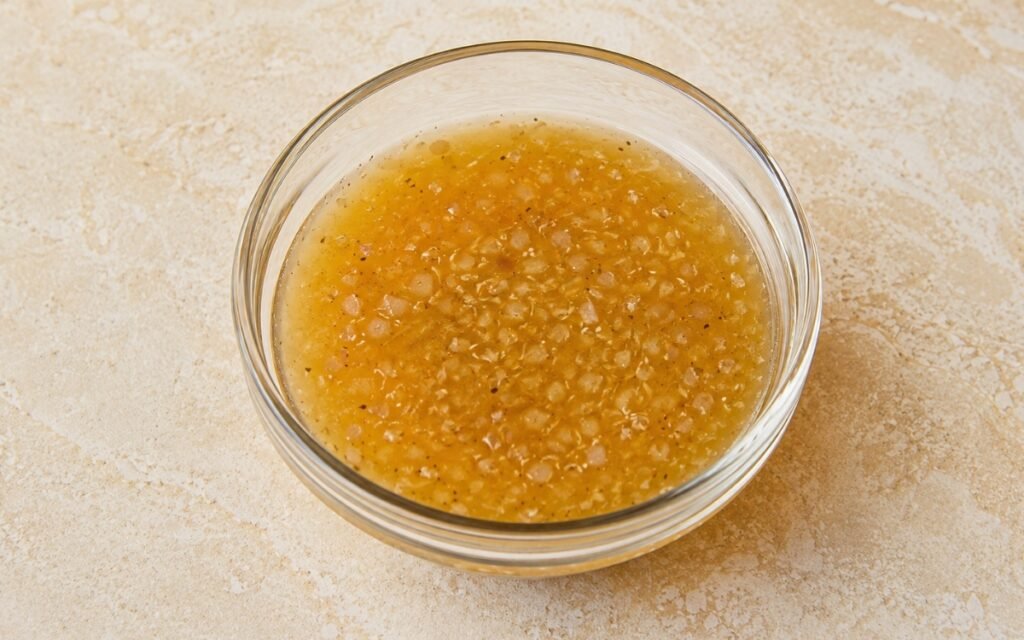
Honey Shallot Vinaigrette
Honey and macerated shallot balance apple cider vinegar in a sweet-tangy 10-minute dressing.
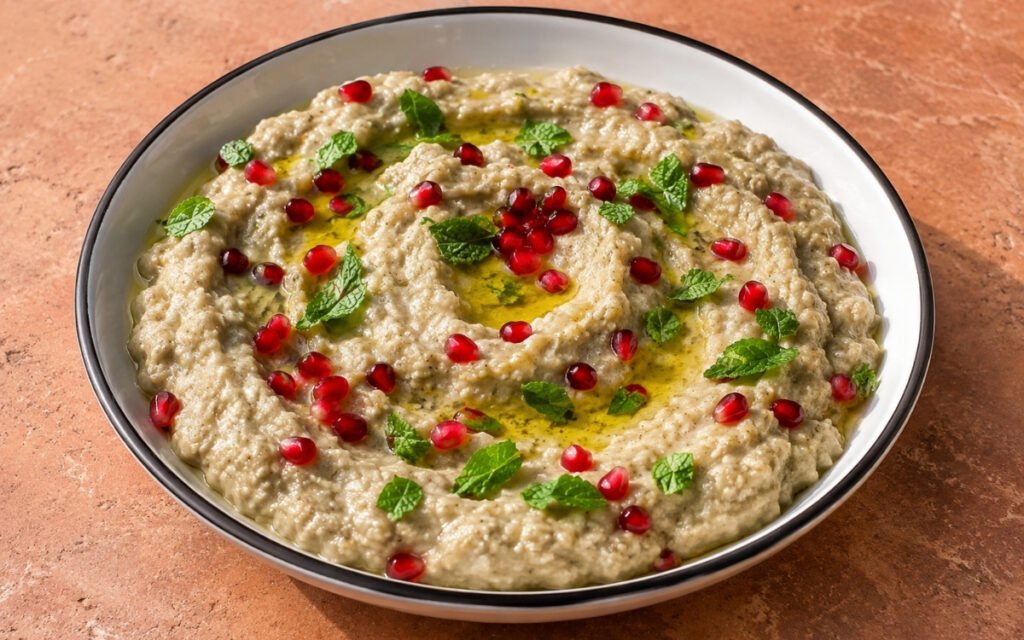
Baba Ganoush
Italian eggplants charred until smoky and caramelised, drained, and pulsed with garlic macerated in lemon juice and tahini — coarse, creamy, rested 20 minutes. Finished with pomegranate and mint.
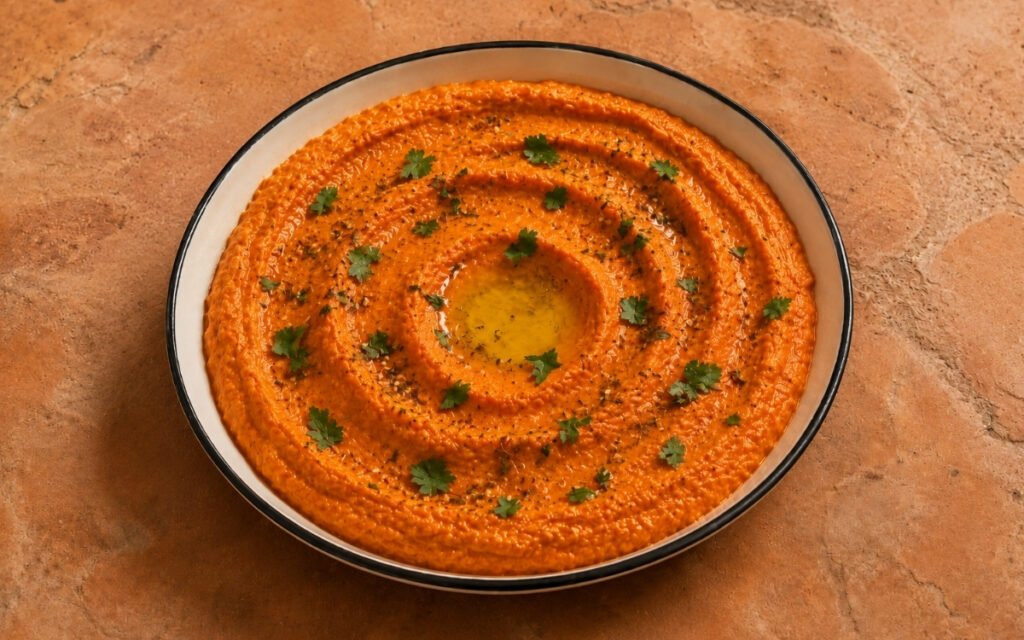
Harissa & Mint Hummus
Harissa paste and fresh mint blended into the classic chickpea-tahini base — warm building heat balanced by cooling aromatic freshness, in 45 minutes active time.
You might also like
You might also like
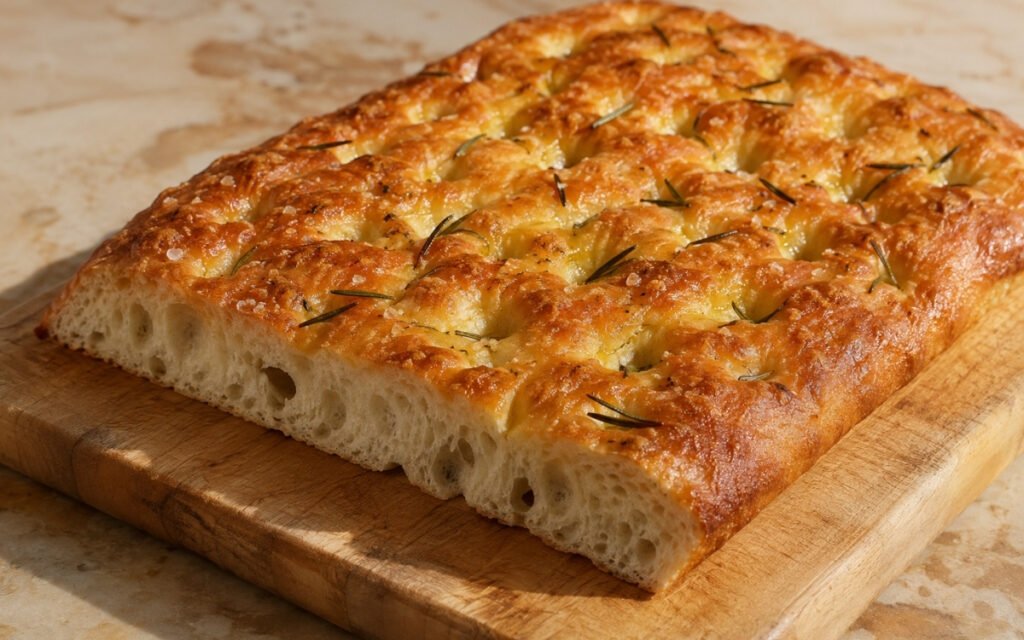
Focaccia
Golden, olive-oil-crisp focaccia with a cloud-soft open crumb, topped with za’atar, rosemary and flaky sea salt.
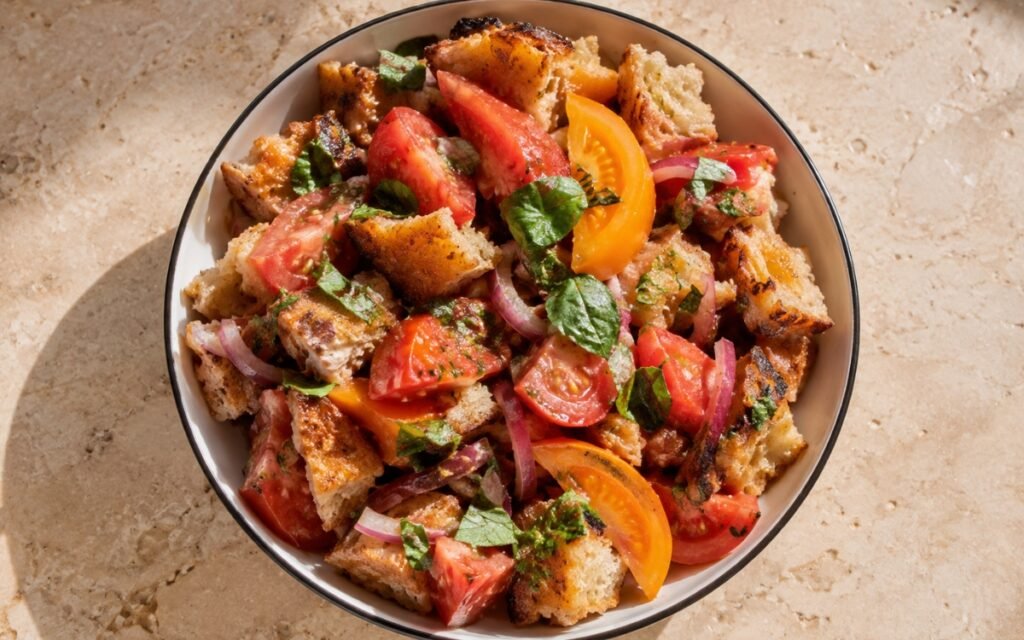
Panzanella Salad
Heirloom tomatoes salted for juice, torn sourdough toasted to crust-and-chew, red onion macerated in red wine vinegar — assembled and rested 10 minutes. The Tuscan summer salad built on timing.
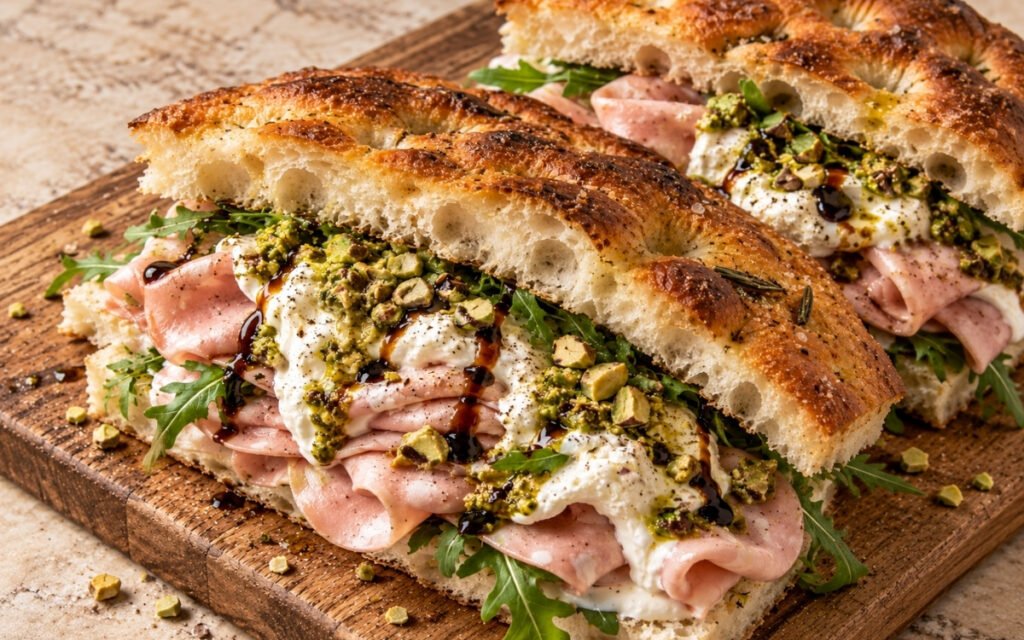
Mortadella Focaccia Sandwich with Stracciatella
Thick, airy focaccia layered with delicate mortadella and rich, creamy stracciatella for a soft, savory Italian sandwich.
Fresh Basil Pesto (Weeknight Batch)
Ingredients
Method
- Place pine nuts in a dry skillet over medium heat. Toast without oil, stirring or shaking constantly for 2–3 minutes until golden and fragrant. The change from pale to perfectly toasted happens quickly. Remove immediately and transfer to a plate to stop further cooking. Let them cool completely before processing.
- Rinse basil leaves in a bowl of cold water, then lift out to drain. Dry very well using a salad spinner and paper towels. Excess moisture dilutes flavor and accelerates oxidation. Remove thick stems and keep leaves loose and unbruised.
- Add garlic cloves to the food processor and pulse 5–6 times until finely minced. This creates an even flavor base before adding the other ingredients.
- Add cooled pine nuts and Parmesan, pulsing 6–8 times until finely chopped and crumb-like. This ensures proper texture before the basil is introduced.
- Add basil leaves and pulse until roughly chopped. With the processor running, slowly drizzle in olive oil in a thin stream to form a smooth, cohesive pesto. Scrape down the bowl and process briefly to finish. Add lemon juice if using, then season.
- Transfer pesto to a container and smooth the surface. Drizzle a thin, continuous layer of olive oil over the top to prevent oxidation and preserve color. Seal airtight and refrigerate.