
Fig Honey Lemon Sparkler Mocktail
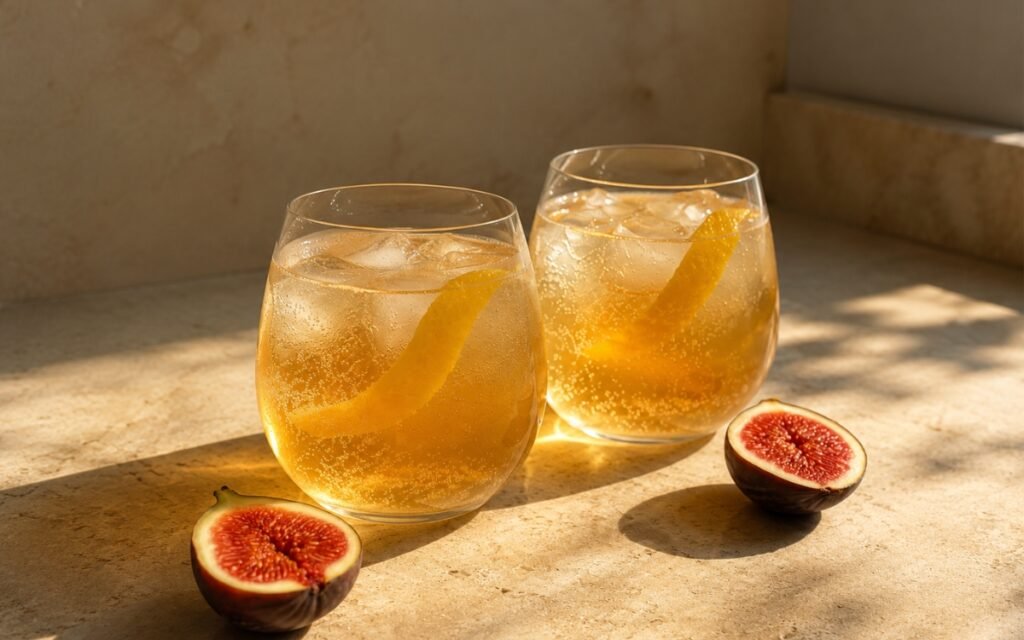
Fig is the most aromatic, most complex, and most specifically seasonal fruit in this mocktail collection — its flavour a concentrated combination of warm honey sweetness, wine-adjacent complexity, subtle earthiness, and a specifically lush fruitiness that no other fruit approximates. It is also among the most heat-fragile: the volatile aromatic compounds in ripe fig flesh begin evaporating at temperatures above approximately 50°C, leaving behind the jam-like, cooked-fig sweetness that appears in fig preserves but losing the fresh, specifically floral fruitiness that makes ripe raw fig worth using in a drink preparation. The temperature below 40°C throughout the 10-minute cooking period — the same protective approach applied to apricot and pear in this collection — specifically preserves these compounds while still softening the fig’s flesh sufficiently for mashing and pressing. Honey as the sweetener specifically because honey and fig share overlapping aromatic compounds, the combination producing a resonance rather than two separate sweetness characters. Lemon juice added after cooling for its preserved acidity. A long lemon peel strip curled through each wine glass for the aromatic citrus impression that rises at every sip. The late summer mocktail that tastes like the best version of the season.
Prep Time : 10 min
Cook Time : 10 min
Servings : 4
10 min
10 min
4
Ingredients
For the Fig-Honey Base
• 3 ripe figs — approximately 180g total — halved and flesh scooped from the skin
• 80g honey — this one on Amazon
• 200ml water
• Zest of 1 lemon
• 45ml fresh lemon juice — added off heat
For the Garnish
• 4 long thin strips of lemon peel — peeled with a vegetable peeler, approximately 12–15cm
This post may contain affiliate links. As an Amazon Associate I earn from qualifying purchases, at no additional cost to you.
Directions
- Select and Prepare the Figs
The fig variety and its ripeness are as critical here as the honeydew in the agua fresca or the apricots in the apricot vanilla sparkler — this preparation has no heat concentration to amplify a mild or under-ripe fruit’s flavour. A perfectly ripe fig yields completely to gentle pressure, has skin that is beginning to split or wrinkle at the stem, and produces a specifically sweet, wine-adjacent, deeply fruity aroma. Black Mission, Brown Turkey, Kadota, or any variety at peak ripeness will produce good results; the variety matters less than the ripeness stage. Under-ripe figs have a green, slightly astringent, latex-flavoured interior that is specifically unpleasant in a drink preparation and that no technique can correct. Halve each fig and use a small spoon to scoop the flesh and seeds from the skin — the flesh’s interior is where the specific aromatic compounds concentrate. The skin is specifically excluded here, unlike the kiwi and apple preparations in this collection: fig skin’s slightly leathery, tannin-adjacent character would add astringency to the finished base at the gentle cooking temperature without contributing the fig’s characteristic warm sweetness. Including only the flesh produces a cleaner, more specifically fig-forward base. - Cook at the Lowest Possible Heat
Combine the scooped fig flesh, 80g of honey, 200ml of water, and the lemon zest in a small saucepan. Place over the absolute lowest available heat. The temperature target — below approximately 40°C throughout the cooking period — is the same as the apricot vanilla preparation. At this temperature the fig’s flesh softens progressively as its pectin structure relaxes and the cells release their juice into the surrounding honey-water medium. The honey dissolves quickly in the warm water. The lemon zest’s aromatic oils infuse into the honey’s sugar matrix during the 10-minute period. Cook for 10 minutes, stirring occasionally and pressing the fig pieces gently with the back of the spoon to begin breaking them down. The liquid should feel warm but not hot — no visible steam, no simmering movement, no bubbles from the pan surface. At the end of 10 minutes the figs should be noticeably softer, their edges beginning to dissolve into the surrounding liquid, and the mixture should be a warm amber-pink. - Remove from Heat, Add Lemon Juice, and Mash
Remove the saucepan from the heat. Allow to cool for 5 minutes. Stir in the 45ml of fresh lemon juice — the off-heat addition preserving the lemon’s bright, aromatic acidity that the heat would dull. Using a potato masher or the back of a large spoon, mash the softened figs thoroughly into the syrup — pressing firmly until each piece has broken down completely and the mixture appears uniformly textured with no whole fig pieces remaining. The mashing at this post-cooking stage extracts the remaining juice and aromatic compounds from the softened flesh more completely than the gentle cooking alone achieves — the same combined cook-then-mash approach applied throughout this collection’s fruit preparations. - Strain and Chill
Strain through a fine-mesh sieve over a clean jug, pressing firmly on the mashed fig solids to extract as much of the amber, aromatic base as possible. Fig has a moderate pectin content — the pressing will require sustained pressure but is more manageable than very high-pectin fruits. The finished strained base should be a clear, warm amber colour — the specific golden-pink of ripe fig juice — and specifically fragrant: honey’s floral warmth, lemon’s aromatic brightness, and fig’s distinctively warm, wine-adjacent fruitiness all present simultaneously. Discard the strained solids. Transfer to the refrigerator and chill completely — a minimum of 30 minutes. - Prepare the Lemon Peel Garnish and Assemble
Using a vegetable peeler, cut 4 long strips of lemon peel — each approximately 12–15cm — pressing firmly against the lemon’s surface and following its curve in a continuous motion. The strips should have primarily yellow zest with minimal white pith. Curl each strip loosely — they will hold a partial curl naturally. Fill four wine glasses generously with ice. Divide the chilled fig-honey base evenly — approximately 70–75ml per glass. The wine glass format is specifically correct for this preparation’s warm, slightly formal autumn character — the wide bowl showing the amber colour and allowing the lemon peel’s expressed oils to rise with the carbonation at each sip. Top each glass with approximately 125ml of chilled club soda, poured gently. Stir once or twice. Curve the lemon peel strip through the drink, tucking one end under an ice cube and allowing the other to rest against the glass rim. Serve immediately.
*Notes :
- Fig season is brief — in the Northern Hemisphere, peak fresh fig availability is typically August through October, with a smaller early-summer crop in some varieties in June–July. Outside of fresh fig season, high-quality dried figs can be substituted: soak 60g of dried figs in 150ml of warm water for 30 minutes to rehydrate before using the soaked figs and their soaking liquid in place of fresh figs and water. The dried fig preparation produces a slightly more concentrated, slightly more caramelised result — darker in colour, warmer in sweetness, with less of the specifically fresh fig fruitiness but more of its warm earthiness.
- The honey-and-fig combination is one of the most ancient and specifically Mediterranean flavour pairings — appearing in Greek, Italian, and Middle Eastern food traditions from antiquity. The specific aromatic resonance between honey’s floral volatile compounds and fig’s warm, wine-adjacent aromatic esters is not accidental: both attract pollinators through overlapping aromatic profiles, producing an affinity in flavour that has been observed by cooks for millennia.
Why This Mocktail Works
This recipe works because the very low heat preserves fig’s heat-sensitive aromatic compounds while softening the flesh for extraction — the same protective temperature applied to apricot and pear. The skin is excluded specifically for the cleaner, less astringent base.
The mashing after cooking extracts the maximum juice from the softened flesh. And the lemon juice is added after cooling for its preserved fresh acidity alongside the honey’s specifically resonant aromatic pairing with fig.
Ingredient Breakdown
Ripe Fig Flesh Only (Skin Excluded)
The pure flavour extraction — flesh’s warm, wine-adjacent aromatic compounds without the skin’s tannin-adjacent astringency.
Below 40°C Throughout (Same as Apricot Vanilla)
The aromatic preservation technique — volatile fig esters protected at the temperature where they release into the honey-water medium without evaporating.
Honey (Aromatic Resonance With Fig)
The specifically complementary sweetener — overlapping aromatic compounds with fig producing flavour resonance rather than simple sweetening.
Lemon Zest Cooked In, Lemon Juice Off Heat
The dual citrus approach — zest integrated into the base during cooking; juice added fresh off heat for preserved bright acidity.
Long Lemon Peel Garnish
The aromatic visual element — expressed citrus oils from the peel rising with the carbonation at each sip; the garnish that serves both visual and aromatic function.
Flavor Structure Explained
This Fig honey lemon sparkler follows a layered balance model:
- Warm fruit core (fig)
- Floral sweet depth (honey)
- Bright citrus contrast (lemon juice, peel)
- Crisp sparkling lift (club soda)
- Rich autumnal complexity (fig-honey resonance)
Fig defines the foundation with concentrated sweetness, subtle earthiness, and a deep fruit character that feels richer and more mature than lighter fruits. Honey reinforces those qualities with floral warmth, creating a layered sweetness that deepens the fig rather than merely sweetening it. Lemon provides the essential contrast, adding sharp acidity and aromatic citrus oils that brighten the richer base and keep the drink from feeling heavy. Club soda finishes the structure with clean carbonation, adding freshness and lift that transform the dense fruit profile into something elegant and refreshing.
Common Mistakes to Avoid
- Including the Fig Skin – Fig skin’s tannin-adjacent character adds astringency to the base. Always scoop flesh only.
- Exceeding 40°C During Cooking – Higher temperature evaporates fig’s most volatile aromatic compounds — the specific warm fruitiness of the fresh fruit. Always the absolute lowest heat.
- Adding Lemon Juice During Cooking – Cooked lemon juice loses its bright, aromatic freshness. Always add after the heat is off.
- Not Pressing the Mashed Fig Solids Firmly – Fig solids retain a meaningful proportion of the amber, flavourful juice. Always press firmly.
- Using Under-Ripe Figs – Green, firm, astringent figs produce a flat, slightly bitter base. Always fully ripe figs that yield to gentle pressure.
Variations
With Thyme
Add 2 small fresh thyme sprigs to the saucepan with the fig for the full 10-minute cooking period — removing with the solids during straining. Thyme’s subtle herbal warmth is specifically complementary to fig in the Italian and Greek tradition.
With Vanilla
Add ½ tsp of pure vanilla extract to the strained base after straining and before chilling — the vanilla’s warm sweetness amplifies the fig’s own warm character.
With Rosemary
Add 1 small rosemary sprig to the saucepan for the final 5 minutes of cooking — removing when straining. Rosemary’s slightly more assertive herbal-pine character alongside fig is specifically Provençal in direction.
With Balsamic
Add 1 tsp of good-quality balsamic vinegar to the strained base before chilling — the balsamic’s complex sweet-sour depth alongside the fig is the classic Italian pairing and produces a more specifically complex, more wine-adjacent finished base.
Storage & Make-Ahead
Fig-honey base can be refrigerated in a sealed jar for up to 3 days. The fig’s aroma is at its most vibrant during the first 24 to 48 hours. The honey helps preserve the mixture, while the acidity from the lemon juice helps prevent browning. For the deepest and most integrated flavor, the base is best prepared one day in advance.
Once assembled, the drinks are not suitable for storage and should be served immediately after preparation.
Frequently Asked Questions
Why remove the skin before cooking?
Fig skin contains tannin-adjacent compounds that add a slightly astringent, slightly bitter character to the base at the gentle cooking temperatures used here. The flesh alone produces a cleaner, more specifically fig-forward, more lush result without the astringency.
Why below 40°C for the entire cooking period?
Fig’s primary aromatic compounds — including various esters and terpenes responsible for its warm, wine-adjacent fruitiness — are volatile at temperatures above approximately 50°C. At below 40°C they release from the softening flesh into the honey-water medium while the majority remain in the liquid rather than evaporating. Above this temperature, the aromatic character progressively shifts from fresh fig fruitiness toward the cooked, jammy sweetness of fig preserves.
What makes honey specifically the right sweetener for fig?
Honey’s primary aromatic compounds overlap with fig’s own aromatic profile — both contain various floral volatile compounds including geraniol and linalool that create specific aromatic resonance rather than simple additional sweetness. The same honey-fig pairing has appeared in Mediterranean food traditions for millennia for the same instinctive reason.
What if fresh figs are unavailable?
Soak 60g of dried figs in 150ml of warm water for 30 minutes to rehydrate, then use the soaked figs and their liquid in place of the fresh figs and water. The dried fig preparation produces a more concentrated, slightly more caramelised result — good and characterful but different from the specifically fresh fig fruitiness of the in-season version.
What other warm, honey-sweet mocktails share this character?
The Pear Ginger Sparkler shares the same commitment to very low heat for heat-sensitive fruit aromatics and the warm, golden, wine-glass elegance — pear’s delicate fruitiness protected the same way as fig’s, with ginger providing a different warm counterpoint than lemon provides here. The Spiced Honey Spritzer shares the honey-as-primary-flavour direction — a spiced honey character that is warm, aromatic, and specifically complementary to the fig sparkler’s own honey-and-fruit warmth.
Nutrition Facts
( per serving )
Calories
~90 kcal
Protein
0 g
Fat
0 g
Carbs
24 g
Calories
~90 kcal
Protein
0 g
Fat
0 g
Carbs
24 g
Related Recipes
Related Recipes

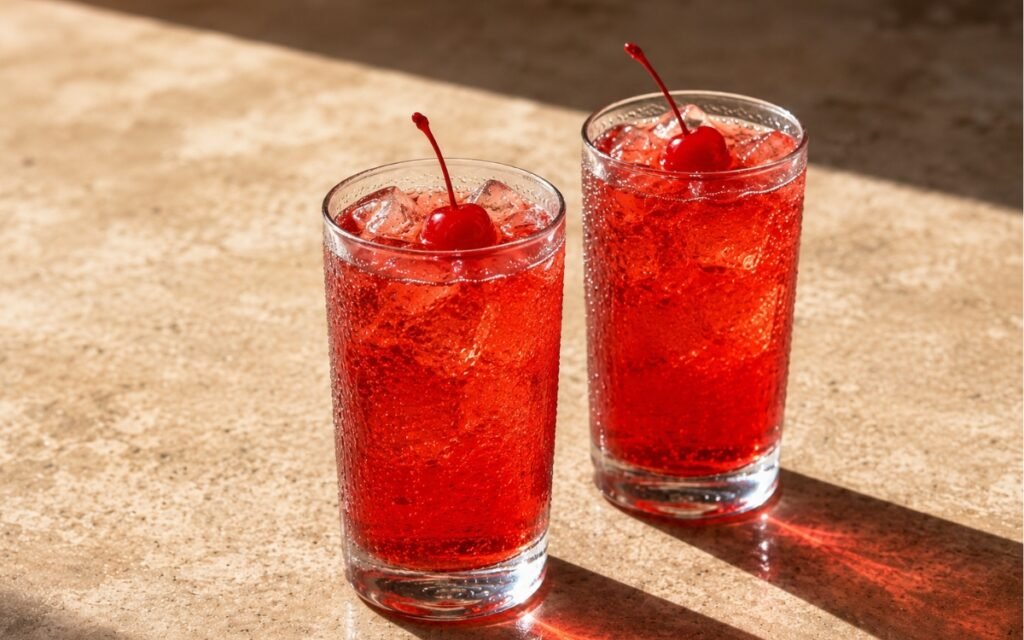
Shirley Temple Tonic
Pomegranate grenadine with ginger ale and citrus zest delivers a bright, tart, grown-up take on a nostalgic classic.
Mango Turmeric Tonic Mocktail
Tropical mango and earthy turmeric with thyme over tonic water — golden, warm, and bittersweet.
Fuji Apple Ginger Fizz Mocktail
Crisp Fuji apple and fresh ginger fizz with lively bubbles, clean aromatics, sharp bite, and restrained sweetness.
You might also like
You might also like
Blood Orange Citrus Pitcher
Brown sugar syrup with blood orange and lemon zest off heat — combined with 750ml blood orange juice, 240ml lemon for structure, cold water, chilled. Vivid and crowd-ready.
Fresh Peach Lemonade
Ripe peaches simmered with sugar for 10–12 minutes, pressed through a sieve — fresh lemon juice and cold water added, chilled. Sweet, tart, and intensely peachy.
Lavender Lemon Iced Black Tea
Light black tea at 90–95°C for 2½–3 minutes, lavender infused cold 5–7 minutes — lemon peel and juice, honey, chilled. Floral, refined, restrained.
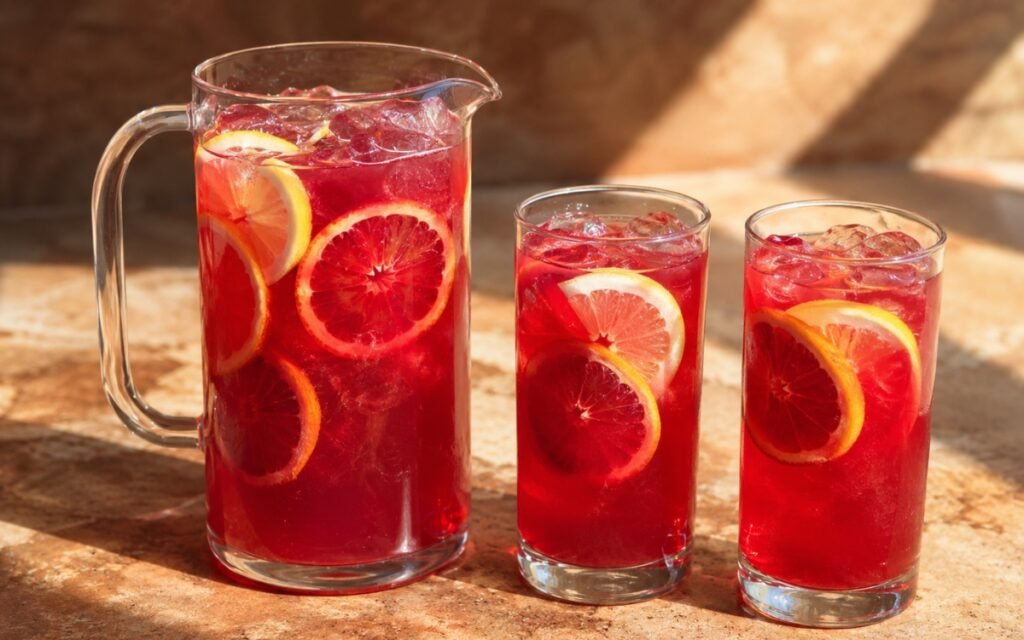
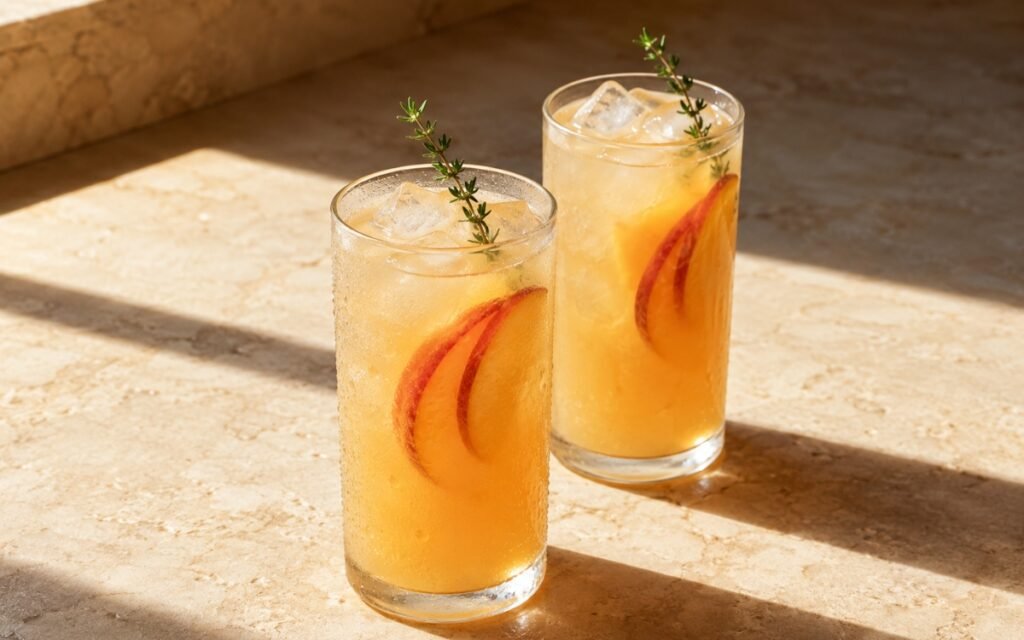
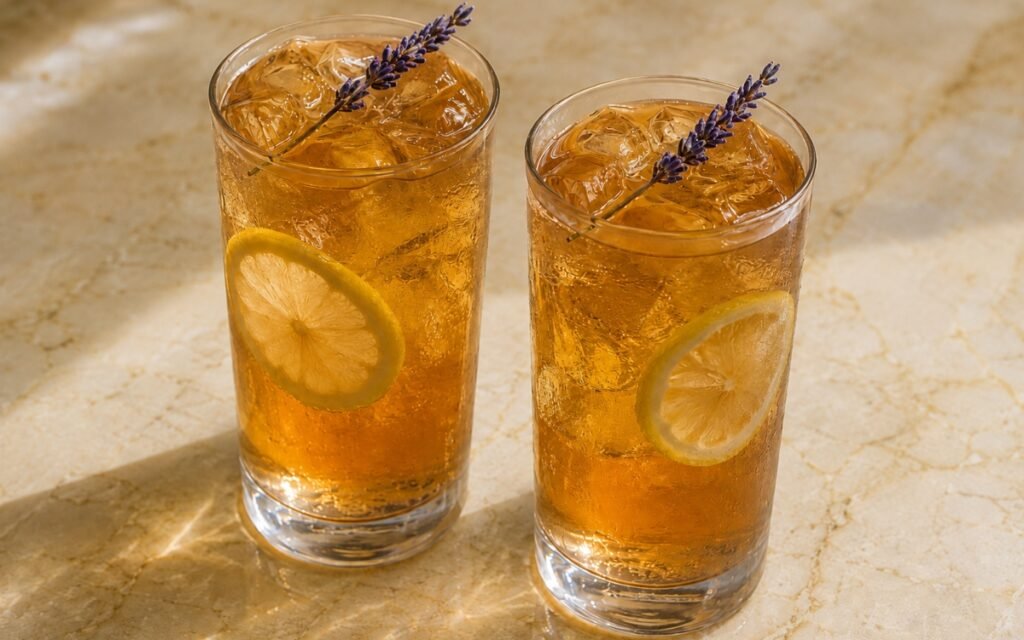
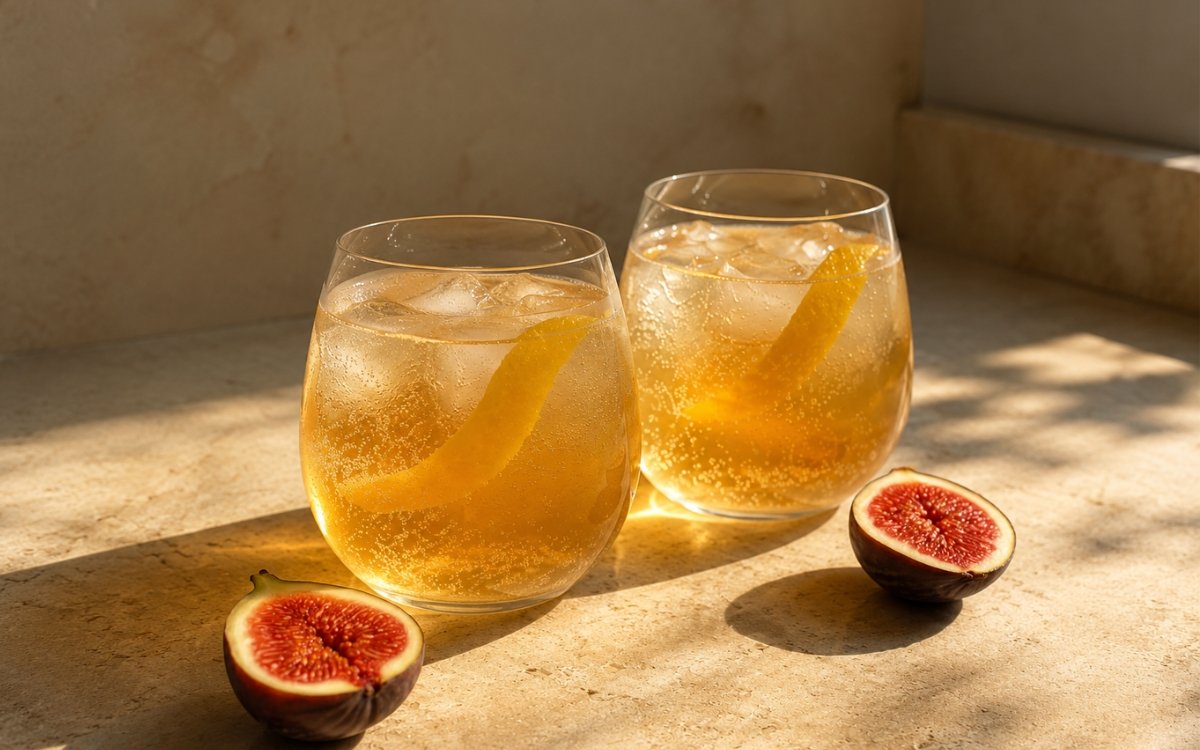
Fig Honey Lemon Sparkler Mocktail
Ingredients
Method
- The fig variety and its ripeness are as critical here as the honeydew in the agua fresca or the apricots in the apricot vanilla sparkler — this preparation has no heat concentration to amplify a mild or under-ripe fruit’s flavour. A perfectly ripe fig yields completely to gentle pressure, has skin that is beginning to split or wrinkle at the stem, and produces a specifically sweet, wine-adjacent, deeply fruity aroma. Black Mission, Brown Turkey, Kadota, or any variety at peak ripeness will produce good results; the variety matters less than the ripeness stage. Under-ripe figs have a green, slightly astringent, latex-flavoured interior that is specifically unpleasant in a drink preparation and that no technique can correct. Halve each fig and use a small spoon to scoop the flesh and seeds from the skin — the flesh’s interior is where the specific aromatic compounds concentrate. The skin is specifically excluded here, unlike the kiwi and apple preparations in this collection: fig skin’s slightly leathery, tannin-adjacent character would add astringency to the finished base at the gentle cooking temperature without contributing the fig’s characteristic warm sweetness. Including only the flesh produces a cleaner, more specifically fig-forward base.
- Combine the scooped fig flesh, 80g of honey, 200ml of water, and the lemon zest in a small saucepan. Place over the absolute lowest available heat. The temperature target — below approximately 40°C throughout the cooking period — is the same as the apricot vanilla preparation. At this temperature the fig’s flesh softens progressively as its pectin structure relaxes and the cells release their juice into the surrounding honey-water medium. The honey dissolves quickly in the warm water. The lemon zest’s aromatic oils infuse into the honey’s sugar matrix during the 10-minute period. Cook for 10 minutes, stirring occasionally and pressing the fig pieces gently with the back of the spoon to begin breaking them down. The liquid should feel warm but not hot — no visible steam, no simmering movement, no bubbles from the pan surface. At the end of 10 minutes the figs should be noticeably softer, their edges beginning to dissolve into the surrounding liquid, and the mixture should be a warm amber-pink.
- Remove the saucepan from the heat. Allow to cool for 5 minutes. Stir in the 45ml of fresh lemon juice — the off-heat addition preserving the lemon’s bright, aromatic acidity that the heat would dull. Using a potato masher or the back of a large spoon, mash the softened figs thoroughly into the syrup — pressing firmly until each piece has broken down completely and the mixture appears uniformly textured with no whole fig pieces remaining. The mashing at this post-cooking stage extracts the remaining juice and aromatic compounds from the softened flesh more completely than the gentle cooking alone achieves — the same combined cook-then-mash approach applied throughout this collection’s fruit preparations.
- Strain through a fine-mesh sieve over a clean jug, pressing firmly on the mashed fig solids to extract as much of the amber, aromatic base as possible. Fig has a moderate pectin content — the pressing will require sustained pressure but is more manageable than very high-pectin fruits. The finished strained base should be a clear, warm amber colour — the specific golden-pink of ripe fig juice — and specifically fragrant: honey’s floral warmth, lemon’s aromatic brightness, and fig’s distinctively warm, wine-adjacent fruitiness all present simultaneously. Discard the strained solids. Transfer to the refrigerator and chill completely — a minimum of 30 minutes.
- Using a vegetable peeler, cut 4 long strips of lemon peel — each approximately 12–15cm — pressing firmly against the lemon’s surface and following its curve in a continuous motion. The strips should have primarily yellow zest with minimal white pith. Curl each strip loosely — they will hold a partial curl naturally. Fill four wine glasses generously with ice. Divide the chilled fig-honey base evenly — approximately 70–75ml per glass. The wine glass format is specifically correct for this preparation’s warm, slightly formal autumn character — the wide bowl showing the amber colour and allowing the lemon peel’s expressed oils to rise with the carbonation at each sip. Top each glass with approximately 125ml of chilled club soda, poured gently. Stir once or twice. Curve the lemon peel strip through the drink, tucking one end under an ice cube and allowing the other to rest against the glass rim. Serve immediately.