
Creamy Pea & Asparagus Orzo
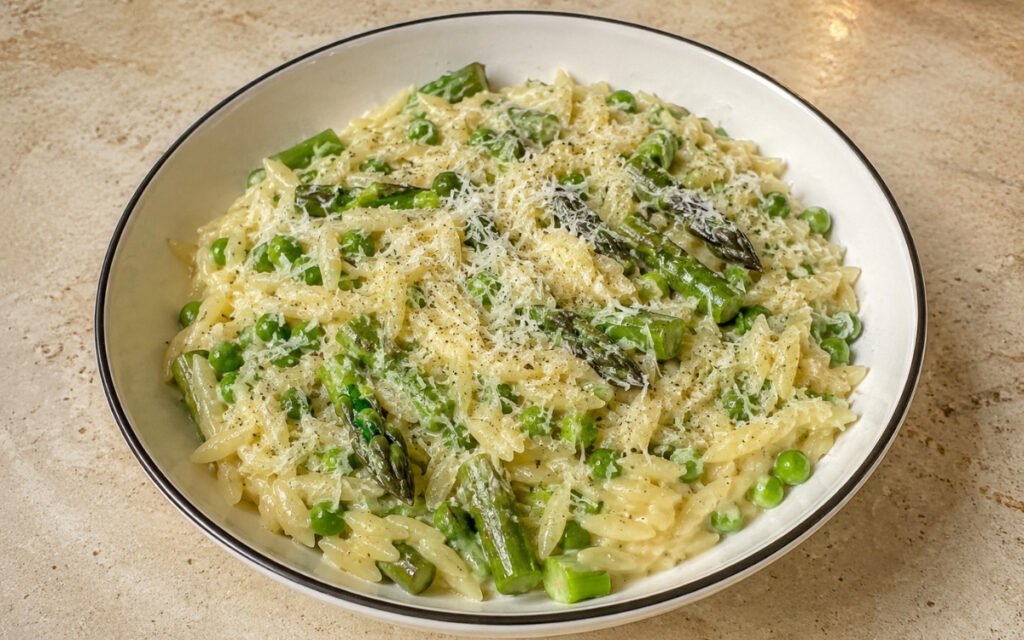
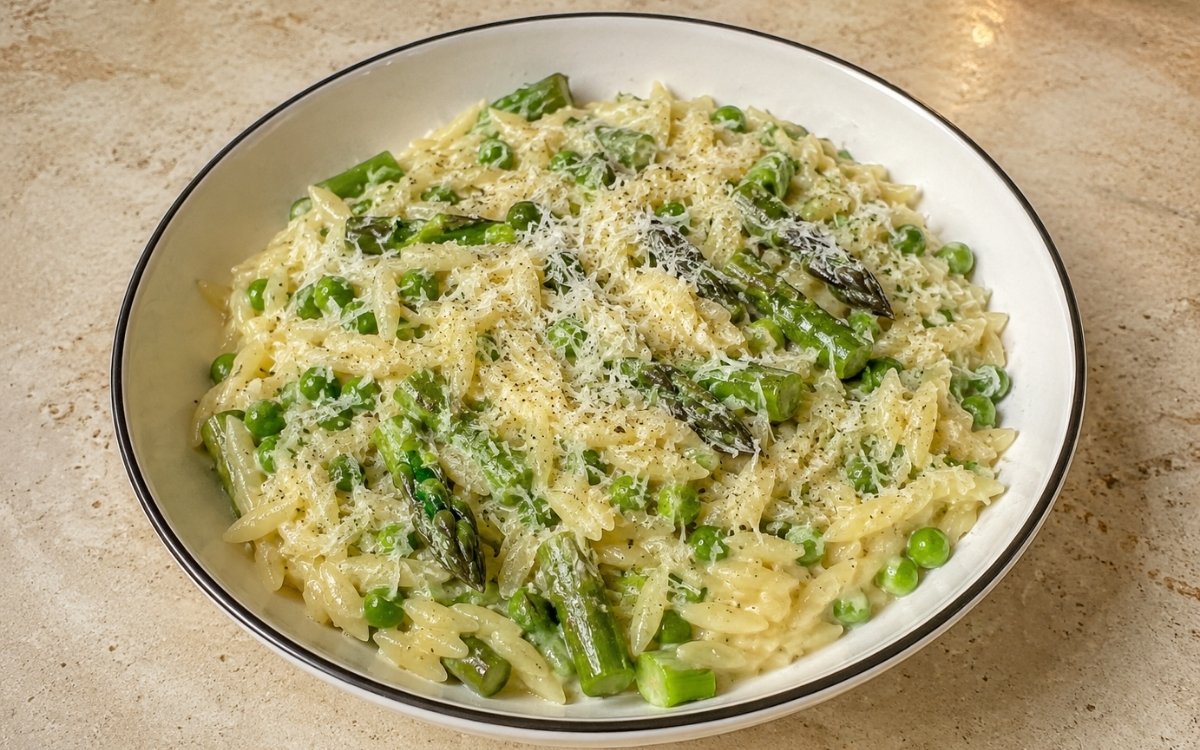
A one-pan orzo dish built around a blended sauce of seared peas, caramelised onion, garlic, ricotta, and lemon that coats every grain in something genuinely creamy without any cream in sight. The asparagus is seared separately in batches at high heat for char and sweetness, then folded back in at the end alongside the sauce and Parmigiano Reggiano. Bright, vegetable-forward, and deeply satisfying — the kind of dish that tastes like considerably more effort went into it than actually did.
Prep Time : 15 min
Cook Time : 25 min
Servings : 4
15 min
25 min
4
Ingredients
For The Creamy Pea & Asparagus Orzo
• 300g orzo pasta — this one on Amazon
• Chicken or vegetable stock, enough to cook the orzo — approximately 800ml–1L
• 400g frozen peas, defrosted
• 1 white onion, finely chopped
• 450g asparagus, trimmed and cut into 4–5cm pieces
• 3 tbsp extra-virgin olive oil, divided — this one on Amazon
• 3 garlic cloves, roughly chopped
• 20g fresh flat-leaf parsley
• 15ml fresh lemon juice
• Zest of half a lemon
• Fine sea salt to taste
• Freshly ground black pepper to taste
• 60g ricotta cheese — this one on Amazon
• 60g Parmigiano Reggiano, finely grated, divided — 30g in the sauce, 30g for finishing — this one on Amazon
This post may contain affiliate links. As an Amazon Associate I earn from qualifying purchases, at no additional cost to you.
Directions
- Defrost the Peas and Prep the Vegetables
Begin by defrosting the frozen peas — either leave them at room temperature for 30 minutes before cooking, or pour boiling water over them in a colander and drain immediately, which defrosting in under 2 minutes. Defrosted peas are essential before they enter the pan — frozen peas added to a hot pan immediately drop the temperature significantly, produce steam rather than searing, and take considerably longer to cook through than defrosted ones. Trim the woody ends from the asparagus — bend each stalk near the base and it will snap naturally at the point where the woody end meets the tender stalk. Cut the tender asparagus into 4–5cm pieces, producing bite-sized lengths that cook evenly and work well folded through the orzo. Finely chop the white onion. Roughly chop the garlic. - Set Up Two Pans Simultaneously
This dish requires two pans running simultaneously for efficiency. Set up a medium-large high-sided sauté pan or saucepan for the orzo — this pan will later hold the entire finished dish. Set up a second wide, heavy-bottomed skillet — cast iron or stainless steel ideally — for searing the asparagus. Bring the stock to a simmer in the orzo pan. If using a well-seasoned store-bought stock, do not add additional salt yet — assess the seasoning of the finished dish after the sauce is blended in. Add the orzo to the simmering stock and cook on low heat, stirring occasionally to prevent the orzo from sticking to the bottom — orzo’s small size and high starch content make it more prone to sticking than larger pasta shapes, and occasional stirring during cooking maintains the separate grain texture. Cook until the orzo is just al dente — typically 8–9 minutes — with a very small amount of stock remaining in the pan. Do not drain the orzo: the starchy residual stock is the liquid that will allow the blended sauce to coat every grain evenly when combined. - Sear the Asparagus in Batches
Heat the searing skillet over medium-high heat until genuinely hot. Add 2 tablespoons of olive oil and allow to heat until shimmering. Add the asparagus pieces in a single layer — do not crowd the pan. This is the critical technique for this step: asparagus seared with space around each piece makes direct contact with the hot pan and develops the slight char and caramelised sweetness that distinguishes properly cooked asparagus from simply softened asparagus. Crowded asparagus releases moisture and steams against its neighbours rather than searing, producing pale, tender pieces without any of the char character that makes the asparagus a distinctive element in the finished dish. Cook in batches of one layer, turning once or twice for 3–4 minutes per batch, until the asparagus shows golden-brown spots on 2–3 sides and is just tender when pierced with the tip of a knife — softened through but with slight resistance remaining. Transfer each batch to a bowl as it finishes and proceed with the next. The asparagus will finish cooking briefly when returned to the warm sauce and orzo at the end. - Build the Sauce Base in the Same Pan
Without cleaning the searing pan — the browned asparagus bits adhering to the surface are concentrated flavour that belong in the sauce — reduce the heat to medium and add the remaining tablespoon of olive oil. Add the finely chopped white onion directly to the pan. Cook, stirring occasionally, for 3–4 minutes until the onion has softened, turned translucent, and begun to take on a light golden colour at the edges. The onion needs this time — rushing it produces raw, sharp onion that dominates the blended sauce rather than the sweet, mellow caramelised onion that forms its foundation. Add the garlic and cook for 60 seconds, stirring continuously. Add the defrosted peas and a generous crack of black pepper. Pour in a splash of stock — approximately 60–80ml — and stir, scraping the bottom of the pan firmly with a wooden spoon or spatula to lift all the browned asparagus bits that are stuck to the surface. These fond pieces dissolve into the stock and carry the deep, caramelised asparagus flavour into the sauce. This is the moment where the dish’s depth is built — do not rush the deglazing and do not add so much stock that it pools rather than glazing the peas. Cook for 2–3 minutes until the peas are fully warmed through and the stock has reduced to a light glaze coating everything in the pan. - Blend the Sauce
Transfer the entire contents of the pan to a standing blender or food processor — peas, onion, garlic, all accumulated pan juices, and every drop of the stock glaze. Add the ricotta cheese, fresh parsley, lemon juice, and lemon zest. The ricotta adds the creamy, neutral dairy richness that gives the sauce its body without heavy cream — its mild flavour allows the pea and parsley’s character to come through clearly while its protein and fat produce the smooth, coating consistency. The parsley adds clean, herbaceous freshness that prevents the sauce from tasting one-dimensionally sweet from the peas and the caramelised onion. The lemon juice and zest together provide the acid brightness — juice for clean sharpness, zest for aromatic citrus oils — that lifts all the other flavours and makes the sauce taste vivid rather than flat. Blend on high speed for 60–90 seconds until completely smooth and uniformly green — stop and scrape down the sides once during blending to ensure the entire batch reaches the same consistency. Taste the blended sauce before adding it to the orzo: it should taste bright, herby, creamy, and well-seasoned. Add salt at this point if needed — the sauce’s seasoning sets the seasoning of the entire finished dish. - Combine and Finish
Cut the heat under the orzo pan when the orzo reaches al dente and a small amount of stock remains. Pour the blended sauce over the orzo and add the seared asparagus pieces back in. Fold everything together with a spatula using slow, thorough strokes that coat every grain of orzo in the green sauce and distribute the asparagus pieces evenly throughout. The residual heat of the orzo and the warmth of the sauce complete the cooking process without needing additional heat beneath the pan. Add 30g of the finely grated Parmigiano Reggiano and fold it in — the cheese melts into the sauce and adds the deep, salty, umami-rich depth that elevates the sauce from pleasant to genuinely compelling. Taste the finished dish and adjust: more salt if flat, more black pepper for warmth, a small additional squeeze of lemon if brightness is needed. - Serve
Divide among four warm bowls or serve directly from the pan if presenting at the table. Scatter the remaining 30g of Parmigiano Reggiano over the surface — either distributed across individual bowls or scattered across the whole pan. The Parmigiano at serving melts slightly into the warm dish and provides the final savoury, slightly crystalline top note that makes each forkful feel complete.
*Notes :
- The blended pea and ricotta sauce is the structural innovation of this recipe — it functions as the pasta’s coating sauce while being made entirely from vegetables, herbs, and a small amount of soft cheese. The key to its creaminess is the combination of three elements: the ricotta’s fat and protein, the peas’ high starch content, and the stock from deglazing the pan. Together they produce a sauce that emulsifies smoothly in the blender and clings to the orzo in the same way that a cream sauce would, without any actual cream. The caramelised onion in the sauce base is worth the 3–4 minutes it requires — raw onion blended into the sauce produces a sharp, slightly harsh result; caramelised onion produces a sweet, rounded depth that makes the sauce taste more complex than the ingredient list suggests.
- Orzo is the right pasta shape for this dish specifically because its small, rice-like size produces a finished dish with a risotto-like consistency when cooked in stock and combined with a sauce that coats each grain — every forkful contains pasta, sauce, and asparagus in approximately equal proportion rather than the larger pieces of sauce between pasta shapes that occur with penne or rigatoni. The starchy cooking stock retained in the pan rather than drained is the same principle as saving pasta water — it allows the sauce to coat the orzo evenly and prevents the finished dish from being dry.
- The asparagus searing in batches is a technique investment that pays visible dividends in the finished dish. Properly seared asparagus with golden-brown spots on its surface provides a textural and flavour contrast — slightly firm, charred, and sweet — against the creamy, smooth orzo and sauce. Steamed or boiled asparagus folded into the same sauce would produce a uniformly soft, uniform-coloured dish without this contrast.
Why This Recipe Works
This recipe works because it applies a specific technique at each of the three components that most determine the quality of the finished dish. The asparagus is seared rather than boiled or simply softened — preserving its texture and char character through the cooking process. The sauce base is built in the same pan that seared the asparagus — using the fond to add depth that no amount of separate seasoning could produce.
And the ricotta-pea blend produces a genuinely creamy coating sauce from vegetables and soft cheese rather than the cream or butter that most orzo dishes rely on. All three decisions work together toward the same outcome.
Ingredient Breakdown
Orzo
The small, rice-shaped pasta that produces a risotto-like coating with the blended sauce — cooked in stock rather than water for maximum flavour throughout every grain.
Frozen Peas (Defrosted)
The sauce foundation — their high starch content contributes to the sauce’s smooth, creamy consistency when blended, and their natural sweetness is amplified by cooking with the caramelised onion.
Asparagus (Seared in Batches)
The textural element — char and sweetness from direct-heat searing preserved by folding in at the end rather than cooking through the sauce.
Ricotta
The cream substitute — neutral, creamy, slightly tangy dairy richness that produces a smooth, coating sauce without heavy cream.
Parmigiano Reggiano
The savoury depth and finishing element — 30g in the sauce adds deep umami; 30g scattered at serving adds texture and saltiness.
Lemon Juice and Zest
The brightening layer — juice for acid sharpness, zest for aromatic citrus oils that make the green sauce vivid rather than flat.
Stock (Retained in Orzo Pan and Used for Deglazing)
Dual-purpose — seasons and flavours the orzo during cooking, and dissolves the fond in the asparagus pan into the sauce base.
Flavor Structure Explained
This orzo follows a layered balance model:
- Sweet vegetal base (onion, peas, lemon)
- Savory umami depth (Parmesan, garlic, stock, asparagus fond)
- Bright acidic lift (lemon juice, zest, parsley)
- Creamy body (sauce)
- Integrated balance (all registers combined)
Sweet vegetables establish the foundation with soft, rounded flavor that leads the profile. Savory elements build depth underneath, adding umami and preventing the dish from becoming flat or overly sweet. Lemon and parsley cut through the richness with brightness and fresh aromatics, keeping each bite light. The creamy sauce binds everything together, carrying flavors evenly. The structure depends on all layers working simultaneously — balanced, not sequential.
Common Mistakes to Avoid
- Not Defrosting the Peas – Frozen peas added to a hot pan drop the temperature, produce steam, and cook unevenly. Always defrost before they reach the pan.
- Crowding the Asparagus Pan – Crowded asparagus steams rather than sears — producing pale, soft pieces without the char character that makes them distinctive in the finished dish. Always work in batches with space around each piece.
- Discarding the Pan Fond – The browned bits from searing the asparagus are concentrated flavour. Deglaze the pan with stock and incorporate every bit into the sauce base.
- Draining the Orzo – The residual starchy stock in the orzo pan is what allows the sauce to coat every grain evenly. Do not drain — cut the heat at al dente with stock remaining and add the sauce directly.
- Under-seasoning the Blended Sauce – The sauce’s seasoning at the blending stage sets the seasoning of the entire dish. Taste before adding to the orzo and correct at this point when adjustment is easiest.
- Over-blending or Under-blending – Under-blended sauce has visible pieces of onion and pea skin that produce an unpleasant texture. Over-blended sauce can heat up in the blender and lose its vivid green colour. Blend for a full 60–90 seconds in short intervals.
Variations
Fully Vegan Version
Replace the ricotta with the same amount of full-fat coconut cream or blended silken tofu, and replace the Parmigiano with nutritional yeast — 3 tablespoons provides comparable savoury, umami depth. Use vegetable stock throughout. The sauce is slightly less rich but remains creamy and well-flavoured.
Shrimp Addition
Add 300g of large peeled shrimp seared for 90 seconds per side in the asparagus pan after the asparagus batches are complete. Fold in with the asparagus at the final combination stage. The shrimp’s sweetness pairs naturally with the pea and lemon character of the sauce.
Bacon or Pancetta Version
Add 80g of diced pancetta or bacon to the searing pan before the onion — render until crispy, remove with a slotted spoon, and scatter over the finished dish at serving. The cured pork’s salt and smokiness adds a contrasting savoury element that works particularly well with the sweet pea sauce.
Extra Herb Version
Add 10g of fresh mint leaves to the blender alongside the parsley for a more aromatic, more complex herb character that has a specific affinity with peas.
Storage & Make-Ahead
The cooked orzo dish can be refrigerated in an airtight container for up to 3 days. During storage, the orzo will absorb the sauce and the dish will thicken noticeably. To reheat it, add a splash of stock or water, cover, and warm it gently over low heat, stirring carefully until it returns to a creamy consistency. Do not reheat it at a boil, since that can make the orzo gummy.
The blended sauce on its own can be refrigerated for up to 3 days or frozen for up to 2 months, separate from the orzo. This is the most efficient make-ahead approach, since you can prepare the sauce in advance and cook the orzo fresh when needed.
Seared asparagus can be cooked up to 4 hours ahead and kept at room temperature. When you are ready to finish the dish, add it directly to the warm orzo and sauce.
Frequently Asked Questions
Can I use fresh peas instead of frozen?
Yes — blanch fresh shelled peas in boiling water for 2 minutes before using them in the sauce base. Fresh peas are sweeter and more aromatic than frozen but are seasonal and require more preparation. Frozen peas are an excellent year-round substitute with minimal quality compromise.
Can I use a different pasta shape?
Yes — small shapes with a similar surface area to orzo work well. Risoni is essentially the same shape by another name. Small shells (conchigliette) work. Larger shapes like penne or rigatoni produce a different, less cohesive result where the sauce pools rather than coating each piece — not incorrect, just a different dish character.
What stock works better — chicken or vegetable?
Chicken stock produces a deeper, richer flavour that makes the dish more robustly savoury. Vegetable stock keeps the dish lighter and more vegetable-forward, which suits the sauce’s green, bright character well. Both are excellent — the choice depends on dietary preference and intended character.
Can I make this without a blender?
A food processor works as well as a blender. For a no-equipment version, mash the peas vigorously with a fork or potato masher after cooking — the texture will be chunkier and the sauce less smooth, but the flavour is identical and the dish is still excellent in its more rustic form.
Why cook the orzo in stock rather than water?
Every drop of liquid that the orzo absorbs during cooking flavours it throughout — stock-cooked orzo has a deeply savoury character in every grain rather than simply on the surface. Since the orzo retains its cooking liquid as part of the sauce, the quality of that liquid directly affects the flavour of the finished dish.
Nutrition Facts
( per serving )
Calories
~520 kcal
Protein
22 g
Fat
18 g
Carbs
68 g
Calories
~520 kcal
Protein
22 g
Fat
18 g
Carbs
68 g
Related Recipes
Related Recipes

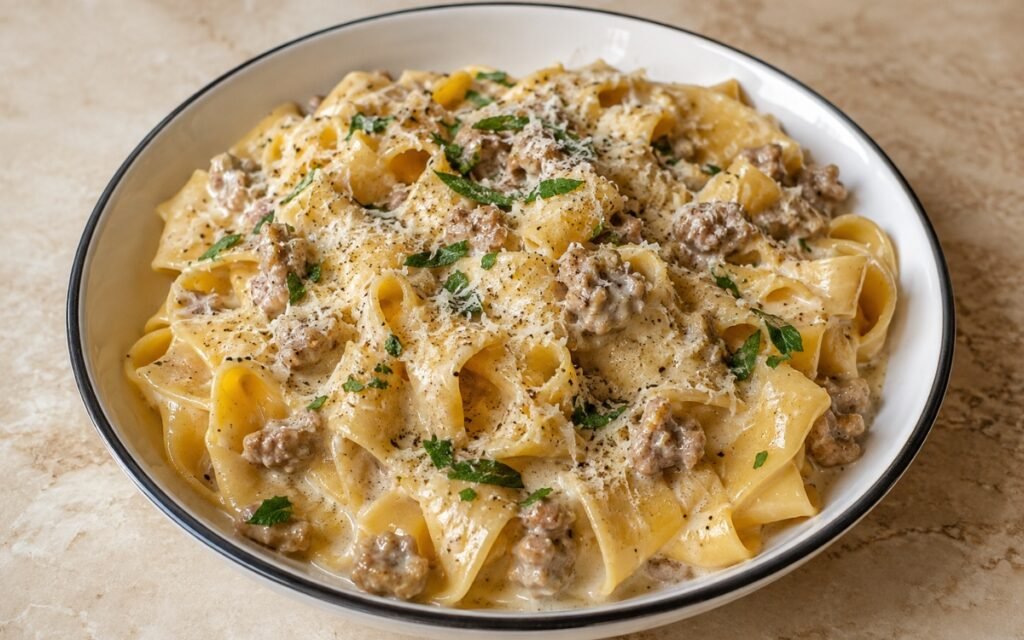
Pappardelle White Sausage Ragù
Wide pappardelle ribbons coated in a pale, glossy sausage ragù emulsified from browned sausage fat, pasta water, and Parmigiano-Reggiano.
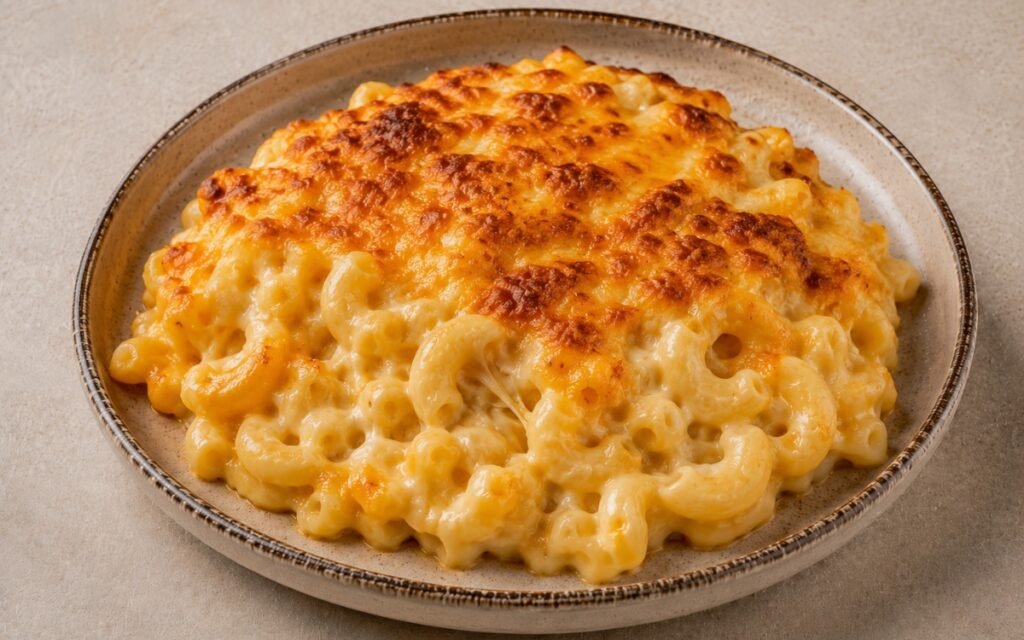
Baked Mac and Cheese
Cheddar, Gruyère, and mozzarella melted into a béchamel off the heat — layered with underdone macaroni, baked bubbling, broiled golden. Serves 12.
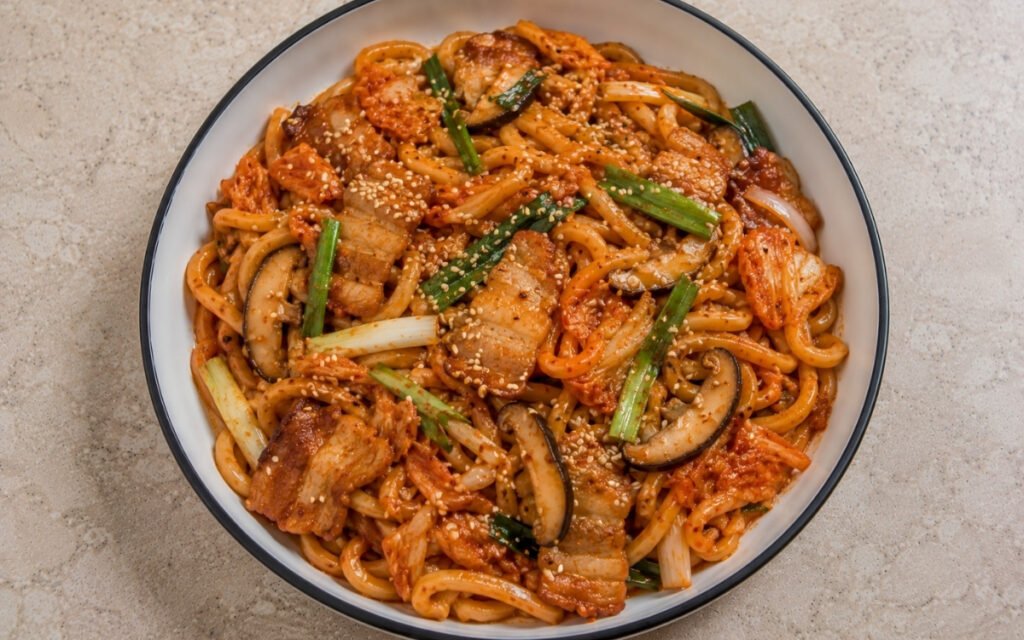
Kimchi Udon Stir-Fry Noodles
Pork belly and aged kimchi charred in a smoking-hot wok with shiitake and udon — kimchi juice sauce, butter finish, 27 minutes.
You might also like
You might also like
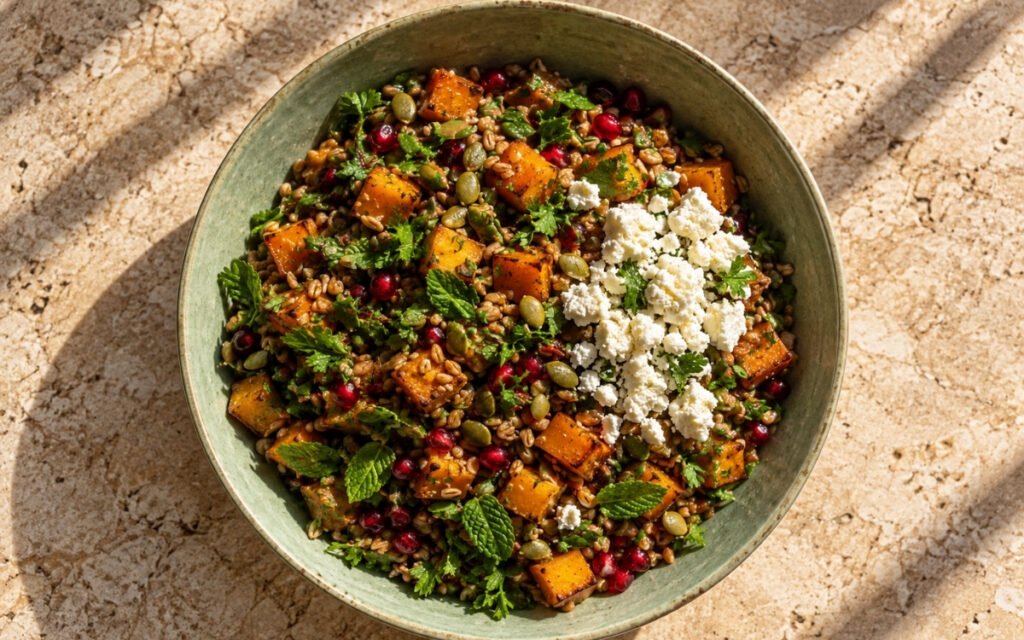
Freekeh Grain Salad with Pomegranate, Squash & Feta
Chewy freekeh with roasted butternut squash, pomegranate, crumbled feta, fresh herbs, and toasted pumpkin seeds.
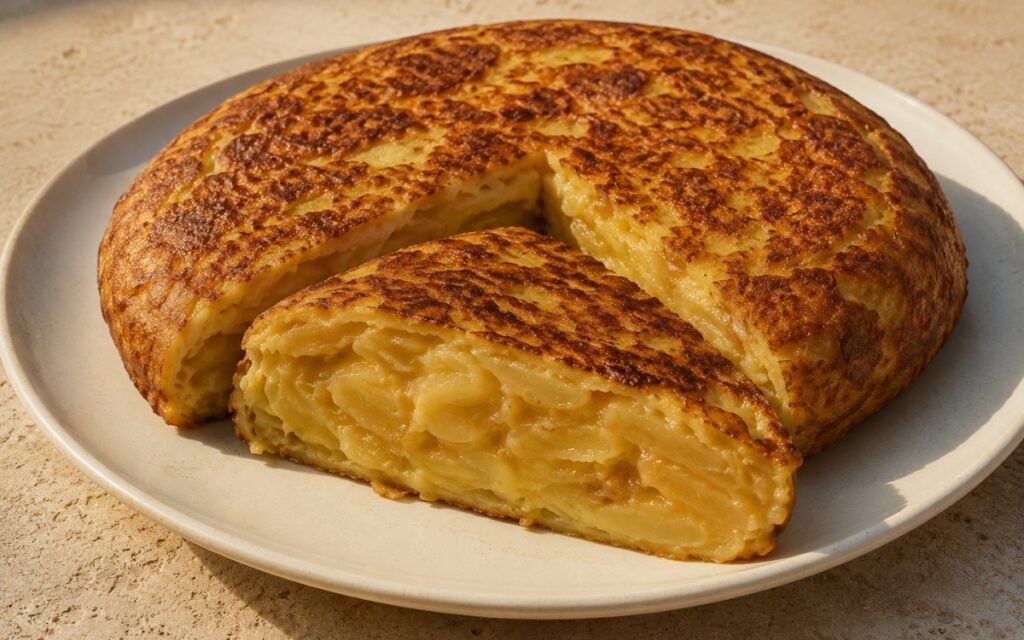
Spanish Tortilla / Tortilla Española
Thin potato slices gently cooked in olive oil, folded into beaten eggs, and cooked slowly for a golden exterior and soft, custardy centre.
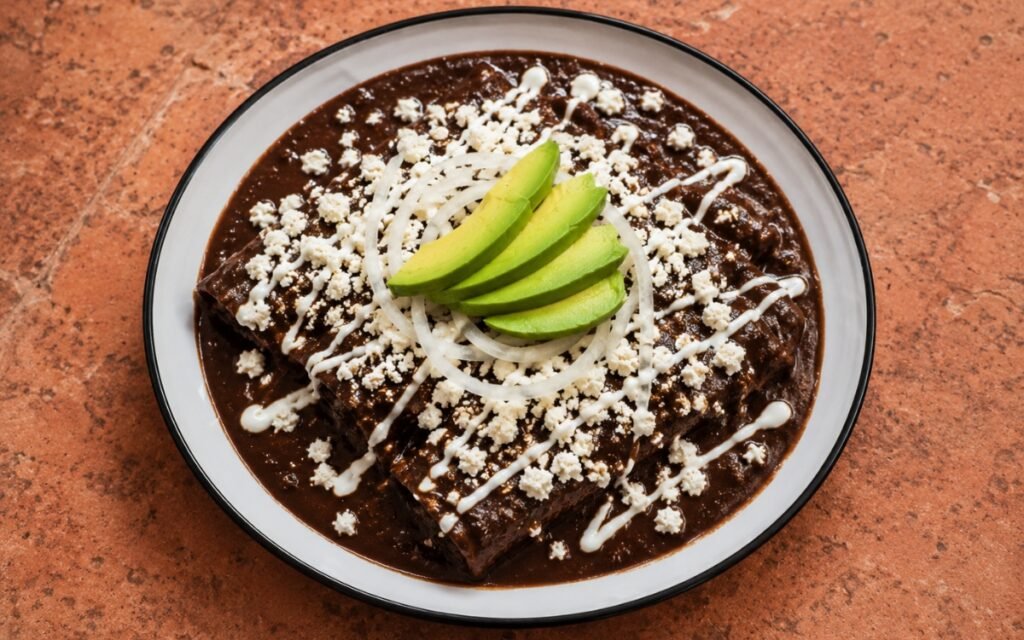
Enfrijoladas
Soft corn tortillas lightly fried, dipped in glossy black bean sauce, folded around queso fresco, and finished with more cheese, crema, onion, and avocado.
Creamy Pea & Asparagus Orzo
Ingredients
Method
- Begin by defrosting the frozen peas — either leave them at room temperature for 30 minutes before cooking, or pour boiling water over them in a colander and drain immediately, which defrosting in under 2 minutes. Defrosted peas are essential before they enter the pan — frozen peas added to a hot pan immediately drop the temperature significantly, produce steam rather than searing, and take considerably longer to cook through than defrosted ones. Trim the woody ends from the asparagus — bend each stalk near the base and it will snap naturally at the point where the woody end meets the tender stalk. Cut the tender asparagus into 4–5cm pieces, producing bite-sized lengths that cook evenly and work well folded through the orzo. Finely chop the white onion. Roughly chop the garlic.
- This dish requires two pans running simultaneously for efficiency. Set up a medium-large high-sided sauté pan or saucepan for the orzo — this pan will later hold the entire finished dish. Set up a second wide, heavy-bottomed skillet — cast iron or stainless steel ideally — for searing the asparagus. Bring the stock to a simmer in the orzo pan. If using a well-seasoned store-bought stock, do not add additional salt yet — assess the seasoning of the finished dish after the sauce is blended in. Add the orzo to the simmering stock and cook on low heat, stirring occasionally to prevent the orzo from sticking to the bottom — orzo’s small size and high starch content make it more prone to sticking than larger pasta shapes, and occasional stirring during cooking maintains the separate grain texture. Cook until the orzo is just al dente — typically 8–9 minutes — with a very small amount of stock remaining in the pan. Do not drain the orzo: the starchy residual stock is the liquid that will allow the blended sauce to coat every grain evenly when combined.
- Heat the searing skillet over medium-high heat until genuinely hot. Add 2 tablespoons of olive oil and allow to heat until shimmering. Add the asparagus pieces in a single layer — do not crowd the pan. This is the critical technique for this step: asparagus seared with space around each piece makes direct contact with the hot pan and develops the slight char and caramelised sweetness that distinguishes properly cooked asparagus from simply softened asparagus. Crowded asparagus releases moisture and steams against its neighbours rather than searing, producing pale, tender pieces without any of the char character that makes the asparagus a distinctive element in the finished dish. Cook in batches of one layer, turning once or twice for 3–4 minutes per batch, until the asparagus shows golden-brown spots on 2–3 sides and is just tender when pierced with the tip of a knife — softened through but with slight resistance remaining. Transfer each batch to a bowl as it finishes and proceed with the next. The asparagus will finish cooking briefly when returned to the warm sauce and orzo at the end.
- Without cleaning the searing pan — the browned asparagus bits adhering to the surface are concentrated flavour that belong in the sauce — reduce the heat to medium and add the remaining tablespoon of olive oil. Add the finely chopped white onion directly to the pan. Cook, stirring occasionally, for 3–4 minutes until the onion has softened, turned translucent, and begun to take on a light golden colour at the edges. The onion needs this time — rushing it produces raw, sharp onion that dominates the blended sauce rather than the sweet, mellow caramelised onion that forms its foundation. Add the garlic and cook for 60 seconds, stirring continuously. Add the defrosted peas and a generous crack of black pepper. Pour in a splash of stock — approximately 60–80ml — and stir, scraping the bottom of the pan firmly with a wooden spoon or spatula to lift all the browned asparagus bits that are stuck to the surface. These fond pieces dissolve into the stock and carry the deep, caramelised asparagus flavour into the sauce. This is the moment where the dish’s depth is built — do not rush the deglazing and do not add so much stock that it pools rather than glazing the peas. Cook for 2–3 minutes until the peas are fully warmed through and the stock has reduced to a light glaze coating everything in the pan.
- Transfer the entire contents of the pan to a standing blender or food processor — peas, onion, garlic, all accumulated pan juices, and every drop of the stock glaze. Add the ricotta cheese, fresh parsley, lemon juice, and lemon zest. The ricotta adds the creamy, neutral dairy richness that gives the sauce its body without heavy cream — its mild flavour allows the pea and parsley’s character to come through clearly while its protein and fat produce the smooth, coating consistency. The parsley adds clean, herbaceous freshness that prevents the sauce from tasting one-dimensionally sweet from the peas and the caramelised onion. The lemon juice and zest together provide the acid brightness — juice for clean sharpness, zest for aromatic citrus oils — that lifts all the other flavours and makes the sauce taste vivid rather than flat. Blend on high speed for 60–90 seconds until completely smooth and uniformly green — stop and scrape down the sides once during blending to ensure the entire batch reaches the same consistency. Taste the blended sauce before adding it to the orzo: it should taste bright, herby, creamy, and well-seasoned. Add salt at this point if needed — the sauce’s seasoning sets the seasoning of the entire finished dish.
- Cut the heat under the orzo pan when the orzo reaches al dente and a small amount of stock remains. Pour the blended sauce over the orzo and add the seared asparagus pieces back in. Fold everything together with a spatula using slow, thorough strokes that coat every grain of orzo in the green sauce and distribute the asparagus pieces evenly throughout. The residual heat of the orzo and the warmth of the sauce complete the cooking process without needing additional heat beneath the pan. Add 30g of the finely grated Parmigiano Reggiano and fold it in — the cheese melts into the sauce and adds the deep, salty, umami-rich depth that elevates the sauce from pleasant to genuinely compelling. Taste the finished dish and adjust: more salt if flat, more black pepper for warmth, a small additional squeeze of lemon if brightness is needed.
- Divide among four warm bowls or serve directly from the pan if presenting at the table. Scatter the remaining 30g of Parmigiano Reggiano over the surface — either distributed across individual bowls or scattered across the whole pan. The Parmigiano at serving melts slightly into the warm dish and provides the final savoury, slightly crystalline top note that makes each forkful feel complete.