
Breakfast Croissant Sandwich
Flaky buttery croissants filled with soft scrambled eggs, melted cheese, crispy bacon, and a thin layer of Dijon mayo. The key is keeping the eggs soft, toasting the croissants lightly so they stay crisp, and melting the cheese from the warmth of the eggs instead of overcooking the whole sandwich. Toasting the croissants cut side down only briefly is the technique this whole sandwich depends on for real structural balance — that quick contact builds just enough resistance into the cut surface to hold the eggs and sauce without turning the buttery, flaky interior dry or tough, the same brief-cut-side-toast principle used elsewhere in this collection whenever an already-rich, tender bread needs a little structure added without sacrificing its own soft character. Starting the bacon in a genuinely cold pan is what lets it render evenly and crisp fully rather than seizing unevenly. Melting the cheese directly from the eggs’ own residual warmth, rather than under high heat, is what protects the delicate croissant from burning while still bringing the cheese to a proper melt. The payoff is a sandwich with real contrast — flaky, lightly crisp croissant around soft eggs, melted cheese, and crackling bacon, tied together with a thin, sharp layer of Dijon mayo.

Prep Time : 15 min
Cook Time : 20 min
Servings : 4
15 min
20 min
4
Ingredients
For the Sandwiches
• 4 large butter croissants
• 8 slices cheddar, American cheese, or Gruyère, about 160g total — this one on Amazon
• 1 tbsp finely chopped chives, optional
• Black pepper, to taste
For the Bacon
• 250g streaky bacon, or 8 slices ham, if preferred
For the Scrambled Eggs
• 8 large eggs
• 40ml whole milk or cream — this one on Amazon
• 4g fine sea salt
• 1g black pepper
• 20g unsalted butter
For the Dijon Mayo
• 80g mayonnaise
• 15g Dijon mustard — this one on Amazon
• 5ml lemon juice
• Black pepper, to taste
Optional Hot Honey Finish
• 30g honey — this one on Amazon
• ½ tsp chili flakes, or a few drops of hot sauce
This post may contain affiliate links. As an Amazon Associate I earn from qualifying purchases, at no additional cost to you.
Directions
- Make the Dijon Mayo
Mix the mayonnaise, Dijon mustard, lemon juice, and black pepper in a small bowl. Set aside. Keep this layer thin. The sauce should season the sandwich, not soak the croissant. Keeping that layer genuinely thin protects the croissant’s own delicate, flaky structure from absorbing excess moisture before the sandwich is even fully assembled. - Cook the Bacon
Place the bacon in a cold skillet and set it over medium heat. Cook until crisp and deeply golden, about 8 to 10 minutes, turning as needed. Transfer to a paper towel-lined plate. Crispy bacon matters here because the croissant and eggs are soft. If the bacon is limp, the whole sandwich eats heavy. Starting the bacon cold, rather than dropping it into an already-hot pan, gives the fat genuine time to render out gradually as the pan heats alongside it — bacon added directly to hot fat tends to seize and brown unevenly before its interior fat has fully rendered. - Toast the Croissants
Split the croissants in half horizontally. Toast them cut side down in a dry skillet or warm oven for 2 to 4 minutes, just until the cut sides are lightly crisp and the edges feel flaky. The croissant should stay buttery and tender inside, but the cut side needs enough structure to hold the eggs and sauce. That brief, targeted toast builds real resistance specifically at the cut surface, which is exactly where the filling and sauce will sit, without pushing the rest of the croissant’s naturally soft, layered interior toward dryness. - Make the Scrambled Eggs
Whisk the eggs, milk or cream, salt, and black pepper in a bowl until smooth. Melt the butter in a nonstick skillet over medium-low heat. Add the eggs and cook slowly, stirring with a spatula, until softly set and still slightly glossy, about 3 to 5 minutes. Remove from the heat immediately. Stop before the eggs look dry. They should be soft and custardy because they will continue setting slightly inside the warm sandwich. Cooking over genuinely low heat with slow, gentle stirring is what produces large, soft curds capable of surviving that additional residual cooking without turning dry. - Melt the Cheese
Place the cheese slices over the warm scrambled eggs for 30 to 60 seconds, just until softened and starting to melt. You can also place cheese directly on the bottom croissant halves and let the hot eggs melt it during assembly. Do not put the filled croissants under high heat for too long. Croissants burn fast and eggs overcook fast. Relying on the eggs’ own residual warmth to melt the cheese, rather than any further direct heat, is what protects both the delicate croissant and the already-properly-cooked eggs from overcooking at this late stage. - Assemble the Sandwiches
Spread a thin layer of Dijon mayo on the top and bottom cut sides of each croissant. Add the cheesy scrambled eggs to the bottom halves. Top with crispy bacon, extra black pepper, and chives if using. Close with the top croissant halves. Spreading the mayo on both cut sides, rather than just one, gives the sandwich balanced flavour throughout while also lightly protecting both surfaces from the fillings’ own moisture. - Optional Hot Honey Finish
If using hot honey, warm the honey slightly and stir in chili flakes or hot sauce. Drizzle a very small amount inside the sandwich or over the bacon before closing. Warming the honey only slightly, rather than heating it hard, is enough to loosen it for drizzling while keeping the addition genuinely small and controlled against the sandwich’s own richness. - Serve
Cut the sandwiches in half and serve immediately while the croissants are flaky, the eggs are soft, and the cheese is melted. This sandwich’s whole appeal depends on catching every component — crisp cut edges, soft eggs, melted cheese, crackling bacon — together at their individual best, which is exactly why serving without delay matters.
*Notes :
- Toasting the croissants only briefly, and only on their cut sides, deserves genuine respect as the technique responsible for this sandwich’s real structural balance. A croissant’s whole appeal rests on its soft, buttery, flaky layers, and pushing that toast too far or too broadly would sacrifice exactly the texture that makes a croissant sandwich worth making in the first place — the brief, targeted toast specified here builds just enough resistance at the one surface that actually needs it.
- Starting the bacon in a cold pan deserves the same attention this technique receives throughout this collection’s other bacon-forward dishes. That gradual approach lets the fat render out evenly as the pan slowly comes up to temperature, producing consistently crisp bacon rather than the unevenly seized, chewier result bacon dropped into an already-hot pan tends to produce.
- Melting the cheese using only the scrambled eggs’ own residual warmth, rather than reaching for any further direct heat, protects two genuinely fragile components at once. The croissant itself burns quickly under real heat, and the eggs — already cooked to their ideal soft, custardy point — have little tolerance for further cooking without drying out. Relying on residual warmth alone sidesteps both risks.
- Keeping the Dijon mayo layer genuinely thin, as the recipe’s own notes emphasise, deserves attention as a real, deliberate restraint given how much richness this sandwich already carries. A heavier hand with either the mayo or the optional hot honey would push the whole sandwich toward greasy rather than balanced — that restraint protects the sandwich’s overall harmony.
Why This Recipe Works
This recipe works because the croissants are toasted only briefly and only on their cut sides, building structure exactly where it’s needed without sacrificing their naturally soft, flaky character elsewhere.
The bacon starts cold, rendering evenly for real, consistent crispness. The eggs are cooked gently and pulled while still soft, and the cheese melts from their own residual warmth rather than any further direct heat, protecting both the croissant and the eggs from overcooking.
A genuinely thin layer of Dijon mayo seasons without saturating, and serving immediately delivers every component together at its individual best.
Ingredient Breakdown
Briefly Toasted Croissants (Cut Side Only)
The structural technique — builds resistance exactly where the filling sits without sacrificing the croissant’s soft, flaky character.
Cold-Started Bacon
The critical technique — gradual rendering alongside the heating pan produces evenly crisp bacon rather than unevenly seized results.
Gently Scrambled, Soft Eggs
The centrepiece — pulled while still glossy, allowing for the additional gentle cooking they’ll get inside the warm sandwich.
Residual-Heat-Melted Cheese
The critical technique — protects both the delicate croissant and the already-cooked eggs from overcooking under further direct heat.
Thin Dijon Mayo Layer
The finishing balance — seasons the sandwich without saturating the croissant or overwhelming its own richness.
Flavor Structure Explained
This breakfast croissant sandwich follows a layered balance model:
- Flaky buttery foundation (briefly toasted croissant)
- Soft savoury centre (gently scrambled eggs)
- Rich melted body (cheddar, American, or Gruyère cheese)
- Crisp smoky contrast (crackling bacon)
- Sharp finishing note (Dijon mayo, optional hot honey)
The briefly toasted croissant provides this sandwich’s flaky, buttery foundation, its structure protected right where the filling sits. Gently scrambled, soft eggs define the centre with tender, custardy substance. Melted cheddar, American, or Gruyère cheese contributes rich, gooey body throughout. Crisp, crackling bacon adds smoky contrast against all that softness, and a thin layer of Dijon mayo, with an optional touch of hot honey, finishes the sandwich with sharp, balanced flavour that ties every component together.
Common Mistakes to Avoid
- Toasting the Croissant Too Deeply or on Both Sides – This sacrifices the soft, flaky texture that makes a croissant sandwich worth making. Always toast only briefly, cut side down.
- Starting the Bacon in a Hot Pan – This causes uneven rendering and browning. Always start it cold and let the pan heat gradually alongside it.
- Overcooking the Eggs in the Pan – This leaves them dry once they’ve had additional gentle cooking inside the warm sandwich. Always pull them while still soft and glossy.
- Melting the Cheese Under Direct High Heat – This risks burning the croissant and overcooking the eggs. Always rely on the eggs’ own residual warmth.
- Using Too Much Dijon Mayo or Hot Honey – This makes the sandwich greasy rather than balanced. Always keep both layers genuinely thin and controlled.
Variations
Ham Version
ubstitute ham for bacon for a gentler, more classic café-style sandwich, per the recipe’s own note.
Gruyère Version
Use Gruyère instead of cheddar for a more French, savoury finished sandwich.
Extra-Spicy Version
Increase the chili flakes in the optional hot honey for more heat.
Fresh Bakery Croissant Version
Use fresh, bakery-style croissants rather than packaged ones, per the recipe’s own guidance, for a sturdier result that won’t collapse under the filling.
Storage & Make-Ahead
Best served immediately after assembly, while the croissant is still flaky and the eggs are soft.
The Dijon mayo can be made a day ahead and refrigerated in a sealed container.
The bacon can be cooked ahead and reheated briefly in a skillet to restore some crispness before assembly.
Frequently Asked Questions
Why are the croissants toasted only on their cut sides, and only briefly?
A croissant’s whole appeal rests on its soft, buttery, flaky layers. The brief, targeted toast builds just enough structure at the cut surface, where the filling actually sits, without sacrificing that soft texture elsewhere.
Why does the bacon need to start in a cold pan rather than a hot one?
tarting cold gives the fat genuine time to render out evenly as the pan heats alongside it. Bacon dropped into an already-hot pan tends to seize and brown unevenly before its interior fat has fully rendered.
Why is the cheese melted using only the eggs’ residual warmth rather than direct heat?
Both the croissant and the already-cooked eggs are genuinely fragile at this stage. The croissant burns quickly under real heat, and the eggs have little tolerance for further cooking without drying out — residual warmth avoids both risks.
Why does the Dijon mayo layer need to stay so thin?
This sandwich already carries real richness from the eggs, cheese, and bacon. A heavier hand with the mayo would push it toward greasy rather than balanced, which is why the layer stays deliberately thin.
Are there other classic egg, bagel, or brunch sandwich dishes worth trying?
Croque Madame and Eggs Benedict both offer other classic, egg-topped brunch dishes worth exploring. Bacon Egg and Cheese Bagel Sandwich is also worth trying for a different classic breakfast sandwich, and Avocado Toast with Jammy Eggs offers a lighter, fresher brunch direction worth exploring.
Nutrition Facts
( per serving )
Calories
~720 kcal
Protein
32 g
Fat
52 g
Carbs
34 g
Calories
~720 kcal
Protein
32 g
Fat
52 g
Carbs
34 g
Related Recipes
Related Recipes

Spaghetti alla Nerano
Fried zucchini rounds tossed with spaghetti in a glossy, emulsified Pecorino Romano sauce, finished with black pepper and fresh basil.
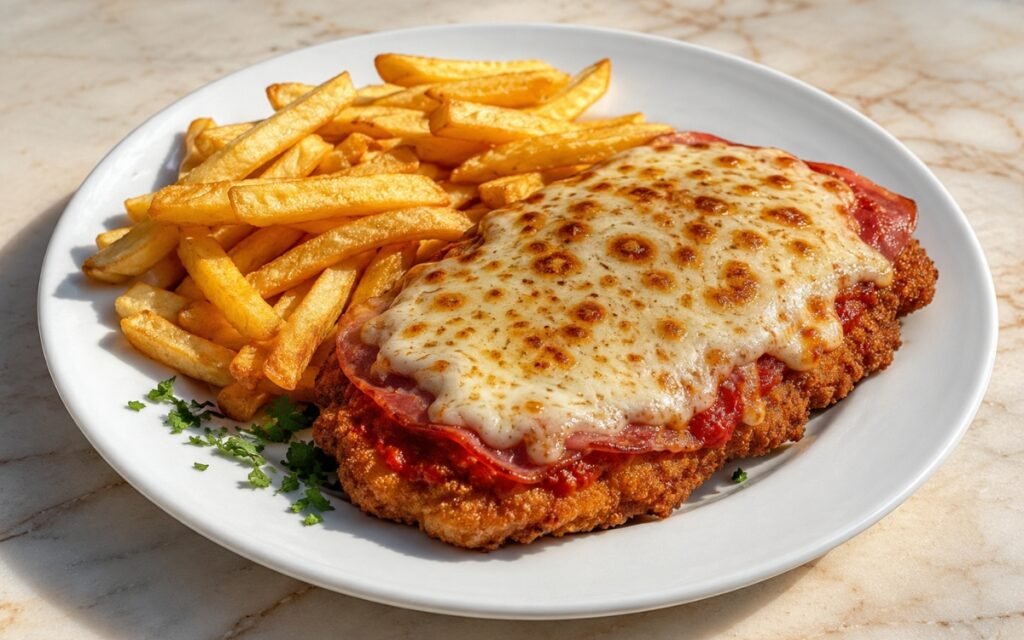
Argentine Milanesa Napolitana
Breaded, fried chicken cutlets topped with tomato sauce, smoked ham, and melted mozzarella, served with crispy double-fried fries.
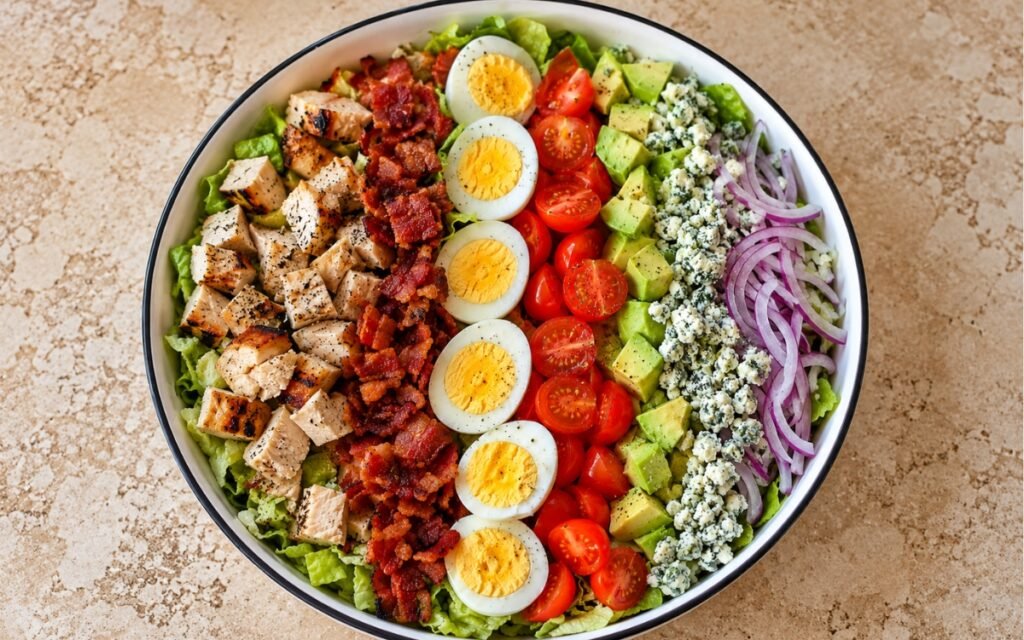
Classic Cobb Salad
Neat rows of seared chicken, crispy bacon, hard-boiled eggs, cherry tomatoes, avocado, blue cheese, and red onion over chopped lettuce with red wine vinaigrette.

You might also like
You might also like
Huevos Motuleños
Crisp corn tortillas layered with black beans and fried eggs, topped with light tomato sauce, ham, peas, and sweet fried plantain.
Dutch Baby Pancake
Four individual Dutch babies baked in small cast-iron skillets until dramatically puffed and crisp, filled with fresh mixed berries and powdered sugar.
Lemon Ricotta Pancakes
Fluffy lemon ricotta pancakes with golden edges and soft, tender interiors, finished with fresh berries, lemon zest, and maple syrup.




Breakfast Croissant Sandwich
Ingredients
Method
- Mix the mayonnaise, Dijon mustard, lemon juice, and black pepper in a small bowl. Set aside. Keep this layer thin. The sauce should season the sandwich, not soak the croissant. Keeping that layer genuinely thin protects the croissant’s own delicate, flaky structure from absorbing excess moisture before the sandwich is even fully assembled.
- Place the bacon in a cold skillet and set it over medium heat. Cook until crisp and deeply golden, about 8 to 10 minutes, turning as needed. Transfer to a paper towel-lined plate. Crispy bacon matters here because the croissant and eggs are soft. If the bacon is limp, the whole sandwich eats heavy. Starting the bacon cold, rather than dropping it into an already-hot pan, gives the fat genuine time to render out gradually as the pan heats alongside it — bacon added directly to hot fat tends to seize and brown unevenly before its interior fat has fully rendered.
- Split the croissants in half horizontally. Toast them cut side down in a dry skillet or warm oven for 2 to 4 minutes, just until the cut sides are lightly crisp and the edges feel flaky. The croissant should stay buttery and tender inside, but the cut side needs enough structure to hold the eggs and sauce. That brief, targeted toast builds real resistance specifically at the cut surface, which is exactly where the filling and sauce will sit, without pushing the rest of the croissant’s naturally soft, layered interior toward dryness.
- Whisk the eggs, milk or cream, salt, and black pepper in a bowl until smooth. Melt the butter in a nonstick skillet over medium-low heat. Add the eggs and cook slowly, stirring with a spatula, until softly set and still slightly glossy, about 3 to 5 minutes. Remove from the heat immediately. Stop before the eggs look dry. They should be soft and custardy because they will continue setting slightly inside the warm sandwich. Cooking over genuinely low heat with slow, gentle stirring is what produces large, soft curds capable of surviving that additional residual cooking without turning dry.
- Place the cheese slices over the warm scrambled eggs for 30 to 60 seconds, just until softened and starting to melt. You can also place cheese directly on the bottom croissant halves and let the hot eggs melt it during assembly. Do not put the filled croissants under high heat for too long. Croissants burn fast and eggs overcook fast. Relying on the eggs’ own residual warmth to melt the cheese, rather than any further direct heat, is what protects both the delicate croissant and the already-properly-cooked eggs from overcooking at this late stage.
- Spread a thin layer of Dijon mayo on the top and bottom cut sides of each croissant. Add the cheesy scrambled eggs to the bottom halves. Top with crispy bacon, extra black pepper, and chives if using. Close with the top croissant halves. Spreading the mayo on both cut sides, rather than just one, gives the sandwich balanced flavour throughout while also lightly protecting both surfaces from the fillings’ own moisture.
- If using hot honey, warm the honey slightly and stir in chili flakes or hot sauce. Drizzle a very small amount inside the sandwich or over the bacon before closing. Warming the honey only slightly, rather than heating it hard, is enough to loosen it for drizzling while keeping the addition genuinely small and controlled against the sandwich’s own richness.
- Cut the sandwiches in half and serve immediately while the croissants are flaky, the eggs are soft, and the cheese is melted. This sandwich’s whole appeal depends on catching every component — crisp cut edges, soft eggs, melted cheese, crackling bacon — together at their individual best, which is exactly why serving without delay matters.