Portuguese Tomato Rice with Shrimp
Traditional Portuguese tomato rice with shrimp is a comforting seafood casserole of plump, juicy shrimp nestled in rich, saucy tomato rice, with Carolino rice simmered in ripe tomatoes, garlic, onion, olive oil, white wine, and a homemade shrimp stock until the grains turn tender and release enough starch for the loose, slightly brothy arroz malandrinho texture, the key being the contrast between sweet shellfish and tangy, savoury rice. Simmering the shells and heads into a stock before any rice is cooked, rather than using plain water, is the technique this whole dish depends on for its deep seafood flavour — the rice absorbs whatever liquid it cooks in, the same build-the-flavour-into-the-liquid principle used elsewhere in this collection whenever rice must taste of its main ingredient. Searing the shrimp only briefly is what keeps them tender once they finish in the rice. Cooking the rice uncovered with minimal stirring is what keeps the grains whole instead of mushy. The payoff is a casserole with real, generous flavour — brothy tomato rice, coral-pink shrimp, fresh herbs, and a squeeze of lemon.

- Prep Time : 20 min
- Total Time : 1 hr 8 min
- Servings : 4
Ingredients
For the Shrimp and Homemade Stock
- 1kg large raw shrimp or prawns, shell-on (about 16–20 shrimp)
- 1.4 litres cold water
- 1 dried bay leaf
- 5g fine sea salt, for seasoning the shrimp
- 1g freshly ground black pepper
For the Portuguese Tomato Rice
- 320g Portuguese Carolino rice (about 80g per serving)
- 500g ripe tomatoes, peeled and roughly chopped, with their juices
- 160g yellow onion, finely diced
- 15g garlic (about 3 cloves), finely minced
- 50ml extra-virgin olive oil, divided: 35ml for the tomato base and 15ml for searing the shrimp
- 80ml dry Portuguese white wine
- 25g tomato paste
- 1 dried bay leaf
- 1.1 litres hot homemade shrimp stock, plus up to 200ml more hot stock or water if needed
- 5g fine sea salt, adjusted to taste
- 1g freshly ground black pepper
For Finishing and Serving
- 15g fresh cilantro, roughly chopped
- 10g fresh flat-leaf parsley, finely chopped
- 10ml extra-virgin olive oil
- 1 lemon, cut into 4 wedges
Directions
- Prepare the Shrimp and Stock
Peel about three quarters of the shrimp, leaving the tails on, and keep the rest whole and shell-on for presentation, removing the intestinal tract from all of them and saving the heads and shells. Pat the shrimp dry and refrigerate them. Simmer the shells and heads gently in 1.4 litres of cold water with a bay leaf for 15–20 minutes, pressing them now and then to release their juices, then strain through a fine sieve. Measure 1.1 litres for the rice and keep it all hot. That stock is what gives the rice its seafood depth. - Build the Tomato Base
Heat 35ml of olive oil in a wide, heavy saucepan or shallow casserole over medium heat, add the diced onion, and cook for 5–6 minutes until soft and translucent, then stir in the garlic for 30–45 seconds. Add the tomato paste and cook for about 1 minute, then add the chopped tomatoes and the second bay leaf and cook for 7–8 minutes until they break down into a thick, reddish-orange base. Pour in the wine and simmer 2–3 minutes until reduced by half. That cooking is what concentrates the tomatoes and mellows the wine. - Add the Rice and Stock
Add the 320g of Carolino rice to the base without rinsing it and stir gently for about 1 minute so the grains are coated in oil and tomato. Pour in the 1.1 litres of hot shrimp stock, add about 3g of the salt and the black pepper, bring to a gentle boil, then lower to a steady medium-low simmer. Cook uncovered or loosely covered for 12–14 minutes, stirring only occasionally, adding hot stock in 50–100ml amounts if it thickens too fast. That minimal stirring is what keeps the grains whole. - Sear the Shrimp
While the rice cooks, heat the remaining 15ml of olive oil in a separate skillet over medium-high heat and season the shrimp lightly with the 5g of salt and the pepper. Sear them in a single layer, in batches if needed, for 45–60 seconds on the first side until lightly golden and starting to turn coral-pink, then turn and cook for 30 seconds more. Move them to a plate while the centres are still slightly underdone. That very brief sear is what builds colour without toughening the flesh. - Finish the Shrimp in the Tomato Rice
When the rice is nearly tender, about 2–3 minutes before it is done, nestle the shrimp and their juices into it, arranging several across the surface. Simmer gently for 2–3 minutes, until the rice is tender and the thickest shrimp is opaque and reaches 63°C inside. Taste and adjust the salt, remove the bay leaf, and stir in a splash of hot stock if the rice looks tight. Take it off the heat and fold in half of the cilantro and parsley. That short finish is what cooks the shrimp through without drying them. - Garnish and Serve
Serve directly from the casserole, or transfer to a warm serving dish, arranging the shrimp across the surface so their pink-orange bodies and tails stay visible and the glossy tomato broth shows between the grains. Scatter the remaining cilantro and parsley over the top, drizzle the final 10ml of olive oil over the surface, and tuck two lemon wedges along one side, serving the rest separately. Serve immediately, while hot and slightly brothy. That prompt serving is what keeps the rice juicy and loose.
*Notes :
- Building the stock from the shrimp shells and heads deserves genuine recognition as the technique most directly responsible for rice that tastes deeply of shellfish. Rice takes on the flavour of whatever it absorbs, so a hot, strained stock made from the heads and shells carries sweet, briny depth through every grain, whereas plain water would leave the tomatoes and shrimp tasting disconnected.
- Aiming for the loose, slightly brothy arroz malandrinho texture deserves the same attention this technique receives throughout this collection’s other rice dishes. Unlike a paella, this rice should never become dry or form a crust, so the stock is added generously and kept hot, and a splash more is stirred in before serving if the grains have absorbed too much liquid.
- Searing the shrimp only briefly deserves genuine respect as the detail most directly responsible for plump, tender shellfish in the finished casserole. The shrimp finish cooking in the hot rice for two or three minutes, so pulling them from the pan while the centre is still slightly undercooked prevents the tough, rubbery texture that comes from cooking them twice.
- Stirring the rice only occasionally deserves attention as a genuine, checkable texture cue rather than a loose approximation. Constant stirring breaks the grains and releases too much starch, producing a dense, mushy porridge, whereas gentle, infrequent stirring that prevents sticking leaves tender, individually recognisable grains in a glossy tomato broth.
Why This Recipe Works
This recipe works because the flavour is built into every layer before the shrimp appear. A stock made from the shells and heads gives the rice its seafood depth, and a tomato base cooked down with onion, garlic, paste, and wine adds concentrated sweetness and acidity. Carolino rice releases just enough starch to make a loose, glossy broth, and minimal stirring keeps its grains whole. Shrimp seared briefly and finished in the rice stay plump, so the casserole tastes rich, tangy, and fresh.
Ingredient Breakdown
Shrimp Shells and Heads (Stock)
The critical technique — simmered into stock, they give the rice a deep, sweet, briny flavour.
Carolino Rice
The structural foundation — it releases the right starch for loose, brothy rice; arborio is a possible substitute with a different texture.
Ripe Tomatoes and Tomato Paste
The flavour foundation — cooked down into a thick base, they add sweetness, acidity, and the dish’s reddish-orange colour.
Dry Portuguese White Wine
The core flavour-building stage — reduced by half, it brightens the tomato base and adds a gentle fruity edge.
Large Shell-On Shrimp
The centrepiece — some peeled and some left whole, they give both tender meat and a striking presentation.
Cilantro, Parsley, and Lemon
The finishing touch — fresh herbs and lemon lift the rich rice and add a characteristically Portuguese freshness.
Flavor Structure Explained
This Portuguese tomato rice with shrimp follows a layered balance model:
- Sweet, briny foundation (homemade shrimp stock and tender shrimp)
- Tangy, savoury body (cooked-down tomatoes, tomato paste, and onion)
- Aromatic depth (garlic, olive oil, bay leaf, and white wine)
- Soft, starchy comfort (loose Carolino rice in a glossy broth)
- Fresh, herbal brightness (cilantro, parsley, and lemon)
Shrimp stock and tender shrimp provide the sweet, briny foundation of the casserole, with flavour in every grain. Cooked-down tomatoes, paste, and onion add a tangy, savoury body, while garlic, olive oil, bay leaf, and white wine bring aromatic depth beneath. Carolino rice gives soft, starchy comfort in a glossy, loose broth, and cilantro, parsley, and lemon add fresh, herbal brightness that ties this dish together.
Common Mistakes to Avoid
- Using Plain Water – This leaves the rice bland and the shrimp disconnected. Always simmer the shells and heads into a hot stock first.
- Stirring the Rice Constantly – This breaks the grains into a mushy paste. Always stir only enough to prevent sticking.
- Overcooking the Shrimp – This makes them tough and rubbery. Always sear them briefly and finish them in the rice for just 2–3 minutes.
- Letting the Rice Dry Out – This loses the loose, brothy texture. Always keep hot stock ready and add it in small amounts.
- Adding Cold Stock – This stops the cooking and makes the grains uneven. Always keep the stock hot until it goes into the pan.
Variations
Arborio Version
Use arborio rice if Carolino is unavailable, adding the stock a little at a time, which gives a creamier, slightly thicker result because its starch release differs from the traditional rice.
Canned Tomato Version
Use good-quality canned whole peeled tomatoes by weight when fresh ones are out of season, avoiding any heavily seasoned sauce, which keeps the tomato flavour clear and the broth balanced.
Mixed Seafood Version
Add a handful of clams or mussels along with the shrimp in the last few minutes, which adds extra briny depth and makes a richer, more varied seafood rice.
Peeled Shrimp Version
Peel all the shrimp, leaving only the tails, which makes the casserole easier to eat while the shells and heads still flavour the stock and keep the taste unchanged.
Storage & Make-Ahead
The shrimp stock can be made a day ahead, strained, and refrigerated, which saves time on the day and lets you start the tomato base while the stock simply reheats on the stove.
The shrimp can be cleaned and deveined several hours ahead and kept refrigerated at 4°C or below, but the searing and the final cooking should happen just before serving.
Eat the rice promptly after cooking, because it keeps absorbing liquid as it stands, and if it thickens, stir in a little hot stock or water immediately before serving.
Refrigerate leftovers quickly at 4°C or below and eat them within 2 days, reheating gently with a splash of water until steaming hot, since shrimp turn tough and rubbery when overheated.
Cooked rice should not be left at room temperature for long, so serve the casserole soon after finishing, and chill any remainder within an hour or two of cooking.
Frequently Asked Questions
Why is the shrimp stock made from the shells and heads?
Shells and heads hold most of the shrimp’s sweet, briny flavour, and simmering them into a stock gives the rice a deep seafood taste that plain water or a bought stock cannot match.
Why is the rice not rinsed before it goes into the pan?
Rinsing removes the surface starch that thickens the broth, so adding the rice dry keeps that starch and gives the loose, glossy, slightly creamy texture of arroz malandrinho.
Why are the shrimp seared only briefly before joining the rice?
They finish cooking in the hot rice, so a short sear adds colour and flavour without overcooking, whereas shrimp cooked fully twice turn tough, dry, and rubbery.
Why is the rice cooked loose and brothy instead of dry like paella?
Portuguese tomato rice is meant to be juicy and slightly flowing, so extra hot stock keeps the grains tender and the sauce glossy, and the dish is best eaten as soon as it is ready.
Are there other classic rice, shrimp, or seafood dishes worth trying?
Asian Crispy Rice and Coconut Rice both offer other classic rice directions worth exploring, and Onigiri Rice Balls is also worth trying for another rice-based dish. Lemon Garlic Shrimp Couscous Bowl and Chili Lime Noodles with Fresh Coriander & Shrimp are also worth trying for other shrimp dishes.
Nutrition Facts
( Per Serving )
- Calories
- ~590 kcal
- Protein
- 42 g
- Fat
- 16 g
- Carbs
- 68 g
-

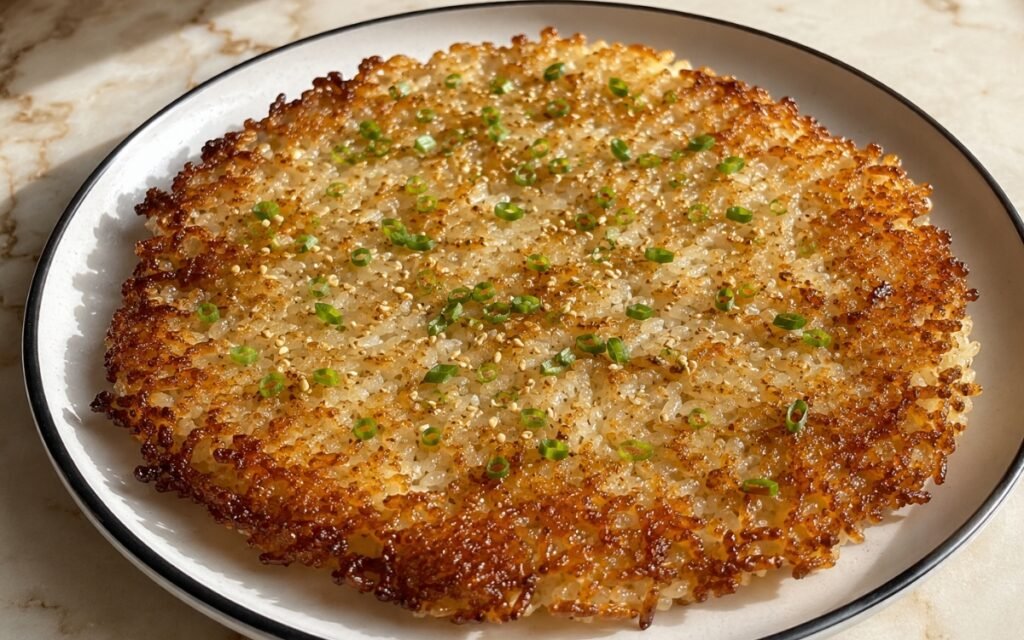
Asian Crispy Rice
Cooled rice seasoned with soy, vinegar, sesame oil, pressed into a cake, pan-fried undisturbed until golden. Crisp and savory.
-
Onigiri Rice Balls
Warm short-grain rice triangles filled with flaky salmon and wrapped with a crisp, toasty nori strip.
-
Lemon Garlic Shrimp Couscous Bowl
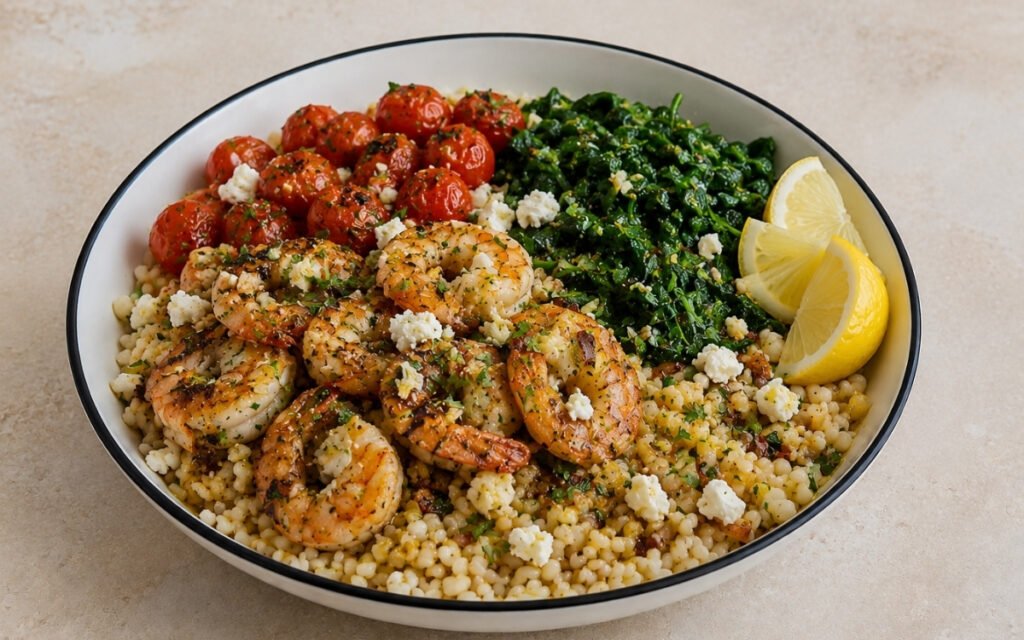
Garlic-lemon shrimp seared golden over pearl couscous with blistered cherry tomatoes, garlic-wilted spinach, lemon-herb dressing, and feta. Mediterranean, 35 minutes.

-
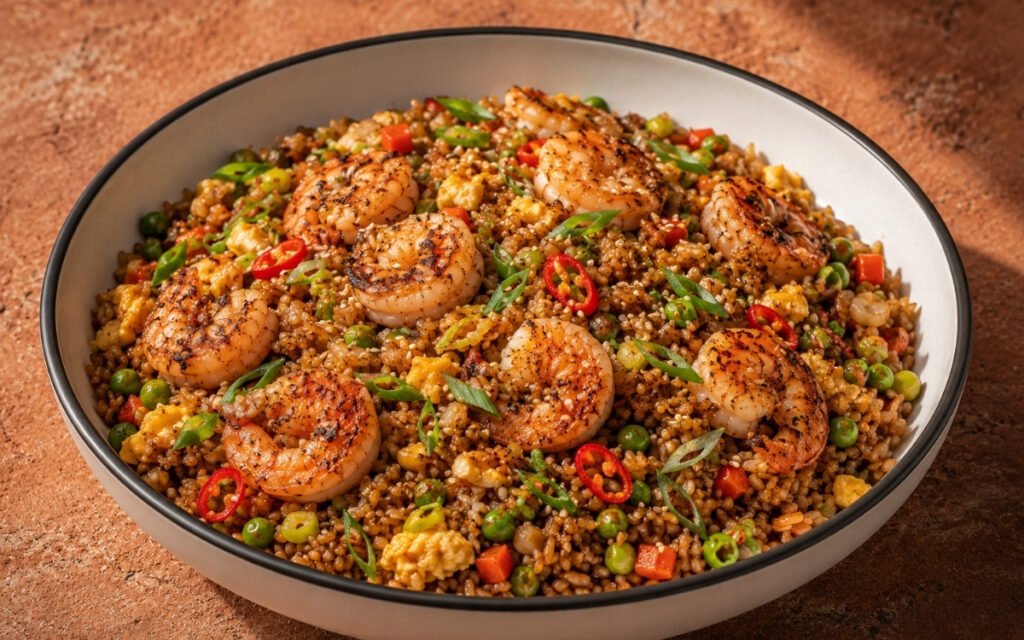
Shrimp Fried Rice Bowl
Restaurant-quality shrimp fried rice with day-old rice, plump shrimp, and authentic wok hei.
-
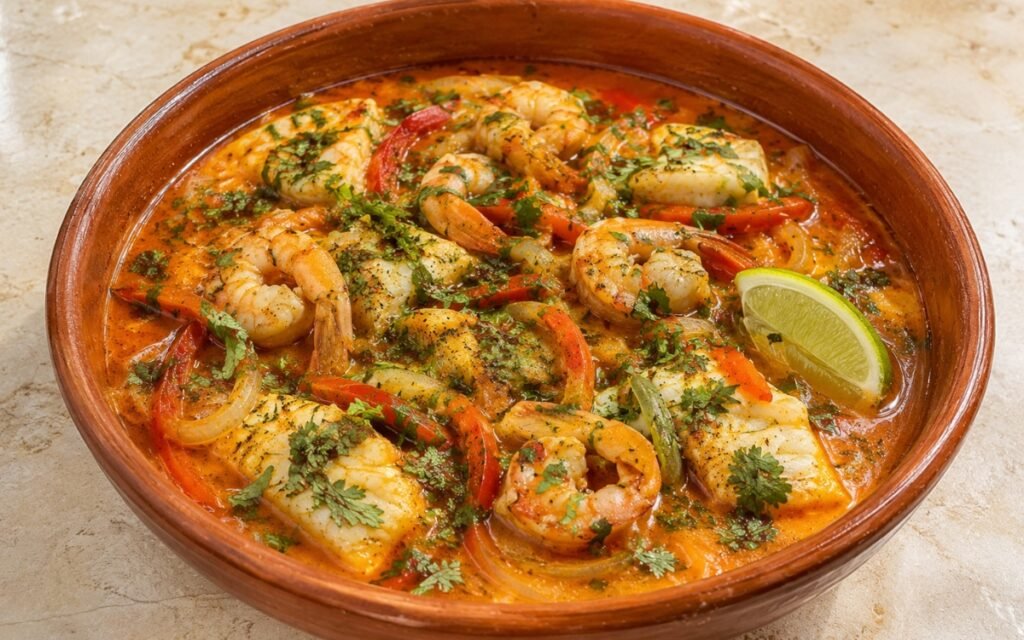
Brazilian Moqueca (Bahian Fish Stew)
White fish and shrimp simmered gently in a vivid orange coconut-tomato broth enriched with dendê palm oil, onion, and pepper.
-
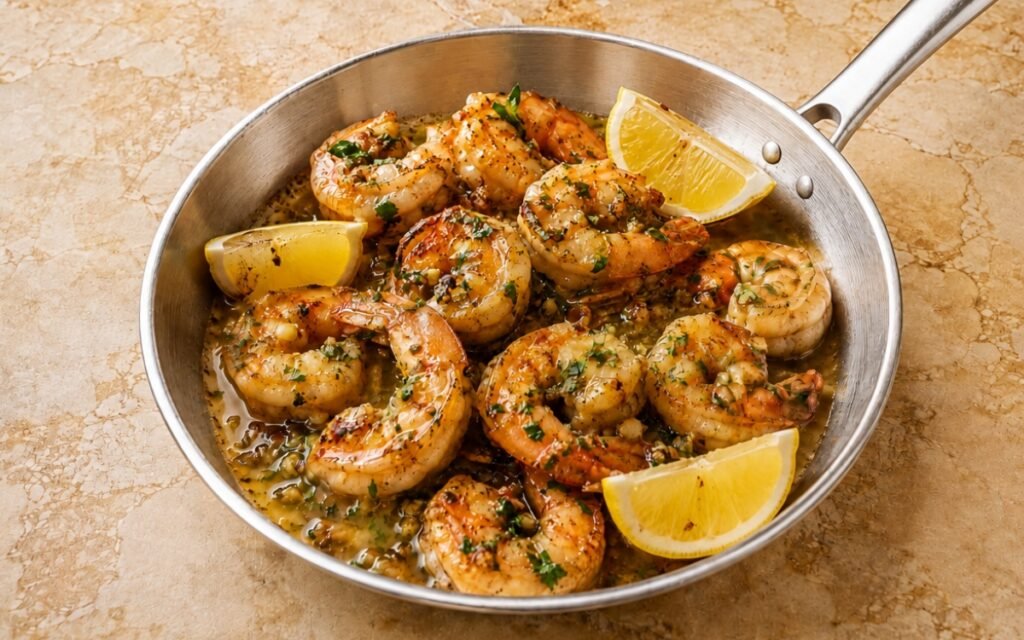
Garlic Butter Shrimp Skillet
Hard-seared shrimp finished gently in a glossy garlic butter sauce with lemon, parsley, and chili flakes.