Romesco Roasted Cauliflower
Romesco roasted cauliflower is a platter of deeply caramelised cauliflower florets piled over a thick, rustic Catalan-style romesco made from roasted red peppers, tomato, garlic, toasted almonds, olive oil, smoked paprika, and sherry vinegar, the key being the contrast between charred, tender florets and a nutty, smoky, gently tangy sauce. Roasting the cauliflower in a single uncrowded layer with several flat sides facing down, rather than piling it onto a small tray, is the technique this whole dish depends on for its browned edges — crowded florets trap steam and turn pale and soft instead of caramelising, the same give-every-piece-direct-heat principle used elsewhere in this collection whenever a vegetable must brown rather than steam. Pulsing the romesco coarsely, with the toasted bread and almonds left visibly textured, is what gives the sauce its rustic body instead of a fine purée. Roasting the tomato and unpeeled garlic alongside the cauliflower is what turns them soft and sweet without any bitterness. The payoff is a platter with real, contrasting textures — crisp-edged, tender cauliflower, a thick smoky-sweet sauce, and a crunchy scatter of toasted almonds and parsley.

- Prep Time : 20 min
- Total Time : 55 min
- Servings : 4
Ingredients
For the Cauliflower
- 1 large cauliflower (about 1.2–1.4kg), cut into medium florets
- 35ml extra-virgin olive oil
- 5g fine sea salt
- 1g black pepper
- 1g smoked paprika
For the Romesco Sauce
- 2 roasted red peppers (about 180g drained)
- 1 medium ripe tomato (about 140g)
- 4 garlic cloves, unpeeled
- 70g toasted almonds
- 30g day-old rustic bread, lightly toasted
- 1 tsp smoked paprika
- 1 tbsp sherry vinegar
- 60–80ml extra-virgin olive oil
- 4–6 tbsp water, only as needed
- 4g fine sea salt
- Black pepper, to taste
For Finishing
- 25g toasted almonds, roughly chopped
- 10g flat-leaf parsley, chopped
- Extra-virgin olive oil, for drizzling
Directions
- Season the Cauliflower
Heat the oven to 230°C conventional / 210°C fan and cut the cauliflower into medium florets of roughly the same size, so that every piece finishes at the same moment. Toss the florets in a large bowl with 35ml of olive oil, the salt, black pepper, and smoked paprika until every crown is evenly and lightly coated. The florets should look glossy but not dripping. That even coating of oil is what lets the surface brown instead of drying out in the oven’s heat. - Roast the Cauliflower
Spread the florets on a large tray in a single layer with several flat sides facing down, leaving a little space between the pieces. Roast for 25–30 minutes, turning once halfway, until the stems are tender and the crowns have deep golden-brown, lightly charred edges. If the tray looks crowded, use two trays rather than one, because the florets will otherwise steam. That direct contact with the hot metal is what builds the caramelised, nutty edges. - Roast the Tomato and Garlic
Put the whole tomato and the unpeeled garlic cloves on a small tray and roast them alongside the cauliflower for 15–20 minutes, until the tomato has softened and slumped and the garlic feels tender when pressed. Let the garlic cool until it can be handled, then squeeze each clove out of its skin. The garlic should be soft, sweet, and pale gold rather than dark or bitter. That gentle roasting in its skin is what mellows the garlic into the sauce. - Make the Romesco
In a food processor, combine the roasted red peppers, the roasted tomato, the peeled roasted garlic, 70g of toasted almonds, the toasted bread, smoked paprika, sherry vinegar, salt, and a little black pepper. Pulse until coarse, then run the machine and drizzle in the olive oil, adding a splash of water only if the sauce needs loosening. It should be thick, spoonable, and slightly coarse, never a smooth purée. That coarse texture is what keeps the nuts and bread visible and gives the sauce its rustic body. - Assemble and Serve
Spread the romesco onto a large serving plate in a broad, thick layer, then pile the hot roasted cauliflower over it, so the florets sit on the sauce rather than sinking into it. Spoon a little extra romesco over a few of the florets, then finish with the chopped toasted almonds, the parsley, and a light drizzle of olive oil. Serve at once while the cauliflower is hot. That contrast between hot, crisp-edged florets and the cool, thick sauce is what makes each forkful work.
*Notes :
- Roasting the cauliflower in a single, uncrowded layer deserves genuine recognition as the technique most directly responsible for the dish’s browned, nutty edges. A tray that is too full traps steam between the florets, so the surface stays pale and soft instead of caramelising, and no amount of sauce afterwards can restore that missing roasted flavour.
- Keeping the romesco coarse deserves the same attention this technique receives throughout this collection’s other rustic, nut-thickened sauces. A fine purée loses the grainy bite of the almonds and the toasted bread, whereas a few quick pulses leave visible texture that gives the sauce its traditional body and lets it sit thickly on the plate.
- Peeling the garlic only after roasting deserves genuine respect as the detail most directly responsible for the sauce’s sweet, mellow base. The papery skin shields the cloves from the harsh dry heat, so they soften into a sweet, spreadable paste, whereas bare garlic on the tray would scorch and turn the whole romesco bitter and harsh.
- Balancing the sherry vinegar against the roasted peppers and tomato deserves attention as a genuine, checkable seasoning cue rather than a loose approximation. The finished sauce should taste nutty, smoky, lightly sweet, and only gently tangy, because too much vinegar flattens the sweetness of the peppers while too little leaves the whole sauce heavy and dull.
Why This Recipe Works
This recipe works because every component is brought to its own best texture before the plate is assembled. Roasting the cauliflower in one layer builds deep browned edges while the centres stay tender. The tomato and garlic roast in the same oven, so they turn sweet and soft without extra effort. Pulsing the sauce coarsely keeps the almonds and bread visible, which gives it rustic body, and a splash of sherry vinegar brightens everything, so each forkful of hot cauliflower and thick sauce is smoky, nutty, balanced, and satisfying.
Ingredient Breakdown
Single-Layer Roasting (Flat Sides Down)
The critical technique — direct contact with the hot tray browns the florets instead of steaming them.
Toasted Almonds
The structural foundation — they give the romesco its nutty body, and the extra chopped almonds add crunch on top.
Day-Old Rustic Bread (Toasted)
The structural choice — it thickens the sauce traditionally and gives it a rustic, slightly coarse body.
Smoked Paprika
The defining flavour ingredient — it adds the gentle smokiness that makes the roasted peppers taste properly Catalan.
Sherry Vinegar
The finishing technique — a single tablespoon sharpens the sauce and balances the sweetness of the peppers and tomato.
Parsley and Olive Oil (To Finish)
The finishing touch — fresh green flat-leaf parsley and a light drizzle lift the platter just before serving.
Flavor Structure Explained
This romesco roasted cauliflower follows a layered balance model:
- Caramelised foundation (roasted cauliflower florets with charred edges)
- Nutty, smoky body (toasted almonds, toasted bread, and smoked paprika)
- Sweet, roasted depth (roasted red peppers, tomato, and soft garlic)
- Gentle tangy lift (sherry vinegar)
- Fresh, crunchy finish (chopped almonds, parsley, and olive oil)
Roasted cauliflower provides the caramelised foundation of the platter, with its browned edges and tender centres. Toasted almonds, bread, and smoked paprika give the romesco its nutty, smoky body, while roasted peppers, tomato, and soft garlic add a sweet, rounded depth. Sherry vinegar adds a gentle tangy lift that keeps the sauce from tasting heavy, and chopped almonds, parsley, and olive oil bring a fresh, crunchy finish that ties this dish together.
Common Mistakes to Avoid
- Overcrowding the Roasting Tray – This traps steam between the florets, leaving them pale and soft. Always spread them in one layer, using two trays if needed.
- Roasting the Garlic Until Dark – This turns the cloves bitter, and the bitterness carries into the romesco. Always pull them when soft and pale gold.
- Blending the Romesco Smooth – This erases the texture of the almonds and bread, leaving a thin red sauce. Always pulse until coarse and add water by the spoonful.
- Skipping the Toasted Bread – This leaves the sauce thin and loose, so it slides off the florets. Always include the day-old bread, lightly toasted, for body.
- Plating the Cauliflower Too Early – This lets hot florets steam against the sauce and lose their crisp edges. Always plate the romesco first and add the cauliflower just before serving.
Variations
Extra-Smoky Version
Add an extra half teaspoon of smoked paprika to the cauliflower and a pinch more to the sauce, giving a deeper, campfire-like flavour while the nutty, tangy balance of the romesco stays recognisable.
Hazelnut Version
Replace half of the almonds in the sauce with toasted hazelnuts, which makes the romesco rounder and slightly sweeter while keeping the same thick, coarse texture and roasted pepper base.
Whole Roasted Head Version
Roast the cauliflower whole for about 50 minutes at 200°C, then break it into large pieces over the sauce, giving a softer interior and a more dramatic presentation on the platter.
Gluten-Free Version
Leave out the toasted bread and add 20g more almonds, which keeps the sauce thick and nutty although it will be slightly more crumbly and a little less traditional in texture.
Storage & Make-Ahead
The romesco can be made one to two days ahead and refrigerated in a covered container, which lets the smoked paprika, garlic, and vinegar settle into a rounder flavour before it is spooned onto the plate.
Leftover roasted cauliflower keeps for up to 3 days in the refrigerator in an airtight container, although its crisp edges will soften, so it is best treated as a reheated component rather than a crisp one.
Reheat leftover cauliflower on a tray in a hot oven until the edges crisp again, because the microwave steams the florets and leaves them soft, wet, and noticeably less roasted in flavour than before.
Serve the romesco warm or at room temperature, since cold sauce straight from the refrigerator is stiff and dulls the smoky, nutty flavours that are the reason the dish is worth making.
Keep the chopped almonds and parsley separate until the moment of serving, so the nuts stay crunchy and the herbs stay green instead of wilting into the warm sauce.
Frequently Asked Questions
Why do the cauliflower florets need several flat sides facing down on the tray?
Flat sides give the largest contact area with the hot metal, and direct contact is what browns the surface quickly while the centre softens, whereas rounded sides in the air only dry out.
Why is the unpeeled garlic roasted with the tomato instead of added raw?
The skin protects the cloves from the dry oven heat, so they turn soft, sweet, and mellow, while raw garlic would taste sharp and harsh in a sauce that is never cooked afterwards.
Why should the romesco stay slightly coarse instead of being blended smooth?
The grainy texture of almonds and toasted bread is what gives romesco its traditional body, and a fine purée turns it into a thin, ordinary pepper sauce that cannot hold the florets.
Why is sherry vinegar added to the romesco?
Its gentle acidity balances the sweetness of the roasted peppers and tomato and cuts through the oil and nuts, so the sauce tastes bright and tangy rather than heavy and flat.
Are there other classic cauliflower, plant-based main, or roasted vegetable dishes worth trying?
Gobi Manchurian is another cauliflower-led plant main worth exploring. Chiles en Nogada shares the roasted vegetable-main approach, Crispy Salt and Pepper Tofu is a comparable plant-based main, and Roasted Cauliflower Rice and Roasted Cauliflower and Chickpea Salad with Tahini are also worth trying for other roasted cauliflower directions.
Nutrition Facts
( Per Serving )
- Calories
- ~520 kcal
- Protein
- 14 g
- Fat
- 40 g
- Carbs
- 31 g
-

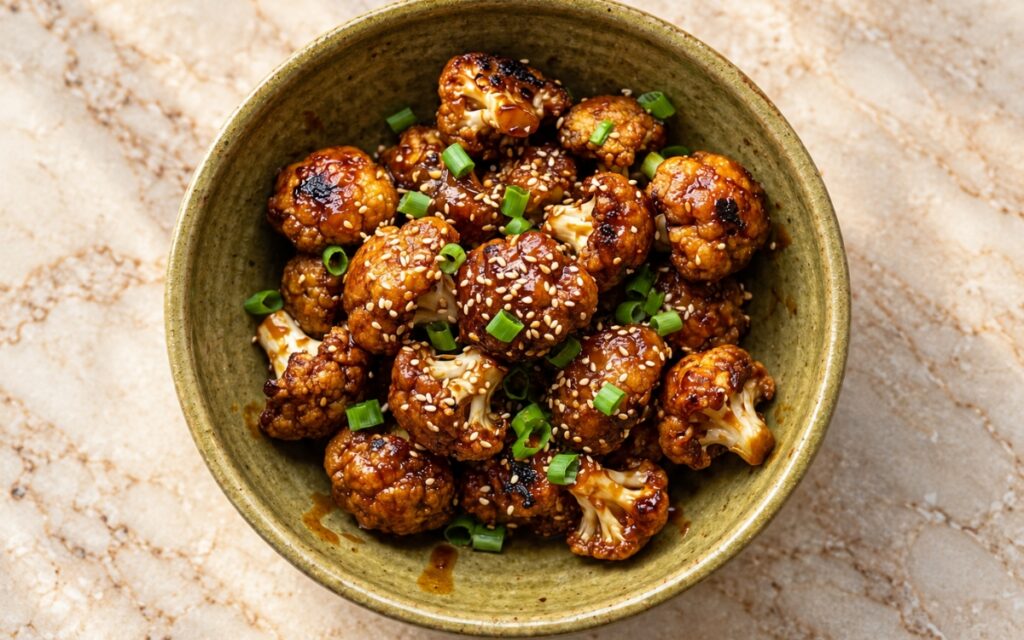
Gobi Manchurian
Crisp battered cauliflower florets tossed in a glossy, dark soy-chilli sauce with charred spring onions, onion and green bell pepper.
-
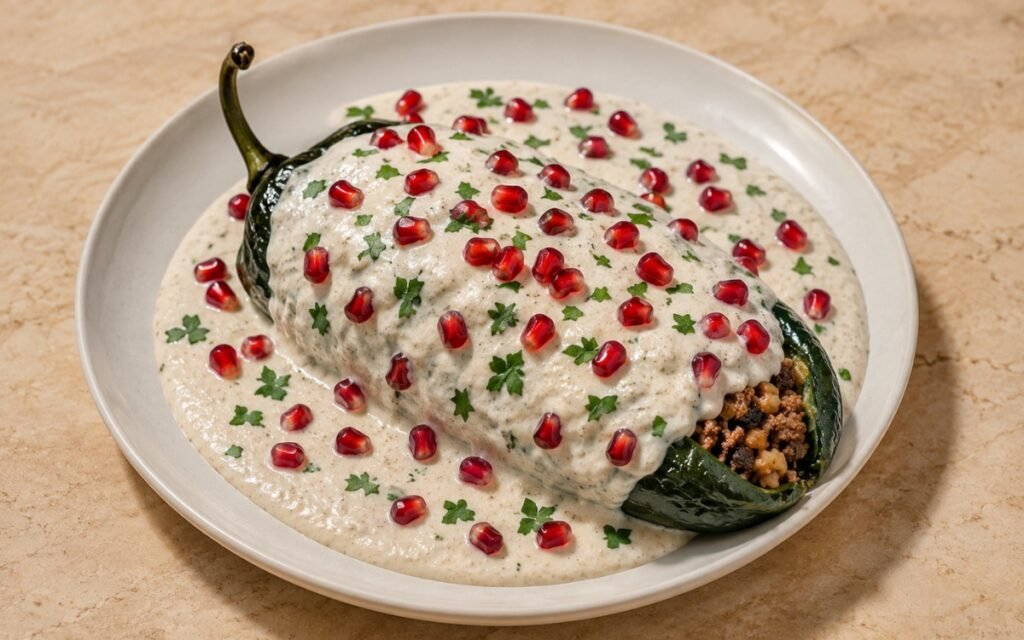
Chiles en Nogada
Roasted poblano peppers stuffed with a savoury-sweet pork and beef picadillo, covered in creamy white walnut sauce, and finished with pomegranate seeds.
-
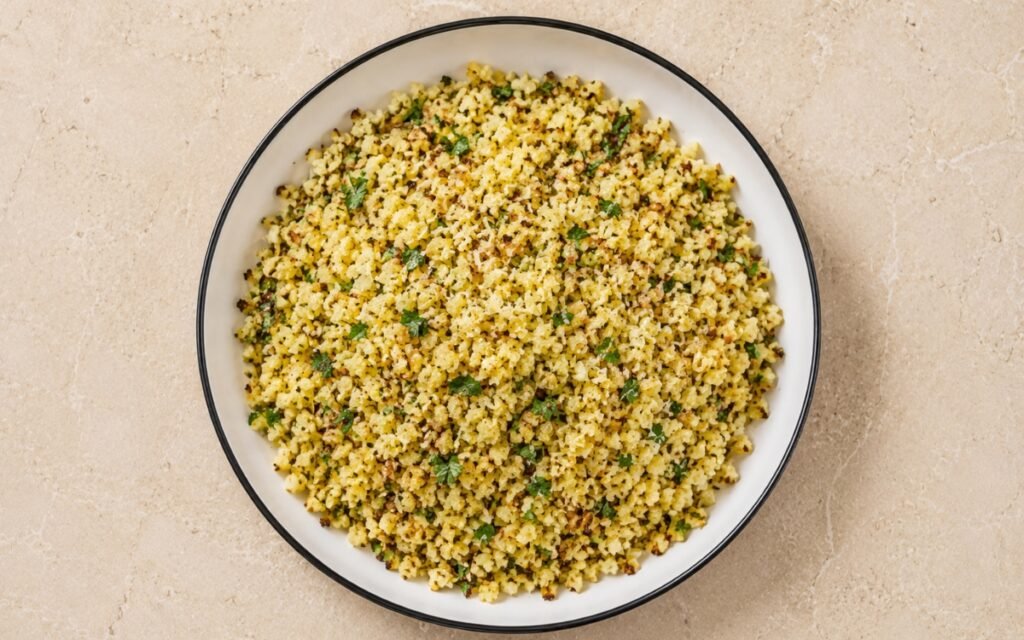
Roasted Cauliflower Rice
Cauliflower pulsed in batches, spread thin, roasted until golden and caramelized, finished with butter, parsley, and lemon. Nutty and low-carb.
-
Roasted Cauliflower and Chickpea Salad with Tahini
Golden roasted cauliflower and crisp chickpeas with lemon-tahini sauce, fresh herbs, pomegranate, and toasted pine nuts.
-
Blueberry Almond Butter Smoothie Bowl
A thick, glossy blueberry smoothie bowl with Greek yogurt and almond butter, topped with fresh fruit, almond butter drizzle, almonds, and granola.
-
Chicken Korma
Classical chicken korma with tender chicken in a pale golden, creamy onion-yogurt-nut sauce, served with jasmine rice.