
Quick Honey Mustard Sauce
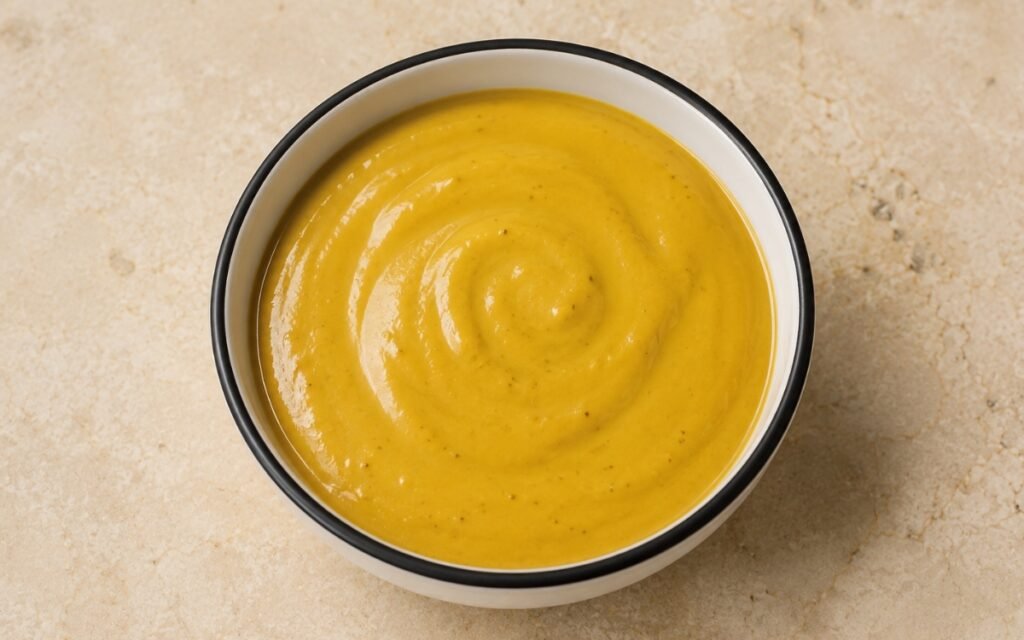
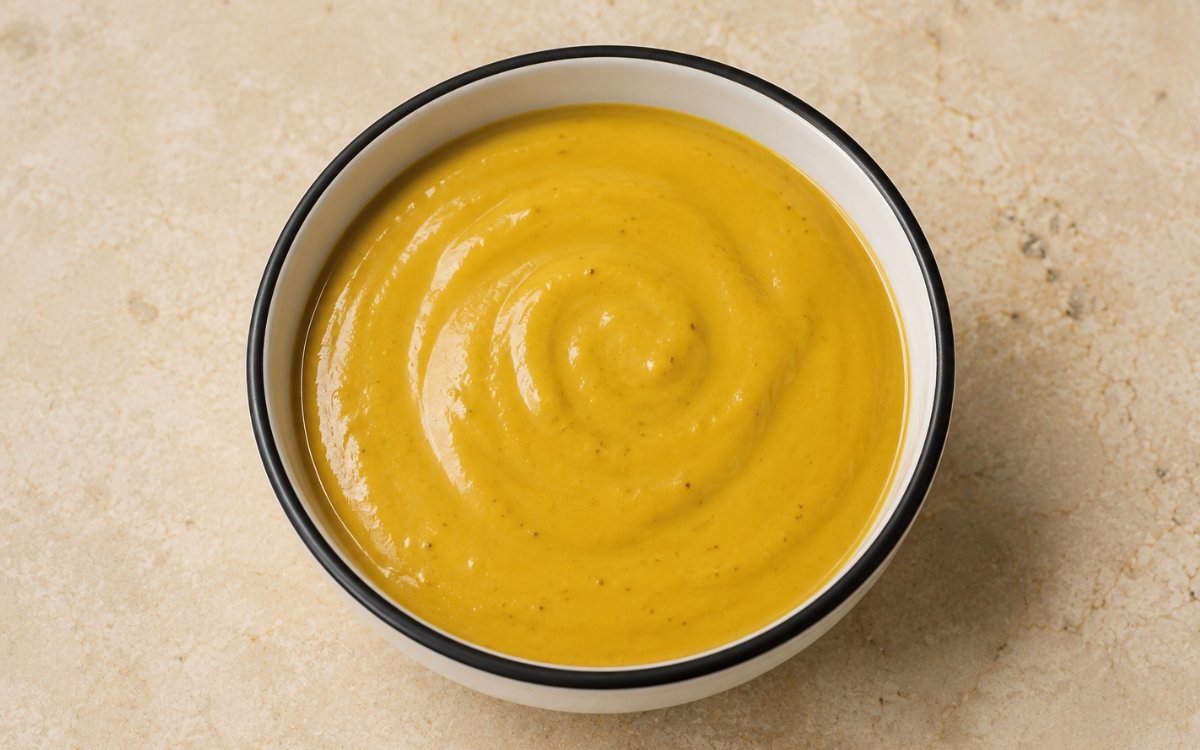
This balanced honey mustard sauce delivers the perfect sweet-tangy punch in just 5 minutes. Creamy, versatile, and crowd-pleasing, it’s equally at home on chicken tenders, as a sandwich spread, or tossed with roasted vegetables.
Prep Time : 5 min
Cook Time : 0 min
Servings : 4
5 min
0 min
4
Ingredients
Sauce Base
• 60g Dijon mustard — this one on Amazon
• 60g honey — this one on Amazon
• 60g mayonnaise, regular or light
Sauce Base
• 15ml apple cider vinegar
• 2g salt, or to taste
• Freshly ground black pepper to taste
• Optional: pinch of cayenne pepper for heat
This post may contain affiliate links. As an Amazon Associate I earn from qualifying purchases, at no additional cost to you.
Directions
- Whisk the Core Ingredients
In a medium bowl, combine Dijon mustard, honey, and mayonnaise in equal proportions. These ratios create the sauce’s balance — mustard for sharpness, honey for sweetness and body, and mayonnaise for creamy richness. Whisk firmly from the center outward for about 30 seconds until the mixture is completely smooth, uniform in color, and free of streaks. - Incorporate the Vinegar
Add the apple cider vinegar and whisk until fully integrated. The vinegar introduces clean, fruity acidity that lifts the honey’s sweetness and slightly loosens the texture, making the sauce more versatile and pourable. - Season and Adjust Flavor
Season with salt and freshly ground black pepper. Taste and adjust if needed — the finished profile should feel balanced between sweet, tangy, sharp, and creamy. For gentle heat, add a small pinch of cayenne. - Allow the Sauce to Rest
Refrigerate for 15–30 minutes if possible. This resting time helps the flavors meld and softens the mustard’s sharpness while the honey integrates with the acidity. - Stir and Serve
Before serving, stir the sauce well as slight separation may occur during chilling. The rested sauce will be slightly thicker and cling better to salads, sandwiches, or roasted foods.
*Notes :
- The quality of the Dijon mustard matters considerably. A high-quality Dijon made with wine and a high proportion of mustard seeds produces a more complex, sophisticated sauce than a cheap generic version. Look for Dijon with a short ingredient list: mustard seeds, vinegar or wine, salt, and water. Avoid yellow mustard as a substitute — it lacks the complexity and sharpness of Dijon and produces a flat, one-dimensional sauce.
- Raw unfiltered honey produces a noticeably better sauce than processed honey. Raw honey retains aromatic floral compounds and trace minerals that contribute subtle complexity to the sauce’s sweetness. It also tends to have a slightly thicker consistency that improves the sauce’s body.
- The equal-weight ratio of all three main ingredients is a deliberate formula. Adjusting any single component shifts the sauce’s character: more mustard creates a sharper, more assertive sauce; more honey produces a sweeter condiment-like result; more mayo produces a creamier, milder sauce. All three adjustments are valid depending on intended use.
Why This Recipe Works
This recipe achieves a precisely calibrated three-way balance that is the defining characteristic of excellent honey mustard. Equal proportions of mustard, honey, and mayonnaise create a sauce where no single ingredient dominates. Sweet, sharp, and creamy exist in equilibrium. Apple cider vinegar then acts as a brightening agent that sharpens and defines all three flavors rather than adding a fourth competing note.
Ingredient Breakdown
Dijon Mustard
Provides the primary flavor character — complex, fermented sharpness and body. The defining ingredient of the sauce.
Honey
Provides natural sweetness, viscosity, and floral aromatic notes that balance and soften the mustard’s sharpness.
Mayonnaise
Contributes creamy richness, emulsified fat for body, and neutral background that carries the mustard and honey forward.
Apple Cider Vinegar
Adds clean, bright acidity that prevents the sauce from tasting heavy or overly sweet and brings all flavors into focus.
Flavor Structure Explained
This sauce follows a layered balance model:
- Creamy base (mayonnaise)
- Sharp acidity (Dijon mustard)
- Controlled sweetness (honey)
- Bright lift (apple cider vinegar)
- Subtle heat (black pepper, cayenne)
Mayonnaise establishes the structural body, providing a smooth, neutral base that carries contrast. Dijon defines the sharp edge, cutting through richness and preventing softness. Honey balances that sharpness with controlled sweetness, creating a stable core. Apple cider vinegar lifts the entire profile, sharpening perception and adding brightness. Black pepper and cayenne finish the sauce with gentle heat, giving it a clean, lingering bite rather than a flat finish.
Common Mistakes to Avoid
- Using Yellow Mustard – Yellow mustard lacks the complexity and vinous sharpness of Dijon. The resulting sauce will taste flat and one-dimensional.
- Adding Too Much Vinegar – Apple cider vinegar should brighten without dominating. More than 15ml starts to make the sauce taste sour rather than balanced.
- Not Tasting Before Serving – Because honey varies in sweetness and mustard in sharpness between brands, the balance requires tasting and adjusting to the specific products used.
Variations
Lighter Version
Replace half or all of the mayonnaise with full-fat Greek yogurt for a tangier, lighter sauce with fewer calories.
Whole-Grain Honey Mustard Sauce
Replace Dijon with whole-grain mustard for a rustic sauce with visible mustard seeds.
Spicy Honey Mustard Sauce
Add a pinch of cayenne or a small amount of sriracha for a sweet-heat version excellent with fried foods.
Honey Mustard Glaze
Reduce the mayonnaise to 30g and brush over chicken, pork, or salmon during the last few minutes of cooking for a caramelized glaze.
Storage & Make-Ahead
Store in an airtight container in the refrigerator for up to 2 weeks. The sauce improves after the first 24 hours as the flavors meld. Stir well before each use. This is an ideal candidate for batch preparation — make a double or triple batch and use throughout the week as a dipping sauce, sandwich spread, dressing, and marinade.
Frequently Asked Questions
Can I use this as a salad dressing?
Yes. Thin slightly with additional apple cider vinegar or a small amount of water, then drizzle over greens, grain bowls, or coleslaw.
Can I make this vegan?
Replace the honey with agave nectar or maple syrup and use vegan mayonnaise. The flavor profile will be slightly different but still balanced.
What’s the best way to use this sauce?
As a dipping sauce for chicken tenders and fries; as a sandwich spread; tossed with roasted vegetables; as a salad dressing; or brushed over chicken, pork, or salmon as a marinade.
My sauce is too sweet — how do I fix it?
Add more Dijon mustard in small amounts, tasting after each addition, or add a few extra drops of apple cider vinegar to increase acidity.
Nutrition Facts
( per serving )
Calories
~118 kcal
Protein
1 g
Fat
6 g
Carbs
~18 g
Calories
~118 kcal
Protein
1 g
Fat
6 g
Carbs
~18 g
Related Recipes
Related Recipes

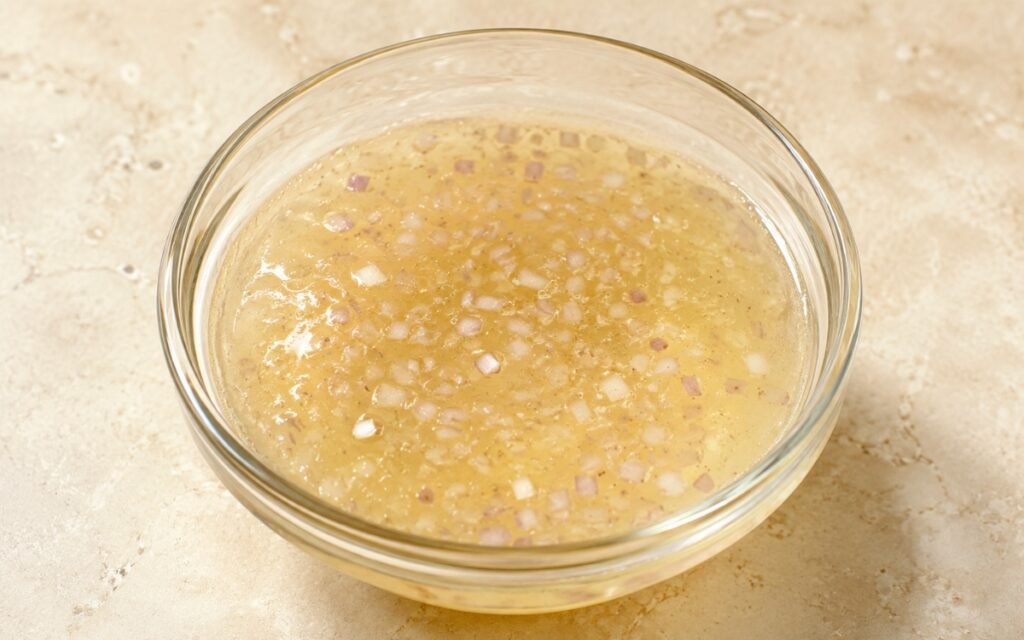
Champagne Vinegar Dressing
Delicate champagne vinegar creates an elegant, light dressing for refined salads — ready in 5 minutes.
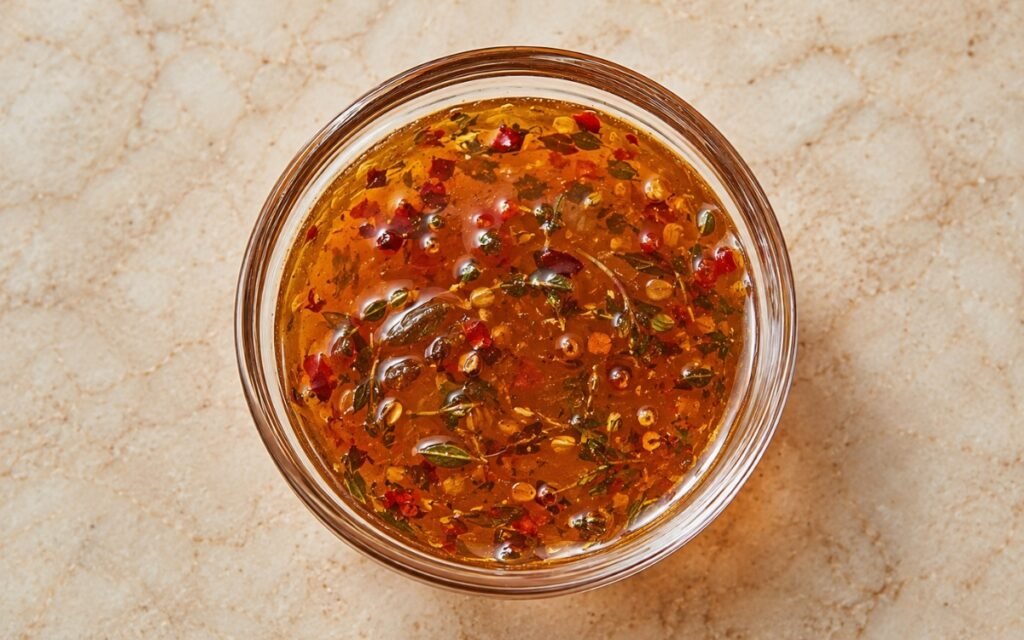
Spicy Honey Drizzle
Honey infused with chili heat and vinegar — 10-minute sweet-heat drizzle for everything.
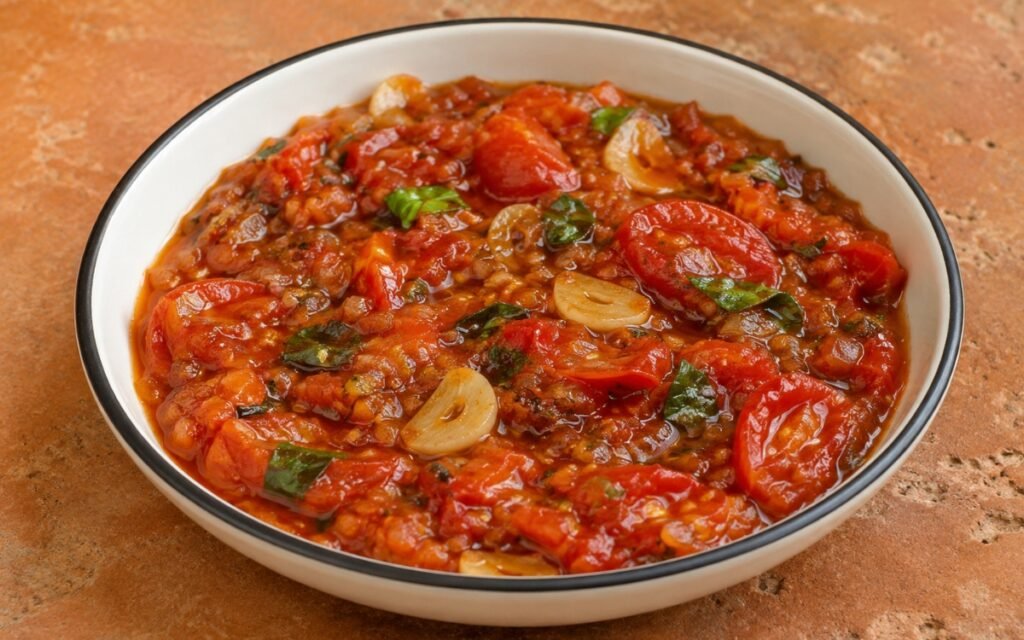
Quick Warm Tomato Garlic Sauce
Fresh cherry tomatoes simmer with garlic and basil. Versatile warm sauce ready in just 15 minutes.
You might also like
You might also like
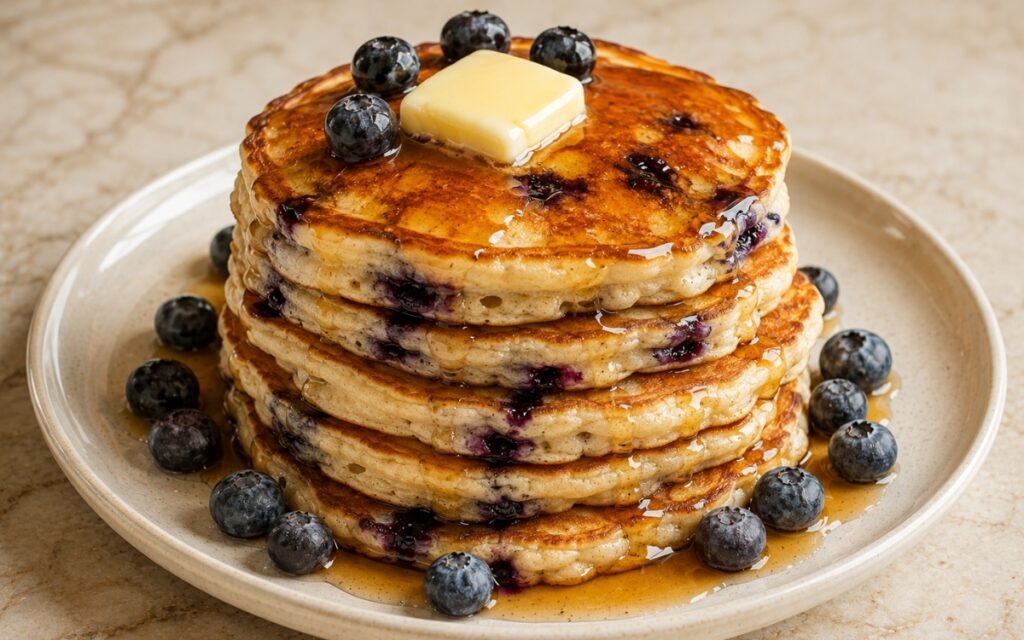
Blueberry Buttermilk Pancakes
buttermilk batter mixed to 8 strokes with visible lumps — blueberries folded in and added again in the pan. Tall, tender, and golden in 25 minutes.
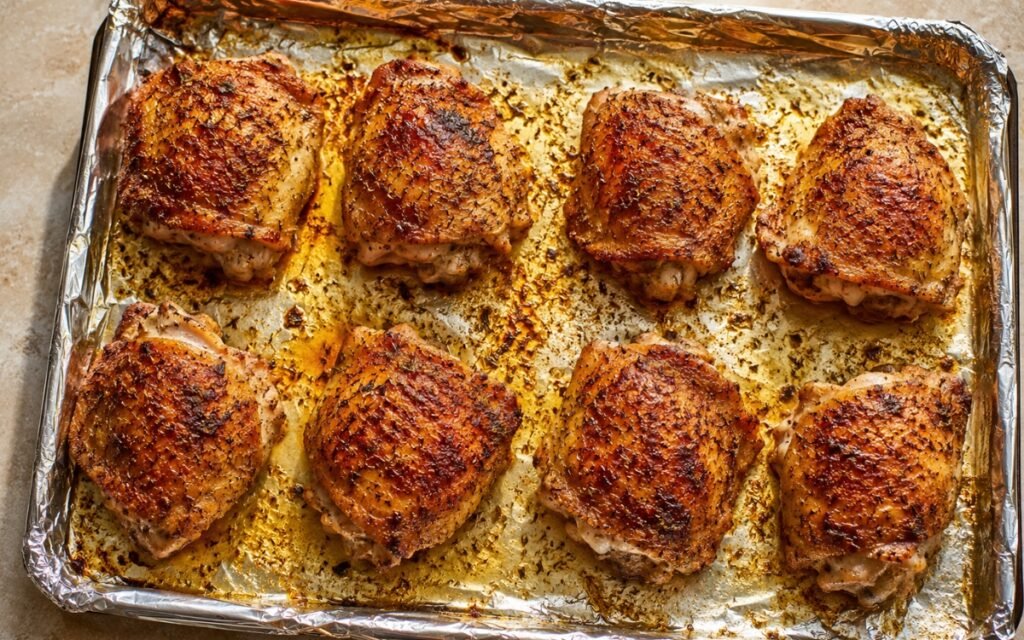
Cripsy Oven-Baked Chicken Thighs
Crispy-skinned chicken thighs baked with simple spices—the most forgiving and flavorful cut.
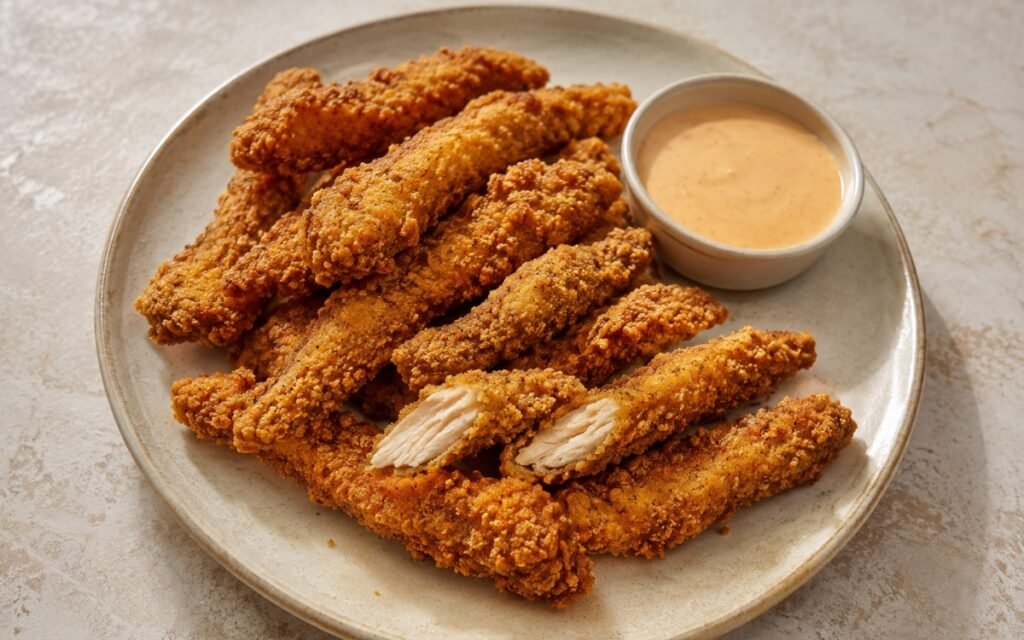
Chicken Fries
Long thin chicken breast strips coated in a craggy panko-breadcrumb crust, deep-fried until golden and crisp, served with a savoury dipping sauce.
Quick Honey Mustard Sauce
Ingredients
Method
- In a medium bowl, combine Dijon mustard, honey, and mayonnaise in equal proportions. These ratios create the sauce’s balance — mustard for sharpness, honey for sweetness and body, and mayonnaise for creamy richness. Whisk firmly from the center outward for about 30 seconds until the mixture is completely smooth, uniform in color, and free of streaks.
- Add the apple cider vinegar and whisk until fully integrated. The vinegar introduces clean, fruity acidity that lifts the honey’s sweetness and slightly loosens the texture, making the sauce more versatile and pourable.
- Season with salt and freshly ground black pepper. Taste and adjust if needed — the finished profile should feel balanced between sweet, tangy, sharp, and creamy. For gentle heat, add a small pinch of cayenne.
- Refrigerate for 15–30 minutes if possible. This resting time helps the flavors meld and softens the mustard’s sharpness while the honey integrates with the acidity.
- Before serving, stir the sauce well as slight separation may occur during chilling. The rested sauce will be slightly thicker and cling better to salads, sandwiches, or roasted foods.