
Mango Coconut Smoothie Bowl
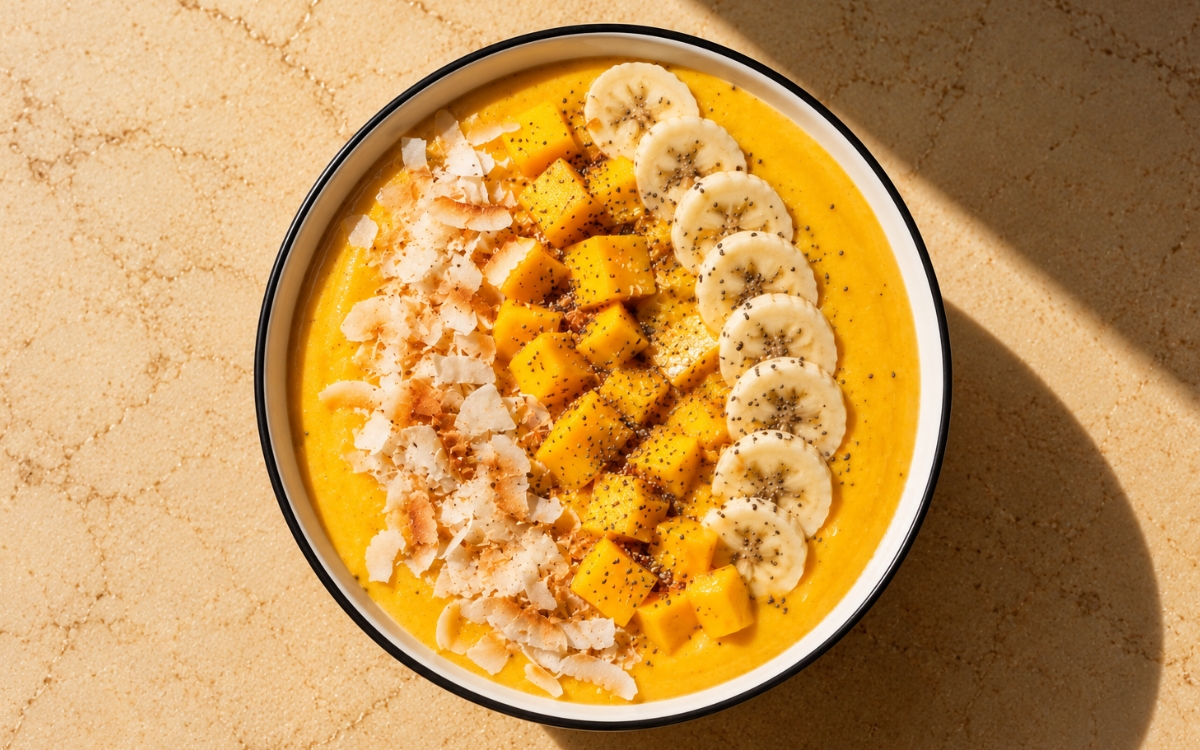
A thick, spoonable tropical smoothie bowl built around ripe mango and coconut, with a vivid golden-yellow base and creamy texture, with frozen mango and banana providing structure while coconut yogurt and coconut milk reinforce the tropical profile, finished with fresh mango cubes, banana slices, toasted coconut flakes, and chia seeds arranged in clean sections. Toasting the coconut flakes only until the edges turn golden, then pulling them off the heat immediately, is the technique the garnish depends on, since coconut continues browning from residual heat even after it leaves the pan. Keeping the frozen mango and banana genuinely frozen, and starting with the minimum amount of coconut milk, is what gives this bowl its thick, spoonable structure, since a base that’s too thin is considerably harder to recover from than one that simply needs a splash more liquid. A small amount of lime juice brightens the mango and keeps the rich coconut from tasting heavy or one-dimensional, the same acidity-against-richness principle used elsewhere in this collection’s other coconut-based recipes, without making the bowl taste distinctly of lime. The payoff is a bowl with real tropical density — thick enough that a spoon dragged through it leaves a visible trail, vivid golden-yellow throughout, mango leading with coconut richness right behind it.

Prep Time : 15 min
Total Time : 30 min
Servings : 4
15 min
30 min
4
Ingredients
For the Mango Coconut Smoothie Base
• 800g frozen mango chunks
• 3 medium ripe bananas, sliced and frozen, about 300–330g peeled
• 300g thick coconut yogurt — unsweetened, thick variety
• 180–240ml chilled full-fat coconut milk, as needed
• 2 tbsp honey or maple syrup, optional, to taste
• 1 tbsp fresh lime juice
• 1 tsp vanilla extract, optional
• Small pinch fine sea salt
For the Toppings
• 300g fresh ripe mango, cut into small cubes
• 2 medium bananas, sliced into coins
• 60g unsweetened coconut flakes or coconut chips
• 3–4 tbsp chia seeds
Directions
- Toast the Coconut
Place the coconut flakes in a dry skillet over low to medium-low heat. Toast for 3–5 minutes, stirring frequently, until lightly golden and fragrant, then immediately transfer to a cool plate. Coconut continues browning from residual heat, so remove it as soon as the edges turn golden rather than waiting for every piece to brown. That residual heat is exactly why timing here is less forgiving than it looks — the pan and the flakes themselves stay hot enough to keep cooking for a few seconds even off the burner. - Prepare the Toppings
Dice the fresh mango and slice the bananas, then measure the toasted coconut and chia seeds. Chill the serving bowls for 5–10 minutes before assembling if possible. All toppings should be ready before blending — the smoothie base begins softening as soon as the frozen fruit is processed. That immediacy is the same reason every smoothie bowl in this collection calls for toppings prepped in advance, since there’s no time to slice and measure once the thick base is already sitting in the blender. - Load the Blender
Add to the blender in this order: 180ml coconut milk, coconut yogurt, honey or maple syrup if using, lime juice, vanilla, salt, frozen banana, and frozen mango. Start blending on low, then gradually increase the speed, using a tamper if available. Use the minimum amount of coconut milk initially — a smoothie bowl should be substantially thicker than a drinkable smoothie. That restraint matters because it’s considerably easier to loosen a too-thick base with a splash more coconut milk than to recover one that’s already gone thin. - Blend to a Spoonable Texture
Blend only until completely smooth, stopping and scraping the sides as necessary. If the blades can’t circulate the fruit, add additional coconut milk 1 tablespoon at a time. The finished base should be glossy, dense, and thick enough that a spoon dragged through it leaves a visible trail for several seconds, with the toppings sitting on the surface rather than immediately sinking. That visible trail is a genuinely useful, checkable marker here, since “thick enough” is otherwise a matter of feel that’s easy to misjudge by sight alone. - Taste and Balance
Taste the base before portioning and adjust if necessary: more lime juice if the mango tastes overly sweet or flat, a little honey or maple syrup if the mango is tart, or a small pinch more salt if the coconut and mango flavours seem muted. Lime should brighten the mango, not make the bowl taste distinctly lime-flavoured. That distinction matters because the lime’s job here is acidity working quietly in the background against the coconut’s richness, not a flavour meant to announce itself on its own. - Portion
Divide the mixture evenly among 4 chilled bowls, approximately 350–400ml smoothie base per serving, then smooth the surface gently with the back of a spoon. Working quickly here matters because the base is at its thickest and coldest the moment it leaves the blender, and every minute afterward works against that texture. - Add the Toppings
Arrange the toppings in clean sections: a generous line of mango cubes, an overlapping row of banana coins, a generous section of toasted coconut flakes, and a light scatter of chia seeds, then serve immediately. That immediate serving protects the toasted coconut’s crispness and the clean, sectioned presentation alike, both of which fade the longer the finished bowl sits before reaching the table.
*Notes :
- Frozen mango is essential to this bowl’s structure and its vivid yellow colour, and using fresh mango alone produces a noticeably softer result, since fresh fruit simply carries no frozen body of its own to contribute the way the frozen version does.
- A thick, unsweetened coconut yogurt is worth seeking out specifically, since a thinner variety may require reducing the coconut milk to compensate for the extra liquid it brings. Full-fat coconut milk also gives a noticeably more pronounced coconut flavour and richer texture than a carton coconut beverage, which is considerably more diluted by comparison.
- Lime is especially useful here precisely because the coconut is so rich — its acidity is what keeps the finished bowl from tasting heavy or one-dimensional, the same role citrus plays across several of this collection’s richer tropical and dairy-based recipes.
- Chia seeds are kept primarily as a topping rather than blended into the base in any real quantity, since they begin hydrating and swelling the moment they’re wet, which changes the base’s texture in a way that’s difficult to predict or time consistently.
Why This Recipe Works
This recipe works because the coconut flakes are pulled from the heat the instant their edges turn golden, accounting for the residual browning that continues even off the burner. Keeping the mango and banana frozen, and starting with the minimum coconut milk, builds real thickness that’s far easier to loosen than to recover once overthinned. Lime juice brightens the mango and keeps the rich coconut yogurt and coconut milk from tasting heavy, and tasting the base before portioning accounts for how much mango sweetness genuinely varies batch to batch. Serving immediately protects the toasted coconut’s crunch and the bowl’s clean, sectioned presentation before either has a chance to soften.
Ingredient Breakdown
Frozen Mango Chunks
— The structural foundation — provides the main structure and vivid yellow colour that fresh mango alone can’t replicate.
Toasted Coconut Flakes (Pulled Off Heat Early)
— The finishing technique — accounting for residual browning keeps the flakes golden rather than overdone.
Minimally Added Coconut Milk
— The critical technique — starting with less liquid protects the thick base, since an overthinned one is hard to recover.
Frozen Banana
— The critical technique — makes the base creamier and more stable without dominating the mango’s own flavour.
Thick, Unsweetened Coconut Yogurt
— The structural technique — a thinner variety would require reducing the coconut milk to compensate.
Lime Juice
— The flavour backbone — brightens the mango and keeps the rich coconut from tasting heavy or one-dimensional.
Chia Seeds as a Topping Only
— The finishing technique — kept out of the blend to avoid the unpredictable thickening that comes from hydration.
Flavor Structure Explained
This mango coconut smoothie bowl follows a layered balance model:
- Bright, tropical foundation (frozen mango)
- Rich coconut register (coconut yogurt, coconut milk)
- Brightening accent (lime juice)
- Creamy, toasted finish (banana, toasted coconut flakes)
Frozen mango sets this bowl’s bright, tropical foundation, the flavour meant to lead every spoonful. Coconut yogurt and coconut milk together build a rich, genuinely creamy coconut register underneath it. Lime juice brightens that richness just enough to keep it from tasting heavy or one-dimensional, and frozen banana alongside toasted coconut flakes finish the bowl with real creaminess and a toasted, crunchy contrast on top.
Common Mistakes to Avoid
- Letting the Coconut Keep Browning in the Pan – This lets residual heat push it from golden to burnt. Always transfer it to a cool plate the moment the edges turn golden.
- Using Fresh Mango Instead of Frozen – This produces a noticeably softer, less structured bowl. Always use frozen mango for the real thickness it provides.
- Adding Too Much Coconut Milk at the Start – This makes the base much harder to thicken back up. Always start with the minimum amount and add more only if needed.
- Blending a Large Quantity of Chia Seeds Into the Base – This changes the texture unpredictably as they hydrate. Always keep chia seeds primarily as a topping.
- Letting the Bowl Sit Before Serving – This softens the base and lets the toasted coconut lose its crispness. Always serve immediately after arranging the toppings.
Variations
Extra-Tropical Version
Add a small handful of frozen pineapple alongside the mango, layering in another bright tropical fruit note that still lets the mango and coconut lead the overall flavour.
Protein-Boosted Version
Blend in a scoop of vanilla or unflavoured protein powder along with the coconut yogurt, adding a touch more coconut milk only if the blender struggles to keep everything moving smoothly.
Extra-Lime Version
Increase the lime juice slightly for a brighter, more sharply tropical profile that cuts further through the coconut’s richness than the base recipe’s smaller amount.
Nut Topping Version
Replace the chia seeds with chopped toasted macadamia or cashew pieces, adding a different kind of crunch that pairs naturally with the mango and toasted coconut.
Storage & Make-Ahead
This bowl is best served immediately, since the frozen base gradually softens and the toasted coconut topping loses its crispness the longer everything sits together on the table.
If the base is too thin after blending, freezing it for 10–15 minutes before serving brings it back close to the right thickness without needing to blend in more frozen fruit.
The coconut flakes can be toasted a day or two ahead and kept in a sealed container at room temperature, which leaves only the actual blending and topping for right before serving.
Fresh mango and banana for the toppings are best cut close to serving time, since banana browns and cut mango releases juice fairly quickly, softening the clean sections this bowl is built around.
Frequently Asked Questions
Why does the coconut need to come off the heat right when it turns golden?
Coconut continues browning from residual heat even after it leaves the pan, so waiting for every piece to look golden risks ending up with burnt, bitter flakes by the time they’ve cooled.
Why is frozen mango essential rather than fresh?
Frozen mango provides the main structure and vivid colour this bowl depends on, and fresh mango alone simply doesn’t carry the same frozen body, producing a noticeably softer result.
Why start with the minimum amount of coconut milk?
A base that’s too thin is considerably harder to recover than one that simply needs a splash more liquid, so starting low and adjusting upward protects the bowl’s thick, spoonable texture.
Why do the chia seeds stay mostly as a topping rather than being blended in?
Chia seeds begin hydrating and swelling the moment they’re wet, which changes the base’s texture in a way that’s difficult to predict or time consistently once blended in.
Are there other tropical smoothies or coconut-forward recipes worth trying?
Pineapple Coconut Smoothie and Mango Pineapple Smoothie both offer other tropical fruit directions worth exploring, while Dragon Fruit Tropical Smoothie Bowl makes a good fellow spoonable bowl built the same way. Coconut Lime Muffins carries the coconut flavour used here into baked territory, and Piña Colada Protein Smoothie offers a different protein-forward, coconut-rich drink worth trying as well.
Nutrition Facts
( Per Serving — finished bowl, ~450–500 ml )
Calories
~685 kcal
Protein
~7 g
Fat
~34 g
Carbs
~94 g
Calories
~685 kcal
Protein
~7 g
Fat
~34 g
Carbs
~94 g
Related Recipes
Related Recipes
-

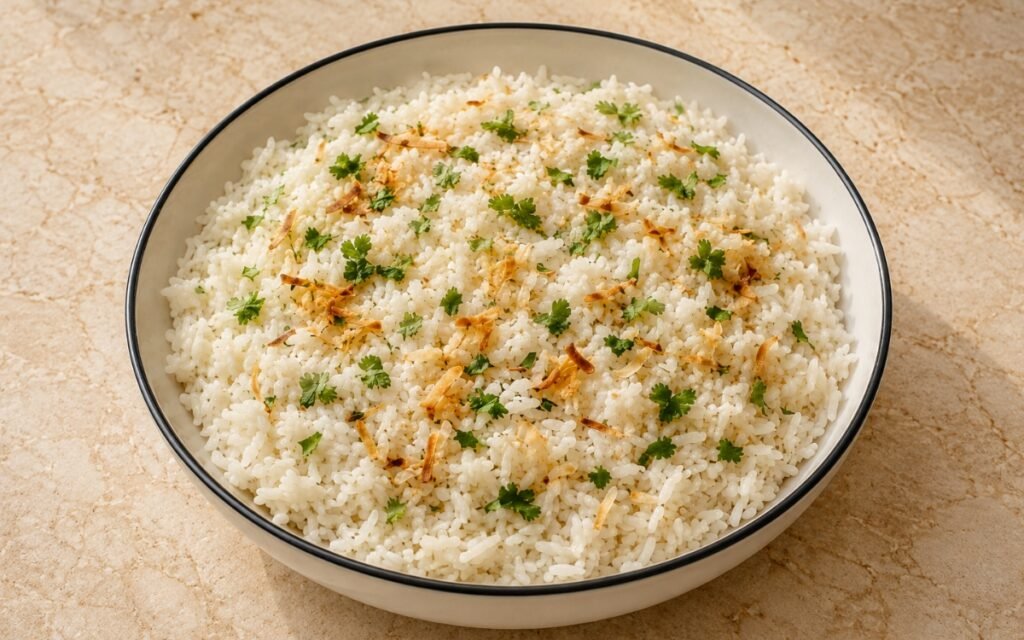
Coconut Rice
Jasmine rice rinsed thoroughly, cooked in fully whisked coconut milk over low heat, rested and fluffed, topped with toasted coconut and cilantro.
-
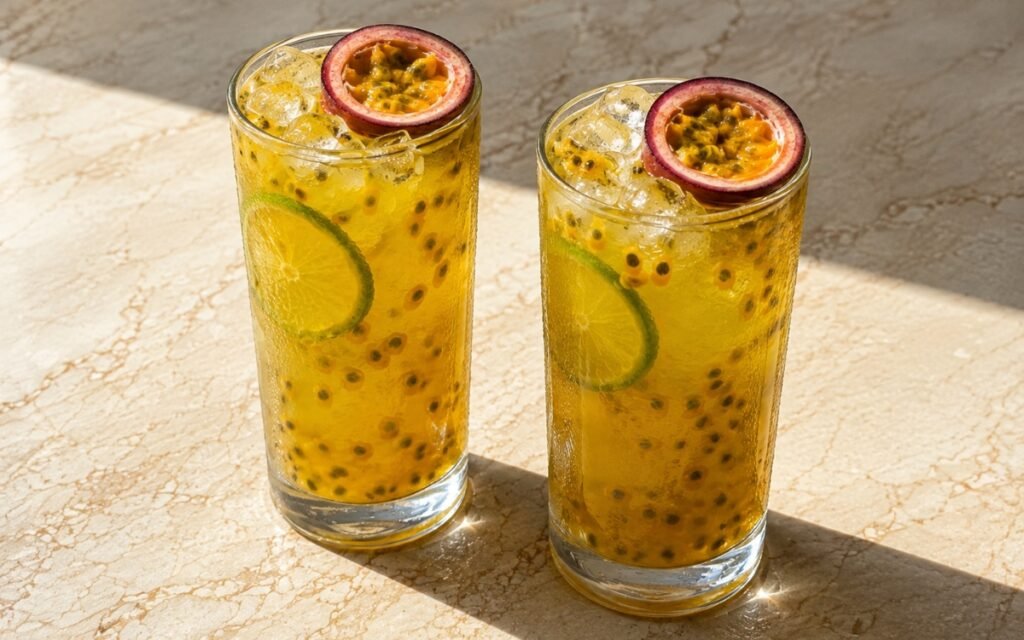
Passion Fruit Lime Lemonade
Fresh lemon and lime juice combined with entirely uncooked passion fruit pulp for a bright, tart, vivid tropical lemonade.
-
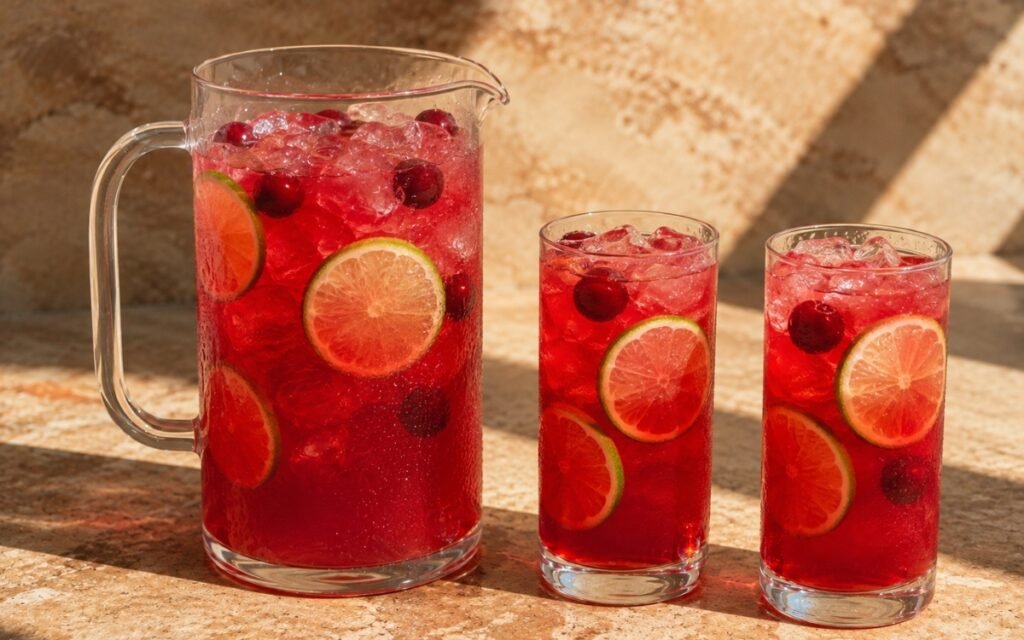
Cherry Limeade Pitcher Drink
Macerated, strained cherry-lime base combined with fresh lime juice and a second infusion of whole cherries and lime slices for a vivid red limeade.
You might also like
You might also like
-
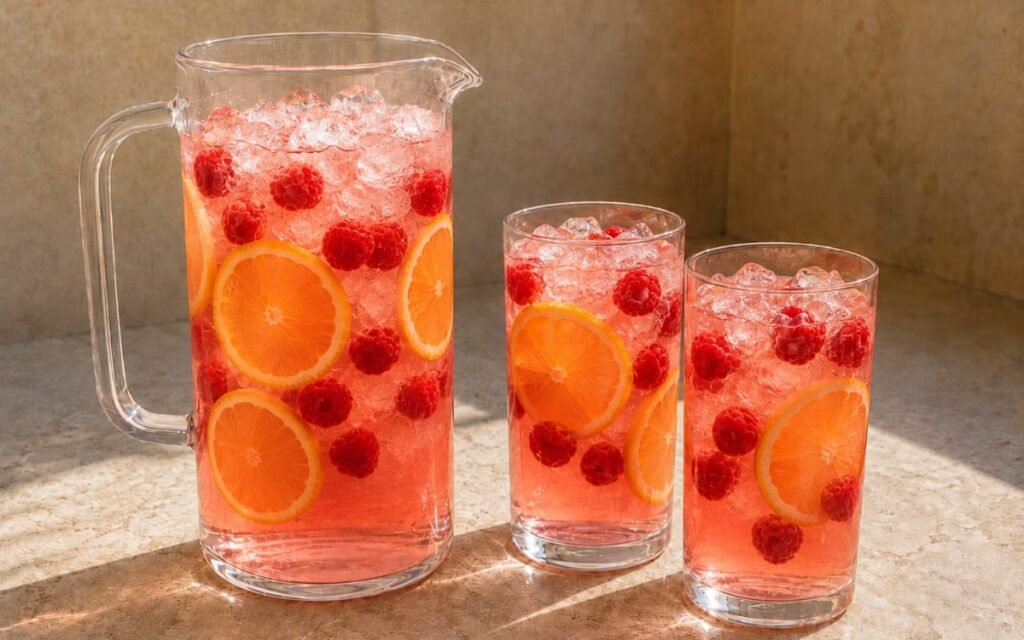
Raspberry Orange Infused Water
Orange pulp and raspberries very lightly pressed — whole fruit cold-infused in 3L water for 1–4 hours, removed. Warm coral-pink, fragrant, and hydrating.
-
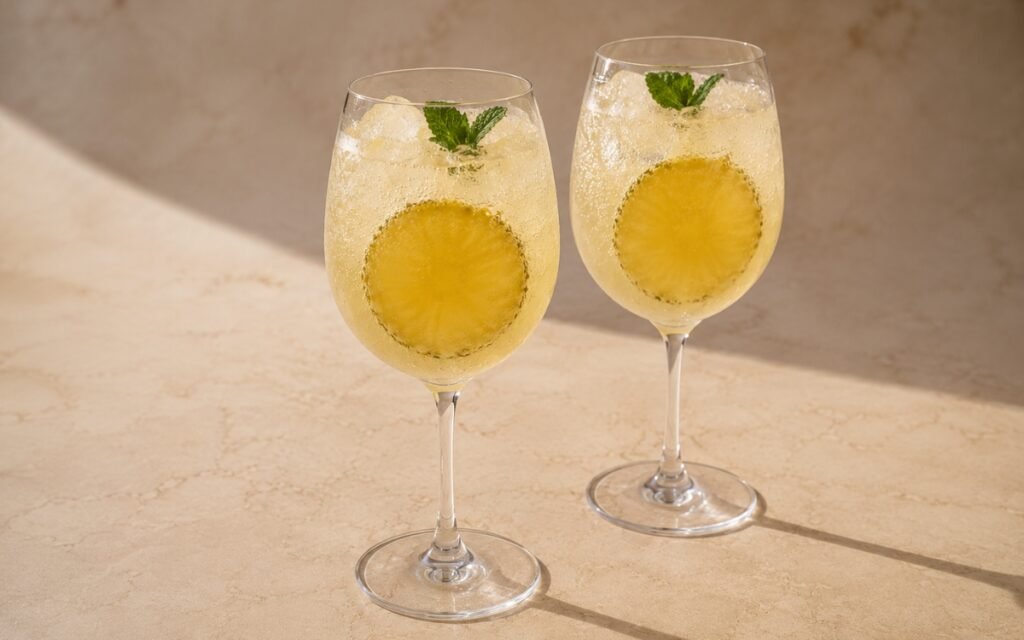
Pineapple Coconut Sparkling Mocktail
Pineapple juice and coconut water with cold-infused mint over club soda — light and tropical.
-
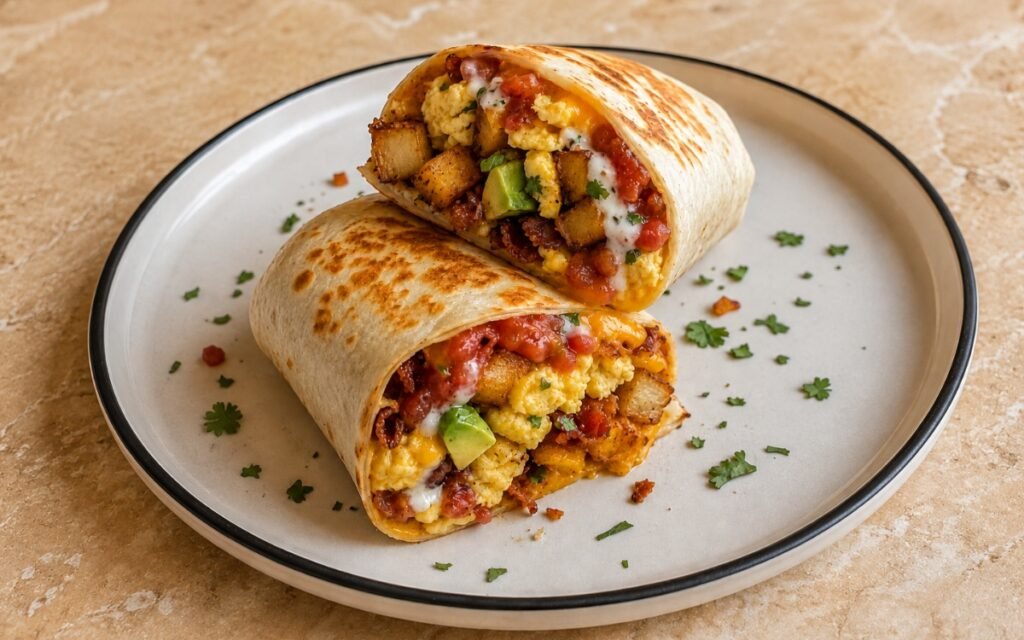
Breakfast Burritos
Soft scrambled eggs, crispy breakfast potatoes, melted cheese, bacon, salsa, and avocado rolled in warm flour tortillas and toasted golden.
Mango Coconut Smoothie Bowl
Ingredients
Method
- Place the coconut flakes in a dry skillet over low to medium-low heat. Toast for 3–5 minutes, stirring frequently, until lightly golden and fragrant, then immediately transfer to a cool plate. Coconut continues browning from residual heat, so remove it as soon as the edges turn golden rather than waiting for every piece to brown. That residual heat is exactly why timing here is less forgiving than it looks — the pan and the flakes themselves stay hot enough to keep cooking for a few seconds even off the burner.
- Dice the fresh mango and slice the bananas, then measure the toasted coconut and chia seeds. Chill the serving bowls for 5–10 minutes before assembling if possible. All toppings should be ready before blending — the smoothie base begins softening as soon as the frozen fruit is processed. That immediacy is the same reason every smoothie bowl in this collection calls for toppings prepped in advance, since there’s no time to slice and measure once the thick base is already sitting in the blender.
- Add to the blender in this order: 180ml coconut milk, coconut yogurt, honey or maple syrup if using, lime juice, vanilla, salt, frozen banana, and frozen mango. Start blending on low, then gradually increase the speed, using a tamper if available. Use the minimum amount of coconut milk initially — a smoothie bowl should be substantially thicker than a drinkable smoothie. That restraint matters because it’s considerably easier to loosen a too-thick base with a splash more coconut milk than to recover one that’s already gone thin.
- Blend only until completely smooth, stopping and scraping the sides as necessary. If the blades can’t circulate the fruit, add additional coconut milk 1 tablespoon at a time. The finished base should be glossy, dense, and thick enough that a spoon dragged through it leaves a visible trail for several seconds, with the toppings sitting on the surface rather than immediately sinking. That visible trail is a genuinely useful, checkable marker here, since “thick enough” is otherwise a matter of feel that’s easy to misjudge by sight alone.
- Taste the base before portioning and adjust if necessary: more lime juice if the mango tastes overly sweet or flat, a little honey or maple syrup if the mango is tart, or a small pinch more salt if the coconut and mango flavours seem muted. Lime should brighten the mango, not make the bowl taste distinctly lime-flavoured. That distinction matters because the lime’s job here is acidity working quietly in the background against the coconut’s richness, not a flavour meant to announce itself on its own.
- Divide the mixture evenly among 4 chilled bowls, approximately 350–400ml smoothie base per serving, then smooth the surface gently with the back of a spoon. Working quickly here matters because the base is at its thickest and coldest the moment it leaves the blender, and every minute afterward works against that texture.
- Arrange the toppings in clean sections: a generous line of mango cubes, an overlapping row of banana coins, a generous section of toasted coconut flakes, and a light scatter of chia seeds, then serve immediately. That immediate serving protects the toasted coconut’s crispness and the clean, sectioned presentation alike, both of which fade the longer the finished bowl sits before reaching the table.