
Guava Lemonade
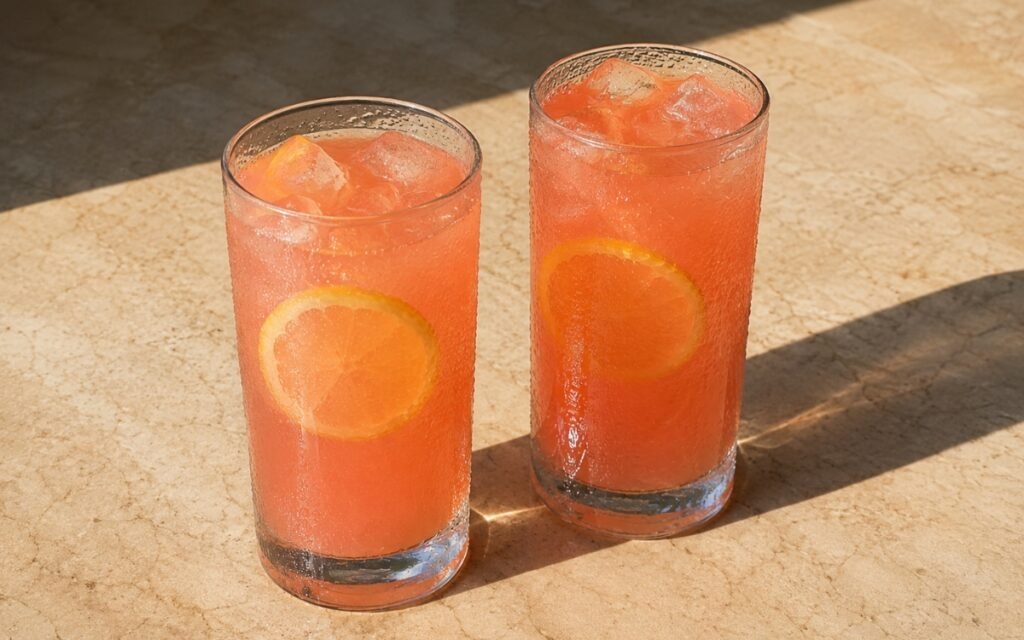
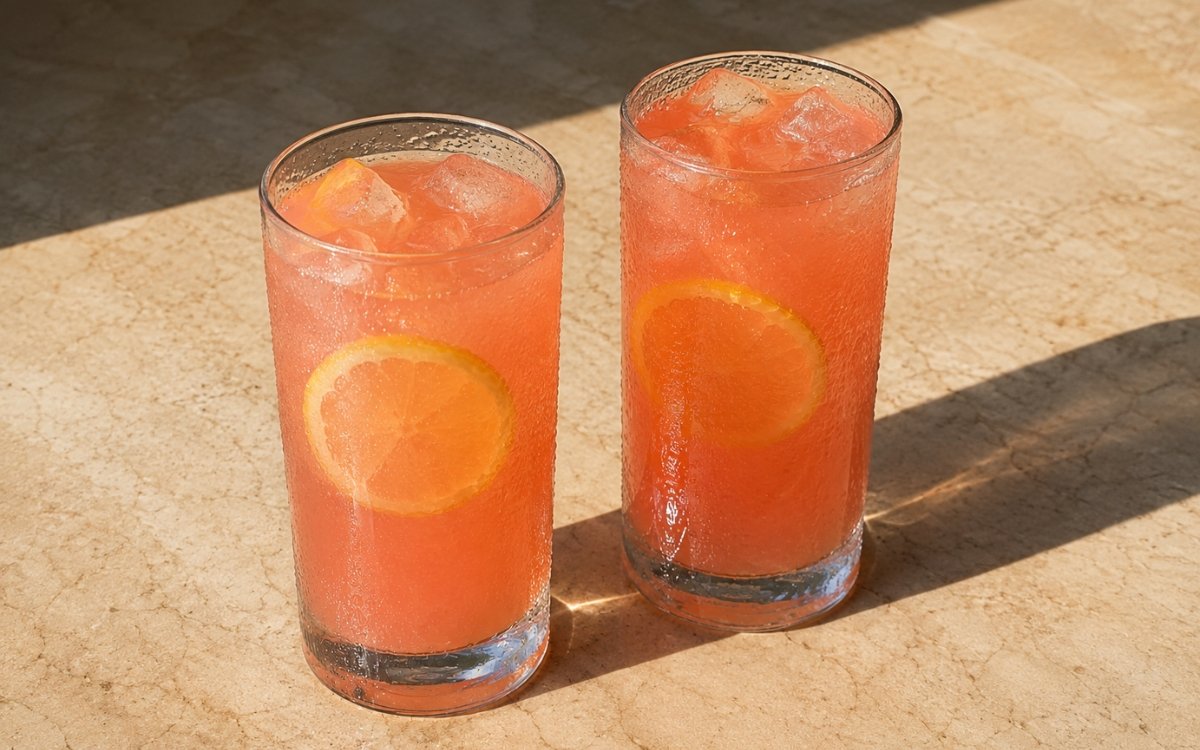
A smooth, fragrant pink-orange tropical lemonade made with guava and fresh lemon juice. The lemon flavor is built with a cold zest extraction using only the yellow peel, so the drink stays bright, fresh, and free from bitter pith flavor. Rubbing only the yellow zest into sugar, carefully avoiding any white pith, is the technique this whole lemonade depends on for its clean flavour — that pith carries real bitterness that no amount of sugar corrects afterward, the same zest-only-no-pith principle used elsewhere in this collection whenever citrus aroma needs extracting cleanly rather than bitterly. Doing that extraction cold, rubbing the zest directly into sugar rather than cooking a syrup, is what preserves the lemon oils’ brighter, fresher character. Straining the zest out after it’s been pressed firmly for its flavour is what gives the finished lemonade its smooth, clean texture against the guava’s own naturally softer body. The payoff is a lemonade that’s genuinely smooth, fragrant, and pink-orange — bright citrus against real, rounded tropical guava depth.
Prep Time : 20 min
Chill Time : 30 min
Servings : 8
20 min
30 min
8
Ingredients
For the Cold Lemon Extraction
• Zest of 4 large lemons, yellow part only, no white pith
• 200g granulated sugar — this one on Amazon
For the Lemonade
• 300ml fresh lemon juice, from about 5–6 lemons
• 700ml pink guava nectar or smooth guava purée, well stirred
• 1L very cold water
• 1 small pinch fine sea salt, optional but recommended
For Serving
• Ice cubes
• 2 lemons, thinly sliced into wheels
This post may contain affiliate links. As an Amazon Associate I earn from qualifying purchases, at no additional cost to you.
Directions
- Make the Cold Lemon Sugar
Zest the lemons carefully, taking only the yellow outer layer and avoiding all white pith. Place the zest in a bowl with the sugar and rub it together with your fingertips for 2–3 minutes until the sugar feels damp and very fragrant. Let it sit for 20–30 minutes. This cold extraction pulls the lemon oils into the sugar without cooking them, giving the lemonade a brighter and fresher flavor. Rubbing rather than simply mixing the zest into the sugar is what actually ruptures the peel’s tiny oil glands, mechanically releasing the aromatic oils directly into the sugar rather than relying on heat to draw them out. - Juice the Lemons
Juice enough lemons to get 300ml fresh lemon juice. Strain out the seeds. Pour the lemon juice over the lemon sugar and stir until the sugar is mostly dissolved. Let it sit 2–3 minutes, then stir again. For the smoothest final drink, strain out the zest, pressing firmly to extract all the flavorful syrup. The lemon juice’s own acidity helps dissolve the sugar while carrying the already-released lemon oils fully into the liquid base, and pressing the spent zest firmly before discarding it captures as much of that flavourful syrup as possible rather than leaving it behind. - Build the Lemonade
In a large pitcher, combine the lemon syrup, the guava nectar or smooth guava purée, the cold water, and the pinch of salt, if using. Stir very well until fully combined and evenly colored. The lemonade should be smooth, slightly opaque, and pink-orange. Stirring thoroughly at this stage is what fully integrates the bright, sharp lemon syrup into the guava’s own softer, rounder body — without that thorough mixing, the two components would risk tasting distinct and unblended rather than like one cohesive drink. - Chill
Refrigerate for at least 30 minutes before serving so the flavor settles and the drink is fully cold. That resting period lets the lemon and guava components fully meld together, producing a more unified flavour than serving the drink immediately after mixing would. - Serve
Fill 8 glasses with ice. Slide a thin lemon wheel into each glass, then pour over the guava lemonade and serve immediately. Serving right after chilling, rather than letting the pitcher sit out, keeps the drink at its coldest and most refreshing right when it’s poured.
*Notes :
- The strict avoidance of white pith throughout zesting deserves the same careful attention it receives in every citrus-forward drink in this collection. Lemon pith carries a real, distinct bitterness entirely separate from the fruit’s natural tartness — even a small amount worked accidentally into the zest can introduce a flavour that lingers through the whole finished pitcher, regardless of how much guava sweetness surrounds it.
- Choosing cold extraction over a boiled syrup protects the lemon zest’s volatile aromatic oils from the alteration heat would cause. Rubbing the zest directly into sugar at room temperature is what preserves that brighter, fresher lemon character — a quality that matters specifically here, since this drink’s whole appeal depends on real citrus brightness cutting through the guava’s naturally rounder, softer sweetness.
- Straining out the zest after pressing it firmly, rather than leaving it in the finished drink, is worth understanding as a deliberate choice specific to this particular lemonade’s intended texture. Unlike a rustic-style citrus drink where a little zest might be left in, guava lemonade’s appeal depends on staying genuinely smooth — that pressed, strained syrup is what delivers full lemon flavour without any textural interruption against the guava’s own already-smooth body.
- The recipe’s own note about tasting guava nectar for existing sweetness before adding extra sugar deserves real attention, since commercial guava products vary considerably in how much sugar they already contain. Adding the full recipe’s sugar amount without checking first risks a finished lemonade that’s noticeably oversweet relative to what the recipe actually intends.
Why This Recipe Works
This recipe works because the lemon zest is worked carefully to avoid any white pith, protecting the drink from unnecessary bitterness. Cold extraction preserves the lemon oils’ brighter character, and pressing the spent zest firmly before straining it out captures maximum flavour while keeping the final texture smooth.
Thorough stirring fully integrates that bright lemon syrup into the guava’s naturally softer, rounder body, and a proper chilling period lets both components meld into one cohesive, well-balanced drink rather than tasting like two separate elements sharing a glass.
Ingredient Breakdown
Yellow Lemon Zest (No Pith)
The aromatic foundation — carefully separated from the bitter white pith, protecting the drink’s clean flavour.
Cold-Extracted Zest-Sugar Base
The critical technique — rubbing releases lemon oils without the heat that would alter their fresher character.
Fresh Lemon Juice
The tartness and dissolving agent — its acidity both flavours the drink and helps fully dissolve the sugar.
Pink Guava Nectar or Purée
The tropical foundation — provides the drink’s rounded sweetness, smooth body, and signature pink-orange colour.
Strained, Pressed Zest
The texture-refining step — captures maximum lemon flavour while keeping the final drink genuinely smooth.
Flavor Structure Explained
This guava lemonade follows a layered balance model:
- Bright citrus foundation (cold-extracted lemon zest and juice)
- Sweet balancing base (granulated sugar)
- Rounded tropical depth (pink guava nectar or purée)
- Cool refreshing structure (cold water, ice)
- Subtle sharpening note (optional pinch of salt)
Cold-extracted lemon zest and fresh lemon juice provide this drink’s bright, clean citrus foundation. Sugar, infused directly with those lemon oils, balances that tartness. Pink guava nectar or purée contributes rounded, smooth tropical depth and the drink’s signature pink-orange colour, distinct from a purely citrus-forward lemonade. Cold water and ice keep the whole drink properly refreshing. An optional pinch of salt subtly sharpens the overall fruit flavour without making the drink taste salty.
Common Mistakes to Avoid
- Zesting Too Deep Into the White Pith – This introduces noticeable bitterness that’s difficult to correct afterward. Always take only the thin, fragrant yellow layer.
- Boiling a Syrup Instead of Cold-Extracting the Zest – This can alter or diminish the lemon oils’ fresher character. Always rub the zest into sugar cold.
- Skipping the Strain After Pressing the Zest – This leaves the drink less smooth than intended. Always strain and press firmly for maximum flavour with a clean texture.
- Adding Full Sugar Without Tasting Sweetened Guava Nectar First – This risks an oversweet finished lemonade. Always taste the guava product before adding the recipe’s full sugar amount.
- Serving Without a Proper Chill – The lemon and guava flavours taste more separate without time to settle together. Always refrigerate at least 30 minutes before serving.
Variations
Extra-Tart Version
Increase the lemon juice slightly for a sharper citrus presence against the guava.
Sweeter Version
Add a touch more sugar to the cold extraction for a rounder, less tart finished drink.
Sparkling Version
Top each glass with a splash of chilled soda water just before serving for light effervescence.
Fibrous Purée Version
If using a fibrous guava purée instead of nectar, strain it first per the recipe’s own note for the smoothest final texture.
Storage & Make-Ahead
Best served well chilled the same day. Stir before pouring, especially if using thicker guava purée, since it may settle slightly on standing.
The lemon syrup base can be made a few hours ahead and refrigerated separately before combining with the guava and water.
Frequently Asked Questions
Why is it so important to avoid the white pith when zesting the lemons?
Lemon pith carries real, distinct bitterness separate from the fruit’s natural tartness. Even a small amount worked into the zest can introduce a flavour that lingers through the whole finished pitcher, regardless of how much guava sweetness surrounds it.
Why is the lemon flavour extracted cold, into sugar, rather than through a boiled syrup?
Lemon zest’s aromatic oils are volatile and can be altered by heat. Rubbing them directly into sugar at room temperature preserves a brighter, fresher character that matters specifically here, since the drink’s appeal depends on real citrus cutting through the guava’s rounder sweetness.
Why is the zest strained out rather than left in the finished lemonade?
This drink’s appeal depends on staying genuinely smooth against the guava’s already-smooth body. Pressing the zest firmly before straining captures full lemon flavour while avoiding any textural interruption a rustic, unstrained version might have.
Why should sweetened guava nectar be tasted before adding the full recipe’s sugar amount?
Commercial guava products vary considerably in how much sugar they already contain. Adding the full amount without checking first risks a finished lemonade that’s noticeably oversweet relative to what the recipe intends.
Are there other bright, fruit-forward lemonades worth trying?
Fresh Pink Lemonade, Fresh Mango Lemonade, and Brazilian Lemonade all offer other bright, fruit-forward lemonade directions worth exploring. Strawberry Rhubarb Lemonade is also worth trying for a different, tart-and-sweet fruit pairing.
Nutrition Facts
( per serving )
Calories
~110 kcal
Protein
0 g
Fat
0 g
Carbs
28 g
Calories
~110 kcal
Protein
0 g
Fat
0 g
Carbs
28 g
Related Recipes
Related Recipes

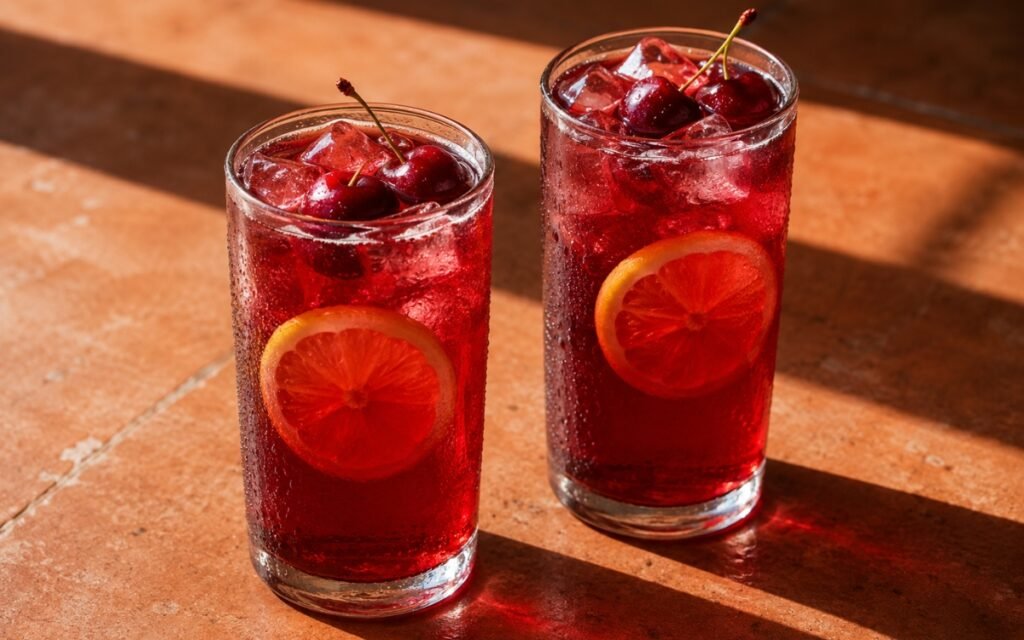
Cherry Lemonade
Cherries simmered with honey for extraction, lemon zest 10 minutes off heat — combined with fresh lemon juice, salt, cold water, chilled. Rich, ruby, and citrus-forward.
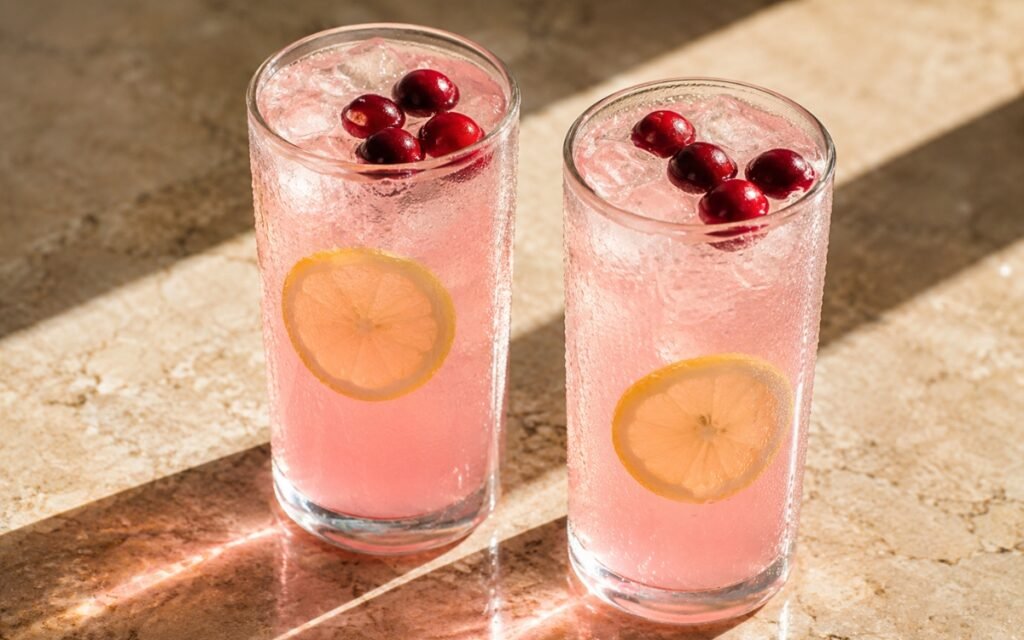
Fresh Pink Lemonade
Cranberries simmered for extraction, not reduction — vivid fluid syrup combined with fresh lemon juice and salt. Naturally pink, tart, and crisp.
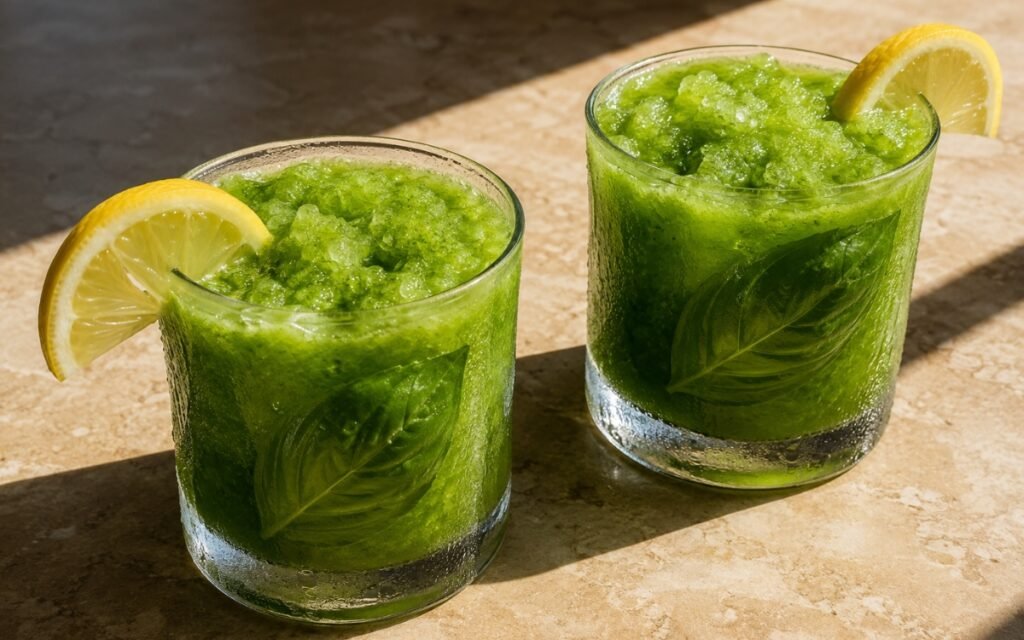
Basil Lemonade — Blended
Lemon zest syrup off heat, basil added last starting at ⅓ cup — blended 15–25 seconds, served immediately for slushy texture. Warm-herbal and unexpectedly elegant.
You might also like
You might also like
Basil Blueberry Sparkling Herbal Cooler
Concentrated white tea, basil blended into blueberries and strained — combined with the tea, finished with gentle club soda, chilled. Herbal and lively.
Peach Lemonade Pitcher Drink
900g skin-on ripe peaches in honey syrup with lemon zest off heat — combined with 300–360ml lemon juice, salt, cold water, chilled. Warm, floral, and crowd-ready.
Strawberry Basil Smash Mocktail
Fresh mashed strawberries with honey, lime, and folded basil over club soda — bright and sweet.

Guava Lemonade
Ingredients
Method
- Zest the lemons carefully, taking only the yellow outer layer and avoiding all white pith. Place the zest in a bowl with the sugar and rub it together with your fingertips for 2–3 minutes until the sugar feels damp and very fragrant. Let it sit for 20–30 minutes. This cold extraction pulls the lemon oils into the sugar without cooking them, giving the lemonade a brighter and fresher flavor. Rubbing rather than simply mixing the zest into the sugar is what actually ruptures the peel’s tiny oil glands, mechanically releasing the aromatic oils directly into the sugar rather than relying on heat to draw them out.
- Juice enough lemons to get 300ml fresh lemon juice. Strain out the seeds. Pour the lemon juice over the lemon sugar and stir until the sugar is mostly dissolved. Let it sit 2–3 minutes, then stir again. For the smoothest final drink, strain out the zest, pressing firmly to extract all the flavorful syrup. The lemon juice’s own acidity helps dissolve the sugar while carrying the already-released lemon oils fully into the liquid base, and pressing the spent zest firmly before discarding it captures as much of that flavourful syrup as possible rather than leaving it behind.
- In a large pitcher, combine the lemon syrup, the guava nectar or smooth guava purée, the cold water, and the pinch of salt, if using. Stir very well until fully combined and evenly colored. The lemonade should be smooth, slightly opaque, and pink-orange. Stirring thoroughly at this stage is what fully integrates the bright, sharp lemon syrup into the guava’s own softer, rounder body — without that thorough mixing, the two components would risk tasting distinct and unblended rather than like one cohesive drink.
- Refrigerate for at least 30 minutes before serving so the flavor settles and the drink is fully cold. That resting period lets the lemon and guava components fully meld together, producing a more unified flavour than serving the drink immediately after mixing would.
- Fill 8 glasses with ice. Slide a thin lemon wheel into each glass, then pour over the guava lemonade and serve immediately. Serving right after chilling, rather than letting the pitcher sit out, keeps the drink at its coldest and most refreshing right when it’s poured.