Greek Spinach Fritters (Spanakokeftedes)
Greek spinach fritters, or spanakokeftedes, are small, rustic patties of finely chopped spinach, tender sautéed leeks, spring onions, fresh dill, and parsley, bound with eggs and a modest amount of flour and shallow-fried in olive oil until deeply golden outside and moist, green, and vegetable-filled within, served with cool tzatziki and lemon, the key being the contrast between a crisp edge and a tender, herb-flecked centre. Wilting the spinach and squeezing it firmly in a clean towel, rather than chopping it still wet, is the technique this whole fritter depends on for patties that hold their shape — excess water makes a loose, fragile batter that falls apart and steams instead of browning, the same remove-the-water-first principle used elsewhere in this collection whenever greens go into a fried mixture. Pre-cooking the leeks is what keeps raw, firm onion out of the centre. Resting the batter for 10–15 minutes at cool room temperature is what lets the flour hydrate and bind the vegetables without any extra flour being added. The payoff is a fritter with real, vegetal depth — crisp golden edges, a soft, moist green interior, and bright dill and lemon that keep every bite fresh.

- Prep Time : 30 min
- Total Time : 1 hr 20 min
- Servings : 4
Ingredients
For the Spinach and Aromatic Vegetables
- 1.5kg fresh spinach, thoroughly washed
- 200g leek, white and light green parts, finely chopped
- 120g spring onions, finely sliced
- 25g fresh dill, finely chopped
- 20g fresh flat-leaf parsley, finely chopped
- 2 garlic cloves, finely minced
- 25ml extra virgin olive oil, for sautéing
For the Fritter Batter
- 2 large eggs
- 130g all-purpose flour
- 5g baking powder
- 6g fine sea salt (about 1 tsp), or to taste
- ½ tsp freshly ground black pepper
- ¼ tsp freshly grated nutmeg, optional
For Frying
- 120–160ml olive oil, for shallow-frying in batches, as needed
For Serving
- 240g prepared homemade tzatziki, about 60g per serving
- 1 large lemon, cut into 4 wedges
- 5g fresh dill, for a light garnish
Directions
- Prepare and Wilt the Spinach
Wash the spinach in several changes of cold water to remove sand, grit, and damaged leaves, trim away any thick, tough stems, and drain well. Heat a large, wide skillet over medium heat and add the spinach in batches without oil, letting the moisture on the leaves wilt it, for 2–4 minutes per batch until collapsed. Move it to a colander and cool for 5–10 minutes, then squeeze it firmly in a clean towel several times and chop it into 5–10mm pieces. The spinach should be dark green, tender, and relatively dry. That squeezing is what keeps the batter thick enough to shape. - Sauté the Leeks and Spring Onions
Halve the leek lengthwise, rinse it well between the layers to remove trapped grit, and slice it small. Heat the 25ml olive oil in a skillet over medium heat and cook the leek for 5–6 minutes, stirring occasionally, until softened and translucent. Add the spring onions for 2–3 minutes until they soften, then the garlic for 30–45 seconds, stirring constantly. Move the mixture to a plate and cool for about 5 minutes. The leeks should be soft and sweet, with no firm raw centre. That pre-cooking is what prevents undercooked onion in the finished fritters. - Prepare the Spinach and Herb Mixture
Put the squeezed, chopped spinach in a large bowl and add the cooled leek mixture, dill, parsley, salt, pepper, and nutmeg if using. Mix thoroughly with a fork or wooden spoon, breaking up any clumps of spinach, until the greens and aromatics are evenly distributed. Check the bottom of the bowl for accumulated liquid and drain off any that you can see before adding the remaining ingredients. The mixture should be predominantly dark green, flecked with pale leek, moist and cohesive but never watery. That draining check is what protects the crisp texture. - Prepare the Fritter Batter
Whisk the eggs in a separate small bowl until completely combined and stir them gently into the spinach mixture. In another bowl, combine the flour and baking powder, then fold this into the spinach in about three additions, mixing gently after each until no dry flour remains. The result should be a thick, slightly sticky vegetable batter. Let it stand at cool room temperature for 10–15 minutes. That rest is what lets the flour hydrate and the batter bind without turning heavy or doughy. - Shape the Spinach Fritters
Divide the rested mixture into 24 roughly equal portions. With lightly moistened or oiled hands, shape each into a rounded patty about 5.5–6cm wide and 1.5–2cm thick, flattening the top and bottom gently and leaving the edges slightly irregular rather than perfectly smooth. Arrange them in a single layer on a lightly oiled tray or plate until frying. Each fritter should look small, rounded, and handmade, with visible pieces of spinach across the surface. That uneven edge is what browns into crisp, craggy ridges. - Heat the Olive Oil
Set a wide, heavy-bottomed frying pan over medium heat and add enough olive oil for a shallow layer about 3–5mm deep. Heat it to about 165–175°C, testing with a tiny piece of the mixture, which should sizzle steadily straight away without darkening within a few seconds. Put a wire rack over a tray ready for draining the cooked fritters. That consistent, moderate heat is what crisps the surface while leaving the vegetable interior tender and cooked through. - Fry the First Side
Place 5–6 patties in the hot oil, leaving enough space between them to prevent overcrowding. Let them cook undisturbed for 3–4 minutes, watching the lower edges form a firm golden crust, and check underneath one with a thin spatula. Continue until the first side is deeply golden with several darker toasted patches, a firm underside, and lightly crisp edges, with dark-green spinach pieces visible in the surface. That undisturbed contact is what builds a crust strong enough to turn. - Flip and Finish Frying
Slide a thin spatula under each fritter and turn it in one controlled movement. Fry the second side for 3–4 minutes until both sides are deeply golden and the edges are crisp, checking that the centre is cooked through and, if you have a thermometer, reaches about 74°C. The middle should stay moist and soft with no raw, pasty flour. Move the fritters to the rack, add a little more oil between batches, and let it come back to temperature before the next. That thorough cooking is what sets the egg binder. - Check the Interior and Rest Briefly
Let the cooked fritters rest on the wire rack for 2–3 minutes, then break one open to inspect it. The centre should be pale to dark green, with recognisable chopped spinach, herbs, and small pieces of tender leek and spring onion, and the binder should be cooked but soft, with no raw wet batter. The texture should be vegetable-forward, never dense or crumb-like. That short rest is what lets the interior settle so the fritters hold together on the plate. - Prepare for Serving
Put the tzatziki in a small bowl and stir it gently to restore its creamy texture if it has been refrigerated. Cut the lemon into four wedges and set the dill garnish aside, then arrange the fritters while they are still warm. Keeping the tzatziki cool is what gives each hot, crisp fritter its contrast, and the lemon is what brightens the spinach and cuts the richness of the shallow-frying. - Plate and Serve
Divide the 24 fritters into 4 servings of 6 and arrange each portion on a warm ceramic plate in a loose, slightly overlapping composition, keeping the golden surfaces and green flecks visible. Place about 60g of tzatziki beside each portion, add one lemon wedge, and break or cut one fritter open to show the tender interior. Sprinkle lightly with fresh dill and serve immediately. That cool, thick tzatziki is what balances the warm, crisp fritters.
*Notes :
- Squeezing the wilted spinach as dry as possible deserves genuine recognition as the technique most directly responsible for fritters that hold together and brown properly. Spinach releases a large amount of water, and any that stays in the mixture makes the batter loose and fragile, so the patties steam, brown poorly, and fall apart in the pan.
- Cooking the leeks before they go into the batter deserves the same attention this technique receives throughout this collection’s other vegetable fritters and patties. Raw leek stays firm and sharp inside a quickly fried patty, whereas a few minutes of gentle sautéing softens it into a sweet, tender component that blends with the spinach and keeps the centre moist.
- Keeping the flour modest deserves genuine respect as the detail most directly responsible for a vegetable-dominant interior. Just enough flour and two eggs bind the cooked greens so the patties turn cleanly in the pan, whereas a heavier hand produces a dense, doughy, bread-like centre that hides the spinach and the herbs that should define each bite.
- Frying at a moderate 165–175°C deserves attention as a genuine, checkable readiness cue rather than a loose approximation. A tiny test piece should sizzle steadily without darkening quickly, because oil that is too hot burns the delicate herbs before the centre sets, while oil that is too cool lets the fritters soak up fat and turn greasy.
Why This Recipe Works
This recipe works because moisture is removed at every stage before frying. Wilting and firmly squeezing the spinach leaves a dry, concentrated green base, and pre-cooking the leeks and spring onions adds sweetness without raw, sharp crunch. Eggs and a small amount of flour bind the mixture, and a short rest lets the batter hydrate and thicken. Moderate shallow-frying then gives crisp golden edges and a moist, tender, herb-flecked centre, finished with cool tzatziki and a squeeze of fresh lemon on every plate.
Ingredient Breakdown
Wilted, Squeezed Spinach (1.5kg Raw)
The critical technique — wilting and wringing it dry gives a concentrated, leafy base that keeps the batter thick.
Leeks and Spring Onions (Pre-Sautéed)
The flavour foundation — softening them first adds a mild, sweet onion flavour without raw, sharp pieces.
Fresh Dill and Parsley
The defining flavour ingredient — dill especially gives the classic Greek freshness that dried herbs cannot match.
Two Eggs and 130g Flour
The structural choice — together they bind the vegetables lightly so the patties hold without turning doughy.
Baking Powder (5g)
The critical safeguard — a small amount lightens the batter slightly so the fritters stay tender rather than dense.
Tzatziki and Lemon
The finishing touch — cool, tangy yogurt and fresh lemon brighten the spinach and balance the richness of the frying oil.
Flavor Structure Explained
This Greek spinach fritter follows a layered balance model:
- Earthy, green foundation (wilted spinach)
- Sweet, mild body (sautéed leeks, spring onions, and garlic)
- Fresh herbal lift (dill and parsley)
- Crisp, golden edge (olive oil shallow-fried flour and egg crust)
- Cool, tangy finish (tzatziki and fresh lemon)
Wilted spinach provides the earthy, green foundation of each patty, while leeks, spring onions, and garlic add a sweet, mild body that softens its mineral edge. Dill and parsley bring a fresh herbal lift, and shallow-frying in olive oil forms a crisp, golden edge around the soft, moist interior. Cool tzatziki and lemon add a tangy, refreshing finish that cuts the richness and ties these Greek spinach fritters together.
Common Mistakes to Avoid
- Leaving Water in the Spinach – This makes the batter loose so the patties steam and break apart. Always cool the wilted spinach and squeeze it firmly in a clean towel.
- Adding Raw Leeks – This leaves firm, sharp onion pieces in the centre. Always sauté the leeks and spring onions until soft before mixing.
- Using Too Much Flour – This makes a dense, doughy centre that hides the spinach. Always add the flour in three additions and stop when no dry flour remains.
- Frying in Oil That Is Too Hot – This burns the herbs and edges before the centre sets. Always keep the oil at 165–175°C and test it first.
- Overcrowding the Pan – This drops the oil temperature and makes the fritters greasy. Always fry only 5–6 patties at a time.
Variations
Feta Version
Fold 100–120g finely crumbled Greek feta into the vegetable mixture before shaping and reduce the added salt, which gives a richer, tangier fritter although the base version stays more vegetable-dominant.
Frozen Spinach Version
Use 450–550g thawed, thoroughly squeezed frozen spinach in place of the fresh spinach, making sure the texture stays visibly leafy and all of the moisture has been removed first.
Baked Version
Place the shaped patties on an oiled tray and bake at 200°C for about 20 minutes, turning once, which gives a lighter, less crisp fritter while the vegetable and herb mixture remains the same.
Sauce Version
Serve the fritters with a lemon-dill Greek yogurt sauce in place of the tzatziki, which gives a slightly sharper, lemony dip while keeping the same cool, creamy contrast against the warm patties.
Storage & Make-Ahead
The spinach and aromatic mixture can be prepared up to one day ahead and refrigerated, with the eggs, flour, and baking powder added closer to cooking time for the best, lightest texture.
Refrigerate cooked leftover fritters promptly in an airtight container for up to 3 days, since the cooked spinach and egg mixture should not sit at room temperature for long after cooling.
Reheat the fritters uncovered in an oven or air fryer at about 180°C for 6–10 minutes, until hot throughout and the exterior crisps again, and avoid the microwave, which softens the crust.
Freeze cooked, fully cooled fritters in a single layer before transferring them to airtight containers, then reheat them directly from frozen in the oven until they are hot all the way through.
Serve the fritters warm from the pan or rack, with the tzatziki kept cold in the refrigerator until the last moment, so the hot, crisp patties contrast with a thick, cool sauce.
Frequently Asked Questions
Why must the spinach be squeezed so dry before it goes into the batter?
Spinach holds a large amount of water, and any left in the mixture makes the batter loose, so the patties steam, break apart, and brown poorly instead of frying crisp.
Why are the leeks cooked before they are added to the mixture?
Raw leek stays firm and sharp in a quickly fried fritter, whereas sautéing it first softens it into a sweet, tender component that blends with the spinach and keeps the centre moist.
Why does the batter rest for 10–15 minutes before shaping?
Resting lets the flour absorb moisture from the vegetables and the eggs, so the batter thickens and binds, making the patties easier to shape and less likely to break during frying.
Why are the fritters fried at about 165–175°C instead of a higher heat?
Moderate heat crisps the surface while giving the egg-and-flour binder time to cook through, whereas higher heat burns the herbs and the edges before the centre is fully set.
Are there other classic fritter, dip, or Greek meze dishes worth trying?
Crispy Zucchini Fritters and Traditional Portuguese Pastéis de Bacalhau both offer other classic fritter directions worth exploring. Authentic Tzatziki and Chipotle and Lime Hummus are also worth trying as dips for fritters, and Creamy Spinach & Herb Green Sauce Pasta is another spinach dish.
Nutrition Facts
( Per Serving — 6 fritters )
- Calories
- ~560 kcal
- Protein
- 22 g
- Fat
- 31 g
- Carbs
- 48 g
-

Crispy Zucchini Fritters
Zucchini salted and firmly squeezed dry, mixed into a thick herb-Parmesan batter, fried without crowding until golden. Crisp and herbaceous.
-
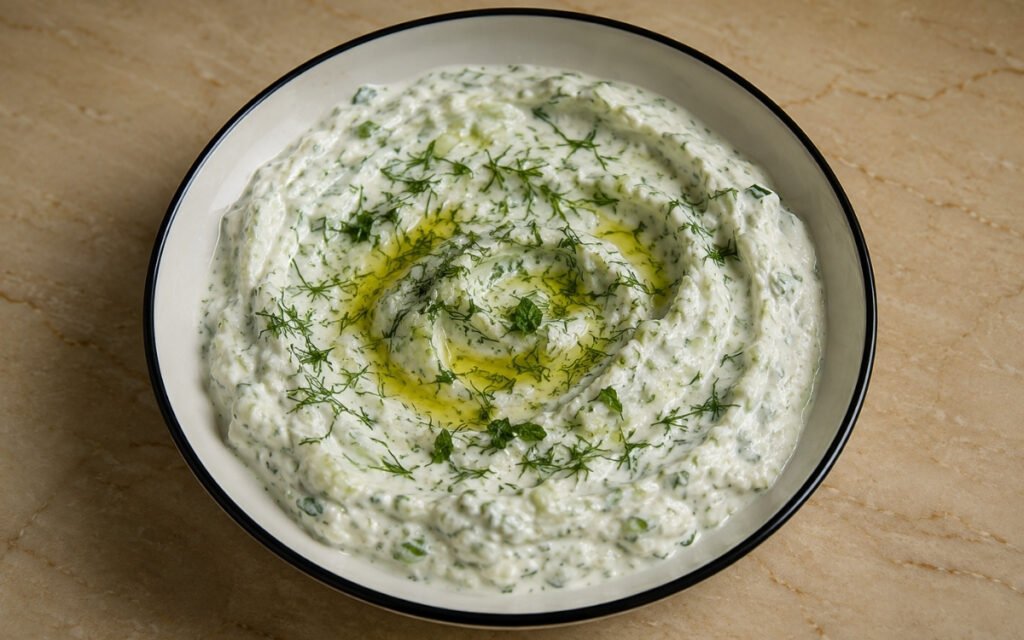
Authentic Tzatziki
Thick, creamy Greek tzatziki with squeezed cucumber, fresh dill, mint, and lemon — the real thing in 30 minutes.
-
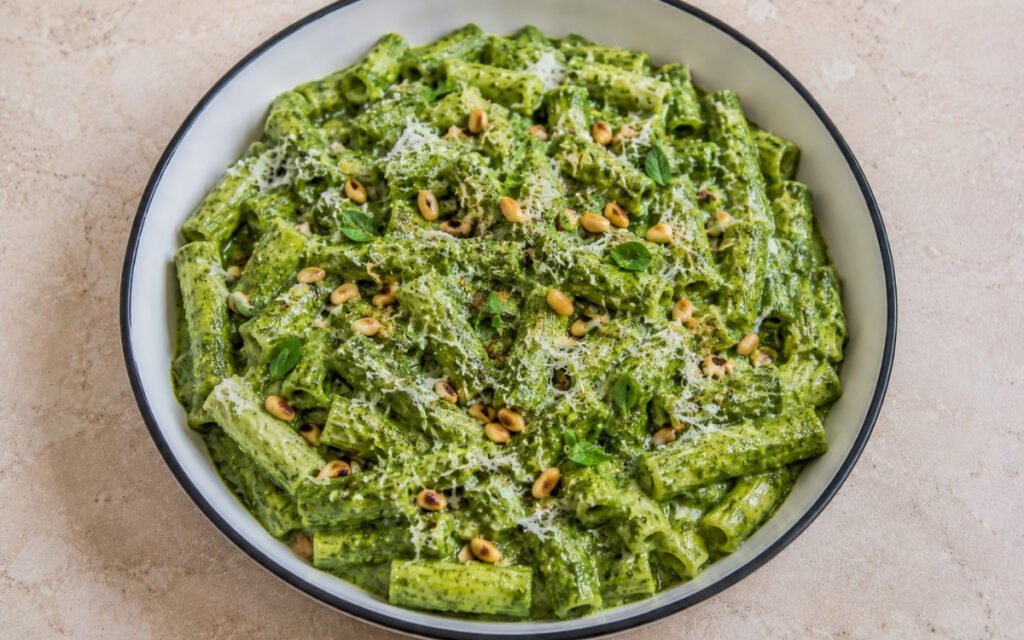
Creamy Spinach & Herb Green Sauce Pasta
Four herbs blended raw with cream cheese and Parmigiano — vivid green, rich, and ready in 35 minutes.

-
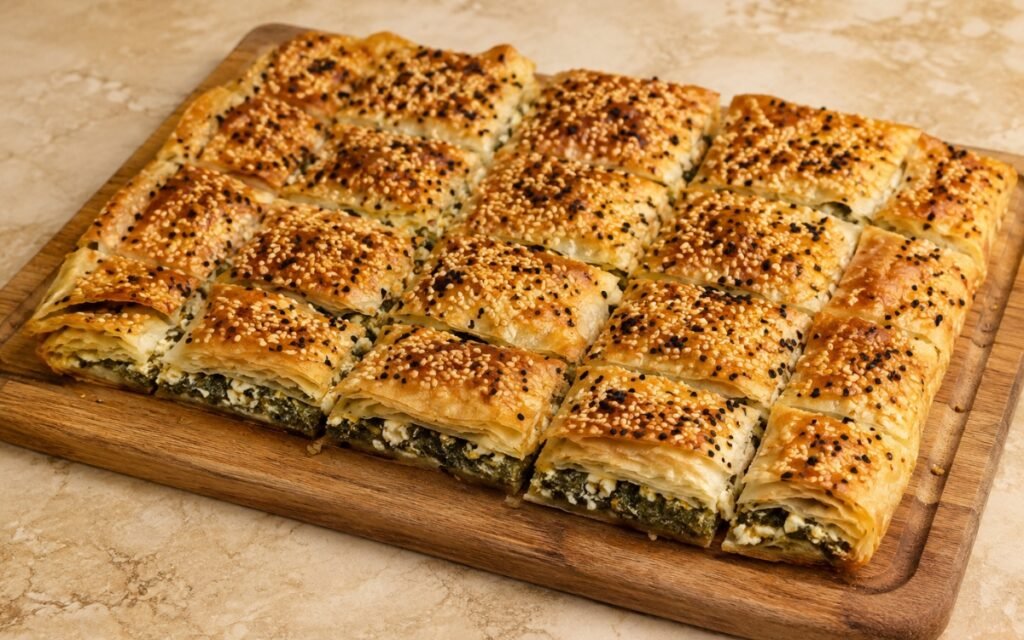
Turkish Börek — Spinach and Feta Borek
Pressed spinach and feta layered between phyllo sheets with a light milk-yogurt coating — pre-cut before baking, sesame and nigella seeds over egg wash, baked deeply golden. Crisp outside, soft custardy inside.
-
Creamy Tuscan Salmon
Deeply seared salmon finished gently in a rich garlic Parmesan cream sauce with sun-dried tomatoes, spinach, parsley, and basil.
-
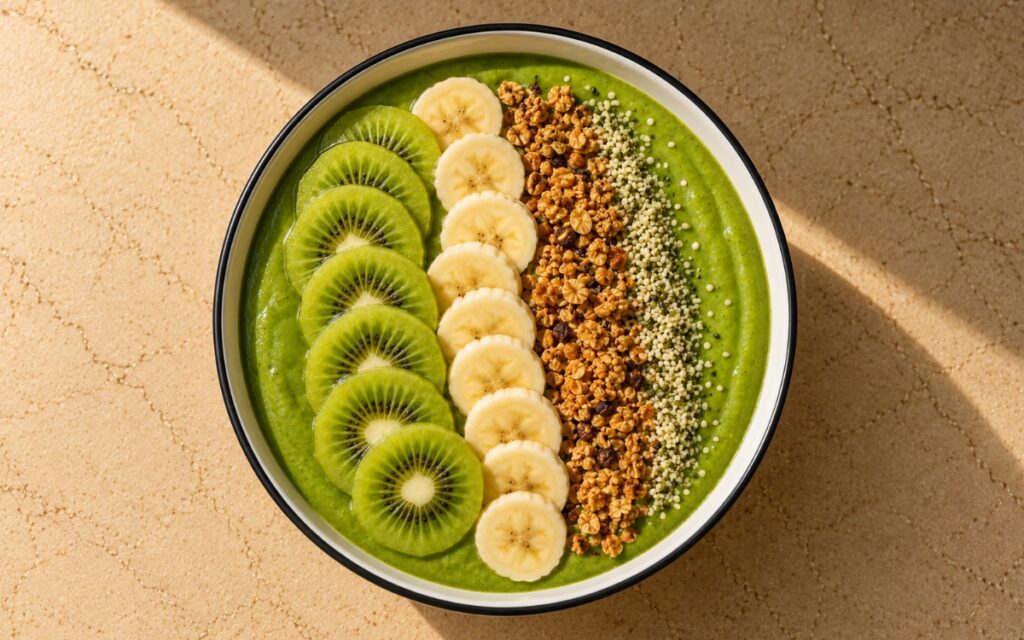
Green Smoothie Bowl with Kiwi
A thick, spoonable green smoothie bowl with banana, avocado, spinach, and kiwi, finished with fresh fruit, granola, and hemp seeds.