Greek Lentil Fritters (Fakokeftedes)
Greek lentil fritters, or fakokeftedes, are small, rustic patties of tender brown or green lentils, sautéed onions, garlic, fresh parsley, and mint, seasoned with oregano and cumin, bound with eggs and fine breadcrumbs and shallow-fried in olive oil until deeply golden and crisp, with a coarse, moist, lentil-rich centre, served with a cool lemon-dill yogurt sauce and fresh lemon, the key being the contrast between a crackling crust and an earthy, herby middle. Mashing only half of the lentils and leaving the rest whole, rather than puréeing them, is the technique this whole fritter depends on for its texture — a smooth mash turns pasty and dense, the same keep-some-texture principle used elsewhere in this collection whenever a cooked pulse must bind itself without losing its character. Steam-drying the cooked lentils is what keeps the mixture from turning wet and greasy. Chilling the mixture before shaping is what lets the patties hold together in the oil. The payoff is a fritter with real, earthy depth — crisp golden edges, whole lentils in every bite, and bright mint and parsley.

- Prep Time : 30 min
- Total Time : 2 hr
- Servings : 4
Ingredients
For the Lentil Base
- 350g dried brown or green lentils, preferably varieties that keep their shape when cooked
- 1.5 litres water, for cooking the lentils, plus more if needed
- 1 bay leaf
- 1 medium yellow onion (about 180g), finely diced
- 3 spring onions (about 75g), finely sliced
- 3 garlic cloves, finely minced
- 25ml extra virgin olive oil, for sautéing
For the Fresh Herbs and Seasoning
- 30g fresh flat-leaf parsley, finely chopped
- 15g fresh mint leaves, finely chopped
- 1 tsp dried Greek oregano
- ½ tsp ground cumin
- ½ tsp freshly ground black pepper
- 7g fine sea salt (about 1 tsp), or to taste
- 10ml red wine vinegar
For the Fritter Binder
- 2 large eggs
- 100g fine plain breadcrumbs, preferably made from day-old bread
- 30g all-purpose flour, for a very light exterior dusting
For Shallow-Frying
- 120–160ml olive oil, used in batches as needed
For Serving
- 240g prepared homemade lemon-dill Greek yogurt sauce, about 60g per serving
- 1 large lemon, cut into 4 wedges
- 5g fresh flat-leaf parsley, roughly chopped, for garnish
- A few small fresh mint leaves, optional
Directions
- Cook the Lentils Until Tender but Intact
Pick over the lentils in a fine-mesh sieve, removing any stones or damaged lentils, and rinse them thoroughly under cold running water. Put them in a medium saucepan with 1.5 litres of water and the bay leaf, bring to a gentle boil, then lower the heat to a steady, gentle simmer. Cook uncovered or partly covered for 25–35 minutes, stirring occasionally and topping up with hot water if needed, checking from 20 minutes. Drain at once in a sieve when they are fully tender but mostly intact. That timing is what stops them collapsing into a purée. - Drain, Steam-Dry, and Cool the Lentils
Leave the cooked lentils in the sieve for 3–5 minutes, shaking gently to release trapped water, then spread them in a thin layer across a large baking tray or wide plate. Let the residual steam escape for about 10 minutes, turning them once or twice so they cool evenly, and check that no cooking liquid remains underneath. Tip them into a large bowl. The lentils should feel moist inside but fairly dry on the surface, separating easily. That steam-drying is what keeps the fritters lentil-dominant instead of bread-heavy. - Sauté the Onion, Spring Onions, and Garlic
Heat the 25ml olive oil in a skillet over medium heat and cook the diced yellow onion for 5–6 minutes, stirring occasionally, until softened and translucent. Add the sliced spring onions for 2 minutes until tender, then the garlic for 30–45 seconds, stirring continuously. Let any excess moisture evaporate, then take the pan off the heat and move the mixture to a plate to cool slightly. The onions should be soft, lightly golden, and sweet, never deeply caramelised. That gentle cooking is what adds sweetness without weakening the structure. - Partially Mash the Lentils
Divide the cooled lentils into two roughly equal portions and leave one half whole in the mixing bowl. Crush the other half in a separate bowl with a fork or potato masher into a coarse, thick mixture, breaking down most of it but leaving a few partly crushed lentils visible. Return the mashed lentils to the whole ones and fold gently until combined. The mixture should be about half mashed and half recognisable lentils. That mashed portion is what acts as a natural binder. - Combine the Lentils, Herbs, and Seasonings
Add the cooled onion mixture, parsley, mint, oregano, cumin, pepper, salt, and the red wine vinegar to the lentils, mixing gently with a wooden spoon until evenly distributed. Whisk the eggs lightly in a separate bowl, stir them into the mixture, then fold in the breadcrumbs in two or three additions until the mixture is thick, moist, and cohesive. Let it stand for about 5 minutes so the breadcrumbs begin to absorb any residual moisture. That balance of lentils, egg, and crumbs is what defines the texture. - Chill and Shape the Fritters
Cover the bowl and refrigerate for about 15 minutes, then check the consistency. Divide the mixture into 24 portions of roughly 50–55g, moisten or oil your hands, and press each into a compact ball before flattening it into a small, rounded or slightly oval patty about 6–7cm wide and 1.5cm thick. Smooth any large cracks, leave the edges naturally irregular, and set the patties on a parchment-lined tray. Immediately before frying, dust each very lightly on both sides with the 30g flour. That chilling is what firms the mixture so it holds in the pan. - Heat the Olive Oil
Set a wide, heavy-bottomed frying pan over medium heat and add enough olive oil for a shallow layer about 3–5mm deep. Heat it to about 170–175°C, testing with a very small piece of the lentil mixture, which should sizzle steadily as soon as it touches the oil without darkening within a few seconds. Place a wire rack over a baking tray for draining the cooked fritters. That controlled temperature is what gives a deeply golden crust without drying out the lentil interior. - Pan-Fry the First Side
Place 5–6 patties in the hot oil, leaving space between them to prevent overcrowding, and cook undisturbed for 3–4 minutes. Watch the edges as a firm golden crust forms, then check one with a thin spatula. Continue until the first side is crisp, mottled golden brown with darker toasted lentil pieces and herb flecks, and firm enough to turn without breaking. That undisturbed contact with the hot oil is what forms a crust strong enough to turn. - Flip and Finish Frying
Slide a thin spatula under each fritter and turn it in one controlled movement, then fry the second side for 3–4 minutes until both sides are deeply golden and crisp. The patties should feel firm enough to lift without breaking while keeping a little softness in the centre, reaching about 74°C if you use a thermometer. Move them to the wire rack, adding a little more oil between batches and letting it come back to temperature before the next. That recovery time is what keeps every batch crisp. - Check the Interior and Rest Briefly
Let the cooked fritters rest on the rack for 2–3 minutes, then break one open to check the centre. It should be coarse and moist, with recognisable brown or green lentils, parsley, mint, and soft onion pieces, held together by the mashed lentils, with no raw flour or uncooked egg. The texture should be slightly crumbly when broken but cohesive, like a rustic patty and never a smooth purée. That short rest is what lets the interior settle. - Plate and Serve
Divide the 24 fritters into 4 servings of 6 and arrange each portion on a ceramic plate in a loose, slightly overlapping composition, keeping the handmade shapes visible. Break one fritter open to show the coarse lentil-and-herb interior, then add a lemon wedge to each plate and a spoonful of about 60g of the lemon-dill yogurt sauce. Scatter a little parsley and a few mint leaves around the fritters and serve immediately. That cool sauce is what contrasts with the crisp, warm fritters.
*Notes :
- Mashing only half of the lentils deserves genuine recognition as the technique most directly responsible for fritters that bind without losing their rustic texture. The crushed portion works as a natural glue, while the whole lentils keep visible, chewy structure, whereas mashing everything gives a dense, pasty patty that tastes more like a bean purée than a lentil fritter.
- Steam-drying the lentils before mixing deserves the same attention this technique receives throughout this collection’s other pulse-based patties. Excess water is a primary cause of fragile, greasy fritters, because it forces extra breadcrumbs into the mixture and then turns to steam in the hot oil, so a short, thin spread on a tray gives a drier, firmer base.
- Cooking the lentils until tender but still intact deserves genuine respect as the detail most directly responsible for a coarse, moist interior with recognisable lentils. Overcooked lentils collapse into a dense mixture with little texture, whereas lentils taken off the heat while most still keep their shape mash into a good binder and still leave whole ones.
- Keeping the cumin restrained deserves attention as a genuine, checkable seasoning cue rather than a loose approximation. Half a teaspoon supports the earthy lentils without competing with the parsley and mint, whereas a heavy hand pushes the flavour towards spiced falafel and hides the fresh Greek herbs that are meant to define these fritters.
Why This Recipe Works
This recipe works because each element is prepared to keep the fritter texture rather than lose it. Cooking the lentils until just tender and then steam-drying them removes the water that would make the mixture loose. Mashing half gives a natural binder while the other half stays whole, and sautéed onions add sweetness without raw bite. Eggs and a modest amount of fine crumbs hold everything together, and a short chill firms the patties so shallow-frying gives crisp golden edges around a moist, herb-flecked centre.
Ingredient Breakdown
Brown or Green Lentils (350g)
The structural foundation — varieties that keep their shape give an earthy, coarse texture, never the soft purée of red split lentils.
Half-Mashed Lentils
The critical technique — crushing half provides a natural binder while whole lentils keep the rustic, visible texture.
Parsley and Mint
The defining flavour ingredient — together they give the lentils a fresh, cooling herbal lift that suits Greek cooking.
Red Wine Vinegar (10ml)
The critical safeguard — a small splash adds mild acidity to balance the earthy lentils without adding extra liquid.
Eggs and Fine Breadcrumbs
The structural choice — two eggs and 100g of crumbs absorb residual moisture and bind 24 patties without making them dense.
Lemon-Dill Yogurt Sauce and Lemon
The finishing touch — cool, tangy sauce and fresh lemon balance the rich, fried crust and earthy lentils.
Flavor Structure Explained
This Greek lentil fritter follows a layered balance model:
- Earthy, hearty foundation (brown or green lentils)
- Sweet, mild body (sautéed onion, spring onions, and garlic)
- Fresh herbal lift (parsley, mint, and Greek oregano)
- Warm, subtle spice (ground cumin and black pepper)
- Cool, tangy finish (lemon-dill yogurt sauce and fresh lemon)
Brown or green lentils provide the earthy, hearty foundation of each patty, while sautéed onion, spring onions, and garlic add a sweet, mild body. Parsley, mint, and oregano bring a fresh herbal lift, and a little cumin and pepper give a subtle warmth that supports the lentils. Cool lemon-dill yogurt sauce and fresh lemon add a tangy finish that ties these Greek lentil fritters together.
Common Mistakes to Avoid
- Mashing All the Lentils – This produces a dense, pasty mixture with no texture. Always crush only half and leave the other half whole.
- Overcooking the Lentils – This makes them collapse into a purée that cannot hold shape. Always begin checking at 20 minutes and drain as soon as they are tender but intact.
- Skipping the Steam-Dry – This leaves a wet mixture that makes fragile, greasy fritters. Always spread the drained lentils thinly for about 10 minutes.
- Frying Straight After Mixing – This leaves the patties soft so they crack and break in the oil. Always chill the mixture for about 15 minutes before shaping.
- Overcrowding the Pan – This drops the oil temperature and makes the fritters greasy. Always fry 5–6 patties at a time and let the oil recover.
Variations
Dill Version
Add a little finely chopped fresh dill alongside the parsley and mint, which is a traditional Greek option that gives a more aromatic, slightly anise-like fritter while the lentil base stays the same.
Egg-Free Version
Leave out the eggs and increase the mashed portion of lentils and the breadcrumbs slightly to compensate, which gives a more delicate patty that needs extra chilling before it can be fried.
Baked Version
Brush the shaped patties with olive oil and bake them on a lined tray at 200°C for about 25 minutes, turning once, which gives a lighter, less crisp fritter with the same filling.
Feta Version
Fold in 100g of finely crumbled Greek feta before shaping and reduce the salt, which gives a tangier, richer fritter that is less purely lentil-led than the base version.
Storage & Make-Ahead
The cooked lentils and sautéed aromatics can be prepared up to one day ahead and refrigerated separately, so the mixture is combined and shaped closer to cooking time for the best fritter texture.
Refrigerate the cooked fritters promptly in an airtight container for up to 3 days, because the lentil and egg mixture should not sit at room temperature for long once the patties have cooled.
Reheat the fritters at about 180°C for 8–12 minutes, until fully hot and the exterior crisps again, or use an air fryer, and avoid the microwave, which softens the crust.
Freeze fully cooked, cooled fritters in a single layer before moving them to airtight containers, then reheat directly from frozen in the oven until they are hot throughout.
Serve the fritters warm and crisp, with the yogurt sauce kept cold in the refrigerator until the last moment, so the hot, coarse patties contrast with a thick, cooling sauce.
Frequently Asked Questions
Why are only half of the lentils mashed for the fritters?
The mashed half acts as a natural binder while the whole lentils keep a rustic, chewy texture, whereas mashing all of them gives a dense, pasty fritter that tastes more like a bean purée.
Why must the cooked lentils be steam-dried before mixing?
Surface water makes the mixture wet, which needs extra breadcrumbs and then steams in the hot oil, so drying the lentils gives firmer patties that fry crisp and stay lentil-dominant.
Why does the mixture chill for 15 minutes before shaping?
Chilling firms the mixture and lets the crumbs absorb residual moisture, so the patties are easier to shape and hold together in the pan without cracking or falling apart.
Why are the fritters fried at about 170–175°C?
At that temperature the thin flour coating turns deeply golden while the egg binder cooks through, whereas cooler oil makes the patties greasy and hotter oil burns the herbs before the centre is hot.
Are there other classic fritter, dip, or lentil dishes worth trying?
Crispy Zucchini Fritters and Traditional Portuguese Pastéis de Bacalhau both offer other classic fritter directions worth exploring. Authentic Tzatziki and Chipotle and Lime Hummus are also worth trying as dips, and Red Lentil Dal Tadka is another lentil dish.
Nutrition Facts
( Per Serving — 6 fritters )
- Calories
- ~720 kcal
- Protein
- 33 g
- Fat
- 28 g
- Carbs
- 87 g
-

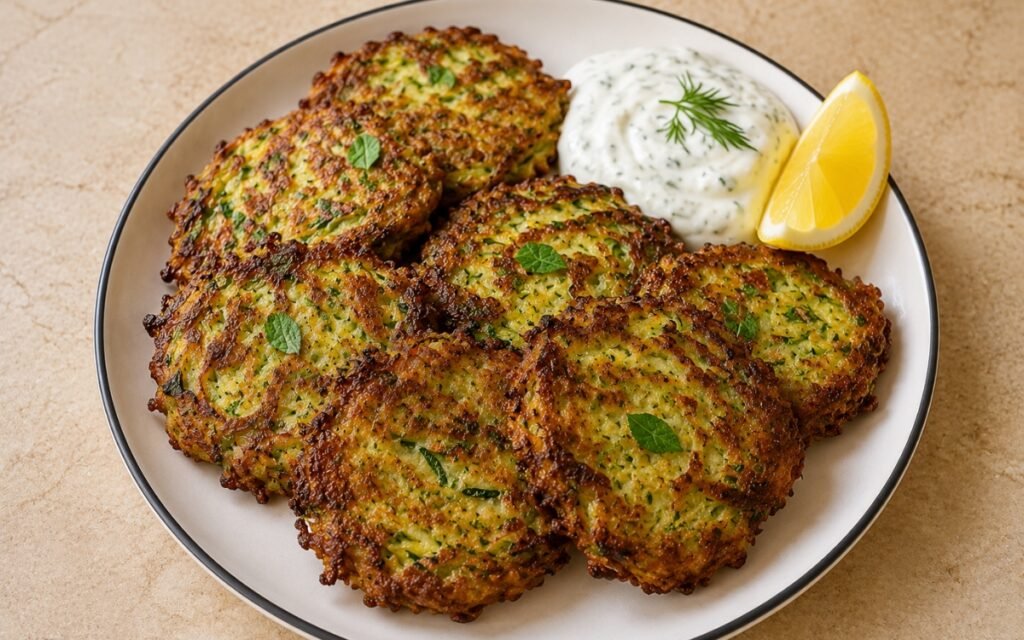
Crispy Zucchini Fritters
Zucchini salted and firmly squeezed dry, mixed into a thick herb-Parmesan batter, fried without crowding until golden. Crisp and herbaceous.
-
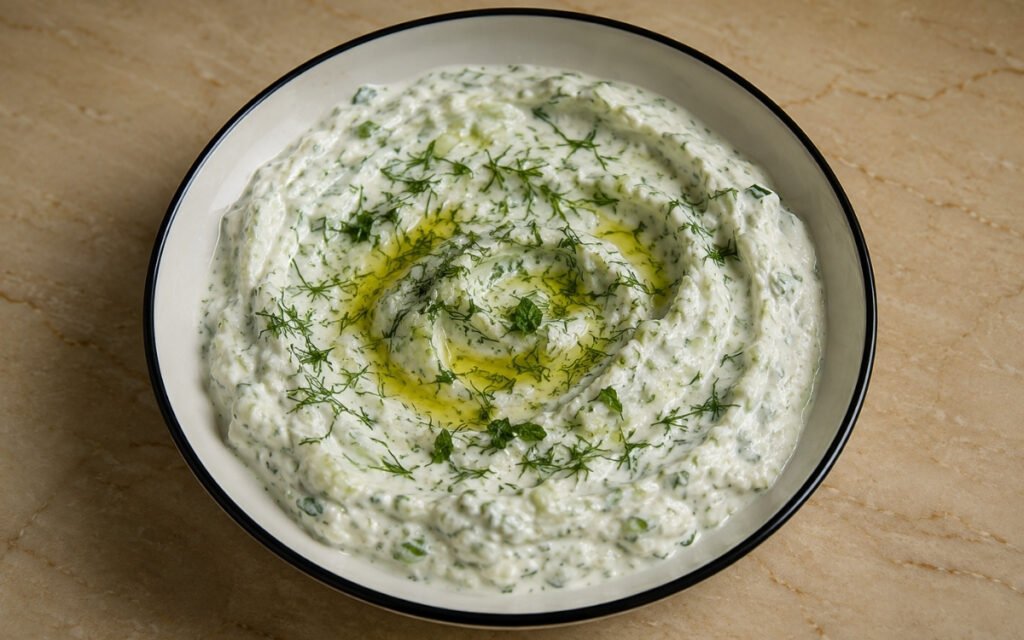
Authentic Tzatziki
Thick, creamy Greek tzatziki with squeezed cucumber, fresh dill, mint, and lemon — the real thing in 30 minutes.
-
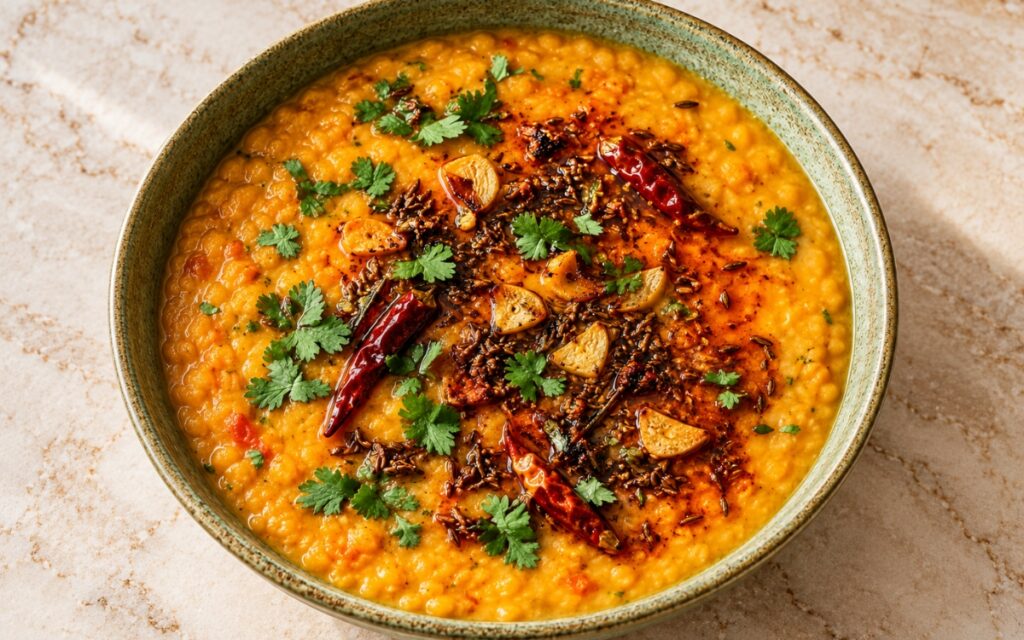
Red Lentil Dal Tadka
Classical red lentil dal simmered until creamy, finished with a sizzling hot ghee tadka of cumin, garlic, and dried red chilies.
-
American Corn Dogs
Smoked frankfurters dusted in flour, dipped in thick cornmeal batter, and deep-fried until deeply golden, crisp, and slightly bumpy.
-
Brazilian Coxinha
Creamy shredded chicken filling wrapped in cooked-starch dough, shaped into classic teardrops, and fried until deeply golden and crisp.
-
Carne Asada Fries
Double-fried thick-cut fries layered with charred citrus-marinated carne asada, melted mozzarella and cotija, guacamole, and pico de gallo.