
Coconut Lime Muffins
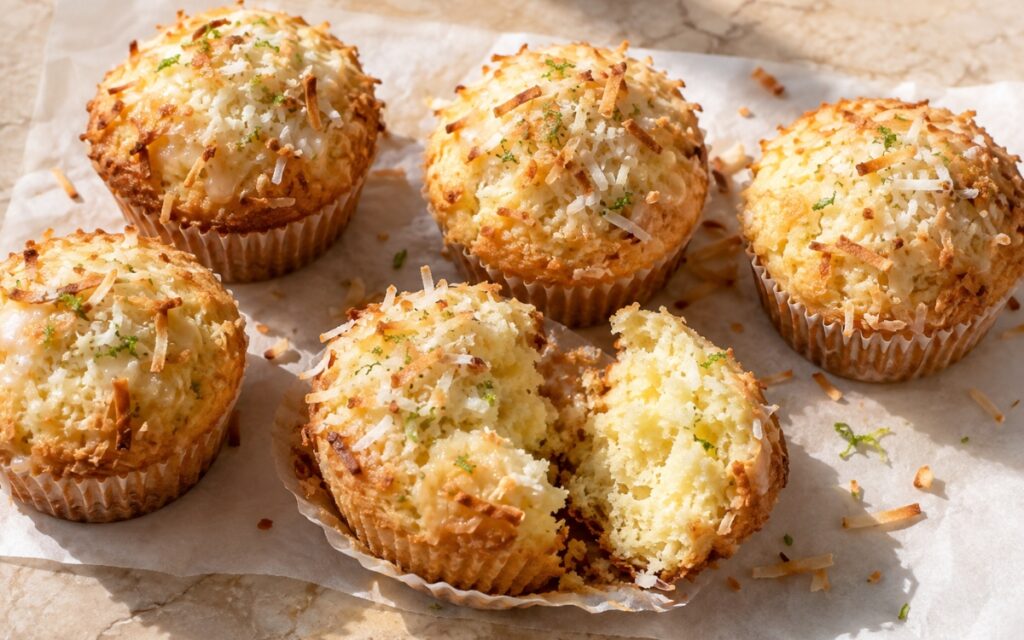
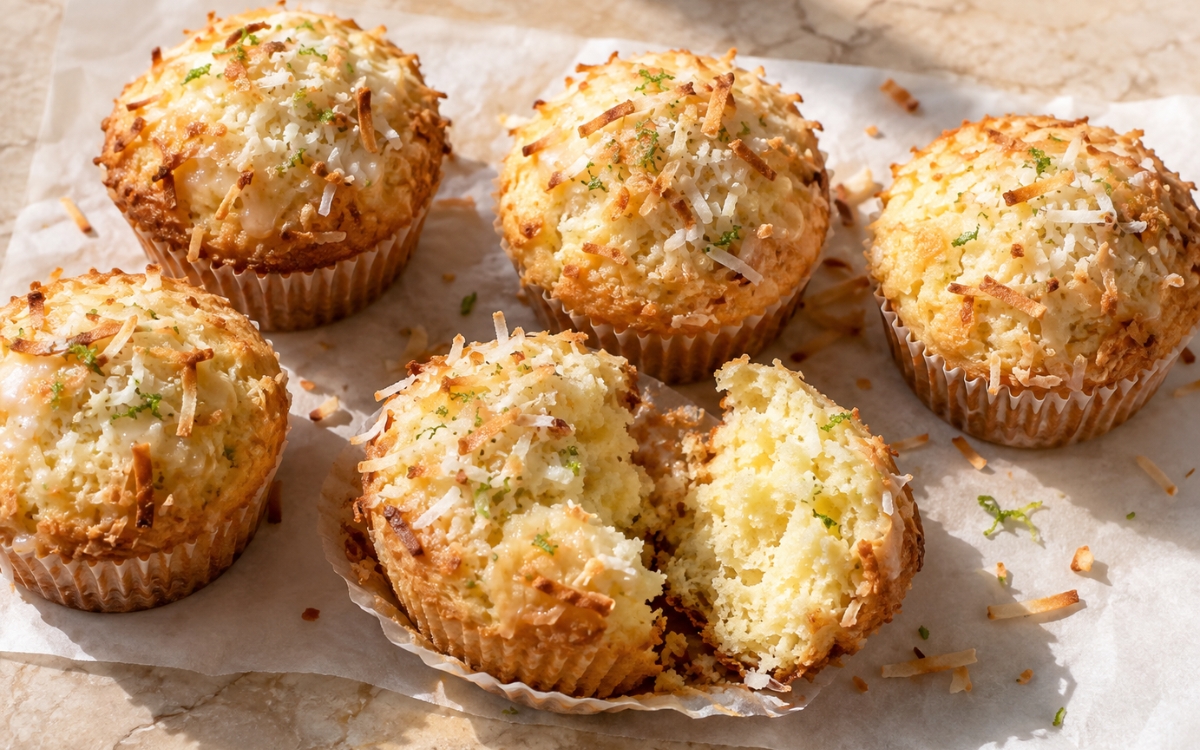
Bakery-style coconut lime muffins with tall, lightly golden domed tops, a soft pale crumb, bright fresh lime flavor, and fine shredded coconut throughout. An optional thin lime glaze keeps the finish light, so the coconut and citrus stay forward instead of getting buried under sweetness.
Prep Time : 20 min
Total Time : 42 min
Servings : 12
20 min
42 min
12
Ingredients
Dry Ingredients
• 280 g all-purpose flour
• 150 g granulated sugar
• 2 tsp baking powder
• ½ tsp baking soda
• ½ tsp fine salt
• Zest of 2 limes
Muffin Batter
• 115 g unsalted butter, melted and cooled slightly
• 2 large eggs, room temperature
• 180 g sour cream or full-fat Greek yogurt, room temperature
• 120 ml whole milk or canned light coconut milk, room temperature
• 2 tbsp fresh lime juice
• 1½ tsp vanilla extract
• ½ tsp coconut extract, optional
• 90 g sweetened shredded coconut or 75 g unsweetened shredded coconut
Optional Light Lime Glaze
• 90 g powdered sugar
• 1 to 1½ tbsp fresh lime juice
• 1 to 2 tsp milk or coconut milk, as needed
Optional Top Finish
• 15–20 g shredded coconut, lightly toasted
Directions
- Prep the Pan and Oven
Heat the oven to 220°C / 425°F. Line a 12-cup muffin pan with paper liners or tulip liners. If using standard liners, lightly grease the exposed top of the pan so any overflow releases cleanly instead of gluing the muffins to the metal. - Combine the Dry Ingredients
Whisk together the flour, sugar, baking powder, baking soda, salt, and lime zest. Rub the zest into the sugar with your fingertips before whisking everything together — this releases the citrus oils and spreads the flavor through the whole batch rather than leaving it concentrated in a few streaks. Distribute the zest evenly so no single muffin ends up carrying most of the lime flavor while others taste flat. - Mix the Wet Ingredients
Whisk together the melted butter, eggs, sour cream or yogurt, milk or coconut milk, lime juice, vanilla, and coconut extract if using, until smooth. Keep the cold ingredients close to room temperature before combining them; dairy straight from the fridge can cause the melted butter to firm back up into small flecks, which leaves the batter lumpy instead of smooth. - Make the Batter
Pour the wet mixture into the dry ingredients and fold gently just until most of the flour is incorporated. Add the shredded coconut and fold until it’s evenly distributed and no dry flour remains. The batter should be thick but still scoopable. Stop folding as soon as it comes together — extra strokes tighten the crumb and flatten the dome. - Fill the Pan
Divide the batter evenly among the 12 muffin cups, filling each about ¾ full to nearly full for a good rise. A light coconut sprinkle on top is optional; keep it sparse so it toasts instead of scorching. - Bake
Bake at 220°C / 425°F for 5 minutes, then, without opening the oven, lower the temperature to 190°C / 375°F and continue for 13–17 minutes. The tops should be domed and lightly golden, the centers should spring back when touched, and a tester should come out clean or with a few moist crumbs. Internal temperature runs around 95–98°C / 203–208°F. Pull the muffins as soon as the centers are just set — they’re meant to stay pale and soft inside, so a few extra minutes will dry them out fast. - Cool
Cool in the pan for 5–8 minutes, then move to a wire rack. If you’re glazing, wait until the muffins are warm or fully cool — glaze poured over a hot muffin just slides off instead of setting. - Optional Glaze
Whisk the powdered sugar with the lime juice and enough milk or coconut milk to make a thin, pourable drizzle. Drizzle lightly over the tops and finish with a small pinch of toasted coconut if you like. Keep the glaze thin and sparing — it’s an accent, not a coating, and too much will slide down the sides and pool at the base.
*Notes :
- Sweetened shredded coconut gives the closest match to a bakery texture, with a moister crumb and more visible sweetness in each bite; unsweetened coconut works fine but leaves the muffins a touch drier and less sweet, so the glaze becomes more useful rather than optional. For a more pronounced coconut flavor, swap in canned light coconut milk for the dairy liquid and add the coconut extract rather than skipping it.
- Lime intensity comes mostly from the zest, not the juice. Pushing to the zest of 3 limes is a reasonable way to raise the citrus flavor, but adding much more juice on top of that loosens the batter enough to flatten the rise, so the zest is the lever to pull, not the liquid.
- The two-stage oven temperature builds the tall dome: the initial blast of high heat sets the outer edges of the batter fast, so the center is still forced upward as it continues to rise, rather than spreading outward the way a single lower temperature would let it.
- Watch the batter’s consistency rather than following the measurements blindly. If it seems unusually stiff, a tablespoon or two of milk loosens it back to scoopable; if it turns loose or runny, folding in an extra tablespoon of flour brings it back. Either adjustment is normal and won’t affect the final texture.
Why This Recipe Works
Rubbing the zest into the sugar before it ever touches the wet ingredients determines how strong the lime flavor reads in the finished muffin. Citrus zest holds its aromatic oils in the colored part of the peel, and those oils transfer into dry sugar far more efficiently than they would if the zest were simply whisked in alongside liquid ingredients — the abrasive contact with sugar crystals ruptures more of the oil glands than a quick stir does.
The high-to-low oven temperature shapes the muffin’s structure in two stages. The first five minutes at 220°C sets a thin crust around the outside and pushes a strong initial burst of steam upward through the center, forcing the dome rather than a flatter rise. Dropping to 190°C for the remainder lets the inside finish cooking at a gentler pace, so the crumb sets through evenly instead of drying out at the edges while the middle catches up.
Shredded coconut folded directly into a thick batter stays suspended rather than sinking, because the batter’s body — built from the combination of melted butter, sour cream, and well-hydrated flour — holds the lightweight shreds in place as they bake. A thinner, more pourable batter would let the coconut settle toward the bottom of each cup instead of showing up throughout the crumb.
Ingredient Breakdown
Lime zest
Carries most of the citrus flavor in the finished muffin; rubbing it into the sugar first spreads the aromatic oils through the whole batch instead of leaving pockets of concentrated flavor.
Sour cream or full-fat Greek yogurt
Adds fat and a light tang that keeps the crumb moist and tender, while its acidity helps the baking soda activate properly.
Melted butter, cooled slightly
Supplies flavor and richness without the aeration a creamed-butter method would add, keeping this a quick, fold-together batter.
Shredded coconut
Builds texture and flavor throughout the crumb rather than just on the surface; sweetened coconut adds moisture and sweetness, unsweetened leaves the muffin slightly drier and less sweet.
Baking powder and baking soda together
Baking powder supplies most of the lift, while the baking soda reacts with the acidity from the sour cream and lime juice to fine-tune the crumb and support browning.
Fresh lime juice
Adds a sharper, more immediate tartness than zest alone, balancing the sweetness of the sugar and coconut without carrying much aromatic flavor on its own.
Flavor Structure Explained
This muffin follows a layered balance model:
- Soft, neutral crumb foundation (sour cream and butter batter)
- Bright citrus lift (lime zest and juice)
- Rounded tropical richness (shredded coconut)
- Tall, domed structure (two-stage oven temperature)
- Light, glossy finish (optional lime glaze)
The sour cream and butter batter provides this muffin’s soft, neutral crumb foundation, keeping the texture tender beneath everything layered on top. Lime zest and juice contribute the bright citrus lift that carries through every bite. Shredded coconut folded through the batter adds a rounded, tropical richness that balances the citrus rather than competing with it. The two-stage oven temperature builds the tall, domed structure that gives these muffins their bakery-style shape. A final light, glossy finish from the optional lime glaze ties the citrus and coconut together right at the surface.
Common Mistakes to Avoid
- Skipping the zest-into-sugar step – Whisking the zest in without rubbing it into the sugar first leaves a noticeably weaker lime flavor, even using the same amount of zest.
- Overmixing after the coconut goes in – Folding past the point where the coconut is just distributed tightens the crumb and knocks down the dome, since extra gluten development makes the batter more elastic and less able to rise freely.
- Opening the oven during the temperature drop – Breaking the seal while lowering the temperature lets heat escape at the exact moment the dome is forming, which can flatten the rise before the crust has set.
- Glazing hot muffins – Pouring the glaze over muffins straight from the oven melts it into a thin wash that slides off instead of setting into a light coating.
Variations
Toasted Coconut Version
Toast all the shredded coconut before folding it into the batter for a deeper, nuttier coconut flavor and a slightly firmer texture throughout the crumb.
Coconut Milk Version
Replace the dairy milk entirely with canned full-fat coconut milk for a richer coconut flavor and a slightly denser, more tender crumb.
Mini Muffin Version
Divide the batter among a 24-cup mini muffin pan and reduce the second-stage bake time to roughly 8–10 minutes, watching closely since smaller muffins finish much faster.
Lime Curd Center Version
Spoon a small well of lime curd into the center of each filled cup before baking for a soft, tart pocket hidden inside the finished muffin.
Storage & Make-Ahead
Keep the muffins in an airtight container at room temperature for up to 1 day, which preserves the soft texture best before the crumb starts to firm up slightly.
Refrigerate in an airtight container for up to 3 days if you need longer storage, though the texture turns a touch denser than fresh.
Warm refrigerated muffins briefly before serving — a few seconds in the microwave or a short stint in a low oven softens the crumb back up and brings the coconut aroma back to the surface.
Glaze any unglazed muffins just before serving rather than ahead of time, since the glaze is best applied close to eating for the cleanest finish.
Frequently Asked Questions
Can I make these muffins without the glaze?
Yes. The muffins are fully flavored on their own from the zest, juice, and coconut, and the glaze is only a light finishing touch rather than something the recipe depends on.
Why did my muffins turn out dense instead of domed?
This usually traces back to overmixing once the coconut goes in, or to opening the oven door during the temperature drop, both of which interrupt the rise before the structure has set.
Can I use carton coconut milk drink instead of canned?
Canned coconut milk is thicker and richer; carton coconut milk drink is thinner and will loosen the batter more than intended, so canned is the better substitute whenever the recipe calls for coconut milk.
What’s the best way to add more lime flavor without ruining the texture?
Increase the zest rather than the juice. Zest concentrates flavor without adding liquid, while extra juice loosens the batter and can flatten the rise.
What else pairs well with these coconut lime muffins?
Pistachio Lemon Muffins and Lemon Crumble Muffins share the same citrus-forward bakery style if you want to round out a muffin spread. For drinks, a Coconut Lime Sparkling Mocktail doubles down on the same flavor pairing, a Coconut Iced Latte leans into the coconut side on its own, and a Pineapple Coconut Smoothie makes a good tropical breakfast pairing alongside a muffin.
Nutrition Facts
( Per Serving — 1 muffin, with glaze )
Calories
~245 kcal
Protein
4 g
Fat
11 g
Carbs
33 g
Calories
~245 kcal
Protein
4 g
Fat
11 g
Carbs
33 g
Related Recipes
Related Recipes
-

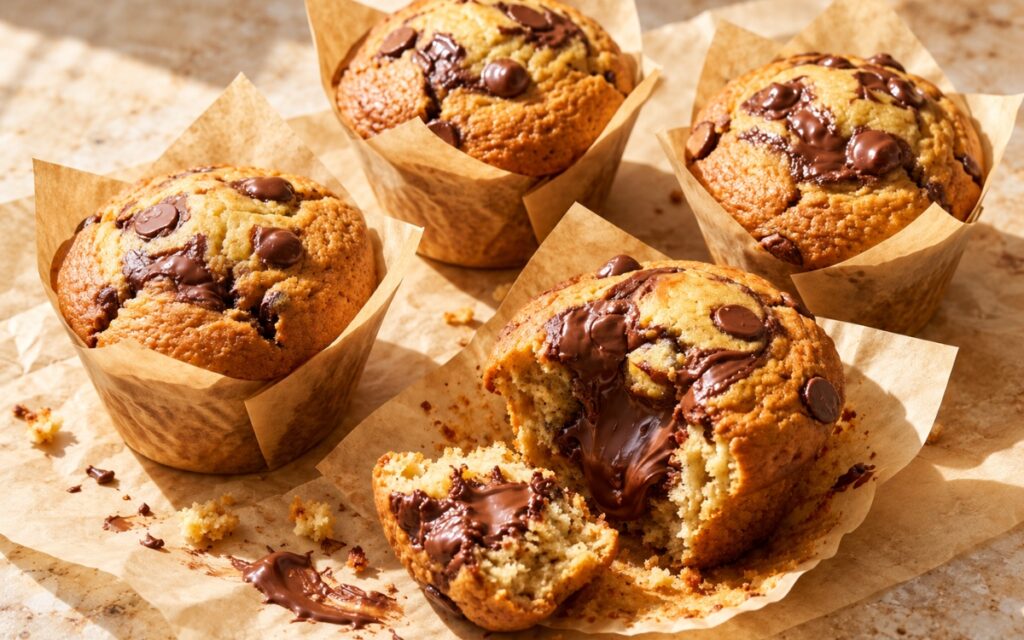
Nutella Chocolate Chip Muffins
Bakery-style muffins with chocolate chips and a soft, gooey Nutella center.
-
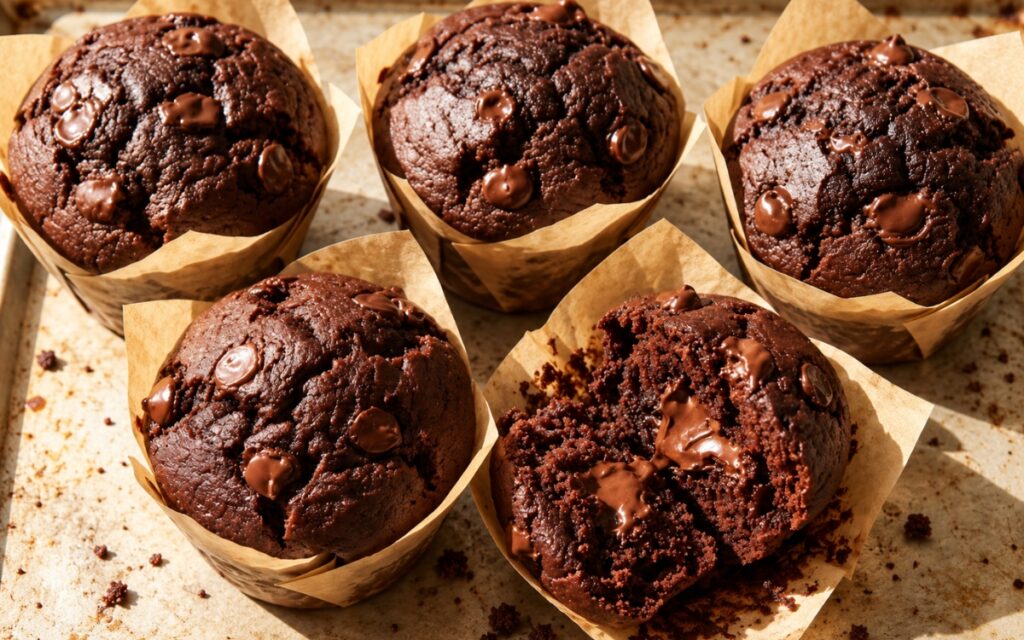
Double Chocolate Muffins
Bakery-style double chocolate muffins with tall domed tops and melted chocolate pockets.
-
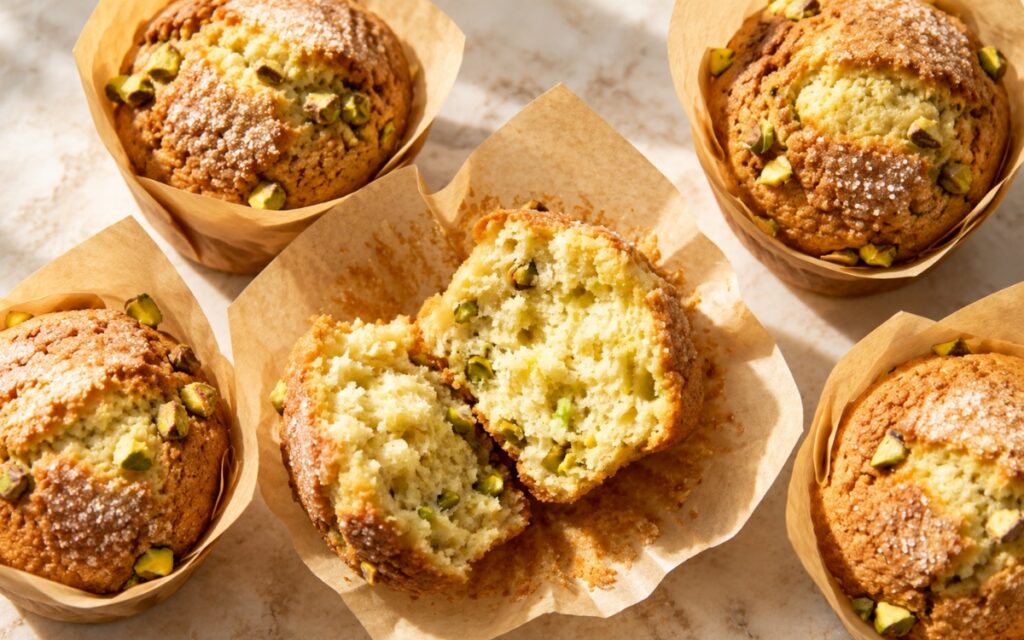
Pistachio Lemon Muffins
Bakery-style lemon muffins with chopped pistachios and a fresh citrus aroma.
You might also like
You might also like
-
Raspberry White Chocolate Muffins
Bakery-style raspberry muffins with creamy melted white chocolate pockets.
-
Double Chocolate Muffins
Bakery-style double chocolate muffins with tall domed tops and melted chocolate pockets.
-
Pistachio Lemon Muffins
Bakery-style lemon muffins with chopped pistachios and a fresh citrus aroma.
Coconut Lime Muffins
Ingredients
Method
- Heat the oven to 220°C / 425°F. Line a 12-cup muffin pan with paper liners or tulip liners. If using standard liners, lightly grease the exposed top of the pan so any overflow releases cleanly instead of gluing the muffins to the metal.
- Whisk together the flour, sugar, baking powder, baking soda, salt, and lime zest. Rub the zest into the sugar with your fingertips before whisking everything together — this releases the citrus oils and spreads the flavor through the whole batch rather than leaving it concentrated in a few streaks. Distribute the zest evenly so no single muffin ends up carrying most of the lime flavor while others taste flat.
- Whisk together the melted butter, eggs, sour cream or yogurt, milk or coconut milk, lime juice, vanilla, and coconut extract if using, until smooth. Keep the cold ingredients close to room temperature before combining them; dairy straight from the fridge can cause the melted butter to firm back up into small flecks, which leaves the batter lumpy instead of smooth.
- Pour the wet mixture into the dry ingredients and fold gently just until most of the flour is incorporated. Add the shredded coconut and fold until it’s evenly distributed and no dry flour remains. The batter should be thick but still scoopable. Stop folding as soon as it comes together — extra strokes tighten the crumb and flatten the dome.
- Divide the batter evenly among the 12 muffin cups, filling each about ¾ full to nearly full for a good rise. A light coconut sprinkle on top is optional; keep it sparse so it toasts instead of scorching.
- Bake at 220°C / 425°F for 5 minutes, then, without opening the oven, lower the temperature to 190°C / 375°F and continue for 13–17 minutes. The tops should be domed and lightly golden, the centers should spring back when touched, and a tester should come out clean or with a few moist crumbs. Internal temperature runs around 95–98°C / 203–208°F. Pull the muffins as soon as the centers are just set — they’re meant to stay pale and soft inside, so a few extra minutes will dry them out fast.
- Cool in the pan for 5–8 minutes, then move to a wire rack. If you’re glazing, wait until the muffins are warm or fully cool — glaze poured over a hot muffin just slides off instead of setting.
- Whisk the powdered sugar with the lime juice and enough milk or coconut milk to make a thin, pourable drizzle. Drizzle lightly over the tops and finish with a small pinch of toasted coconut if you like. Keep the glaze thin and sparing — it’s an accent, not a coating, and too much will slide down the sides and pool at the base.