
White Sangria Mocktail
A bright, citrus-forward white sangria mocktail built with gently macerated citrus, honey, fresh orange juice, and white verjus for real wine-like structure. Light, aromatic, and refreshingly dry — festive without the sugar overload.
Prep Time : 5 min
Cook Time : 0 min
Servings : 4
5 min
0 min
4
Ingredients
For the Coconut-Lime Base
• 400ml chilled coconut water — unsweetened, natural, high-quality — this one on Amazon
• 60g honey — this one on Amazon
• 45ml fresh lime juice — approximately 2 limes
• Zest of 1 lime
• 8 fresh mint leaves — lightly clapped before adding
For the Garnish
• 4 thin lime slices
• 4 small fresh mint sprigs
This post may contain affiliate links. As an Amazon Associate I earn from qualifying purchases, at no additional cost to you.
Directions
- Dissolve the Honey in Lime Juice and Begin the Cold Infusion
Combine the 60g of honey, 45ml of fresh lime juice, and the zest of 1 lime in a bowl or large pitcher. Stir vigorously until the honey begins dissolving into the lime juice — the acid’s specific chemistry facilitating honey dissolution at room temperature without any heating. Continue stirring for 60–90 seconds until the mixture appears uniformly syrupy with no visible honey deposits remaining at the bowl’s surface. Lightly clap the 8 mint leaves between your palms and add immediately. Cover the bowl and refrigerate for 15–20 minutes. During the infusion the lime zest’s aromatic oils — primarily limonene and other terpene compounds — release into the honey-citrus medium. The honey’s sugar matrix specifically absorbs these fat-soluble aromatic compounds more effectively than plain water, producing an integrated aromatic depth in the honey component that makes the finished base more complex than plain lime juice and honey. The mint contributes its clean, cool, surface aromatic character at cold temperature — the same 15–20 minute cold infusion applied throughout this collection, kept below 20 minutes to prevent the mint’s character from becoming prominent against the coconut water’s delicate profile. - Add the Coconut Water After the Infusion
After the 15–20 minute cold infusion, pour the 400ml of chilled coconut water directly into the bowl with the lime-honey-zest-mint mixture. Stir gently until fully combined. The coconut water is added after the infusion rather than from the beginning specifically to protect its character: coconut water’s mild, slightly mineral, naturally sweet tropical flavour is among the most delicate in this collection. Had the honey been dissolved directly into the coconut water with the lime and left for 15–20 minutes, the honey’s concentration would have progressively drawn moisture from the coconut water’s more dilute medium in a way that slightly altered the coconut’s specific lightness. Added after the honey has dissolved and the infusion is established, the coconut water simply combines cleanly with the prepared honey-lime base without any osmotic stress. - Strain and Serve
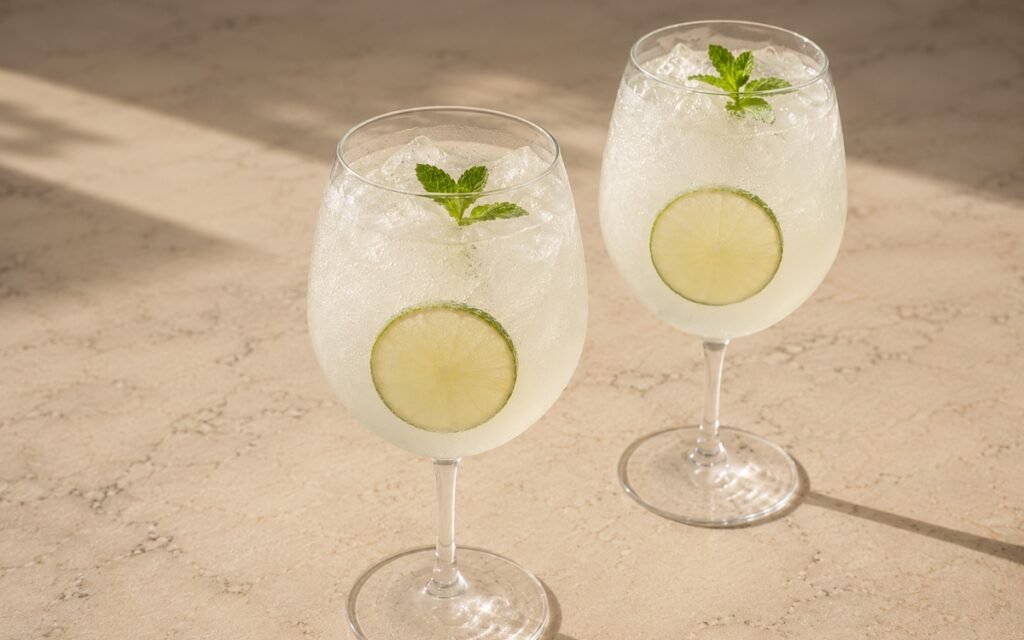
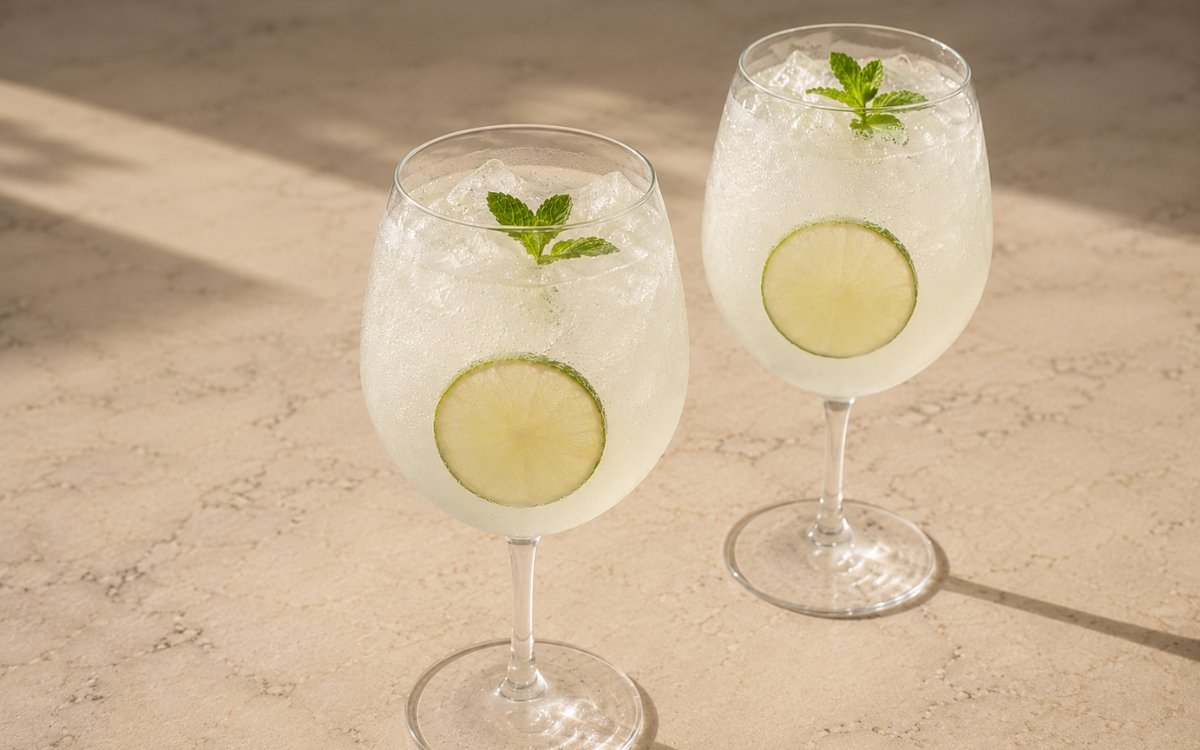
Strain the combined mixture through a fine-mesh sieve into a clean pitcher — removing the lime zest pieces and mint leaves for the specifically clean, smooth finish of the finished drink. The base should be almost clear to very pale golden-green, specifically fragrant — lime’s sharp brightness, mint’s cool thread, honey’s warm floral note, and coconut water’s mild tropical sweetness all present as a unified aromatic. Fill four wine glasses generously with ice. Wine glasses are the specifically appropriate vessel for this preparation — the wide bowl allowing the pale colour’s visual elegance and the slight floral aroma to be experienced as the glass is lifted. Divide the chilled coconut-lime base evenly — approximately 100ml per glass. Top each glass with approximately 125ml of chilled club soda, poured gently down the inner side. Stir once or twice gently. Slip a thin lime slice beneath the ice in each glass. Rest a mint sprig on the ice with the leaves above the rim. Serve immediately.
*Notes :
- The distinction between coconut water and coconut milk is as important here as in the pineapple coconut sparkling mocktail — coconut water is the clear, light, mildly sweet liquid from inside a young green coconut, containing approximately 45 calories per 240ml with virtually no fat. Coconut milk, by contrast, is produced from mature coconut flesh and is thick, cream-like, and fat-rich. This recipe requires coconut water for the light, clean, sparkling combination that coconut milk cannot produce.
- The honey quantity at 60g is calibrated for a moderately acidic lime at peak season. Early-season or cold-climate limes can be significantly more tart — if the finished base tastes specifically sharp before the club soda is added, an additional 10g of honey dissolved in the mixture corrects the balance. The base should taste specifically balanced — bright from the lime, gently sweet from the honey, and mildly tropical from the coconut water — rather than sharply acidic.
Why This Mocktail Works
This recipe works because the honey is dissolved into the lime juice first — the acid facilitating cold dissolution — before the delicate coconut water is added, protecting the coconut’s mild character from any osmotic stress during the honey-dissolution process.
The lime zest’s aromatic oils infuse into the honey’s sugar matrix during the 15–20 minute cold period for a more specifically integrated citrus depth. And the preparation is entirely no-heat — preserving every volatile aromatic compound in both the lime juice and the coconut water intact from start to serving.
Ingredient Breakdown
Honey Dissolved in Lime Juice First (No Heat)
The cold-dissolution technique — lime’s acid facilitating dissolution; honey integrated before coconut water to protect the coconut’s delicate character.
Lime Zest Cold-Infused into Honey (15–20 Minutes)
The aromatic depth addition — fat-soluble limonene and terpene compounds absorbed into honey’s sugar matrix more effectively than into watery liquid.
Coconut Water Added After Infusion (Not Before)
The sequence protection — delicate coconut water character preserved by adding after the honey-lime base is established.
Mint Cold-Infused (Maximum 20 Minutes)
The background freshness — cool aromatic thread that amplifies the lime’s brightness without competing with the coconut’s delicate profile.
Wine Glass Format
The presentation choice — wide bowl showing the pale colour and allowing the floral lime-honey aroma to be experienced on lifting.
Flavor Structure Explained
This Coconut lime sparkling mocktail follows a layered balance model:
- Tropical citrus core (coconut water and lime)
- Gentle floral sweetness (honey)
- Cool herbal freshness (mint)
- Crisp sparkling lift (club soda)
- Light refreshing finish (tropical-acid balance)
Lime and coconut water define the foundation together: lime brings vivid acidity and citrus brightness, while coconut water contributes soft tropical sweetness and subtle minerality. Their contrast creates a profile that feels more refreshing and complete than either ingredient alone. Honey smooths the sharper citrus edges with rounded floral sweetness, keeping the drink balanced and approachable. Mint adds a restrained cooling freshness that enhances the tropical character without dominating it. Club soda finishes the structure with lively carbonation, giving the drink a clean, sparkling quality that reinforces its light and thirst-quenching nature.
Common Mistakes to Avoid
- Using Coconut Milk Instead of Coconut Water – Coconut milk produces a thick, opaque, cream-based drink rather than the light, sparkling combination. Always coconut water.
- Adding Coconut Water Before the Honey Dissolves – Coconut water’s lower concentration relative to honey creates osmotic stress during the dissolution process. Always dissolve honey in lime juice first.
- Cold-Infusing the Mint Beyond 20 Minutes – Extended infusion produces a more detectable herbal note against the delicate coconut water. Always strain at 15–20 minutes.
- Not Straining Before Assembly – Lime zest pieces and mint leaves in the finished drink produce an uneven, slightly bitter character when encountered. Always strain for the clean finish.
- Using Low-Quality Coconut Water – Heavily processed, flavoured, or sweetened coconut water products lack the specific delicate mineral-tropical character. Always plain, unsweetened, high-quality coconut water.
Variations
With Fresh Ginger
Add 8g of thinly sliced fresh ginger to the cold infusion alongside the mint and lime zest — the ginger’s warm sharpness extracted over 15–20 minutes producing a subtle warmth alongside the lime and coconut.
With Pineapple
Replace 100ml of the coconut water with 100ml of fresh pineapple juice — the pineapple’s intense tropical sweetness producing a more assertively fruity, specifically more tropical result in the direction of the Pineapple Coconut Sparkling Mocktail.
With Lemongrass
Add 1 stalk of bruised lemongrass (inner pale section, roughly bruised and cut) to the cold infusion alongside the mint — the lemongrass’s citrusy-floral character is specifically complementary to both lime and coconut in a Southeast Asian-influenced direction.
With Tonic Water
Replace the club soda with tonic water for the bittersweet counterpoint that makes the gentle coconut-lime combination taste specifically more grown-up and complex.
Storage & Make-Ahead
Strained coconut-lime base can be refrigerated in a sealed container for up to 24 hours. The fresh aromatic character of the lime gradually fades during storage, so the base is best used within a few hours of preparation for maximum freshness. Stir it well before using.
Once assembled, the drinks are not suitable for storage and should be served immediately after preparation.
Frequently Asked Questions
Why add coconut water after the honey has dissolved rather than using it as the dissolving medium?
Dissolving honey requires mechanical energy (stirring) or acid (lime juice) to break its viscosity. Using coconut water as the dissolving medium would require extended stirring that could stress the delicate coconut water’s character. Lime juice’s acidity facilitates dissolution immediately; the coconut water is then added to the established base cleanly.
Why is quality coconut water important?
Coconut water’s specific mildly sweet, mineral, tropical character is the drink’s primary base alongside the lime — a heavily processed, artificially flavoured, or pre-sweetened coconut water lacks this specific character and produces a drink that tastes vaguely sweet without the tropical freshness that makes the lime-coconut combination specifically work.
What is the difference between coconut water and coconut milk?
Coconut water is the clear liquid inside a young green coconut — light, mildly sweet, virtually fat-free. Coconut milk is produced by blending mature coconut flesh with water — thick, cream-like, and high in fat. This recipe specifically requires coconut water for the light, clear, sparkling result.
Why dissolve the honey in lime juice rather than just adding it directly?
Honey’s viscosity makes it highly resistant to dissolution in cold liquid — stirred directly into coconut water it would remain as viscous streaks that produce uneven sweetness in the finished drink. Lime juice’s acidity specifically reduces honey’s viscosity through acid-sugar interaction, allowing it to dissolve completely with 60–90 seconds of stirring rather than requiring extended mixing.
What other coconut-based mocktails share this flavour palette?
The Pineapple Coconut Sparkling Mocktail shares the coconut water base and the sparkling format — pineapple juice rather than lime providing the primary flavour alongside the coconut, producing a sweeter, more assertively tropical result. The Piña Colada Mocktail shares the pineapple-and-coconut combination in an entirely different format — using coconut milk rather than coconut water for the specific rich, creamy, blended character of the classic piña colada.
Nutrition Facts
( per serving )
Calories
~75 kcal
Protein
0 g
Fat
0 g
Carbs
20 g
Calories
~75 kcal
Protein
0 g
Fat
0 g
Carbs
20 g
Related Recipes
Related Recipes

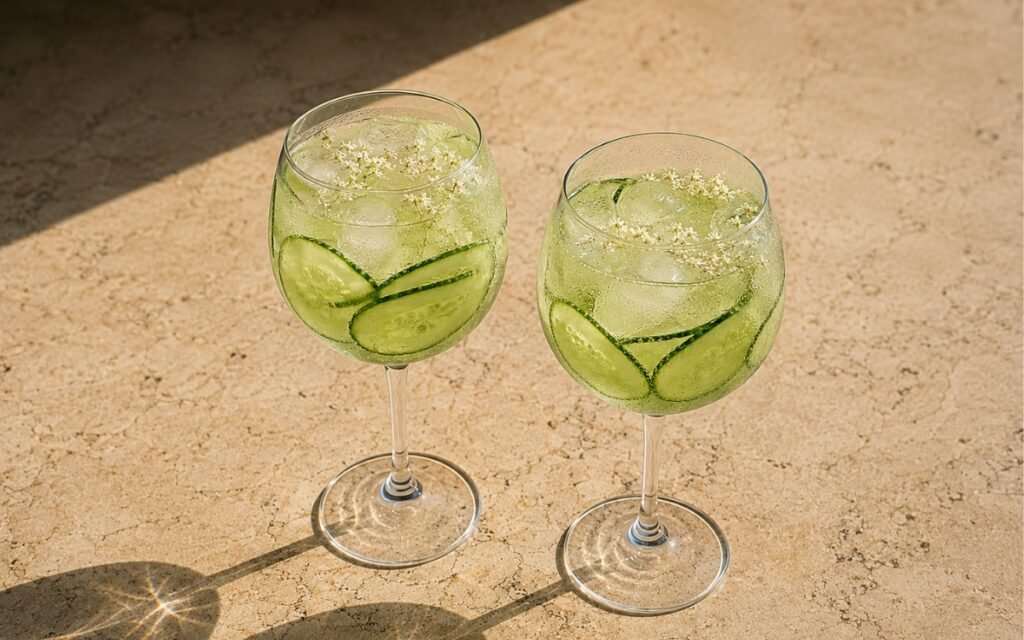
Elderflower Cucumber Spritz Mocktail
Cool cucumber and elderflower with ginger and lime, lightly floral, crisp, quietly complex, spa-fresh yet structured.
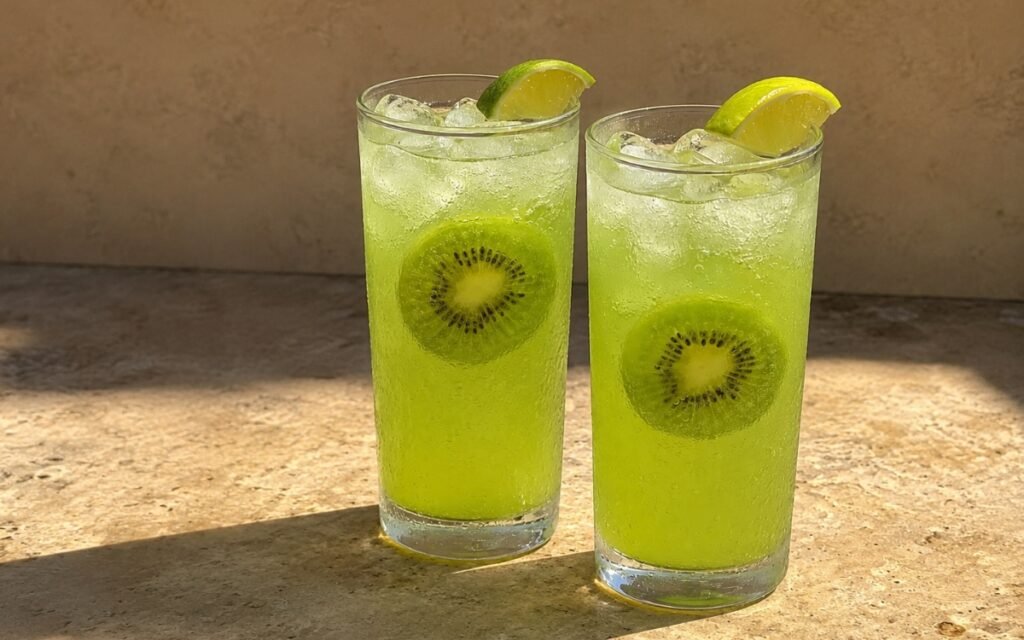
Kiwi Lime Sparkling Mocktail
Skin-on kiwis pressed with lime, honey, and salt over club soda — vivid jade-green.
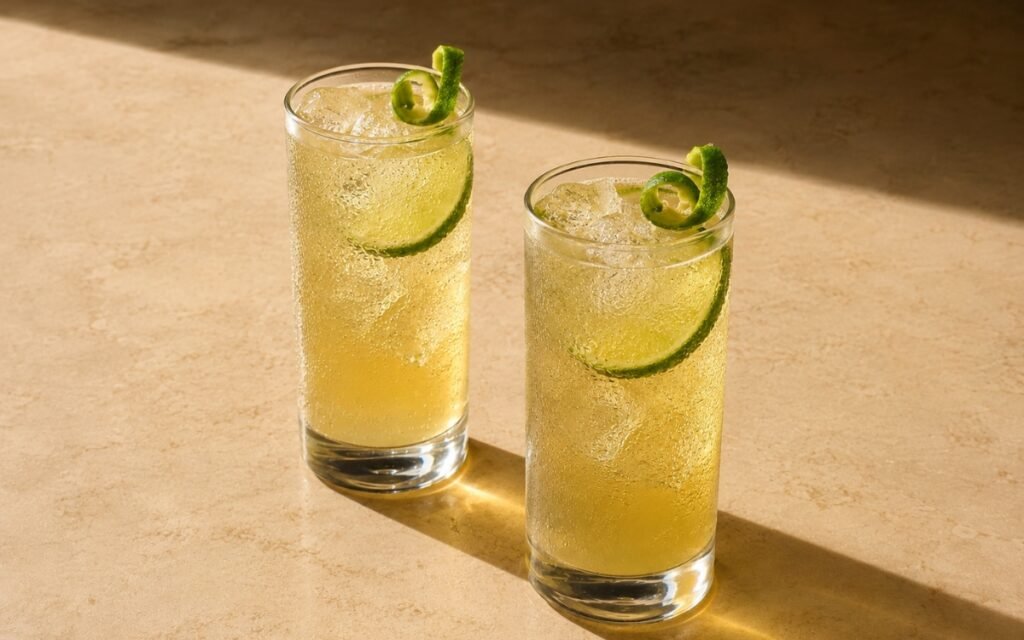
Ginger Lime Beer Mocktail
Sharp ginger beer with lime pulp, mint, and honey creates punchy heat, bright bite, and cooling balance.
You might also like
You might also like
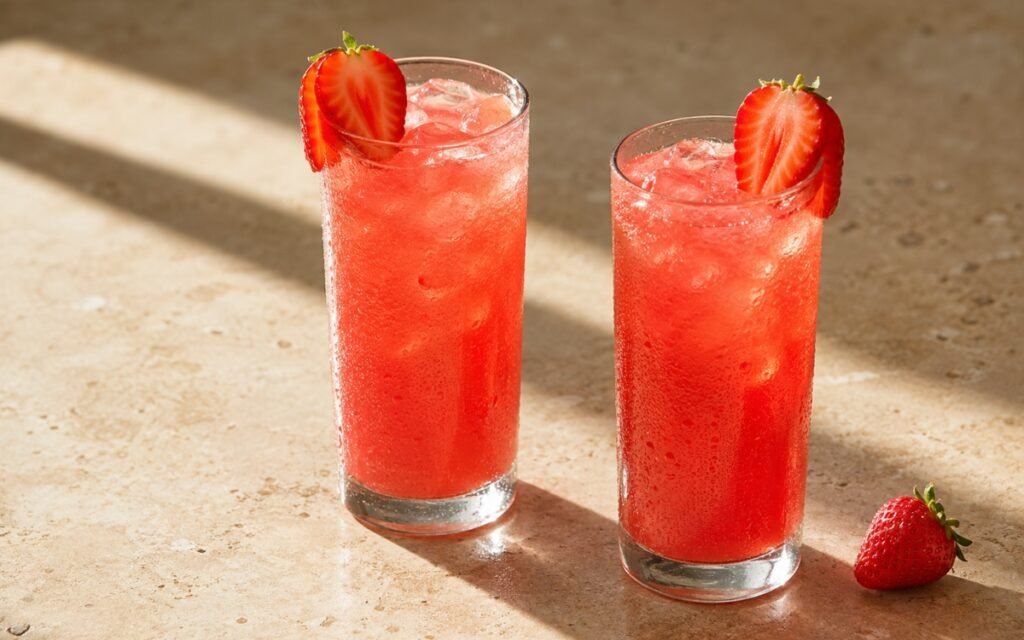
Fresh Strawberry Lemonade
Strawberries simmered exactly 5–8 minutes, lemon zest infused off heat — strained, fresh lemon juice and salt added cold. Vivid ruby-red and purely fruity.
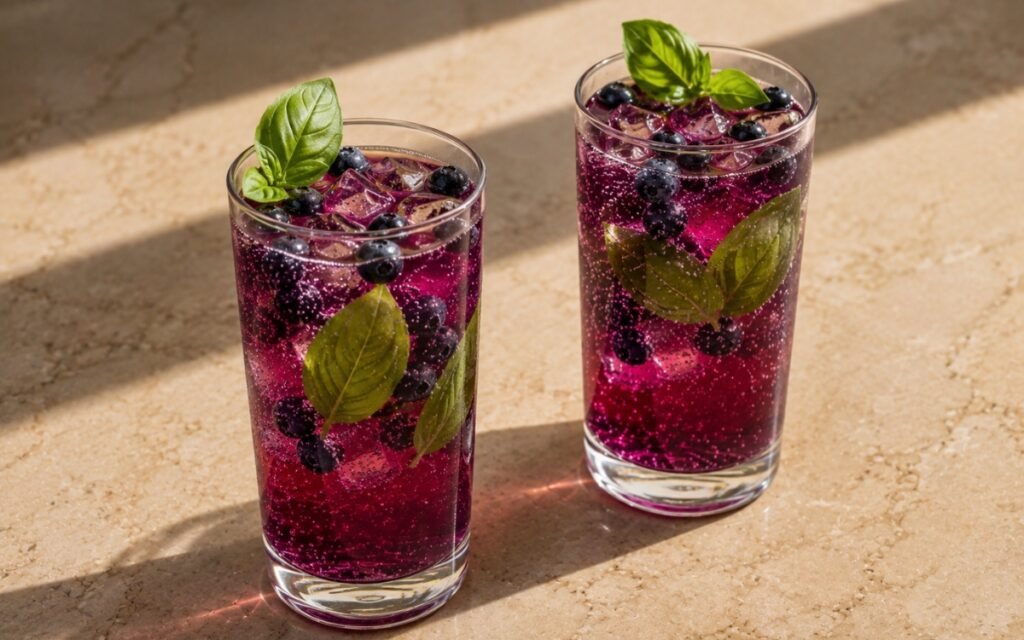
Basil Blueberry Sparkling Herbal Cooler
Concentrated white tea, basil blended into blueberries and strained — combined with the tea, finished with gentle club soda, chilled. Herbal and lively.
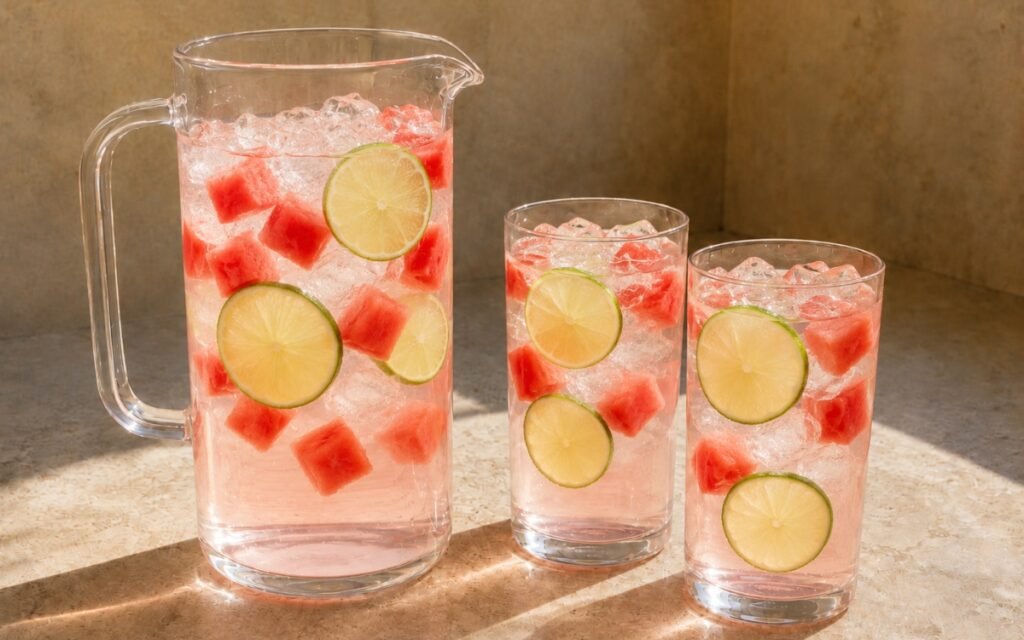
Watermelon Lime Infused Water
Watermelon lightly pressed and cold-infused with lime slices in 3L water — removed after 4 hours before lime peel turns bitter. Cool, fresh, and summer-aromatic.
Coconut Lime Sparkling Mocktail
Ingredients
Method
- Combine the 60g of honey, 45ml of fresh lime juice, and the zest of 1 lime in a bowl or large pitcher. Stir vigorously until the honey begins dissolving into the lime juice — the acid’s specific chemistry facilitating honey dissolution at room temperature without any heating. Continue stirring for 60–90 seconds until the mixture appears uniformly syrupy with no visible honey deposits remaining at the bowl’s surface. Lightly clap the 8 mint leaves between your palms and add immediately. Cover the bowl and refrigerate for 15–20 minutes. During the infusion the lime zest’s aromatic oils — primarily limonene and other terpene compounds — release into the honey-citrus medium. The honey’s sugar matrix specifically absorbs these fat-soluble aromatic compounds more effectively than plain water, producing an integrated aromatic depth in the honey component that makes the finished base more complex than plain lime juice and honey. The mint contributes its clean, cool, surface aromatic character at cold temperature — the same 15–20 minute cold infusion applied throughout this collection, kept below 20 minutes to prevent the mint’s character from becoming prominent against the coconut water’s delicate profile.
- After the 15–20 minute cold infusion, pour the 400ml of chilled coconut water directly into the bowl with the lime-honey-zest-mint mixture. Stir gently until fully combined. The coconut water is added after the infusion rather than from the beginning specifically to protect its character: coconut water’s mild, slightly mineral, naturally sweet tropical flavour is among the most delicate in this collection. Had the honey been dissolved directly into the coconut water with the lime and left for 15–20 minutes, the honey’s concentration would have progressively drawn moisture from the coconut water’s more dilute medium in a way that slightly altered the coconut’s specific lightness. Added after the honey has dissolved and the infusion is established, the coconut water simply combines cleanly with the prepared honey-lime base without any osmotic stress.
- Strain the combined mixture through a fine-mesh sieve into a clean pitcher — removing the lime zest pieces and mint leaves for the specifically clean, smooth finish of the finished drink. The base should be almost clear to very pale golden-green, specifically fragrant — lime’s sharp brightness, mint’s cool thread, honey’s warm floral note, and coconut water’s mild tropical sweetness all present as a unified aromatic. Fill four wine glasses generously with ice. Wine glasses are the specifically appropriate vessel for this preparation — the wide bowl allowing the pale colour’s visual elegance and the slight floral aroma to be experienced as the glass is lifted. Divide the chilled coconut-lime base evenly — approximately 100ml per glass. Top each glass with approximately 125ml of chilled club soda, poured gently down the inner side. Stir once or twice gently. Slip a thin lime slice beneath the ice in each glass. Rest a mint sprig on the ice with the leaves above the rim. Serve immediately.