
Beet Berry Smoothie Bowl
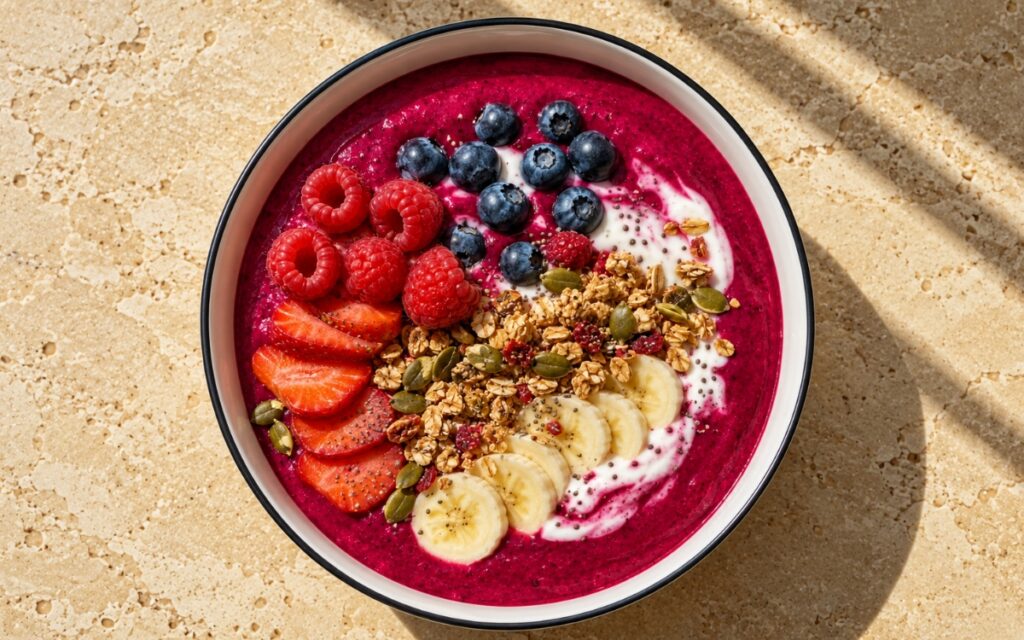
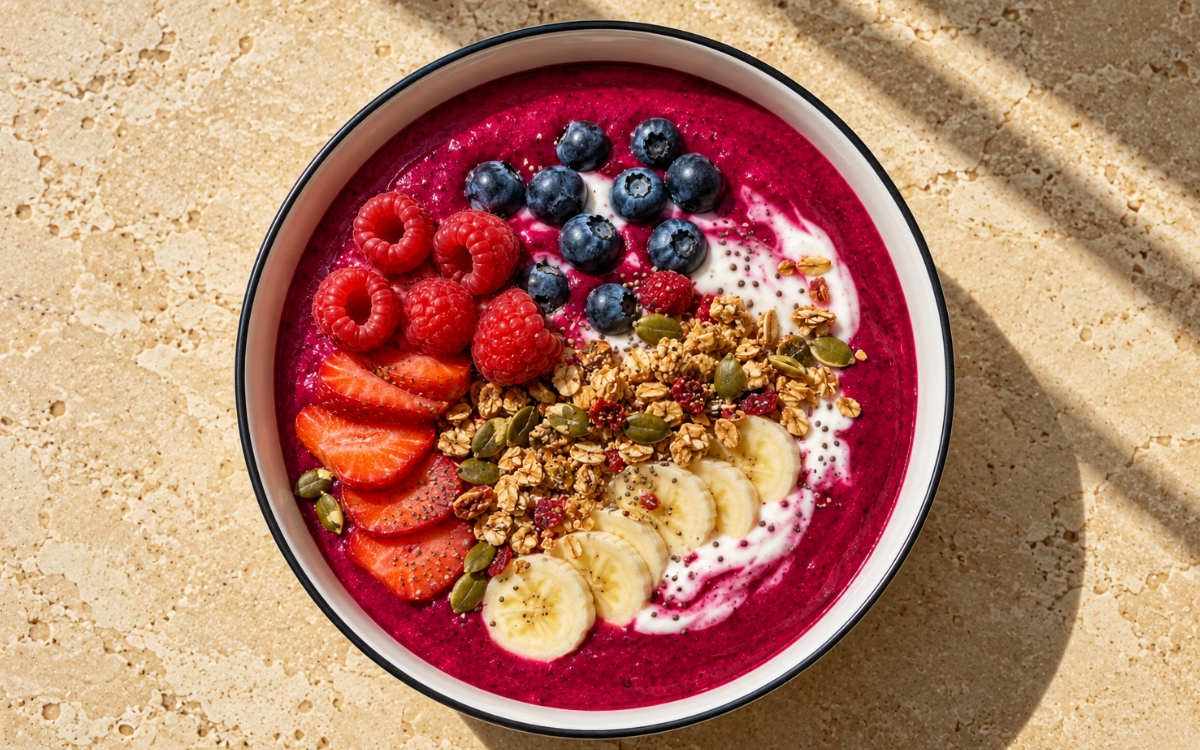
A thick, ruby-magenta smoothie bowl built from cooked beet, mixed berries, and banana, blended with Greek yogurt until glossy and spoonable, then topped in clean sections with fresh raspberries, blueberries, strawberry slices, banana coins, granola, pumpkin seeds, and a small yogurt swirl. Cooked beet is the non-negotiable choice here — raw beet brings an earthy, almost bitter edge that berries alone can’t mask, the same right-form-of-the-ingredient principle used elsewhere in this collection whenever a single preparation choice decides whether a dish actually works. Starting the blend with the yogurt and liquid before the beet and frozen fruit go in gives the blades a head start against a genuinely dense load, and keeping the liquid minimal from the start is what protects the deep ruby color and thick, spoonable texture this bowl is built around.
Prep Time : 20 min
Total Time : 20 min
Servings : 4
20 min
20 min
4
Ingredients
Smoothie Base
• 250 g cooked beet, chilled, peeled, and diced
• 300 g frozen strawberries
• 200 g frozen blueberries
• 150 g frozen raspberries
• 300 g frozen banana slices
• 320 g thick Greek yogurt
• 80–160 ml cold milk, almond milk, or apple juice, as needed
• 2 to 3 tbsp honey or maple syrup, to taste
• 2 tsp lemon juice
• Pinch of fine sea salt
Toppings
• 125 g fresh raspberries
• 125 g fresh blueberries
• 180 g strawberries, hulled and thinly sliced
• 2 medium bananas, sliced into coins
• 140–160 g granola
• 35–45 g pumpkin seeds
• 120 g Greek yogurt, for swirling on top
Directions
- Prep the Toppings
Wash and dry the raspberries, blueberries, and strawberries, then slice the strawberries thinly and cut the bananas into coins. Measure out the granola and pumpkin seeds so everything is ready before blending. If you want the bowls to stay cold and thick longer, chill four serving bowls in the fridge or freezer for 5 to 10 minutes. Smoothie bowls soften fast, so finishing all the topping prep before the base is blended matters more here than it would for a drinkable smoothie. - Build the Blender
Add the Greek yogurt, milk, honey or maple syrup, lemon juice, and salt to the blender, then add the chilled cooked beet, frozen strawberries, frozen blueberries, frozen raspberries, and frozen banana. Adding the yogurt and liquid first helps the blades catch the mixture, but keeping that liquid low at the start is what keeps the base thick and spoonable once everything else goes in. - Blend the Base
Blend on low first, then increase speed as the fruit begins to break down, stopping as needed to scrape down the sides and push the mixture toward the blades. Add more liquid only if needed, a tablespoon at a time, until the mixture turns smooth, thick, and creamy. The base should end up dense enough to hold soft ridges from a spoon and support toppings without them sinking — not pourable like a drink. - Adjust Texture and Flavor
Taste and adjust as needed: a little more honey if the berries came out tart, a few extra drops of lemon juice if it tastes flat, more frozen fruit or banana if the base turned too loose, or another small splash of liquid only if the blender is struggling. Stop blending as soon as the mixture turns smooth and glossy — overblending warms the base and thins it out past its best texture. - Portion the Bowls
Divide the base evenly between four bowls, about 350–400 ml per bowl, then smooth the tops with the back of a spoon so the toppings have an even surface to sit on. - Finish with Toppings
Top each bowl with fresh raspberries, fresh blueberries, sliced strawberries, banana coins, a strip of granola, a sprinkle of pumpkin seeds, and a small spoonful or loose swirl of Greek yogurt, arranging everything in clean, distinct sections so the deep ruby-magenta base stays visible. Serve immediately.
*Notes :
- Cooked beet is the only form that works in this bowl, and the distinction matters more than it might seem. Raw beet carries an earthy, slightly bitter edge that the berries and banana can’t fully cover, while cooked beet mellows into something sweeter and far more compatible with the rest of the base.
- Starting the blend with the yogurt and liquid before the beet and frozen berries go in isn’t just a convenience step, since this load is genuinely dense — beet, three kinds of frozen berries, and frozen banana all at once can stall a blender quickly without something fluid underneath to help the blades catch.
- Stopping the blend the moment it turns smooth and glossy is worth treating as a real rule rather than a suggestion. Overblending doesn’t just thin the texture — it warms the fruit and beet enough to soften the bowl faster than it should, undercutting the thick, spoonable result the rest of the recipe is working toward.
- Raspberries contribute visible seeds and specks throughout the base, which is part of the intended texture here rather than something to minimize. If a smoother finish matters more than the fleck pattern, shifting some of the raspberry weight toward more strawberries or blueberries keeps the same color without the same texture.
Why This Recipe Works
This recipe works because cooked beet supplies deep color and natural sweetness without the bitterness raw beet would introduce, and three frozen berries alongside frozen banana build the dense, spoonable texture the bowl depends on. Starting the blend with the yogurt and liquid gives the blades a head start against that heavy load, and stopping as soon as the texture turns smooth keeps the base from warming past its best consistency. Tasting before portioning accounts for how tart the berries turned out, and arranging the toppings in clean sections lets the ruby-magenta base stay the visual centerpiece rather than disappearing under a heavy pile.
Ingredient Breakdown
Cooked Beet
The critical color ingredient — raw beet introduces bitterness that cooked beet avoids entirely.
Frozen Mixed Berries
The flavor-and-texture base — raspberries add visible seeds and specks that define this bowl’s look.
Frozen Banana
The body builder — adds creaminess and balances the sharper edges of beet and berry.
Greek Yogurt
The stabilizing layer — thick yogurt keeps the base dense; thin yogurt loosens it too quickly.
Lemon Juice
The brightness adjustment — a small amount keeps the flavor from tasting flat against the beet’s sweetness.
Pumpkin Seeds and Granola
The crunch finish — added last so they keep their texture against the cold, glossy base.
Flavor Structure Explained
This beet berry smoothie bowl follows a layered balance model:
- Cold, dense foundation (frozen berries and banana)
- Earthy sweetness (cooked beet)
- Creamy dairy body (Greek yogurt)
- Bright acidic lift (lemon juice)
- Crunchy finishing layer (granola, pumpkin seeds, fresh berry toppings)
Frozen berries and banana build the bowl’s cold, dense foundation, while cooked beet layers in an earthy sweetness and the deep ruby color that defines this bowl. Greek yogurt rounds everything into something creamy rather than icy, a small amount of lemon juice keeps the sweetness from tipping flat, and the granola, pumpkin seeds, and fresh berry toppings finish the bowl with a crunch the soft base alone couldn’t provide.
Common Mistakes to Avoid
- Using Raw Beet Instead of Cooked – This leaves an earthy, bitter edge in the base. Always use beet that’s already cooked, peeled, and chilled.
- Adding Too Much Liquid Upfront – This thins the base past easy recovery and lets toppings sink. Always start with the lower end of the liquid range.
- Over-Blending Past Smooth – This warms the base and thins it out faster than expected. Always stop blending as soon as the mixture turns smooth and glossy.
- Slicing the Banana Topping Too Early – This lets it darken before serving. Always add the banana topping last, close to serving time.
- Letting the Bowl Sit Before Serving – This softens the base and lets the toppings lose their crisp contrast. Always serve immediately after assembling.
Variations
Smoother Version
Reduce the raspberries by half and replace the difference with more strawberries or blueberries, per the recipe’s own suggested adjustment, for a smoother base with fewer visible seeds. This keeps the same ruby-magenta color while softening the fleck texture.
Extra-Protein Version
Blend in one scoop of vanilla or unflavored protein powder along with the Greek yogurt, adding a small splash more liquid if the base turns too thick to move. This makes the bowl a more substantial option without changing its core flavor or color.
Citrus-Forward Version
Add an extra teaspoon of lemon juice and a little orange zest to the base for a brighter, more citrus-leaning flavor that cuts further against the beet’s natural sweetness. This pairs particularly well with a lighter hand on the honey.
Nut-Topped Version
Swap the pumpkin seeds for chopped toasted walnuts or pecans for a richer, more dessert-like crunch on top. This works especially well alongside the yogurt swirl, since the toasted nuts add a warmth the pumpkin seeds don’t carry.
Storage & Make-Ahead
This bowl is built to be eaten right after it’s assembled, and that window is short for a real reason. The base is thick because it’s cold and freshly blended, and within fifteen to twenty minutes at room temperature the frozen fruit and beet begin to soften, which lets the clean topping sections blur into the base instead of sitting cleanly on top.
The parts worth prepping ahead are the ones that don’t touch the blender. Wash and measure the fresh berries and pumpkin seeds into separate containers the night before, and make sure your cooked beet is already peeled, diced, and chilled so it’s ready to go straight into the blender.
If you’re cooking the beet from raw rather than using a vacuum-packed version, roast or steam it, then cool it completely and chill it before using — warm beet added to frozen fruit will soften the base faster than it should. Freezing your own berries and banana in bulk is worth doing if this bowl becomes a regular rotation, turning future prep into mostly measuring and blending.
Granola and pumpkin seeds both store well at room temperature in sealed containers for weeks, so there’s little reason to measure out more than one serving’s worth at a time. The fresh berries and banana topping are the only components worth timing carefully, since both lose their clean texture and appearance within a day or two once cut or left at room temperature.
Frequently Asked Questions
Can I use raw beet instead of cooked?
No — raw beet carries an earthy, bitter edge that the berries and banana can’t fully cover, which changes the flavor of the whole bowl. Always use beet that’s already cooked, peeled, and chilled, whether that’s a vacuum-packed version or beet you’ve roasted or steamed yourself.
Why does my bowl taste too earthy or flat?
This usually comes down to either using beet that isn’t fully cooked and chilled, or not adding enough lemon juice to brighten the base. Taste before portioning — a flat-tasting batch almost always needs a touch more lemon juice rather than more sweetener.
What can I use instead of Greek yogurt?
Coconut yogurt or a thick plant-based yogurt both work for a dairy-free version, though you may need slightly less added liquid since plant-based yogurts tend to be thinner. The color and overall structure stay close to the original either way.
Can I make any part of this ahead of time?
The blended base doesn’t hold well once it’s made, but the fresh berries, pumpkin seeds, and granola can all be measured and stored separately in advance. Make sure your beet is already cooked and chilled so the actual blending step is quick.
What other smoothies and bowls pair well with this one?
Beet Berry Smoothie, Açaí Berry Smoothie Bowl, Raspberry Peach Smoothie Bowl, Mixed Berry Protein Smoothie, and Strawberry Smoothie Bowl all share similar berry-forward or smoothie-bowl techniques and make good options to try next.
Nutrition Facts
( Per Serving — 1 bowl )
Calories
~365 kcal
Protein
14 g
Fat
7 g
Carbs
64 g
Calories
~365 kcal
Protein
14 g
Fat
7 g
Carbs
64 g
Related Recipes
Related Recipes
-

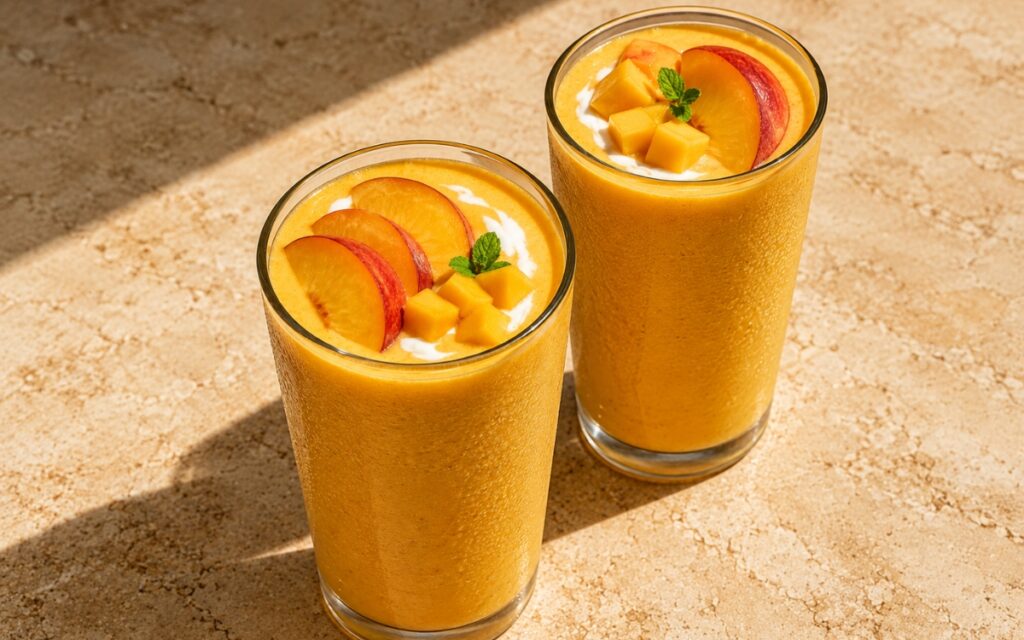
Peach Mango Smoothie
A thick, creamy peach mango smoothie with a silky orange-gold texture, blended from ripe peaches, sweet mango, and yogurt.
-
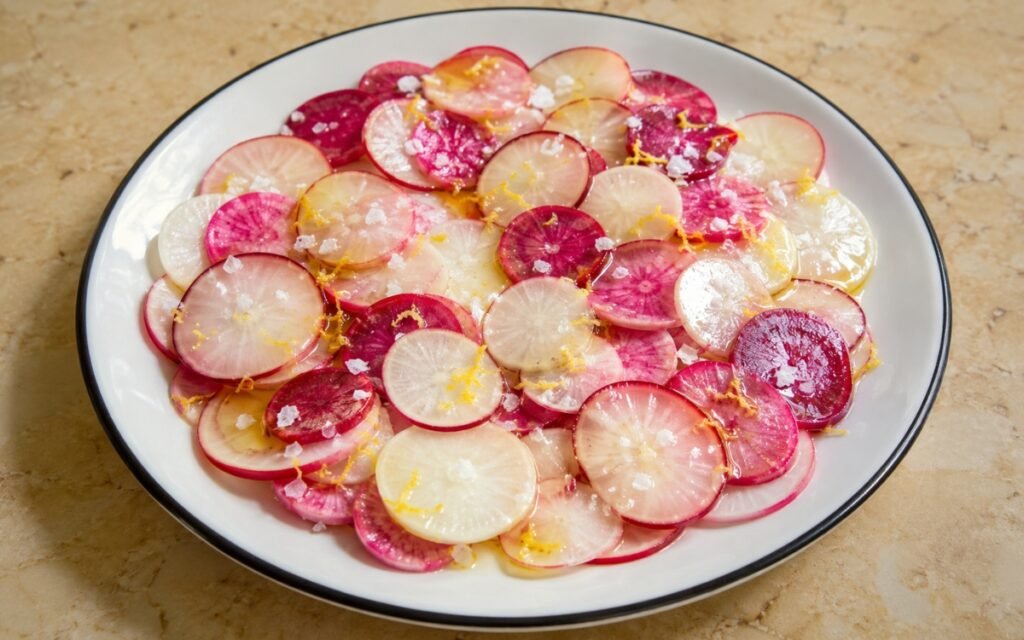
Radish Lemon Olive Oil Salad
Thinly sliced crisp radishes dressed with quality olive oil, bright lemon, and fresh herbs simply.
-
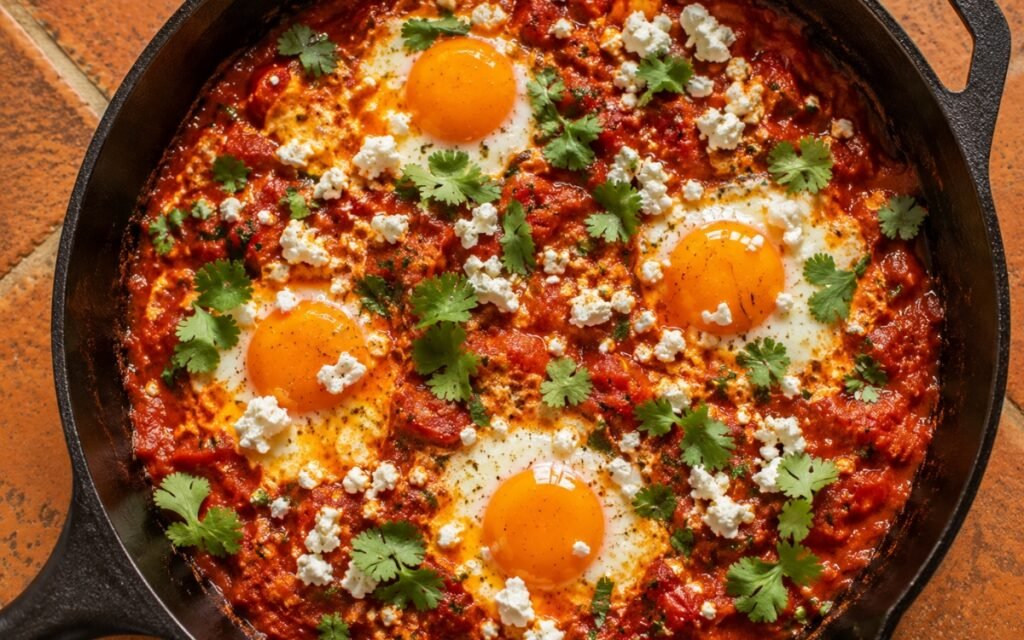
Easy Breakfast Shakshuka
Bell pepper and onion in butter, spices dry-toasted on the bare pan, crushed tomatoes simmered thick — six eggs baked at 190°C with feta and cilantro. Under 30 minutes, eaten from the skillet.
You might also like
You might also like
-
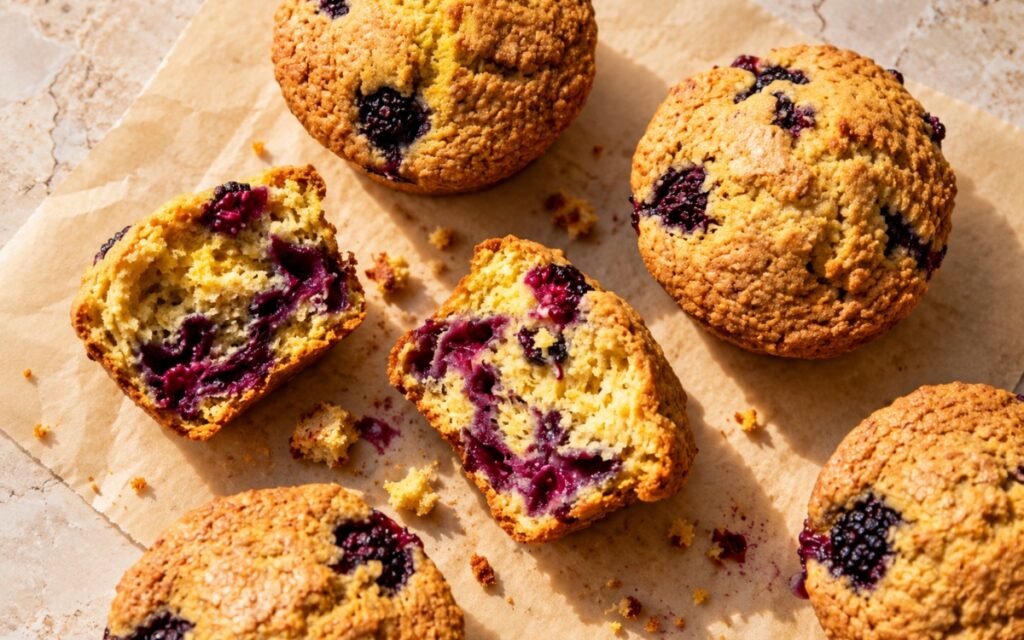
Blackberry Cornmeal Muffins
Bakery-style cornmeal muffins with a tender rustic crumb and blackberry pockets.
-
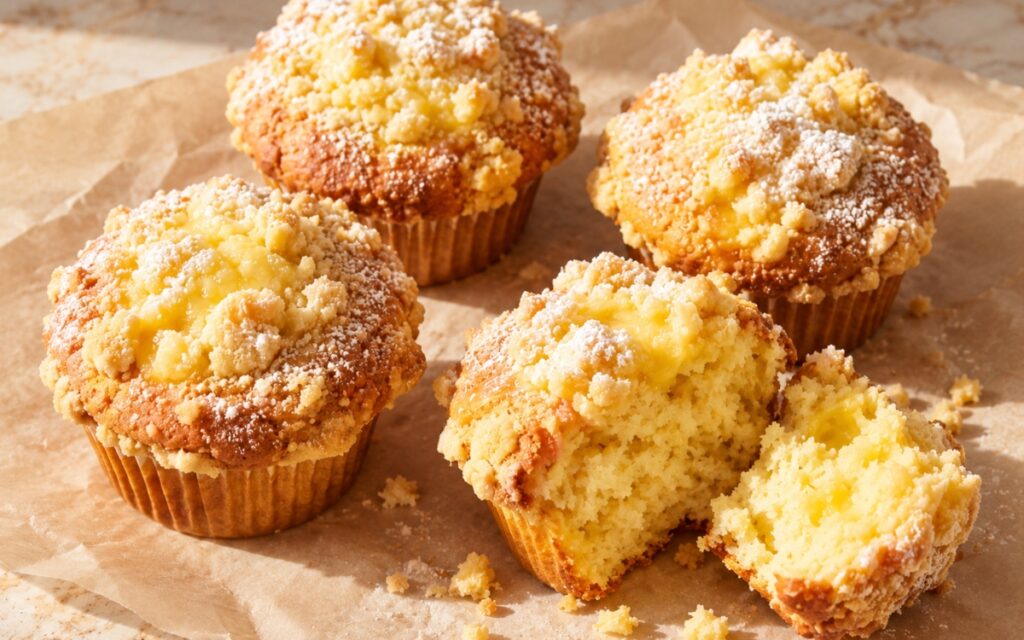
Lemon Crumble Muffins
Soft lemon muffins with a buttery crumble topping and a tart lemon curd center.
-
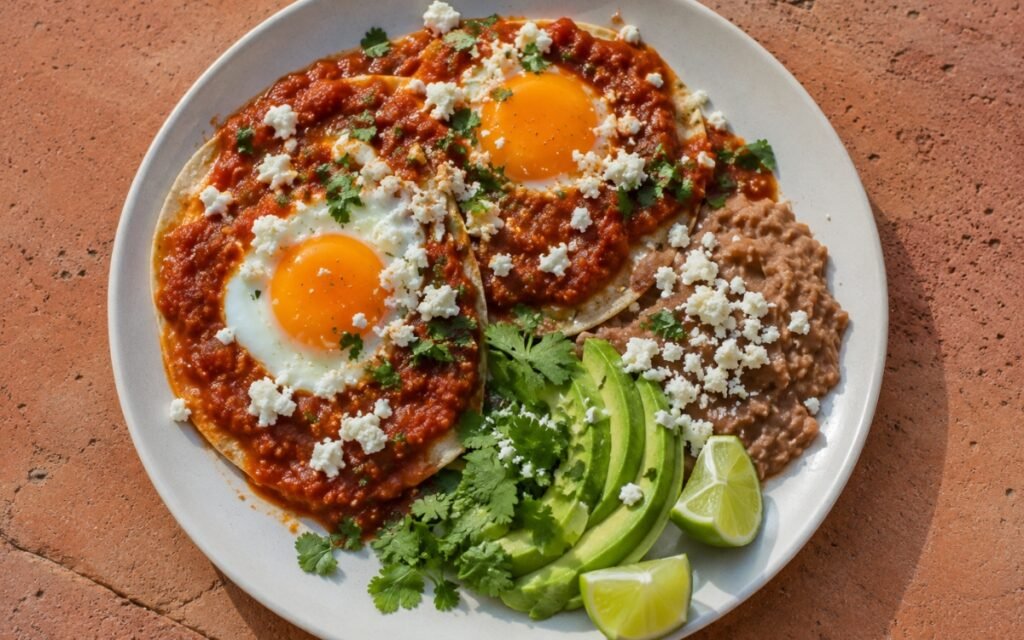
Huevos Rancheros
Fried eggs with bright runny yolks served on warm corn tortillas, covered in chunky red ranchero sauce, with refried beans and avocado.
Beet Berry Smoothie Bowl
Ingredients
Method
- Wash and dry the raspberries, blueberries, and strawberries, then slice the strawberries thinly and cut the bananas into coins. Measure out the granola and pumpkin seeds so everything is ready before blending. If you want the bowls to stay cold and thick longer, chill four serving bowls in the fridge or freezer for 5 to 10 minutes. Smoothie bowls soften fast, so finishing all the topping prep before the base is blended matters more here than it would for a drinkable smoothie.
- Add the Greek yogurt, milk, honey or maple syrup, lemon juice, and salt to the blender, then add the chilled cooked beet, frozen strawberries, frozen blueberries, frozen raspberries, and frozen banana. Adding the yogurt and liquid first helps the blades catch the mixture, but keeping that liquid low at the start is what keeps the base thick and spoonable once everything else goes in.
- Blend on low first, then increase speed as the fruit begins to break down, stopping as needed to scrape down the sides and push the mixture toward the blades. Add more liquid only if needed, a tablespoon at a time, until the mixture turns smooth, thick, and creamy. The base should end up dense enough to hold soft ridges from a spoon and support toppings without them sinking — not pourable like a drink.
- Taste and adjust as needed: a little more honey if the berries came out tart, a few extra drops of lemon juice if it tastes flat, more frozen fruit or banana if the base turned too loose, or another small splash of liquid only if the blender is struggling. Stop blending as soon as the mixture turns smooth and glossy — overblending warms the base and thins it out past its best texture.
- Divide the base evenly between four bowls, about 350–400 ml per bowl, then smooth the tops with the back of a spoon so the toppings have an even surface to sit on.
- Top each bowl with fresh raspberries, fresh blueberries, sliced strawberries, banana coins, a strip of granola, a sprinkle of pumpkin seeds, and a small spoonful or loose swirl of Greek yogurt, arranging everything in clean, distinct sections so the deep ruby-magenta base stays visible. Serve immediately.