
Easy Authentic Carbonara Pasta
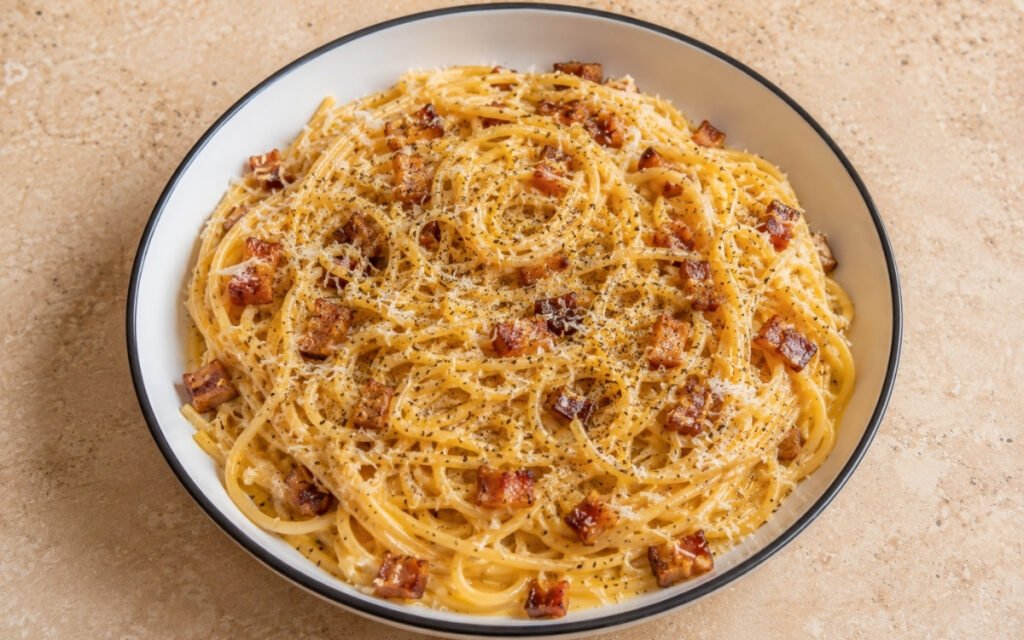
Six ingredients, 25 minutes, and the technique that makes all the difference. Authentic Roman carbonara has no cream, no onion, no garlic — just crispy guanciale rendered in a cold pan, a silky egg-and-Pecorino sauce, and the starchy pasta water that emulsifies everything into a coating, luxurious silk that clings to every strand. Temperature control is the entire skill: too hot and the eggs scramble, too cool and the sauce does not emulsify. Master the 45-second cooling window and the constant tossing motion once, and this becomes the pasta you make when you want something genuinely perfect without complexity.
Prep Time : 10 min
Cook Time : 15 min
Servings : 4
10 min
15 min
4
Ingredients
For the Pasta
• 400g spaghetti or rigatoni — this one on Amazon
• 40g fine sea salt for pasta water
• 4 liters water
For the Guanciale
• 200g guanciale (or pancetta if unavailable), cut into 1cm lardons — this one on Amazon
For the Carbonara Sauce
• 4 large egg yolks (about 68g total)
• 2 large whole eggs (about 100g total)
• 120g Pecorino Romano, finely grated, plus extra for serving — this one on Amazon
• 2g freshly cracked black pepper, plus more to taste
This post may contain affiliate links. As an Amazon Associate I earn from qualifying purchases, at no additional cost to you.
Directions
- Render the Guanciale
Place the guanciale lardons in a large skillet — stainless steel or carbon steel is preferred over non-stick, which does not build the flavoured fond that will coat the pasta. Start with the pan cold — this is deliberate and important. Placing the guanciale in a cold pan and bringing the heat up together allows the fat to render gradually from the inside of each piece, producing lardons that are completely rendered, crispy and golden at the edges, but still slightly tender at the centre rather than uniformly hard. A hot pan added immediately produces surfaces that brown before the internal fat can render, leaving chewy, dense lardons surrounded by insufficient rendered fat. Cook over medium heat for 8–10 minutes, stirring occasionally, until the guanciale has rendered most of its fat — the pan should hold approximately 3–4 tablespoons of rendered fat — and the pieces are golden and crispy at the edges. Turn the heat completely off but leave the skillet on the burner to retain its warmth. Do not drain the rendered fat — every drop of this sweet, delicate pork fat is part of the sauce and removing it reduces both the flavour and the emulsifying capacity of the finished carbonara. - Boil the Pasta
Bring 4 litres of water to a full rolling boil in a large pot. Add the 40g of fine sea salt — the water should taste assertively salty, similar to well-seasoned broth. The quantity seems large but the saltiness of well-seasoned pasta water is the seasoning of the finished dish — carbonara’s sauce contains Pecorino Romano (already very salty) and guanciale (also salty), which means the pasta water’s salt is the only additional seasoning applied to the pasta itself, and it must be present throughout every strand from the inside out. Add the pasta and cook, stirring occasionally to prevent sticking, until exactly 1 minute shy of al dente per the package directions. The pasta will finish cooking in the residual heat of the skillet during the sauce-making step — pulling it 1 minute early accounts for this carry-over cooking and prevents the final pasta from being over-cooked and soft. - Prepare the Egg and Pecorino Mixture
While the pasta cooks, prepare the sauce in a medium bowl. Combine the 4 egg yolks, 2 whole eggs, 120g of finely grated Pecorino Romano, and 2g of freshly cracked black pepper. Whisk together thoroughly until completely smooth — no streaks of unincorporated egg white should be visible, no dry cheese clumps should remain. The mixture should be thick, uniform, and slightly custard-like in consistency. Pecorino Romano rather than Parmesan is the Roman tradition and produces a sharper, saltier, more assertive flavour — its specific flavour profile is an integral part of authentic carbonara’s identity. The egg yolk-to-whole egg ratio of 4 yolks to 2 whole eggs is calibrated for maximum richness and creaminess — the yolks provide the fat and lecithin that produce the silky sauce texture, while the whole eggs provide additional liquid and protein for the correct consistency. Grating the Pecorino on the finest setting available is important — coarse pieces do not melt into the sauce smoothly and produce a slightly grainy result rather than the completely smooth, silky consistency the recipe is designed to achieve. - Reserve Pasta Water and Drain
When the pasta reaches 1 minute shy of al dente, reserve at least 300ml of the cooking water in a heatproof measuring cup before draining. This pasta water is the most critical ingredient in the sauce after the eggs and cheese — its high starch content is the emulsifying agent that allows the egg yolks, cheese fat, and rendered guanciale fat to combine into a stable, cohesive sauce rather than separating as the components would without it. The starch concentration in pasta water is at its highest at the end of cooking — always reserve late rather than early. Drain the pasta but do not rinse it — rinsing removes the surface starch that also contributes to sauce adhesion and emulsification. - Coat the Pasta in Guanciale Fat
Transfer the hot, drained pasta immediately to the skillet with the rendered guanciale — the heat must have been off for at least 60 seconds at this point, but the pan should still be warm from the rendering. Toss vigorously with tongs for 30 seconds to coat every strand or piece of pasta in the rendered guanciale fat. This fat-coating step is not simply mixing — it is physically coating every surface of the pasta with the fat that will act as the interface between the pasta and the incoming egg-cheese sauce, helping the sauce adhere uniformly throughout. After tossing, allow the skillet to rest for exactly 45 seconds. This cooling window is the most precise timing requirement in the recipe. If the pan is too hot when the egg mixture is added, the egg proteins will cook immediately on contact and produce scrambled eggs throughout the pasta — irreversible. If it is too cool, insufficient heat reaches the egg mixture to initiate the emulsification. The 45-second rest after the pasta is added brings the skillet to the correct temperature window — warm enough to gently warm and thicken the eggs without cooking them. - Create the Carbonara Sauce
Add 100ml of the reserved pasta water to the skillet — the water contact with the warm pan creates immediate steam that helps initiate the sauce environment. Pour the egg-cheese mixture over the pasta immediately after the water. Begin tossing constantly and continuously — lift the pasta from the bottom of the skillet and fold it over the top, repeating in a continuous circular motion with tongs or two wooden spoons. Do not stop tossing. The continuous motion distributes the egg mixture around every strand, keeps the contact points between the eggs and the warm pan constantly changing so no single spot becomes hot enough to scramble, and mechanically encourages the emulsification of the egg fat, cheese fat, pasta starch, and water into a unified sauce. Continue tossing for 1–2 minutes, adding reserved pasta water in 30ml increments as needed. The sauce will transform visibly during this period — from a liquid egg mixture pooling at the bottom of the pan to a progressively thicker, creamier coating that clings to the pasta and does not pool when the pan is tilted. The correct finished consistency is what Italian cooks describe as flowing like lava — coating the pasta like liquid silk, moving slowly when the pan is tilted but not running freely, and clinging back to the pasta immediately rather than pooling at the bottom. - Serve Immediately
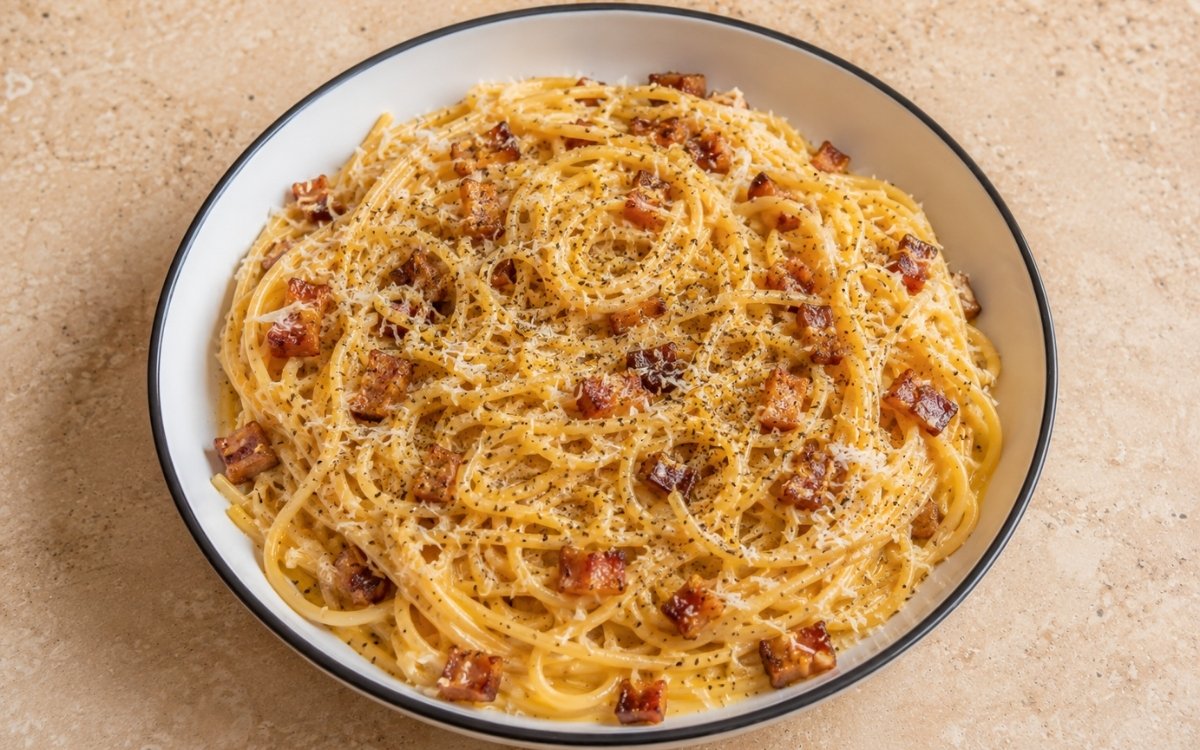
Taste before serving — the Pecorino and guanciale provide significant salt but the correct balance needs confirmation. Add additional freshly cracked black pepper to taste — black pepper in carbonara is not simply a condiment but a flavour element, and a generous final crack over each portion is correct and traditional. Divide among four warm bowls immediately — carbonara sauce continues to tighten as it cools and the dish is at its peak in the first 2–3 minutes after leaving the pan. Create a small nest with each portion by twirling the pasta with tongs for a cleaner presentation. Finish each bowl with a generous amount of additional finely grated Pecorino Romano and a confident crack of black pepper. Serve with no delay.
*Notes :
- The absence of cream in authentic carbonara is not a restriction but the entire point. Cream-based carbonara is a French-American adaptation that produces a richer, heavier, more stable sauce that can be reheated and held without difficulty. Authentic carbonara’s sauce is an egg-and-cheese emulsion — fundamentally unstable in comparison to a cream sauce, requiring immediate service and precise technique, but producing a flavour and texture that cream cannot approximate. The egg yolks’ lecithin, the Pecorino’s fat, and the pasta starch create a sauce that coats the mouth differently from cream — lighter, more flavourful, more specifically egg-and-cheese in character, and with a direct, clean finish rather than the lingering richness of a cream sauce.
- Guanciale is pork cheek cured with salt, black pepper, and sometimes rosemary or other aromatics. Its flavour is distinctly sweet, delicate, and fatty in a way that pancetta — cured pork belly — is not. Pancetta’s fat has a more neutral character; guanciale’s fat has a sweet, almost buttery quality that distributes through the sauce and pasta during tossing. The rendered fat from guanciale is an active flavour ingredient in carbonara; the rendered fat from pancetta is less distinctive. Source guanciale from Italian specialty stores or delicatessens — it is increasingly available and the flavour difference justifies the effort.
- The pan material matters for this recipe. Stainless steel and carbon steel build a fond — a thin layer of caramelised protein and fat — during the guanciale rendering that adheres to the pan surface and dissolves into the sauce during the pasta water and egg tossing step, adding depth. Non-stick pans do not build fond. Cast iron retains too much heat for controlled carbonara sauce making — the temperature drops needed for the 45-second cooling window happen more slowly in cast iron’s thermal mass, increasing the scrambling risk.
Why This Recipe Works
This recipe works because it addresses the single technique challenge that makes carbonara intimidating — temperature control during sauce creation — with a specific, timed sequence. Cold-pan guanciale rendering produces the correct fat quantity and texture. The 45-second cooling period after pasta addition creates the correct temperature window.
The constant tossing motion prevents scrambled eggs and builds the emulsification mechanically. The incremental pasta water addition gives full control over sauce consistency. Every step is in service of the same goal: a silky, stable emulsion that coats every strand completely without scrambling or breaking.
Ingredient Breakdown
Guanciale (Cold-Pan Rendered)
The flavour foundation — its sweet, delicate rendered fat coats the pasta and becomes part of the sauce emulsion. Non-negotiable for authenticity; pancetta as a substitute changes the character noticeably.
4 Yolks and 2 Whole Eggs
The sauce base — the yolks provide fat and lecithin for silkiness and emulsification; the whole eggs provide additional liquid and protein for the correct flowing consistency.
Pecorino Romano (Finely Grated)
The sharp, salty cheese that defines Roman carbonara — its assertive, slightly piquant character is the flavour identity of the dish. Always freshly grated immediately before use.
Reserved Pasta Water (300ml)
The emulsifying medium — starchy cooking water that stabilises the egg-fat-cheese emulsion and adjusts consistency incrementally.
Black Pepper
Both seasoning and flavour element — generous cracking at the end is traditional and essential, not optional.
Aggressively Salted Pasta Water
The pasta’s internal seasoning — the only salt that reaches the pasta itself throughout its entire structure rather than only on the surface.
Flavor Structure Explained
This Carbonara follows a layered balance model:
- Savory fat core (guanciale)
- Creamy umami coating (egg yolk, Pecorino)
- Aromatic heat (black pepper)
- Rendered richness (pork fat)
- Cohesive emulsion (sauce integration)
Guanciale defines the foundation with sweet, rendered fat and crispy, savory intensity that anchors the dish. The egg–Pecorino emulsion forms the core coating, delivering silky texture and concentrated salty-umami richness. Black pepper cuts through both layers with sharp, aromatic heat, preventing the dish from becoming heavy. The rendered fat integrates into the sauce, amplifying depth and mouthfeel. The structure depends on all elements working together — no single layer dominates, but the combination creates a complete, unified flavor.
Common Mistakes to Avoid
- Scrambling the Eggs – The most common failure — caused by adding the egg mixture to a pan that is too hot. The 45-second cooling window is precise for a reason. If uncertain, err cooler and return briefly to the lowest possible heat while tossing rather than risking an overheated pan.
- Adding Cream – Not a technique error but a recipe departure — cream produces a different, heavier, less authentic dish with a fundamentally altered flavour and texture. The egg-pasta water emulsion is the correct technique.
- Not Reserving Enough Pasta Water – The pasta water is the adjusting tool and the emulsifier — reserve more than you think you need (300ml minimum) and keep it warm during the sauce-making step so it does not cool the sauce when added.
- Using Pre-Grated Pecorino – Pre-grated cheese has lost its volatile aromatic compounds and is often coated in anti-caking agents that produce a grainy rather than smooth sauce. Always grate from a wedge immediately before use.
- Stopping the Tossing Motion – Any pause during the egg-sauce incorporation allows direct heat contact between the pan and the egg, which scrambles that portion. Toss continuously without stopping for the full 1–2 minutes.
- Rinsing the Pasta – Rinsing removes the surface starch that is an essential emulsification contributor. Drain and transfer immediately without rinsing.
Variations
Rigatoni Carbonara
The tubular format traps guanciale pieces and sauce inside each tube — producing a different but equally authentic Roman experience where every bite includes a concentrated interior hit of sauce and pork. Rigatoni’s larger format also means fewer pieces per forkful, producing a more substantial, more structurally present bite than spaghetti.
Parmesan Substitution
Replace half or all of the Pecorino with Parmigiano Reggiano for a milder, less sharp, slightly sweeter sauce. The result is less specifically Roman but still excellent — some traditional recipes use a 50/50 blend of both.
Extra Guanciale Version
Increase the guanciale to 250g for a more intensely pork-forward carbonara where the crisped pieces are more prominent in every forkful. Reduce the Pecorino very slightly to compensate for the additional salt from the additional cured pork.
Bucatini Carbonara
Use the thick, hollow spaghetti-like bucatini for a slightly more rustic, more substantial pasta format that the sauce coats differently from standard spaghetti — the hollow core traps sauce and produces a slightly more sauce-intense result per strand.
Storage & Make-Ahead
Carbonara is one of the dishes least suited to advance preparation or storage — the egg-starch emulsion breaks irreversibly during refrigeration and the pasta absorbs all the sauce, producing a dry, clumped result that cannot be restored to the original texture. Make and serve immediately for the only correct result. If leftovers must be reheated, add 2–3 tablespoons of water per portion in a non-stick pan over the lowest possible heat and toss very gently — the result will be acceptable but noticeably less silky than fresh.
Frequently Asked Questions
Why does my carbonara always scramble?
Almost always caused by one of two things: the pan was still too hot when the egg mixture was added, or the tossing stopped. The 45-second cooling period after the pasta is added is the crucial window. If in doubt, remove the pan from the burner entirely and rest it on a cool surface for the full 45 seconds before adding the egg mixture.
Can I use bacon instead of guanciale or pancetta?
Bacon produces a significantly different result — its smoking process adds a smokiness that is not present in guanciale or pancetta and that competes with the egg-and-cheese character of the sauce. Smoked bacon carbonara is a popular home dish but it is a different preparation from authentic Roman carbonara in both flavour and cultural identity.
What does “al dente” mean and why does it matter?
Al dente means “to the tooth” — pasta with a very slight, pleasant resistance when bitten, not soft all the way through. Carbonara sauce making requires the pasta to have this firmness because it continues cooking in the residual heat of the sauce-making step. Over-cooked pasta entering the carbonara step produces mushy, soft pasta in the finished dish.
What if my sauce is too thick?
Add reserved pasta water in small increments — 15ml at a time — while tossing vigorously off the heat. The additional starchy water loosens the sauce immediately. Always keep the reserved pasta water warm throughout the sauce-making step so it does not cool the dish when added.
What if my sauce is too thin and watery?
Continue tossing off the heat — the residual warmth of the pan and the mechanical tossing action continue the emulsification process and progressively thicken the sauce. If after 60 additional seconds of tossing it remains too thin, return to the absolute lowest possible heat for 15–20 seconds while tossing continuously.
Nutrition Facts
( per serving )
Calories
~758 kcal
Protein
32 g
Fat
38 g
Carbs
72 g
Calories
~758 kcal
Protein
32 g
Fat
38 g
Carbs
72 g
Related Recipes
Related Recipes

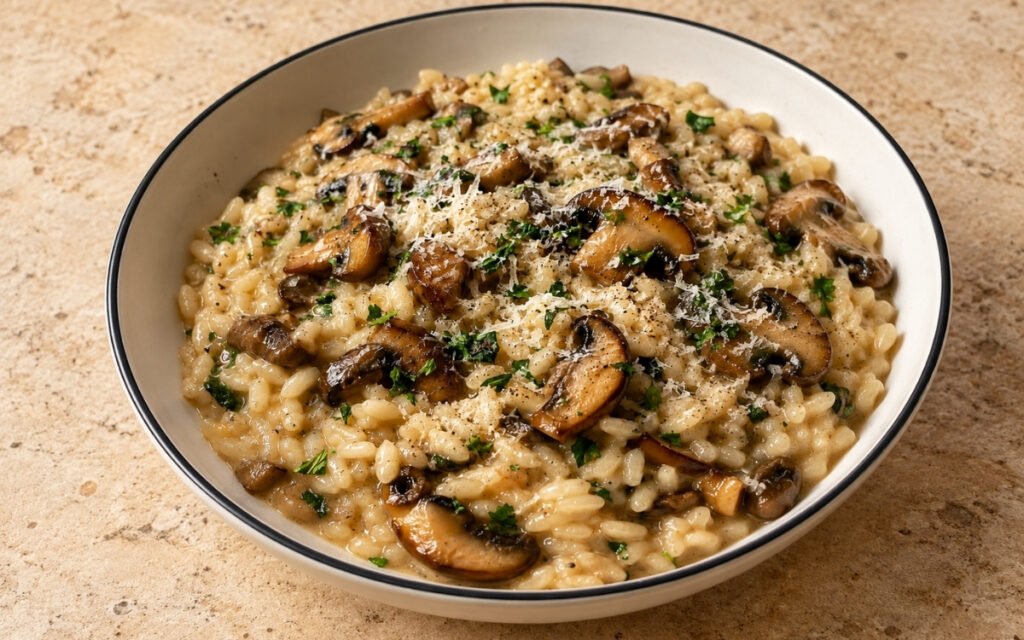
Mushroom Risotto
Creamy Arborio or Carnaroli rice with browned meaty mushrooms, white wine, shallot, and Parmesan, finished loose and silky.
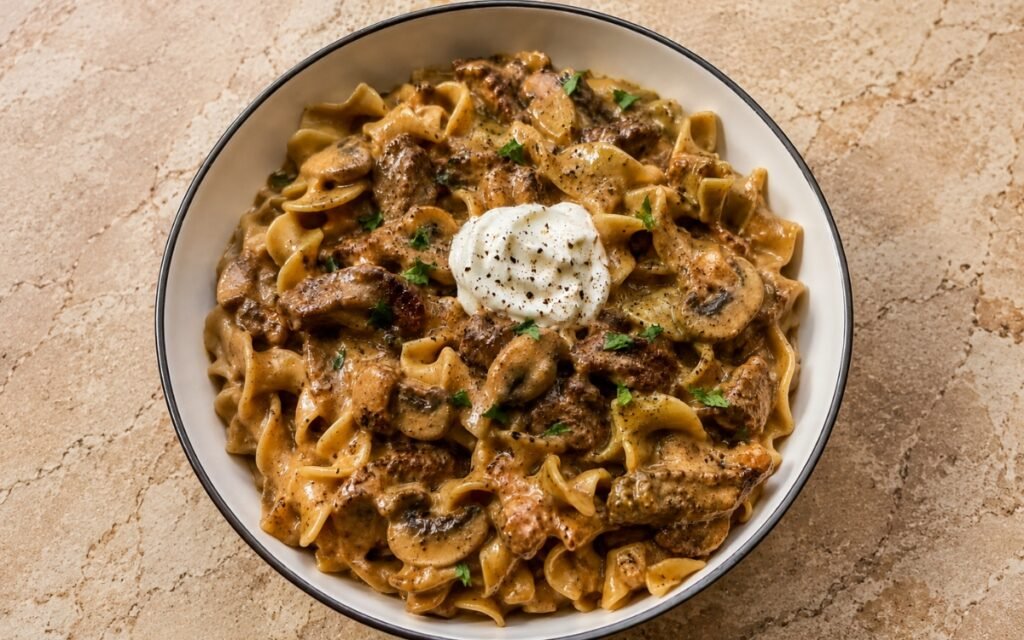
Beef Stroganoff
Tender seared beef, properly browned mushrooms, and a rich, glossy sour cream sauce over buttery egg noodles.
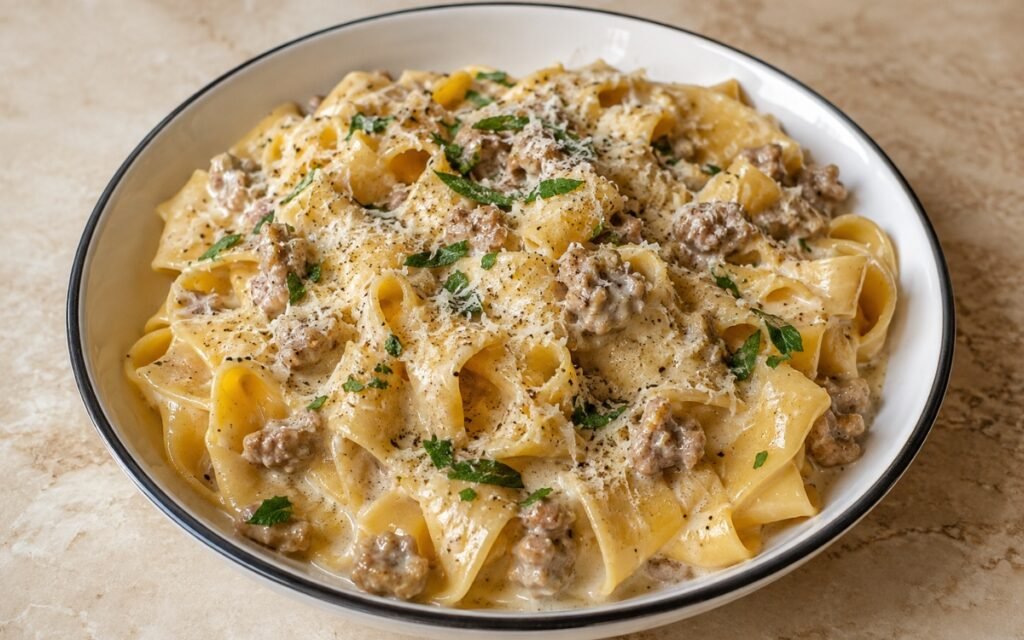
Pappardelle White Sausage Ragù
Wide pappardelle ribbons coated in a pale, glossy sausage ragù emulsified from browned sausage fat, pasta water, and Parmigiano-Reggiano.
You might also like
You might also like
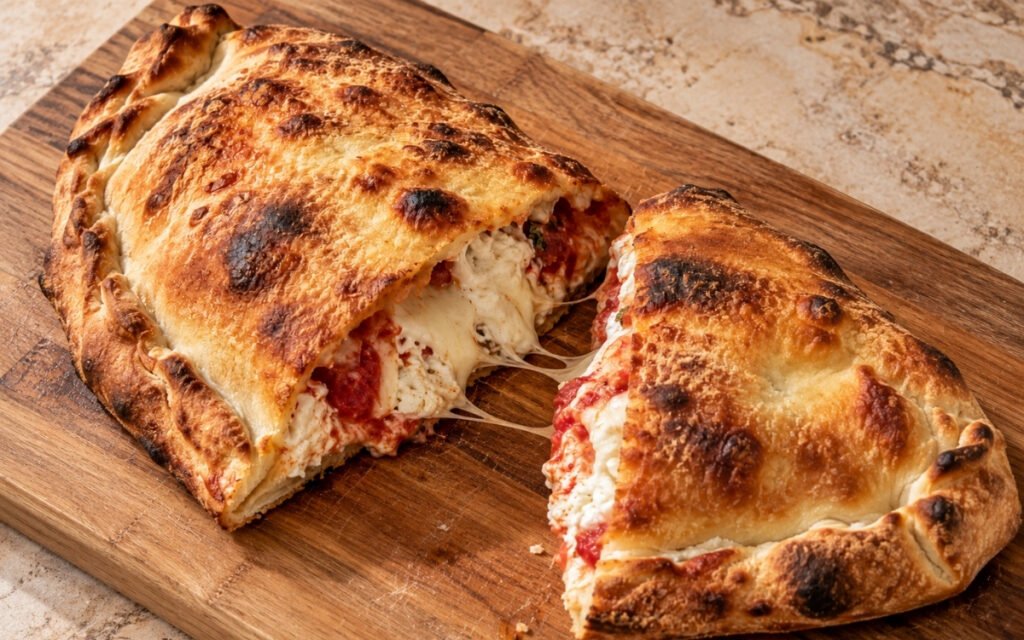
Calzone with Ricotta and Mozzarella
Golden baked calzones filled with creamy ricotta, melted mozzarella, Parmesan, a little thick tomato sauce, black pepper, and basil.
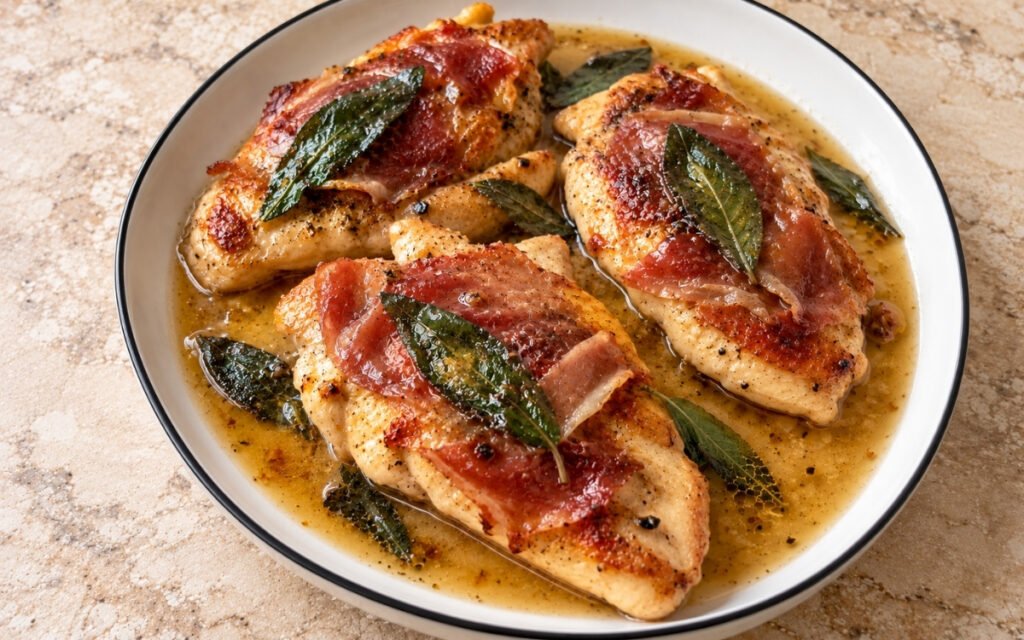
Chicken Saltimbocca
Thin seared chicken cutlets topped with prosciutto and sage, finished in a glossy buttery white wine pan sauce.
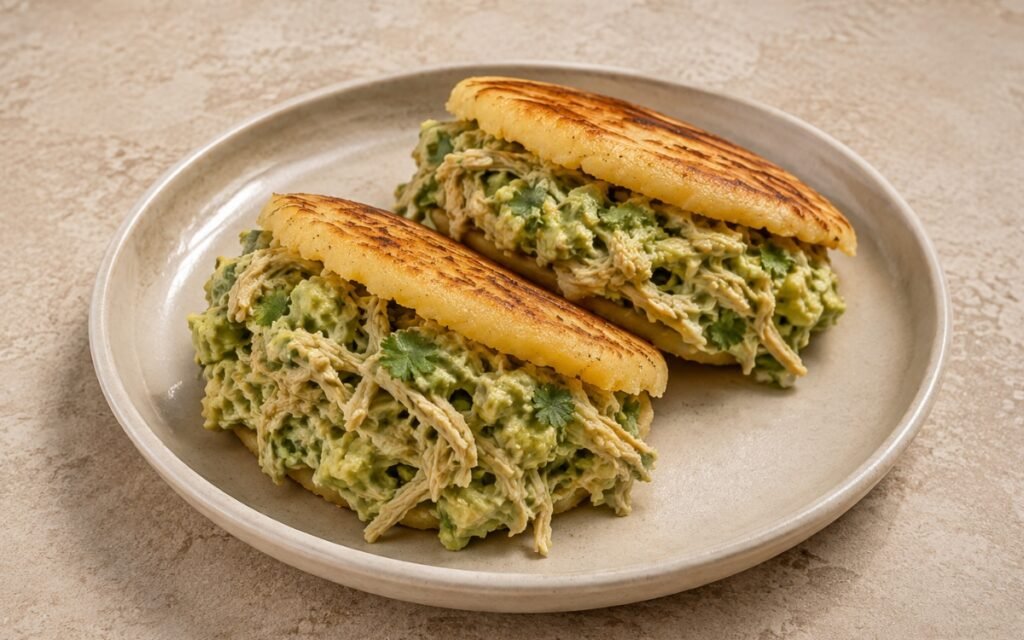
Arepas Reina Pepiada
Crisp, golden masarepa arepas split open and generously stuffed with a creamy shredded chicken and avocado filling.
Easy Authentic Carbonara Pasta
Ingredients
Method
- Place the guanciale lardons in a large skillet — stainless steel or carbon steel is preferred over non-stick, which does not build the flavoured fond that will coat the pasta. Start with the pan cold — this is deliberate and important. Placing the guanciale in a cold pan and bringing the heat up together allows the fat to render gradually from the inside of each piece, producing lardons that are completely rendered, crispy and golden at the edges, but still slightly tender at the centre rather than uniformly hard. A hot pan added immediately produces surfaces that brown before the internal fat can render, leaving chewy, dense lardons surrounded by insufficient rendered fat. Cook over medium heat for 8–10 minutes, stirring occasionally, until the guanciale has rendered most of its fat — the pan should hold approximately 3–4 tablespoons of rendered fat — and the pieces are golden and crispy at the edges. Turn the heat completely off but leave the skillet on the burner to retain its warmth. Do not drain the rendered fat — every drop of this sweet, delicate pork fat is part of the sauce and removing it reduces both the flavour and the emulsifying capacity of the finished carbonara.
- Bring 4 litres of water to a full rolling boil in a large pot. Add the 40g of fine sea salt — the water should taste assertively salty, similar to well-seasoned broth. The quantity seems large but the saltiness of well-seasoned pasta water is the seasoning of the finished dish — carbonara’s sauce contains Pecorino Romano (already very salty) and guanciale (also salty), which means the pasta water’s salt is the only additional seasoning applied to the pasta itself, and it must be present throughout every strand from the inside out. Add the pasta and cook, stirring occasionally to prevent sticking, until exactly 1 minute shy of al dente per the package directions. The pasta will finish cooking in the residual heat of the skillet during the sauce-making step — pulling it 1 minute early accounts for this carry-over cooking and prevents the final pasta from being over-cooked and soft.
- While the pasta cooks, prepare the sauce in a medium bowl. Combine the 4 egg yolks, 2 whole eggs, 120g of finely grated Pecorino Romano, and 2g of freshly cracked black pepper. Whisk together thoroughly until completely smooth — no streaks of unincorporated egg white should be visible, no dry cheese clumps should remain. The mixture should be thick, uniform, and slightly custard-like in consistency. Pecorino Romano rather than Parmesan is the Roman tradition and produces a sharper, saltier, more assertive flavour — its specific flavour profile is an integral part of authentic carbonara’s identity. The egg yolk-to-whole egg ratio of 4 yolks to 2 whole eggs is calibrated for maximum richness and creaminess — the yolks provide the fat and lecithin that produce the silky sauce texture, while the whole eggs provide additional liquid and protein for the correct consistency. Grating the Pecorino on the finest setting available is important — coarse pieces do not melt into the sauce smoothly and produce a slightly grainy result rather than the completely smooth, silky consistency the recipe is designed to achieve.
- When the pasta reaches 1 minute shy of al dente, reserve at least 300ml of the cooking water in a heatproof measuring cup before draining. This pasta water is the most critical ingredient in the sauce after the eggs and cheese — its high starch content is the emulsifying agent that allows the egg yolks, cheese fat, and rendered guanciale fat to combine into a stable, cohesive sauce rather than separating as the components would without it. The starch concentration in pasta water is at its highest at the end of cooking — always reserve late rather than early. Drain the pasta but do not rinse it — rinsing removes the surface starch that also contributes to sauce adhesion and emulsification.
- Transfer the hot, drained pasta immediately to the skillet with the rendered guanciale — the heat must have been off for at least 60 seconds at this point, but the pan should still be warm from the rendering. Toss vigorously with tongs for 30 seconds to coat every strand or piece of pasta in the rendered guanciale fat. This fat-coating step is not simply mixing — it is physically coating every surface of the pasta with the fat that will act as the interface between the pasta and the incoming egg-cheese sauce, helping the sauce adhere uniformly throughout. After tossing, allow the skillet to rest for exactly 45 seconds. This cooling window is the most precise timing requirement in the recipe. If the pan is too hot when the egg mixture is added, the egg proteins will cook immediately on contact and produce scrambled eggs throughout the pasta — irreversible. If it is too cool, insufficient heat reaches the egg mixture to initiate the emulsification. The 45-second rest after the pasta is added brings the skillet to the correct temperature window — warm enough to gently warm and thicken the eggs without cooking them.
- Add 100ml of the reserved pasta water to the skillet — the water contact with the warm pan creates immediate steam that helps initiate the sauce environment. Pour the egg-cheese mixture over the pasta immediately after the water. Begin tossing constantly and continuously — lift the pasta from the bottom of the skillet and fold it over the top, repeating in a continuous circular motion with tongs or two wooden spoons. Do not stop tossing. The continuous motion distributes the egg mixture around every strand, keeps the contact points between the eggs and the warm pan constantly changing so no single spot becomes hot enough to scramble, and mechanically encourages the emulsification of the egg fat, cheese fat, pasta starch, and water into a unified sauce. Continue tossing for 1–2 minutes, adding reserved pasta water in 30ml increments as needed. The sauce will transform visibly during this period — from a liquid egg mixture pooling at the bottom of the pan to a progressively thicker, creamier coating that clings to the pasta and does not pool when the pan is tilted. The correct finished consistency is what Italian cooks describe as flowing like lava — coating the pasta like liquid silk, moving slowly when the pan is tilted but not running freely, and clinging back to the pasta immediately rather than pooling at the bottom.
- Taste before serving — the Pecorino and guanciale provide significant salt but the correct balance needs confirmation. Add additional freshly cracked black pepper to taste — black pepper in carbonara is not simply a condiment but a flavour element, and a generous final crack over each portion is correct and traditional. Divide among four warm bowls immediately — carbonara sauce continues to tighten as it cools and the dish is at its peak in the first 2–3 minutes after leaving the pan. Create a small nest with each portion by twirling the pasta with tongs for a cleaner presentation. Finish each bowl with a generous amount of additional finely grated Pecorino Romano and a confident crack of black pepper. Serve with no delay.