
Mexican Nopales Salad
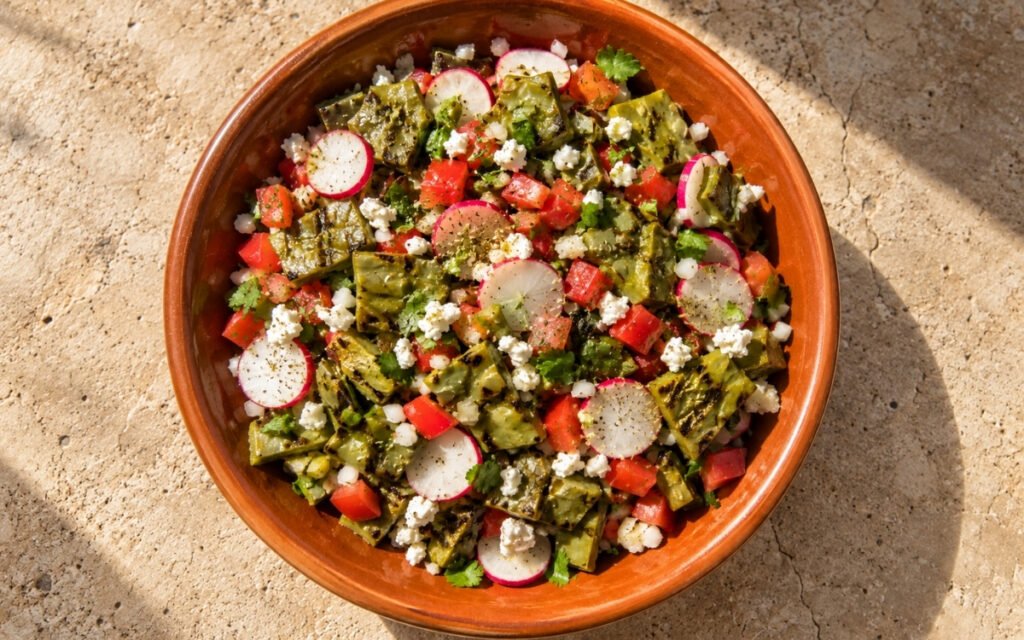
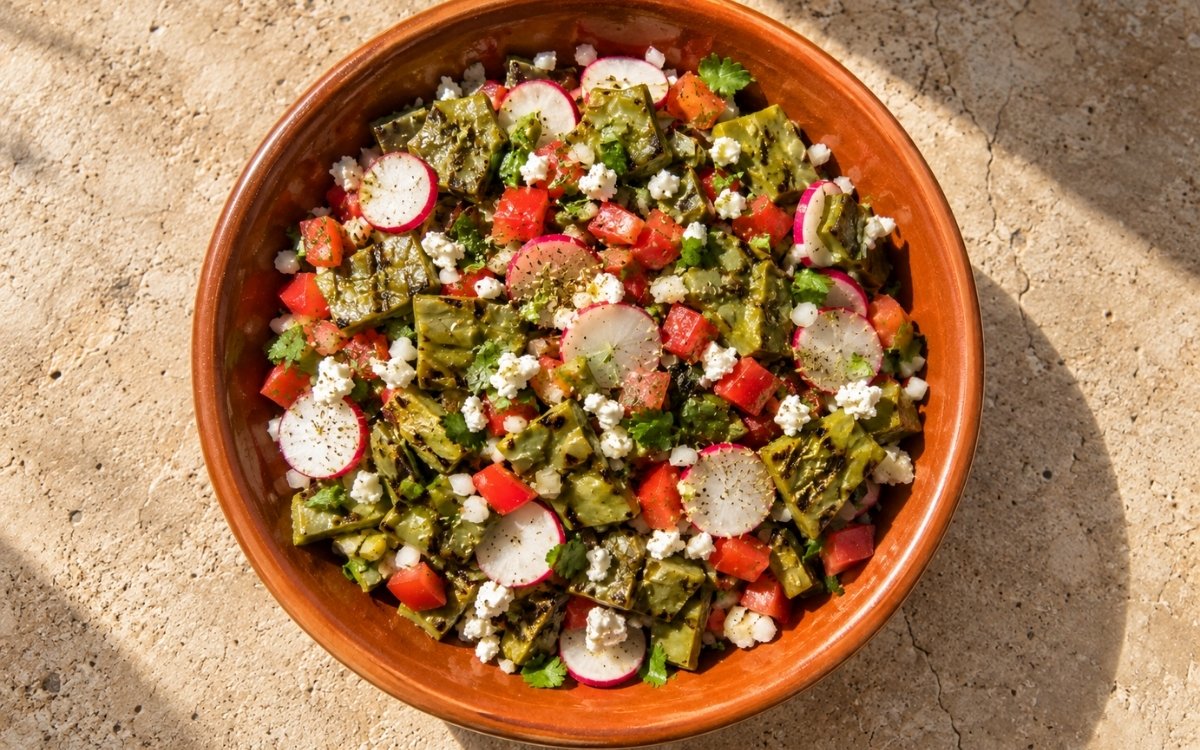
A fresh, classical-style ensalada de nopales with lightly charred grilled cactus paddles, diced tomato, white onion, cilantro, radish, queso fresco, lime, and oregano, bright, savory, slightly tangy, and best when the nopales stay tender but still structured. Grilling the nopales whole before ever dicing them is the technique this whole salad depends on for real, clean char and the best texture — dicing them first would give considerably less surface for direct grill contact and a messier result, the same grill-whole-then-dice principle used elsewhere in this collection whenever a vegetable’s own final texture and char depend on real, sustained contact with the hot grill before it’s ever cut into smaller pieces. Removing every last spine point fully is what protects the finished salad from any genuinely unpleasant surprises. Letting the assembled salad sit briefly before serving is what allows the flavours to actually meld together. The payoff is a salad with real, classic Mexican character — tender, lightly charred nopales against juicy tomato, crisp radish, and crumbly queso fresco, all brightened by a lime-oregano dressing.
Prep Time : 20 min
Cook Time : 10–12 min
Servings : 4
20 min
10–12 min
4
Ingredients
For the Salad
• 600g cleaned nopales (about 4 medium cactus paddles)
• 250g ripe tomatoes, diced small (Roma/plum tomatoes work best)
• 90–100g white onion, very finely chopped
• 6–8 radishes, thinly sliced
• 20–25g fresh cilantro, roughly chopped
• 100–120g queso fresco, crumbled — this one on Amazon
For the Dressing
• 45ml lime juice (about 3 tbsp)
• 30ml olive oil (2 tbsp) — this one on Amazon
• 1 tsp dried Mexican oregano, crushed between your fingers — this one on Amazon
• ½–¾ tsp fine salt, or to taste
• ¼ tsp black pepper
Optional, But Very Good
• 1 small serrano or jalapeño, very finely chopped
• Extra lime wedges for serving
This post may contain affiliate links. As an Amazon Associate I earn from qualifying purchases, at no additional cost to you.
Directions
- Clean the Nopales
If the nopales are not already cleaned, trim the edges and scrape off all spines and raised nodes with a small knife or vegetable peeler. Rinse well and pat dry. Leave the paddles whole for grilling. Make sure all spine points are removed fully. Even tiny ones are unpleasant in the finished salad. That thorough, careful removal at this stage is the only genuine safeguard against a truly unpleasant surprise later — no amount of careful assembly downstream can correct for a spine missed during this early cleaning. - Grill the Nopales
Heat a grill, grill pan, or heavy skillet over medium-high to high heat. Lightly brush the nopales with a little oil. Grill for about 4–6 minutes per side, until they soften, their color deepens, they get light char marks, and most of the slime cooks off. Transfer to a plate and let cool until just warm or room temperature. Once cooled, dice into small bite-size pieces, about 1–1.5cm. Grill them whole first, then dice — this gives the cleanest char and the best texture, matching the style of the reference. Do not overcook until mushy. The nopales should stay tender with a slight bite. Some slipperiness is normal, but it should no longer feel slimy. That whole-paddle grilling gives each piece genuine, sustained contact with the hot grill surface before it’s ever diced — cutting the nopales into small pieces first would spread that same total surface area across more, smaller pieces, giving each one considerably less real char. - Prepare the Vegetables
While the nopales cool, dice the tomatoes, finely chop the onion, thinly slice the radishes, chop the cilantro, and crumble the queso fresco. If the onion is very sharp, soak it in cold water for 5–10 minutes, then drain well before using. Seeding very juicy tomatoes helps prevent the salad from becoming watery. That optional cold-water soak genuinely mellows the onion’s sharpest, most sulfurous notes, letting it sit comfortably alongside the salad’s more delicate components rather than overwhelming them. - Make the Dressing
In a small bowl, whisk together the lime juice, olive oil, dried oregano, salt, black pepper, and chopped serrano/jalapeño if using. Taste and adjust. It should be bright and limey, lightly salty, and clearly seasoned. Crushing the dried oregano between your fingers before adding it, rather than adding it whole, is what actually releases its own concentrated aroma directly into the dressing, letting it distribute far more evenly than whole, unbroken leaves would. - Assemble the Salad
In a large bowl, combine the diced grilled nopales, tomatoes, onion, most of the cilantro, and most of the radish slices. Pour over the dressing and toss gently until everything is evenly coated. Let the salad sit for 10 minutes so the flavors meld. Fold in or top with the queso fresco, remaining cilantro, and remaining radish slices. That brief resting period gives the dressing genuine time to actually work through every component, letting the salad’s own flavours meld together rather than simply sitting as separately coated pieces.
*Notes :
- Grilling the nopales whole before they’re ever diced deserves genuine recognition as the technique most directly responsible for this salad’s real, clean char and best texture. The recipe’s own explicit note that this method “gives the cleanest char and the best texture” reflects a real, deliberate choice — each whole paddle gets genuine, sustained contact with the hot grill surface that smaller, pre-diced pieces simply couldn’t achieve to the same degree.
- Removing every spine point thoroughly during the initial cleaning stage deserves genuine respect as the single most important safeguard in this entire recipe. The recipe’s own explicit warning that “even tiny ones are unpleasant in the finished salad” reflects a real, practical concern — no amount of careful cooking or assembly downstream can correct for a spine missed at this early stage.
- Cooking the nopales specifically until most of their own slime has cooked off, while still watching carefully to avoid mushiness, deserves attention as a real, deliberate doneness target. The recipe’s own explicit distinction — “some slipperiness is normal, but it should no longer feel slimy” — reflects genuine understanding of what this particular vegetable’s own real, checkable readiness cue actually looks and feels like.
- Letting the assembled salad rest for a genuine 10 minutes before it’s finished with queso fresco and the remaining garnishes deserves attention as a real, functional step rather than simple patience. That window gives the dressing genuine time to actually work through every component, letting the salad’s own flavours meld together properly.
Why This Recipe Works
This recipe works because every spine is removed thoroughly during cleaning, protecting the finished salad from any unpleasant surprise. The nopales are grilled whole first, giving each piece genuine, sustained contact with the hot grill before dicing, and cooked specifically until most of their slime has cooked off without turning mushy.
The dressing is built with real, crushed oregano for genuine aroma, and the assembled salad rests briefly, letting the flavours actually meld together. Finishing with queso fresco and reserved garnishes only at the end delivers the dish at its freshest and most visually appealing.
Ingredient Breakdown
Thoroughly Spine-Cleaned Nopales
The critical safeguard — the single most important preparation step, protecting against any unpleasant surprise later.
Whole-Grilled, Then Diced Nopales
The critical technique — real, sustained grill contact before cutting produces the cleanest char and best texture.
Specific Doneness Target (No Longer Slimy, Not Mushy)
The critical technique — a genuine, checkable cue confirming the nopales are properly cooked through.
Crushed Dried Oregano
The critical technique — releases real aroma directly into the dressing rather than staying locked in whole, unbroken leaves.
Optional Soaked Onion
The critical technique — mellows raw sharpness, letting it sit comfortably alongside the salad’s more delicate components.
Post-Toss Resting Period (10 Minutes)
The critical technique — lets the dressing genuinely work through every component before final garnishing.
Flavor Structure Explained
This Mexican nopales salad follows a layered balance model:
- Tender, lightly charred foundation (whole-grilled, diced nopales)
- Fresh, juicy contrast (diced tomato)
- Sharp aromatic depth (finely chopped white onion, optional chili)
- Crisp finishing crunch (sliced radish)
- Bright, tangy dressing (lime juice, olive oil, oregano)
- Rich, crumbly finish (queso fresco)
Whole-grilled, diced nopales provide this salad’s tender, genuinely lightly charred foundation, their texture protected through careful, deliberate grilling and dicing order. Diced tomato adds fresh, juicy contrast throughout. Finely chopped white onion and optional chili contribute sharp, aromatic depth. Sliced radish layers in crisp, finishing crunch. A bright, tangy lime juice and oregano dressing ties everything together with classic Mexican character, and crumbled queso fresco finishes the salad with rich, crumbly contrast that ties every component of this fresh, savoury dish together.
Common Mistakes to Avoid
- Leaving Any Spines on the Nopales – This produces a genuinely unpleasant, prickly bite in the finished salad. Always remove every spine point thoroughly during cleaning.
- Dicing the Nopales Before Grilling – This gives less real surface contact with the grill and a messier char. Always grill the paddles whole first, then dice.
- Overcooking the Nopales Until Mushy – This loses the tender-but-structured bite this salad depends on. Always pull them once the slime cooks off but before they turn mushy.
- Using Whole, Uncrushed Dried Oregano – This leaves its aroma largely locked away rather than released into the dressing. Always crush it between your fingers first.
- Serving the Salad Immediately Without Resting – This misses the chance for the flavours to genuinely meld together. Always let it sit for 10 minutes before finishing with garnishes.
Variations
Avocado-Added Version
Add diced avocado to the finished salad, per the recipe’s own optional note, though a more classical version stays closer to the simpler core mix.
Extra-Spicy Version
Include the optional finely chopped serrano or jalapeño in the dressing, per the recipe’s own guidance, for a sharper, more assertive heat throughout.
Make-Ahead Version
Grill the nopales ahead of time, per the recipe’s own suggestion, but assemble the full salad only shortly before serving for the freshest possible texture.
Extra-Radish Version
Increase the sliced radish for a more pronounced, crisp, peppery crunch running throughout the finished salad.
Storage & Make-Ahead
The most classical texture for this dish combines tender nopales with light char, crisp radish, fresh tomato, and crumbly queso fresco, so give each component its own real attention during preparation rather than rushing any single stage.
This salad is genuinely best served at room temperature or slightly cool, never refrigerator-cold, since chilling would dull both the nopales’ own flavour and the dressing’s own bright character.
If the finished salad gets watery, especially when the tomatoes were very juicy, drain off any excess liquid before serving, since that pooled moisture would otherwise dilute the dressing and soften the salad’s overall texture.
The traditional flavour profile here centers on lime, oregano, onion, cilantro, and queso fresco as the key notes, so while avocado or extra chile can be added, a simpler mix stays closest to the classical version.
This dish pairs especially well with grilled meats, tacos, tostadas, or as part of a larger Mexican spread, and the nopales can genuinely be grilled ahead of time, though the full salad should be assembled shortly before serving for the freshest texture.
Frequently Asked Questions
Why is it so important to remove every spine point from the nopales?
Even tiny, overlooked spines are genuinely unpleasant once they end up in the finished salad. This thorough cleaning stage is the single safeguard nothing later in the recipe can correct for.
Why are the nopales grilled whole rather than diced first?
Grilling each whole paddle gives it genuine, sustained contact with the hot grill surface, producing the cleanest char and best texture. Diced pieces would spread that same surface area across smaller, less deeply charred fragments.
Why does the recipe specify that the nopales shouldn’t feel slimy but also shouldn’t turn mushy?
That specific, checkable doneness target confirms the nopales have cooked through properly — losing their raw sliminess — while still staying tender with a genuine, pleasant bite rather than collapsing into mush.
Why does the assembled salad need to rest for 10 minutes before it’s finished with the remaining garnishes?
Yes. Prepare the citrus base ahead, keep it chilled, and add soda directly into glasses or just before serving to preserve carbonation.
Are there other classic Mexican salad, street corn, or fresh dip dishes worth trying?
Mexican Chicken Taco Salad offers another classic Mexican salad direction worth exploring. Mexican Grilled Corn Salad, Elote en Vaso, and Mexican Street Corn (Elotes) are also worth trying for other classic Mexican corn dishes, and Classic Guacamole pairs naturally alongside this salad.
Nutrition Facts
( per serving )
Calories
~220 kcal
Protein
9 g
Fat
14 g
Carbs
16 g
Calories
~220 kcal
Protein
9 g
Fat
14 g
Carbs
16 g
Related Recipes
Related Recipes

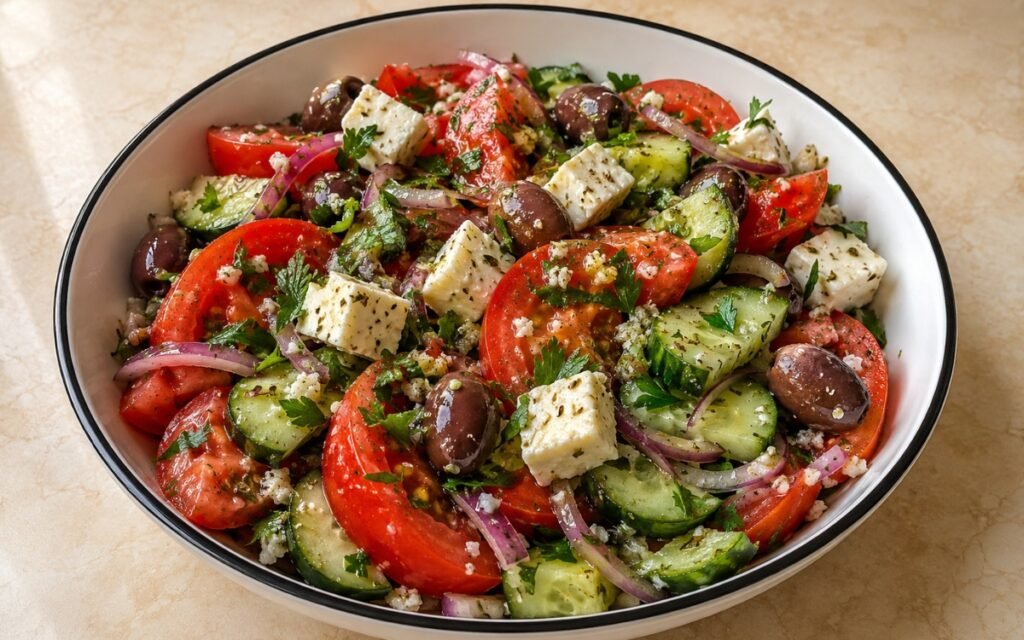
Greek Tomato Cucumber Salad
Fresh tomatoes and cucumbers with feta, olives, and lemon-oregano dressing in Mediterranean style.
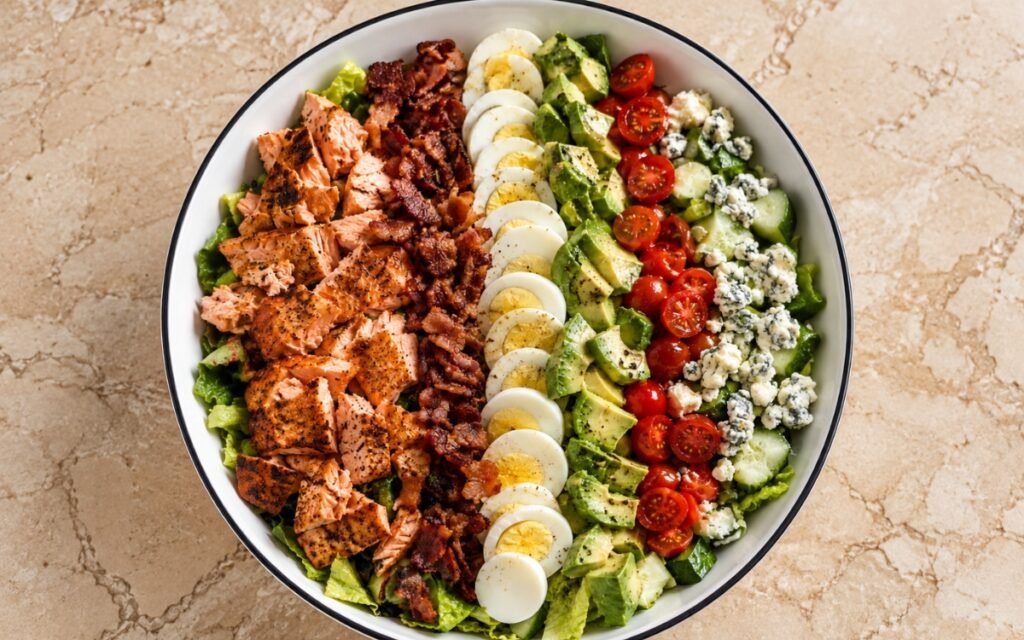
Salmon Cobb Salad
Chickpeas, cherry tomatoes, cucumber, red onion, parsley, and mint dressed with lemony olive oil, topped with warm grilled halloumi.
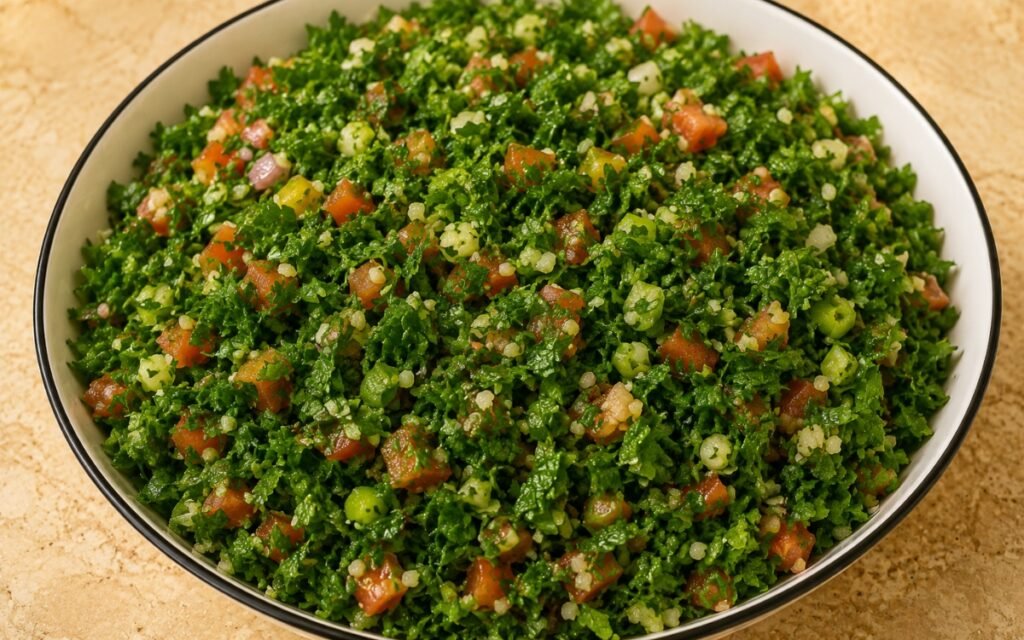
Classic Tabbouleh Salad
Authentic parsley-forward tabbouleh with bulgur, fresh mint, tomatoes, cucumber, and lemon dressing.
You might also like
You might also like
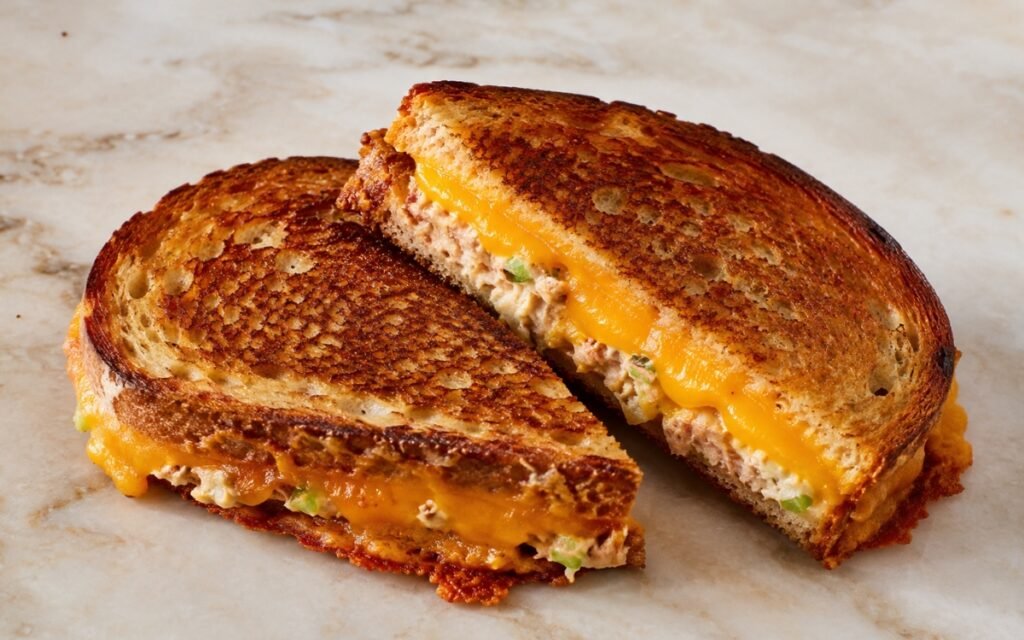
Tuna Melt
Creamy tuna salad and sharp melted cheddar griddled between buttery sourdough until deeply golden and crisp.
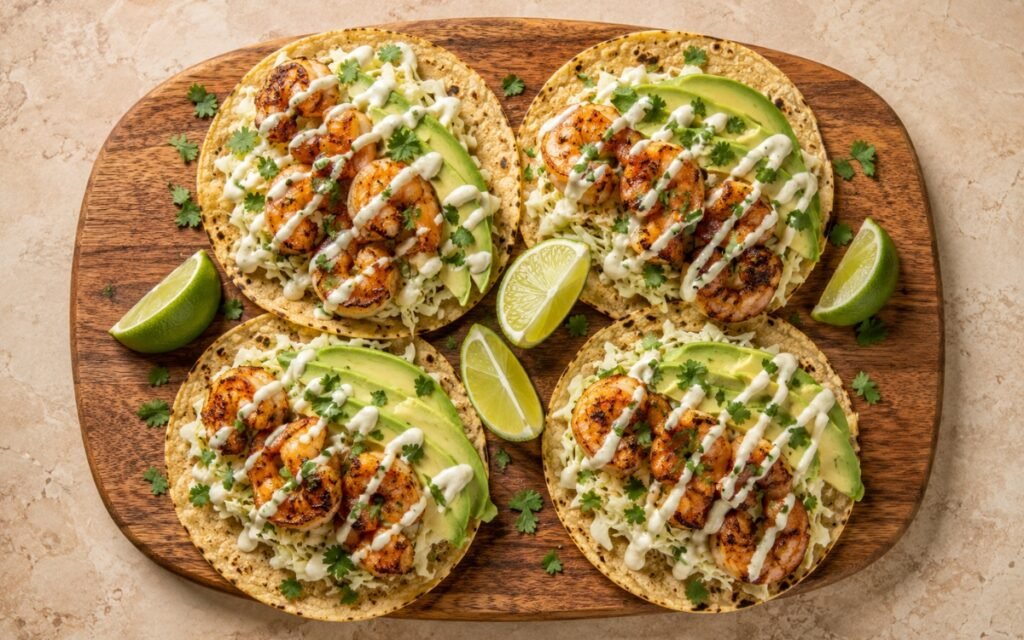
Shrimp Tacos with Lime Crema
Large shrimp dried, spiced, and seared hot and fast, piled onto small corn tortillas with crisp cabbage, fanned avocado, and a thick lime crema drizzle.
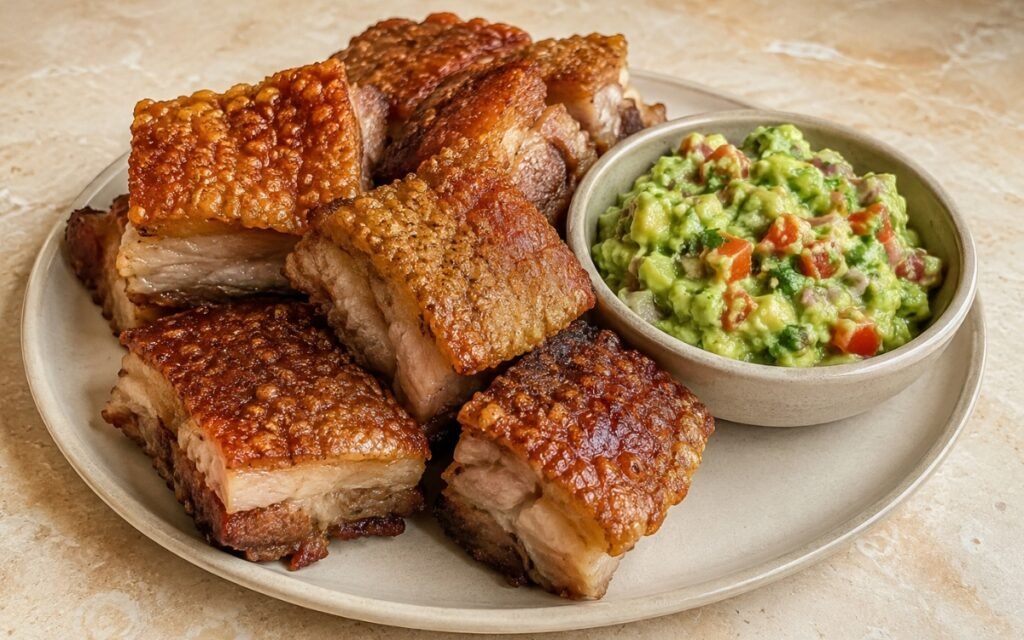
Crispy Pork Belly Chicharrón
Skin-on pork belly simmered, dried, and double-fried until the skin is blistered and crisp over rendered fat and tender meat, served with chunky guacamole.
Mexican Nopales Salad
Ingredients
Method
- If the nopales are not already cleaned, trim the edges and scrape off all spines and raised nodes with a small knife or vegetable peeler. Rinse well and pat dry. Leave the paddles whole for grilling. Make sure all spine points are removed fully. Even tiny ones are unpleasant in the finished salad. That thorough, careful removal at this stage is the only genuine safeguard against a truly unpleasant surprise later — no amount of careful assembly downstream can correct for a spine missed during this early cleaning.
- Heat a grill, grill pan, or heavy skillet over medium-high to high heat. Lightly brush the nopales with a little oil. Grill for about 4–6 minutes per side, until they soften, their color deepens, they get light char marks, and most of the slime cooks off. Transfer to a plate and let cool until just warm or room temperature. Once cooled, dice into small bite-size pieces, about 1–1.5cm. Grill them whole first, then dice — this gives the cleanest char and the best texture, matching the style of the reference. Do not overcook until mushy. The nopales should stay tender with a slight bite. Some slipperiness is normal, but it should no longer feel slimy. That whole-paddle grilling gives each piece genuine, sustained contact with the hot grill surface before it’s ever diced — cutting the nopales into small pieces first would spread that same total surface area across more, smaller pieces, giving each one considerably less real char.
- While the nopales cool, dice the tomatoes, finely chop the onion, thinly slice the radishes, chop the cilantro, and crumble the queso fresco. If the onion is very sharp, soak it in cold water for 5–10 minutes, then drain well before using. Seeding very juicy tomatoes helps prevent the salad from becoming watery. That optional cold-water soak genuinely mellows the onion’s sharpest, most sulfurous notes, letting it sit comfortably alongside the salad’s more delicate components rather than overwhelming them.
- In a small bowl, whisk together the lime juice, olive oil, dried oregano, salt, black pepper, and chopped serrano/jalapeño if using. Taste and adjust. It should be bright and limey, lightly salty, and clearly seasoned. Crushing the dried oregano between your fingers before adding it, rather than adding it whole, is what actually releases its own concentrated aroma directly into the dressing, letting it distribute far more evenly than whole, unbroken leaves would.
- In a large bowl, combine the diced grilled nopales, tomatoes, onion, most of the cilantro, and most of the radish slices. Pour over the dressing and toss gently until everything is evenly coated. Let the salad sit for 10 minutes so the flavors meld. Fold in or top with the queso fresco, remaining cilantro, and remaining radish slices. That brief resting period gives the dressing genuine time to actually work through every component, letting the salad’s own flavours meld together rather than simply sitting as separately coated pieces.