
Cantaloupe Lemonade
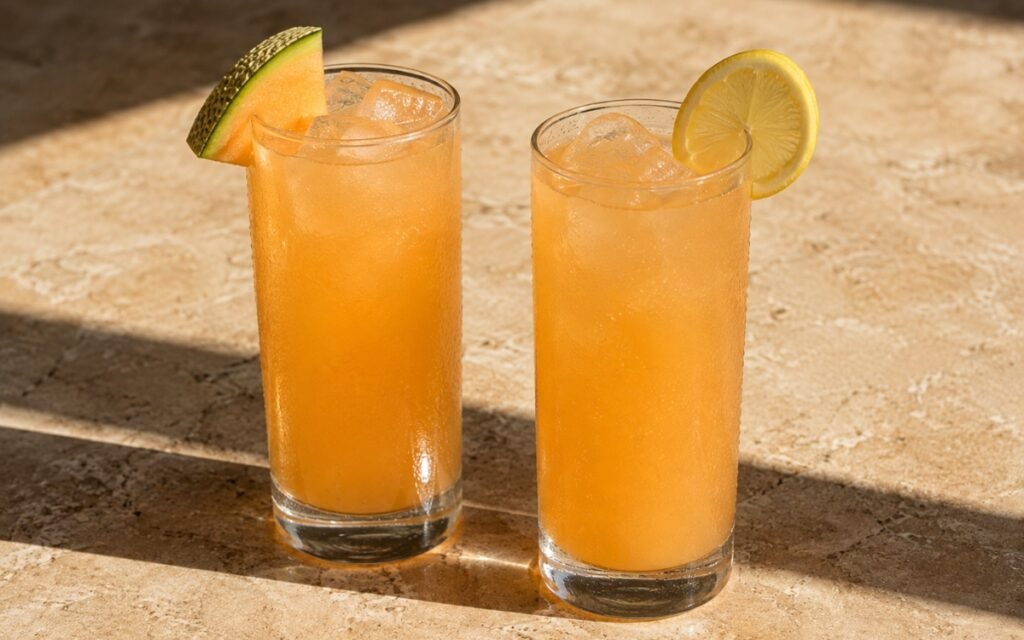
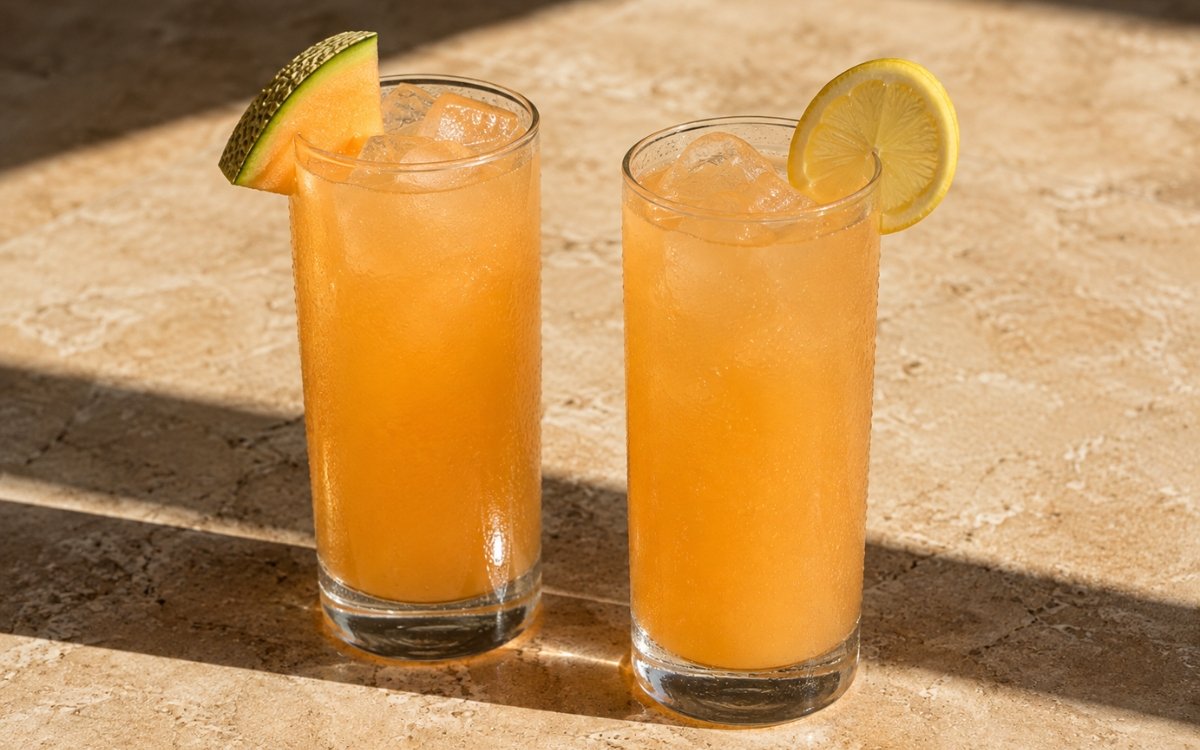
A soft orange cantaloupe lemonade made with fresh melon, fresh lemon juice, and cold-extracted lemon zest sugar. The drink stays smooth, bright, and melon-forward without boiling the lemon or flattening the fresh cantaloupe flavor. Taking only the yellow lemon zest, carefully avoiding any white pith, is the technique this whole lemonade depends on for its clean flavour — that pith carries real bitterness that would compete directly with cantaloupe’s own delicate sweetness, the same zest-only-no-pith principle used elsewhere in this collection whenever citrus aroma needs extracting cleanly rather than bitterly. Doing that extraction cold, rubbing the zest directly into sugar rather than cooking a syrup, is what preserves both the lemon oils’ brighter character and the melon’s own fresh, uncooked flavour. Starting from genuinely ripe, fragrant cantaloupe is what gives this drink real depth — bland melon has nowhere to hide once blended and diluted. The payoff is a lemonade that’s genuinely soft orange, smooth, and melon-forward — bright citrus meeting cantaloupe’s own naturally sweet, fragrant character.
Prep Time : 25 min
Chill Time Time : 30 min
Servings : 8
25 min
30 min
8
Ingredients
For the Cold Lemon Extraction
• Zest of 4 large lemons, yellow part only, no white pith
• 180g granulated sugar — this one on Amazon
For the Lemonade
• 300ml fresh lemon juice, from about 5–6 lemons
• 900g ripe cantaloupe flesh, cubed
• 1L very cold water
• 1 small pinch fine sea salt, optional but recommended
For Serving
• Ice cubes
• Small cantaloupe wedges or thin lemon wheels, for garnish
This post may contain affiliate links. As an Amazon Associate I earn from qualifying purchases, at no additional cost to you.
Directions
- Make the Cold Lemon Sugar
Zest the lemons carefully, taking only the yellow outer peel. Avoid the white pith completely because it will make the lemonade bitter. Place the zest in a bowl with the sugar. Rub together with your fingertips for 2–3 minutes until the sugar feels damp, fragrant, and lightly yellow. Let sit for 20–30 minutes so the sugar pulls the lemon oils from the peel. Rubbing rather than simply mixing the zest into the sugar is what actually ruptures the peel’s tiny oil glands, mechanically releasing those aromatic oils directly into the sugar without needing any heat. - Juice the Lemons
Juice enough lemons to get 300ml fresh lemon juice. Strain out the seeds. Pour the lemon juice over the lemon sugar and stir until the sugar is mostly dissolved. Let sit for 2–3 minutes, then stir again. Strain out the zest, pressing firmly to extract all the fragrant syrup. The lemon juice’s own acidity helps dissolve the sugar while carrying the already-released lemon oils fully into the base, and pressing the spent zest firmly before discarding it captures as much of that flavourful syrup as possible. - Blend the Cantaloupe
Add the cubed cantaloupe to a blender with 300ml of the cold water. Blend until completely smooth. For the smoothest drink, strain through a fine-mesh sieve, pressing gently. If your cantaloupe is very soft and smooth, you can skip straining for a slightly fuller texture. Blending with a portion of the cold water already included, rather than blending the melon alone, gives the blender enough liquid to move freely while also beginning the dilution process at the same stage. - Build the Lemonade
In a large pitcher, combine the lemon syrup, the cantaloupe purée, the remaining 700ml cold water, and the pinch of salt, if using. Stir very well until evenly combined. The lemonade should be soft orange, smooth, lightly opaque, and clearly melon-forward. Thorough stirring at this stage is what fully integrates the bright, sharp lemon syrup into the cantaloupe’s own naturally sweet, softer body, producing one cohesive drink rather than two components that merely share a pitcher. - Chill
Refrigerate for at least 30 minutes before serving so the flavor settles and the drink becomes fully cold. That resting period lets the lemon and cantaloupe components fully meld together, producing a more unified flavour than serving the drink immediately after mixing. - Serve
Fill glasses with ice. Pour in the chilled cantaloupe lemonade and garnish with a small cantaloupe wedge or thin lemon wheel. Serve immediately. Serving right after chilling, rather than letting the pitcher sit out, keeps the drink at its coldest and most refreshing right when it’s poured.
*Notes :
- The strict avoidance of white pith throughout zesting deserves the same careful attention it receives across every citrus-forward drink in this collection, and it matters especially here given cantaloupe’s own delicate, easily-overwhelmed sweetness. Lemon pith carries a real, distinct bitterness entirely separate from the fruit’s natural tartness — even a small amount worked accidentally into the zest can introduce a flavour that competes directly with the melon’s naturally gentle character.
- Choosing cold extraction over a boiled syrup protects the lemon zest’s volatile aromatic oils from the alteration heat would cause, and this same principle carries directly into how the cantaloupe itself is handled — blended raw rather than cooked. Both citrus and melon carry delicate, volatile flavour compounds that heat genuinely diminishes, which is exactly why this recipe avoids cooking either component at any stage.
- Starting from genuinely ripe, fragrant cantaloupe deserves to be understood as the single ingredient decision most responsible for this drink’s actual flavour depth, exactly as the recipe’s own notes state directly. Once the melon is blended and diluted with water and lemon syrup, any lack of natural sweetness or aroma in a bland or underripe fruit has nowhere left to hide — there’s no later step in the recipe that can compensate for melon that wasn’t flavourful to begin with.
- The optional straining step deserves recognition as a genuine choice between two valid textures rather than a step with only one correct answer. Straining produces a smoother, more café-style drink; skipping it, particularly with a very soft, ripe melon, produces a slightly fuller, more rustic texture. Neither is wrong — the recipe’s own guidance simply depends on both the desired final texture and how naturally smooth the blended melon already is.
Why This Recipe Works
This recipe works because the lemon zest is worked carefully to avoid any white pith, protecting a clean flavour that lets cantaloupe’s own delicate sweetness come through. Cold extraction preserves the lemon oils’ brighter character, and the cantaloupe itself is blended raw rather than cooked, protecting its own volatile, fresh flavour compounds the same way.
Starting from genuinely ripe, fragrant melon is what gives the drink real depth, since nothing later in the process can compensate for bland fruit. Thorough stirring integrates the lemon syrup fully into the cantaloupe’s body, and a proper chilling period brings every component together into one cohesive, refreshing drink.
Ingredient Breakdown
Yellow Lemon Zest (No Pith)
The aromatic foundation — carefully separated from the bitter white pith, letting cantaloupe’s delicate sweetness come through.
Cold-Extracted Zest-Sugar Base
The critical technique — rubbing releases lemon oils without the heat that would alter their fresher character.
Genuinely Ripe, Fragrant Cantaloupe
he critical ingredient choice — bland or underripe melon has nowhere to hide once blended and diluted.
Fresh Lemon Juice
Orange juice adds natural sweetness, fruit body, and volume. It balances verjus sharpness and gives the drink a recognizable sangria flavor profile. Freshly squeezed juice provides cleaner aromatics and better integration than packaged juice.
Raw-Blended Cantaloupe (Not Cooked)
The signature freshness component — preserves the melon’s own volatile flavour compounds the same way cold lemon extraction protects citrus oils.
Flavor Structure Explained
This cantaloupe lemonade follows a layered balance model:
- Bright citrus foundation (cold-extracted lemon zest and juice)
- Sweet balancing base (granulated sugar)
- Soft fruity depth (blended ripe cantaloupe)
- Cool refreshing structure (cold water, ice)
- Subtle sharpening note (optional pinch of salt)
Cold-extracted lemon zest and fresh lemon juice provide this drink’s bright, clean citrus foundation. Sugar, infused directly with those lemon oils, balances that tartness. Blended, genuinely ripe cantaloupe contributes soft, naturally sweet fruity depth and the drink’s signature soft orange colour. Cold water and ice keep the whole lemonade properly refreshing. An optional pinch of salt subtly sharpens the overall fruit flavour without making the drink taste salty.
Common Mistakes to Avoid
- Zesting Too Deep Into the White Pith – This introduces noticeable bitterness that competes with the melon’s delicate character. Always take only the thin, fragrant yellow layer.
- Boiling a Syrup Instead of Cold-Extracting the Zest – This can alter or diminish the lemon oils’ fresher character. Always rub the zest into sugar cold.
- Using Bland or Underripe Cantaloupe – This has nowhere to hide once blended and diluted. Always start with genuinely ripe, fragrant melon.
- Skipping the Strain After Pressing the Zest – This leaves flavour behind unnecessarily. Always press the spent zest firmly to extract all its syrup.
- Serving Without a Proper Chill – The lemon and cantaloupe flavours taste more separate without time to settle together. Always refrigerate at least 30 minutes before serving.
Variations
Extra-Smooth Version
Always strain the blended cantaloupe for a fully smooth, café-style texture.
Rustic Version
Skip straining the cantaloupe, especially if the melon is very soft, for a fuller, more textured drink.
Sweeter Version
Add 1–2 extra tablespoons of sugar if the lemonade tastes too tart, per the recipe’s own guidance.
Lighter Version
Add 100–200ml extra cold water if the lemonade feels too thick.
Storage & Make-Ahead
Best served the same day while the cantaloupe flavor is fresh. This recipe makes enough for 8 servings of roughly 250ml each.
The lemon syrup base can be made a few hours ahead and refrigerated separately before combining with the cantaloupe purée and water.
Frequently Asked Questions
Why is it so important to avoid the white pith when zesting the lemons?
Lemon pith carries real, distinct bitterness separate from the fruit’s natural tartness. Even a small amount worked into the zest can introduce a flavour that competes directly with cantaloupe’s naturally gentle, delicate sweetness.
Why is the lemon flavour extracted cold, into sugar, rather than through a boiled syrup?
Lemon zest’s aromatic oils are volatile and can be altered by heat, and the same principle applies to why the cantaloupe itself is blended raw rather than cooked. Both citrus and melon carry delicate flavour compounds that heat genuinely diminishes.
Why does the cantaloupe need to be genuinely ripe rather than just acceptable?
Once the melon is blended and diluted, any lack of natural sweetness or aroma in a bland or underripe fruit has nowhere left to hide. No later step in the recipe can compensate for melon that wasn’t flavourful to begin with.
Why does the recipe offer straining as optional rather than required?
Straining produces a smoother, more café-style drink, while skipping it, especially with very soft melon, produces a fuller, more rustic texture. Neither is wrong — it’s a genuine choice depending on the desired final texture.
Are there other melon or bright fruit-forward drinks worth trying?
Melon Mint Agua Fresca Mocktail offers a closely related melon direction worth exploring directly. Honeydew Lemonade and Watermelon Lemonade are also worth trying for other melon-forward lemonades, and Cucumber Melon Infused Water offers a lighter, more subtle melon direction worth exploring.
Nutrition Facts
( per serving )
Calories
~85 kcal
Protein
0 g
Fat
0 g
Carbs
21 g
Calories
~85 kcal
Protein
0 g
Fat
0 g
Carbs
21 g
Related Recipes
Related Recipes

Peach Ginger Lemonade
Cold-extracted lemon zest and juice combined with raw-blended peaches and a gently extracted ginger infusion for a bright golden-orange lemonade.
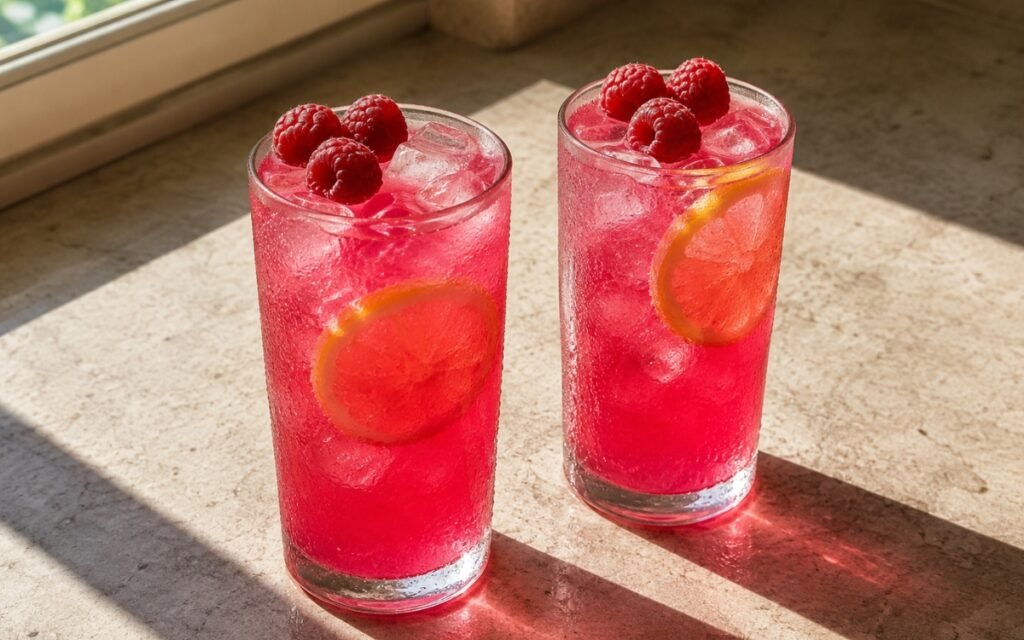
Raspberry Lemonade
Honey-raspberry syrup cooked with lemon zest off heat, fresh raspberries cold-strained for bright aromatic juice — combined with lemon, salt, cold water. Layered and vivid.
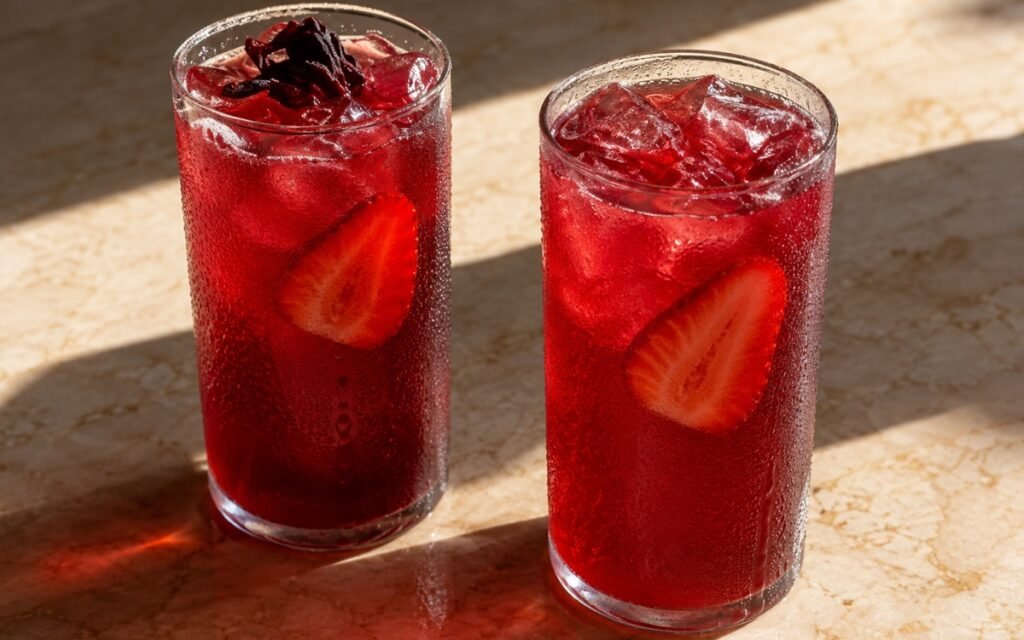
Hibiscus Strawberry Lemonade
Hibiscus tea steeped 5–7 minutes, strawberries blended with hibiscus tea — honey dissolved warm, lemon cold, rested 30 minutes. Vivid ruby, tart, and fruity.

You might also like
You might also like
Cherry Rosemary Black Iced Tea
Properly brewed black tea layered with a gently simmered cherry concentrate and an off-heat rosemary infusion for a deep, fruity iced tea.
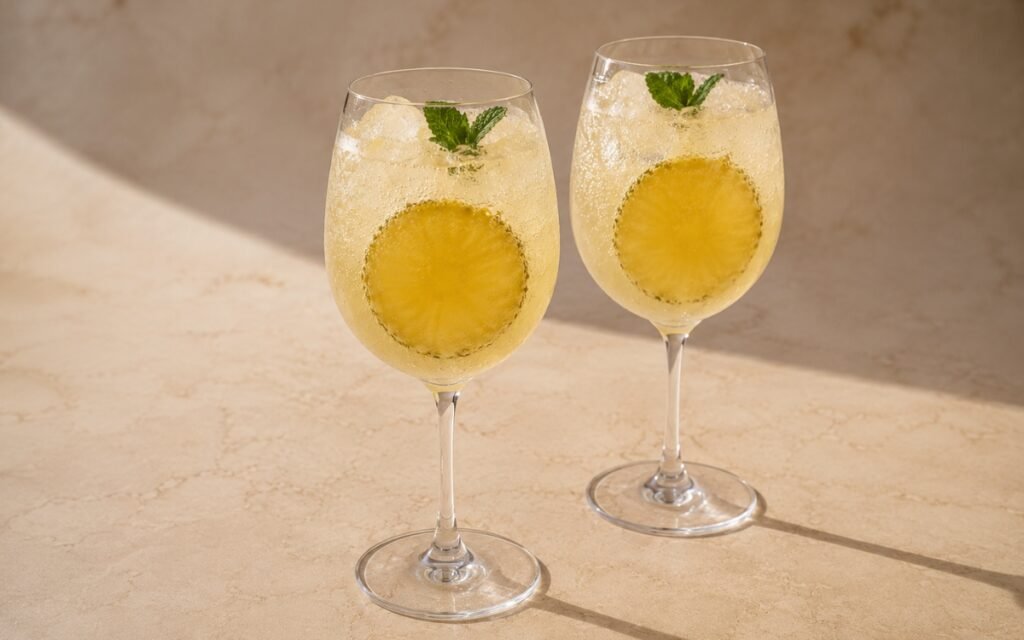
Pineapple Coconut Sparkling Mocktail
Pineapple juice and coconut water with cold-infused mint over club soda — light and tropical.
Iced Flat White
Double ristretto and cold whole milk over ice, finished with a whisper-thin microfoam sheen for a rich, caramel-coloured drink.


Cantaloupe Lemonade
Ingredients
Method
- Zest the lemons carefully, taking only the yellow outer peel. Avoid the white pith completely because it will make the lemonade bitter. Place the zest in a bowl with the sugar. Rub together with your fingertips for 2–3 minutes until the sugar feels damp, fragrant, and lightly yellow. Let sit for 20–30 minutes so the sugar pulls the lemon oils from the peel. Rubbing rather than simply mixing the zest into the sugar is what actually ruptures the peel’s tiny oil glands, mechanically releasing those aromatic oils directly into the sugar without needing any heat.
- Juice enough lemons to get 300ml fresh lemon juice. Strain out the seeds. Pour the lemon juice over the lemon sugar and stir until the sugar is mostly dissolved. Let sit for 2–3 minutes, then stir again. Strain out the zest, pressing firmly to extract all the fragrant syrup. The lemon juice’s own acidity helps dissolve the sugar while carrying the already-released lemon oils fully into the base, and pressing the spent zest firmly before discarding it captures as much of that flavourful syrup as possible.
- Add the cubed cantaloupe to a blender with 300ml of the cold water. Blend until completely smooth. For the smoothest drink, strain through a fine-mesh sieve, pressing gently. If your cantaloupe is very soft and smooth, you can skip straining for a slightly fuller texture. Blending with a portion of the cold water already included, rather than blending the melon alone, gives the blender enough liquid to move freely while also beginning the dilution process at the same stage.
- In a large pitcher, combine the lemon syrup, the cantaloupe purée, the remaining 700ml cold water, and the pinch of salt, if using. Stir very well until evenly combined. The lemonade should be soft orange, smooth, lightly opaque, and clearly melon-forward. Thorough stirring at this stage is what fully integrates the bright, sharp lemon syrup into the cantaloupe’s own naturally sweet, softer body, producing one cohesive drink rather than two components that merely share a pitcher.
- Refrigerate for at least 30 minutes before serving so the flavor settles and the drink becomes fully cold. That resting period lets the lemon and cantaloupe components fully meld together, producing a more unified flavour than serving the drink immediately after mixing.
- Fill glasses with ice. Pour in the chilled cantaloupe lemonade and garnish with a small cantaloupe wedge or thin lemon wheel. Serve immediately. Serving right after chilling, rather than letting the pitcher sit out, keeps the drink at its coldest and most refreshing right when it’s poured.