
Basil Lemon Iced Tea
Basil Lemon Iced Tea trades mint’s cool menthol register for basil’s warmer, slightly anise-adjacent botanical character — built on the same precise Ceylon black tea discipline that governs every iced tea in this collection, with the same 90–95°C brewing temperature and 2½–3 minute steep that captures structure ahead of harsh tannins. The basil handling is the preparation’s defining technique: clapped once or twice between the palms, never chopped or muddled, to release the leaf’s pleasant aromatic oils without rupturing the inner cells that hold chlorophyll and the flatter, more vegetal compounds. The basil infuses cold rather than warm — a specific and important distinction, since basil in warm liquid extracts more aggressively and shifts toward a cooked, dulled character within minutes, while basil in fully cooled tea releases its clean aromatic oils slowly and pleasantly over 10–15 minutes. The lemon contribution is split, as in the mint version, into two distinct functions: a single strip of peel for fragrance, and a small, carefully measured amount of juice for finishing acidity. The result is dry-leaning rather than sweet, quietly botanical, and specifically the kind of drink that prompts a question after the first sip.

Prep Time : 15 min
Cook Time : 5 min
Servings : 8
15 min
5 min
8
Ingredients
For the Black Tea Base
• 1.65 litres water
• 5 black tea bags — Ceylon or light breakfast tea — this one on Amazon
For the Botanical Flavoring
• 1 packed cup fresh basil leaves — about 25–30g
• 2–3 Tbsp mild honey — to taste; start with 2 Tbsp — this one on Amazon
• 1 strip lemon peel — yellow part only, no white pith
• 1–2 Tbsp fresh lemon juice — for light acidity; start with 1 Tbsp
For Serving
• Ice
• Fresh basil leaves
• Lemon slices
This post may contain affiliate links. As an Amazon Associate I earn from qualifying purchases, at no additional cost to you.
Directions
- Brew the Black Tea Precisely
Heat the 1.65 litres of water to 90–95°C. Add the 5 black tea bags and steep for exactly 2½–3 minutes — no longer. Over-steeping releases harsh tannins that specifically clash with basil’s delicate character and make the lemon feel sharp rather than bright, rather than the two integrating into a single cohesive profile. Remove the bags gently without squeezing. Allow the tea to cool to lukewarm. Ceylon or a light breakfast blend is specifically the correct tea here — its mild tannin and clean body provide structure without the heavier, more assertive character that would compete with basil’s anise-adjacent freshness. - Sweeten While Warm
Stir in 2 tablespoons of mild honey while the tea is still warm, so it dissolves evenly rather than settling at the bottom. Taste and add up to 1 additional tablespoon only if needed. The drink should remain dry-leaning throughout this process — the honey’s job is to smooth the tea’s tannin edge and support the herbal profile, not to make the tea taste sweet. Cool the tea fully to room temperature before adding any basil. - Prepare the Basil
Rinse the basil leaves and shake off excess moisture. Clap them gently between the palms once or twice — enough to release their aromatic oils, smelling bright and sweet, without chopping or muddling. Aggressive handling at this stage releases chlorophyll and bitter compounds that turn the finished infusion dull and vegetal rather than clean and fresh. - Basil Infusion
Add the prepared basil to the fully cooled tea and refrigerate for 10–15 minutes, tasting at the 10-minute mark. Remove all the leaves once a clean herbal aroma is clearly present. Basil rarely turns medicinal the way some botanicals do, but it does turn flat and cooked-tasting if left too long in the liquid — pull it early to preserve its freshness rather than waiting for a more intense result. - Add Lemon Aroma and Light Acidity
Add the single strip of lemon peel and infuse for 5 minutes to release its citrus oils, then remove it completely. Stir in 1 tablespoon of fresh lemon juice and taste. Add up to 1 more tablespoon only if the profile still feels flat. Lemon juice in this preparation is specifically a finishing adjustment rather than a dominant flavour — the peel has already done the work of providing fragrance. - Chill Fully
Refrigerate for 1–2 hours until completely cold. Proper chilling specifically sharpens the basil’s aroma, brightens the citrus, and allows the honey to settle into the background rather than sitting forward as sweetness. A drink served only partially chilled feels heavier and noticeably less integrated than the fully rested version. - Serve
Fill glasses with ice, pour the chilled tea, and garnish with fresh basil leaves and a lemon slice. Serve immediately while the aroma is at its most expressive.
*Notes :
- Cold basil infusion behaves specifically differently than basil used in cooking. In cooled liquid, the herb releases clean aromatic oils without the bitterness that heat can trigger — which is exactly why the tea must reach room temperature before the basil goes in. Warm tea accelerates the herb’s extraction and can push the flavour toward cooked or vegetal within minutes, undoing the entire point of the technique.
- Lemon peel and lemon juice serve distinct, non-interchangeable roles in this preparation. The peel contributes fragrance and aromatic brightness; the juice adds measured acidity that sharpens the finish. Using only juice makes the drink taste sharp and one-dimensional; using only peel leaves it fragrant but flat. Both are specifically required for balance.
- White verjus provides essential wine-like acidity and subtle tannin grip. Basil variety meaningfully changes the result. Sweet Italian basil gives the cleanest, most slightly anise-like herbal character and is specifically the most reliable choice. Thai basil produces a stronger clove note that can clash with the lemon and honey. Purple basil adds visual colour but introduces a peppery edge that competes with the preparation’s clean profile.
Why This Recipe Works
This recipe works because the basil is clapped rather than muddled, preserving its clean aromatic oils. The cold infusion specifically avoids the cooked, vegetal shift that warm extraction would trigger.
The lemon’s two distinct roles — peel for fragrance, juice for acid — produce a more complete citrus dimension than either alone.
The honey is calibrated to smooth rather than sweeten. And the full chill at the end is what allows everything to settle into a cohesive, rather than layered, profile.
Ingredient Breakdown
Black Tea Brewed at 90–95°C for 2½–3 Minutes
The structural backbone — mild Ceylon tannin providing body without competing with the basil.
Basil Clapped, Infused Cold
The clean herbal aromatic — surface oil release at room temperature, avoiding the cooked character that warm liquid produces.
Lemon Peel (Fragrance) and Lemon Juice (Acid)
The two-stage citrus contribution — distinct, complementary functions that neither component can perform alone.
2–3 Tbsp Mild Honey
The restrained sweetener — smoothing tannin, supporting the herbal profile, never pushing the tea sweet.
Flavor Structure Explained
This Basil Lemon Iced Tea follows a layered balance model:
- Structured tea core (Ceylon black tea)
- Fresh botanical character (basil)
- Bright citrus lift (lemon zest and juice)
- Gentle balancing sweetness (honey)
- Clean herbal finish (tea-basil integration)
Ceylon black tea defines the foundation with mild tannic structure, subtle warmth, and a clean backbone that supports the drink without overwhelming it. Basil provides the defining character, contributing fresh green aromatics and a faint anise-like complexity that distinguishes the tea from more conventional citrus preparations. Lemon works on two levels: zest adds fragrant citrus oils that brighten the aroma, while juice supplies measured acidity that sharpens the finish and keeps the profile lively. Honey softens the tea’s tannins and smooths the transitions between flavors, but remains intentionally restrained so that sweetness is felt as balance rather than tasted as a separate flavor. The result is an iced tea built around freshness, botanical complexity, and a clean, refined structure.
Common Mistakes to Avoid
- Steeping the Tea Beyond 3 Minutes – Harsh tannins clash with the basil and distort the lemon’s brightness. Always set a timer.
- Muddling or Chopping the Basil – Releases chlorophyll and bitter compounds. Always clap gently instead.
- Adding Basil to Warm Tea – Accelerates extraction toward a cooked, vegetal character. Always cool the tea to room temperature first.
- Using Only Lemon Juice or Only Lemon Peel – Each provides a function the other cannot. Always use both.
- Serving Only Partially Chilled – The drink feels heavier and less integrated. Always chill fully for 1–2 hours.
Variations
With Mint
Replace the basil with fresh mint, clapped the same way, for the cooler, more menthol-forward Lemon Mint Iced Black Tea direction.
With Lemon Verbena
Add a handful of fresh lemon verbena leaves alongside the basil during the cold infusion for a more intensely citrus-herbal result.
With Rosemary
Replace the basil with a small rosemary sprig, rolled rather than clapped, for a drier, more piney botanical direction.
Sparkling Version
Build the tea at a slightly higher concentration, chill, and top with cold sparkling water just before serving.
Storage & Make-Ahead
The sweetened tea base, before the basil infusion is added, can be refrigerated for up to 2 days.
Once assembled, the tea can be refrigerated for up to 2 days. For the freshest flavor and aroma, it is best enjoyed within 24 hours, when the basil’s aromatic character is at its most vibrant.
Frequently Asked Questions
Why must the tea be fully cooled before the basil goes in?
Basil’s pleasant aromatic oils release cleanly in cool liquid. In warm tea, the extraction accelerates and pushes the herb’s flavour toward cooked and vegetal within minutes — the opposite of the bright, fresh character the preparation is built to deliver.
Why use both lemon peel and lemon juice instead of just one?
They contribute different things. Peel provides fragrance and aromatic brightness without much acidity; juice provides measured acidity without much aroma. Using only one leaves the drink either sharp and simple or fragrant but flat — both are needed together for balance.
Does basil variety actually matter that much?
Yes. Sweet Italian basil gives the cleanest, most reliably pleasant herbal character. Thai basil’s stronger clove note can clash with the lemon and honey, and purple basil’s peppery edge competes with the tea’s otherwise clean profile. Sweet basil is the most dependable choice.
What other herbal and citrus iced teas share this approach?
The Lemon Mint Iced Black Tea shares the identical black tea base and two-stage lemon technique with mint’s cooler, more menthol-forward character in place of basil. The Lemon Verbena Iced Tea shares the lemon-forward, herb-lifted direction with lemon verbena’s more intensely citrus-herbal aromatic profile. The Rosemary Lemon Cold Brew Black Tea shares the dry, botanical, lemon-accented direction with rosemary’s piney depth and a cold-brew extraction method.
Nutrition Facts
( per serving )
Calories
~30 kcal
Protein
0 g
Fat
0 g
Carbs
8 g
Calories
~30 kcal
Protein
0 g
Fat
0 g
Carbs
8 g
Related Recipes
Related Recipes

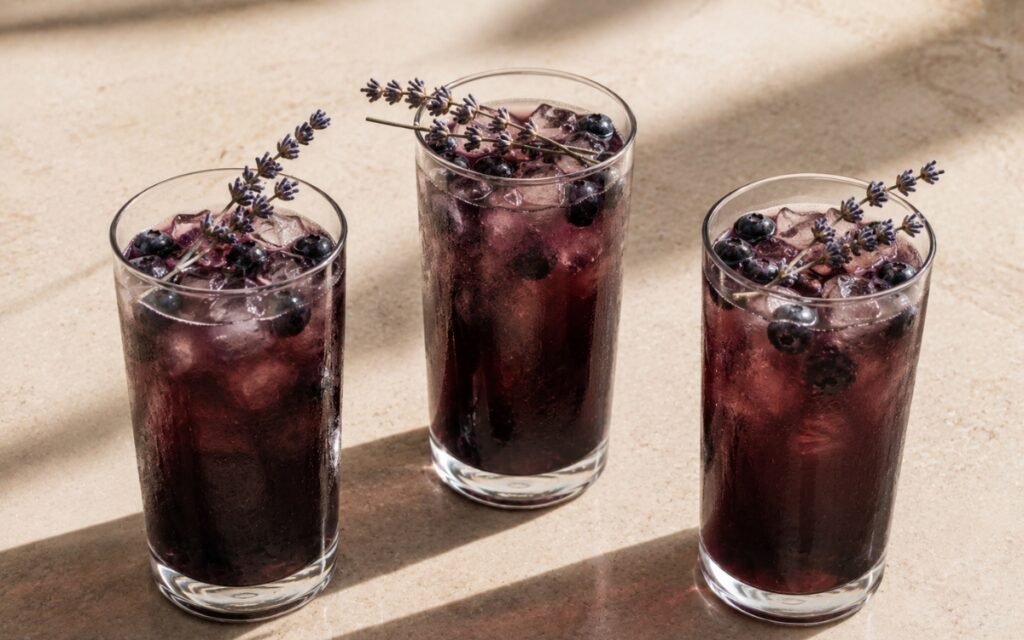
Lavender Blueberry Iced Tea
Light black tea at 90–95°C for 2½–3 minutes, lavender checked from 4 minutes, blueberry syrup made separately — chilled. Deep purple and elegant.
Chamomile Peach Iced Tea
Properly brewed dried chamomile combined with sugar-macerated, cooling-infused fresh peaches for a soft, caffeine-free, fruity iced tea.
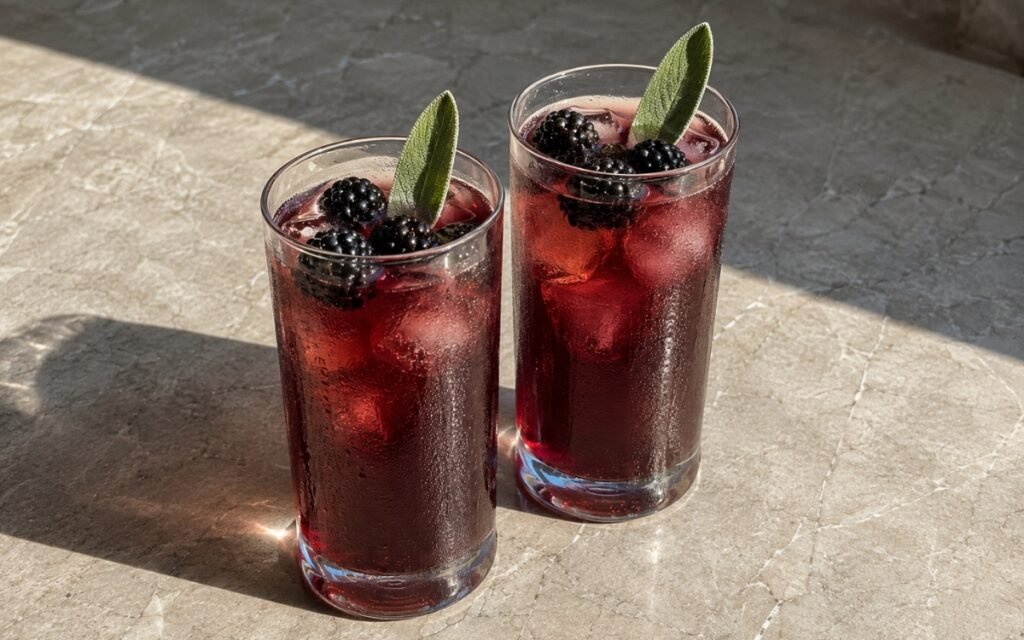
Blackberry Sage Iced Black Tea
Properly brewed black tea combined with cold-macerated fresh blackberries and a gentle cold sage infusion for a dark, berry-rich iced tea.

You might also like
You might also like
Southern Sweet Tea (Light Version)
Black tea at full boil for 5 minutes, white sugar dissolved into hot brew immediately — cooled, chilled 1–2 hours. Classic Southern character, lighter and more drinkable.
Grapefruit Green Iced Tea (Peel-Infused)
Green tea at 75–80°C for 2–3 minutes, grapefruit peel infused cold 3–5 minutes — honey and a pinch of salt, no juice, chilled. Bold, aromatic, acid-free.
Fresh Citrus Green Iced Tea
Green tea at 75–80°C for 2–3 minutes, thin peel-on citrus slices cold-infused 15–20 minutes — strained promptly, honey, chilled. Light, bright, and clean.




Basil Lemon Iced Tea
Ingredients
Method
- Heat the 1.65 litres of water to 90–95°C. Add the 5 black tea bags and steep for exactly 2½–3 minutes — no longer. Over-steeping releases harsh tannins that specifically clash with basil’s delicate character and make the lemon feel sharp rather than bright, rather than the two integrating into a single cohesive profile. Remove the bags gently without squeezing. Allow the tea to cool to lukewarm. Ceylon or a light breakfast blend is specifically the correct tea here — its mild tannin and clean body provide structure without the heavier, more assertive character that would compete with basil’s anise-adjacent freshness.
- Stir in 2 tablespoons of mild honey while the tea is still warm, so it dissolves evenly rather than settling at the bottom. Taste and add up to 1 additional tablespoon only if needed. The drink should remain dry-leaning throughout this process — the honey’s job is to smooth the tea’s tannin edge and support the herbal profile, not to make the tea taste sweet. Cool the tea fully to room temperature before adding any basil.
- Rinse the basil leaves and shake off excess moisture. Clap them gently between the palms once or twice — enough to release their aromatic oils, smelling bright and sweet, without chopping or muddling. Aggressive handling at this stage releases chlorophyll and bitter compounds that turn the finished infusion dull and vegetal rather than clean and fresh.
- Add the prepared basil to the fully cooled tea and refrigerate for 10–15 minutes, tasting at the 10-minute mark. Remove all the leaves once a clean herbal aroma is clearly present. Basil rarely turns medicinal the way some botanicals do, but it does turn flat and cooked-tasting if left too long in the liquid — pull it early to preserve its freshness rather than waiting for a more intense result.
- Add the single strip of lemon peel and infuse for 5 minutes to release its citrus oils, then remove it completely. Stir in 1 tablespoon of fresh lemon juice and taste. Add up to 1 more tablespoon only if the profile still feels flat. Lemon juice in this preparation is specifically a finishing adjustment rather than a dominant flavour — the peel has already done the work of providing fragrance.
- Refrigerate for 1–2 hours until completely cold. Proper chilling specifically sharpens the basil’s aroma, brightens the citrus, and allows the honey to settle into the background rather than sitting forward as sweetness. A drink served only partially chilled feels heavier and noticeably less integrated than the fully rested version.
- Fill glasses with ice, pour the chilled tea, and garnish with fresh basil leaves and a lemon slice. Serve immediately while the aroma is at its most expressive.