Mexican Calabacitas con Queso
Tender-crisp zucchini half-moons, sweet corn, ripe Roma tomato, strips of poblano, and soft white onion, folded together in a wide skillet and finished with pockets of melted Oaxaca cheese, make a classic homestyle Mexican vegetable dish, the key being vegetables that stay tender but distinct in a light sauce of their own juices. Cooking the zucchini over lively heat and adding the tomatoes only after the squash has mostly softened, rather than stewing everything together from the start, is the technique this whole dish depends on for vegetables that keep their shape — tomato liquid added too early turns the squash into a watery, mushy stew, the same add-the-wet-ingredient-late principle used elsewhere in this collection whenever a sautéed vegetable must stay defined. Giving the onion and poblano a head start in the hot oil is what lets their sweetness and light smoky bitterness build before the juicier vegetables lower the pan temperature. Scattering the cheese in several spots and covering the pan for just one to two minutes is what melts it into stretchy pockets without collapsing the vegetables underneath. The payoff is a calabacitas with real, fresh contrast — tender-crisp zucchini, popping sweet corn, soft poblano, bright tomato juices, and mild, milky cheese finished with a green hit of cilantro.

- Prep Time : 20 min
- Total Time : 40 min
- Servings : 4
Ingredients
For the Vegetable Base
- 2 tbsp neutral oil or lard
- 1 medium white onion, medium dice
- 1 large poblano pepper, seeded and cut into thin strips
- 2 garlic cloves, finely chopped
- 4 medium zucchini (about 700–800g total), halved lengthwise and sliced into 8–10mm half-moons
- 250g corn kernels, fresh or frozen
- 2 medium ripe Roma tomatoes, medium dice
- ¾ tsp kosher salt, plus more to taste
- ¼ tsp black pepper
- ¼ tsp dried oregano, optional
- 2–4 tbsp water or light vegetable or chicken stock, only if needed
For the Cheese
- 180–220g Oaxaca cheese, queso asadero, queso Chihuahua, or low-moisture mozzarella, torn or shredded
For Finishing
- 2 tbsp chopped cilantro, plus a little more for garnish
Directions
- Prep the Vegetables
Cut every vegetable before the pan goes on the heat, because the dish moves quickly once cooking starts. Slice the zucchini into half-moons of 8–10mm and keep the pieces as uniform as you can so they cook at the same rate and stay intact. Cut fresh corn kernels from the cob, or thaw frozen corn and pat it dry with a clean towel. Tear or shred the cheese and keep it ready by the stove for the final stage. That uniform cutting is what lets the zucchini finish cooking at the same moment instead of leaving some pieces mushy and others raw. - Build the Aromatic Base
Heat a wide skillet or sauté pan over medium to medium-high heat, then add the 2 tbsp of oil or lard. Add the diced onion and the poblano strips and cook for 4–5 minutes, stirring occasionally, until the onion turns translucent and the poblano begins to soften and lose its raw edge. Stir in the chopped garlic and cook for just 30 seconds, until fragrant but not coloured. That short, hot head start is what builds sweetness in the onion and softens the poblano before the wetter vegetables arrive. - Cook the Zucchini and Corn
Add the zucchini and corn to the pan and season with ¾ tsp kosher salt, ¼ tsp black pepper, and the ¼ tsp dried oregano if using. Cook for 5–7 minutes, stirring gently but not constantly, until the zucchini is tender-crisp and lightly glossy. The pieces should soften but still hold their shape, never collapsing into mush. If the pan dries out before the vegetables are tender, add 2–4 tbsp of water or light stock, just enough to steam them lightly rather than make the dish soupy. That lively heat is what sautés the squash instead of letting it boil in its own liquid. - Add the Tomatoes
Stir in the diced Roma tomatoes and cook for 2–4 minutes more, until they soften and release their juices into a light natural sauce that coats the vegetables. Stop as soon as the tomato pieces have just begun to relax, while a few still hold their shape. If the pan looks watery, raise the heat briefly and cook uncovered until the liquid reduces to a glaze. That brief tomato stage is what gives the dish its juice without letting the tomatoes disappear and the zucchini overcook. - Melt the Cheese
Lower the heat to medium-low and scatter the 180–220g of torn cheese over the vegetables in several separate spots rather than as one solid layer. Cover the pan and cook for 1–2 minutes, just until the cheese softens and melts into pockets with a little stretch. Lift the lid and check: the cheese should be melted while the vegetables still look defined and not collapsed. That gentle, covered melt is what turns the cheese soft and stretchy without making it greasy or burying the vegetables. - Finish and Serve
Remove the pan from the heat and fold in the 2 tbsp of chopped cilantro with just a few turns, so the cheese stays in streaks and pockets. Taste the vegetables and adjust the salt if needed, remembering that Oaxaca and asadero cheeses already add some salt. Spoon into warm bowls or onto a platter, scatter a little extra cilantro over the top, and serve immediately while hot and melty. That quick hot serve is what keeps the cheese stretchy and the zucchini tender-crisp rather than rubbery and soft.
*Notes :
- The texture of the zucchini deserves genuine recognition as the technique most directly responsible for whether this dish reads as proper calabacitas or a stewed squash mixture. Lively heat and a roomy pan let moisture evaporate as it releases, so the half-moons brown lightly and stay tender-crisp, whereas a crowded pan traps steam and turns them limp and watery.
- The timing of the tomatoes deserves the same attention this technique receives throughout this collection’s other sautéed vegetable dishes. Added after the squash has mostly cooked, they only need a few minutes to soften into a light sauce, but added at the start their liquid floods the pan and the zucchini boils instead of sautéing.
- The choice of poblano deserves genuine respect as the detail most directly responsible for the traditional flavour of the dish. Its mild, earthy, faintly smoky character is what a classic calabacitas is built around, and although Anaheim can stand in, it gives a milder and slightly more grassy result.
- The type of cheese deserves attention as a genuine, checkable choice rather than a matter of whatever is in the fridge. Oaxaca or asadero melts into soft, stretchy pockets with a clean milky flavour, while queso fresco holds its shape and stays crumbly, so it cannot give the same melt as a main cheese.
Why This Recipe Works
This recipe works because every ingredient enters the pan at the moment it needs to, so nothing is cooked past its best. The onion and poblano soften first, the zucchini and corn then sauté over lively heat, and the tomatoes join late so they add juice without drowning the squash. Cheese scattered in separate spots and melted under a lid for barely two minutes stays soft and stretchy rather than greasy. The result is tender but distinct vegetables in a light natural sauce, with melted pockets of mild cheese and fresh cilantro.
Ingredient Breakdown
Zucchini Half-Moons (8–10mm)
The structural foundation — even, thick cuts stay tender-crisp and hold their shape under a gentle stir.
Poblano Strips (Thin Cut)
The defining flavour ingredient — its mild, earthy, faintly smoky character gives the dish its traditional taste.
Roma Tomatoes (Added Late)
The critical timing technique — meaty tomatoes release just enough juice for a light sauce without drowning the squash.
Corn Kernels (Fresh or Frozen)
The sweet contrast — plump kernels add pops of sweetness against the savoury cheese, and thawed, dried frozen corn works well.
Oaxaca Cheese (Torn, Not Shredded Fine)
The critical ingredient choice — this soft melting cheese forms stretchy pockets, and torn pieces stay distinct in the sauce.
Cilantro and Oregano (Light Touch)
The finishing touch — cilantro folded in off the heat adds a bright green lift, while oregano gives quiet savoury depth.
Flavor Structure Explained
This Mexican calabacitas con queso follows a layered balance model:
- Tender, mild foundation (zucchini half-moons, white onion)
- Sweet, juicy contrast (sweet corn, ripe Roma tomato)
- Earthy, smoky depth (poblano strips, garlic, oregano)
- Rich, milky melt (Oaxaca or asadero cheese)
- Fresh herbal finish (chopped cilantro, a little black pepper)
The zucchini and onion form a soft, gently sweet base that carries everything else in the pan. Corn and tomato add bursts of sweetness and light acidity, while the poblano and garlic bring an earthy, mildly smoky depth. Melted cheese then softens every edge with a milky richness, and the cilantro and black pepper lift the whole dish with a fresh, green, gently peppery finish that ties the calabacitas together.
Common Mistakes to Avoid
- Overcooking the Zucchini – This turns the squash into a soft, watery mush that loses its shape and sweetness. Always stop cooking while the half-moons are tender-crisp and still hold their edges.
- Adding the Tomatoes Too Early – This floods the pan with liquid, so the zucchini boils instead of sautéing. Always add the tomatoes after the squash has mostly cooked, for just 2–4 minutes.
- Overcrowding the Pan – This traps steam under the vegetables and stews them rather than letting them sauté. Always use a wide skillet or sauté pan so the vegetables cook in a loose, lively layer.
- Melting the Cheese as One Solid Layer – This creates a greasy, rubbery blanket that buries the vegetables underneath. Always scatter the cheese in several spots and melt it gently for only 1–2 minutes.
- Using Queso Fresco as the Main Cheese – This leaves crumbly white pieces that soften but never melt into stretchy pockets. Always choose Oaxaca, asadero, Chihuahua, or low-moisture mozzarella for the melt.
Variations
Chicken Version
Add 300g of diced cooked chicken or shredded rotisserie chicken with the tomatoes so it warms through before the cheese goes on, turning the side into a hearty one-pan main.
Creamy Version
Stir in 3–4 tbsp of Mexican crema or cream just before scattering the cheese, giving a silkier, richer sauce that coats the vegetables more fully while the zucchini stays tender-crisp.
Spicy Version
Add 1 finely chopped serrano or jalapeño with the onion and poblano, which brings a clean, green heat that cuts through the cheese and sweet corn without changing the character of the dish.
Taco Filling Version
Cook the vegetables slightly drier, reduce any excess liquid before the cheese goes in, and spoon the filling into warm corn tortillas for soft, melty vegetarian tacos with beans on the side.
Storage & Make-Ahead
Choose firm, small to medium zucchini with glossy skin, because they hold less water and keep their texture better than oversized ones with a spongy centre and large seeds.
Dice the onion, slice the poblano, cut the zucchini, and tear the cheese up to a day ahead, keeping each in a covered container in the refrigerator so cooking takes only minutes.
Calabacitas is best eaten immediately while the cheese is hot and stretchy, though it can stand covered off the heat for 10 minutes without losing much of its texture.
Cool leftovers within 2 hours, store them in an airtight container in the refrigerator for up to 3 days, and expect the zucchini to be softer and the cheese firmer when cold.
Reheat leftovers gently in a skillet over medium-low heat with a splash of water for 3–4 minutes, or in the microwave in short bursts, until hot and the cheese has softened again.
Frequently Asked Questions
Why do the tomatoes go in after the zucchini has mostly cooked?
Tomatoes release a lot of liquid as they soften, and adding them early makes the zucchini boil in tomato juice instead of sautéing. Adding them late gives a light sauce while the squash keeps its shape and bite.
Why should the zucchini be cut into even half-moons of 8–10mm?
Even pieces cook at the same speed, so every half-moon reaches tender-crisp at the same moment. Pieces that are too thin collapse into mush, while thick ones stay raw in the centre.
Why is the cheese scattered in spots and melted under a lid for only 1–2 minutes?
Scattering lets each pocket of cheese melt in its own spot, and the covered pan traps just enough steam to soften it quickly. A longer melt turns the cheese greasy and the vegetables soft.
Why does Oaxaca or asadero cheese work better than queso fresco here?
Oaxaca and asadero are soft melting cheeses that turn stretchy and creamy over gentle heat, giving the dish its signature pockets of melt. Queso fresco only softens and stays crumbly, so it cannot do the same job.
Are there other classic Mexican vegetable, rice, or corn dishes worth trying?
Rajas con Crema offers another classic Mexican vegetable direction worth exploring. Mexican Grilled Corn Salad and Mexican-Style Rice are also worth trying for other corn and rice directions, and Poblano Chicken Chili Soup and Mexican Street Corn Elotes offer other poblano and corn dishes worth exploring.
Nutrition Facts
( Per Serving )
- Calories
- ~340 kcal
- Protein
- 17 g
- Fat
- 19 g
- Carbs
- 25 g
-

Mexican Street Corn Elotes
Corn cobs grilled dry until deeply charred, coated hot in creamy lime-mayonnaise, then covered in finely crumbled cotija and a dusting of chilli powder.
-
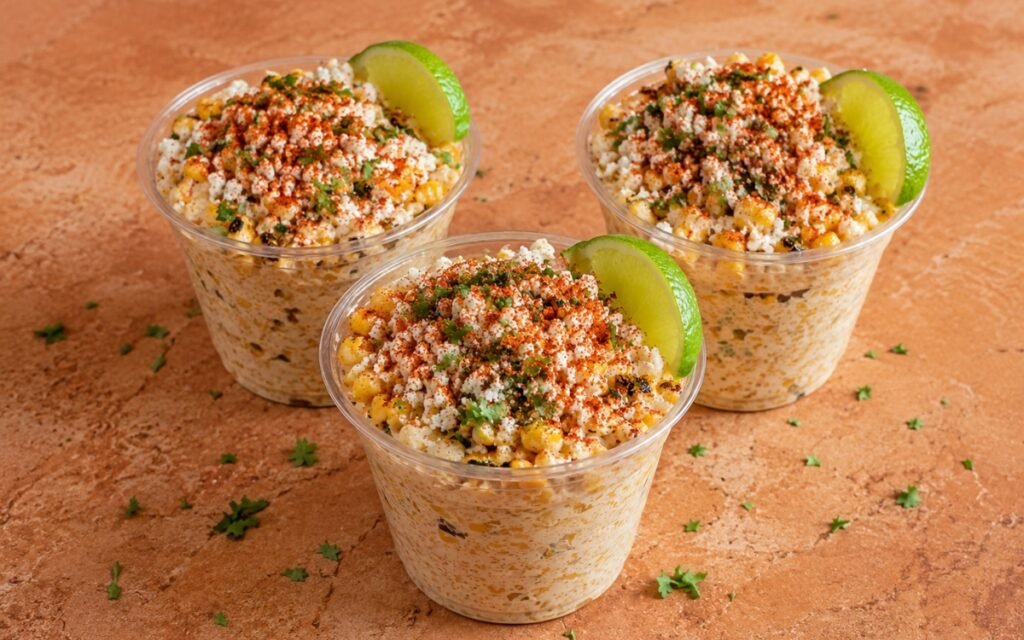
Elote en Vaso (Mexican Street Corn Cup)
Charred grilled corn kernels mixed hot into a glossy mayonnaise-crema base, piled into cups with heavy cotija and a dusting of chilli powder.
-
Mexican Rajas con Crema
Fire-roasted poblano strips, sweet onions, and corn in a silky Mexican crema sauce with soft melted Oaxaca cheese and fresh cilantro.


-
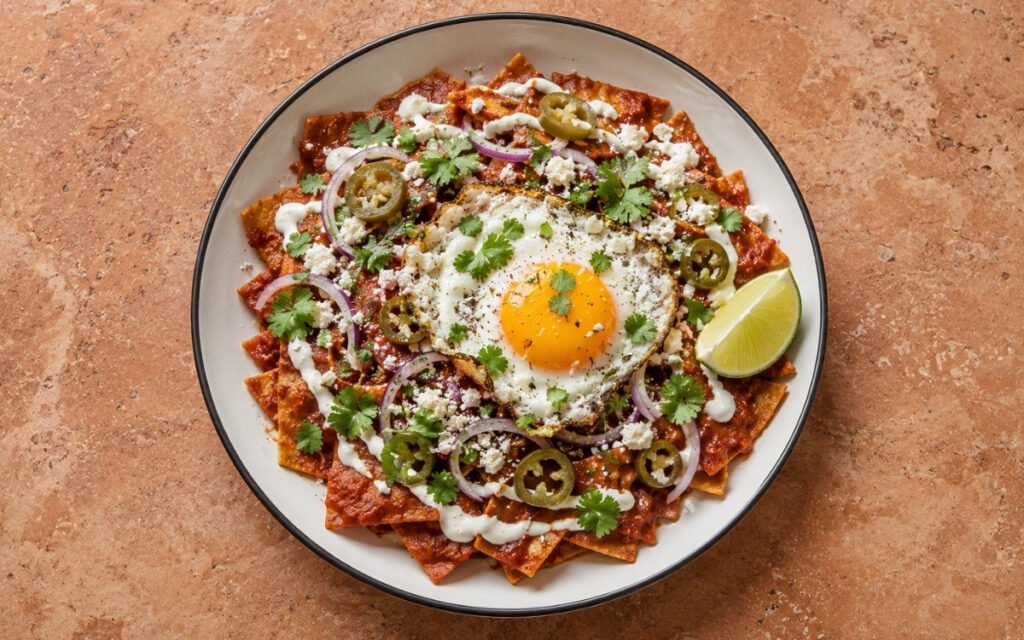
Chilaquiles Rojos with Fried Eggs & Crema
Crisp tortilla chips in smoky red chile salsa, topped with fried eggs, crema, cotija, pickled jalapeños, and cilantro.
-
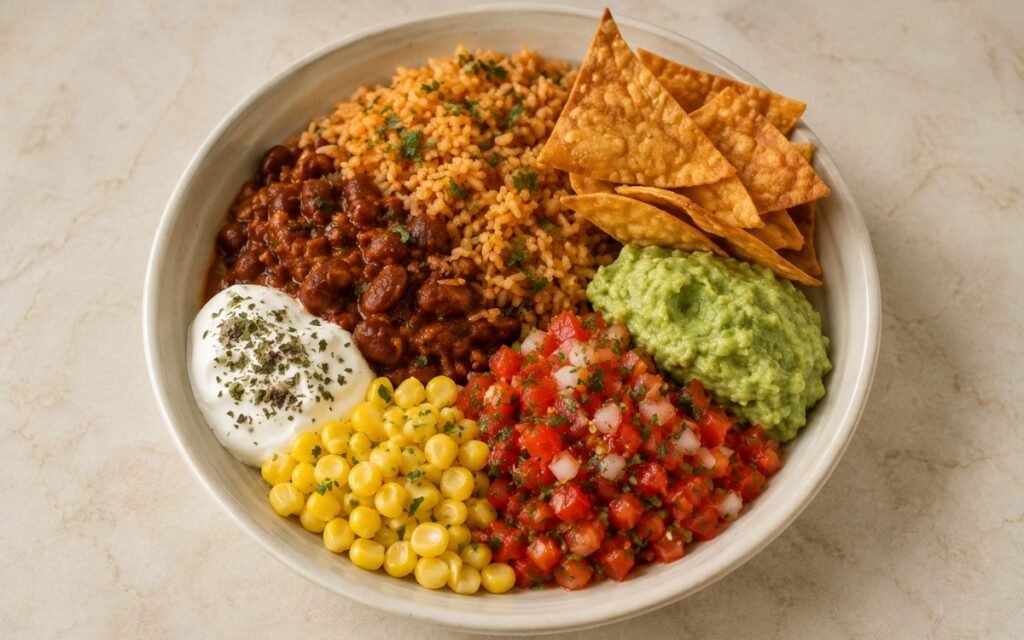
Loaded Mexican Taco Bowl
Toasted tomato rice, smoky chipotle red beans, fresh pico de gallo, plain guacamole, sour cream, and crispy tortilla chips, layered in one vibrant bowl.
-
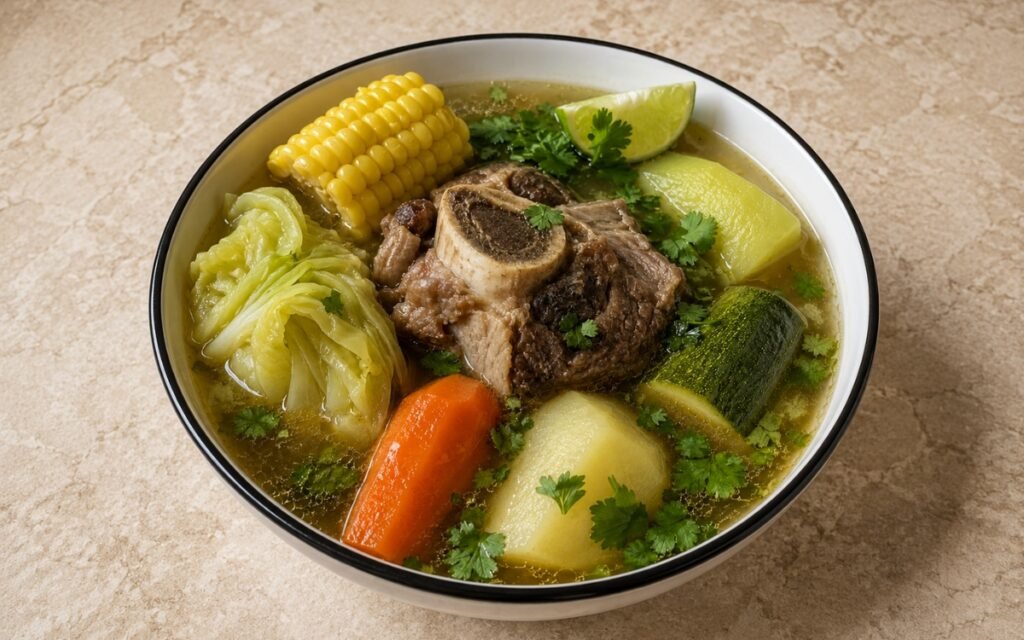
Caldo de Res
A clear, golden Mexican beef soup with gently simmered beef shank and large, staged vegetables — corn, potato, carrot, chayote, zucchini, and cabbage.