
Crispy Fish Sandwich
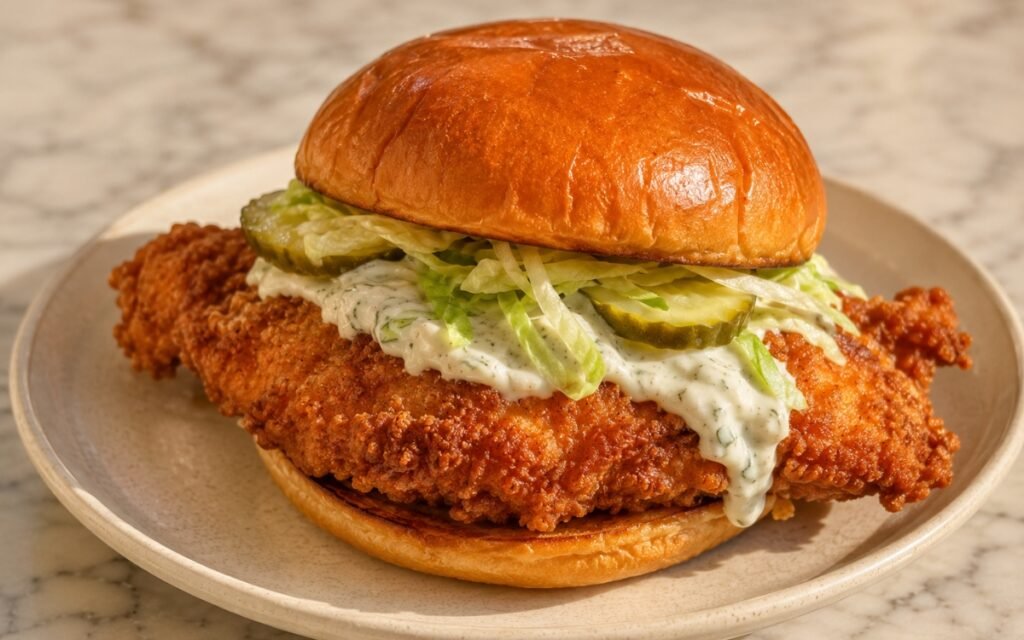
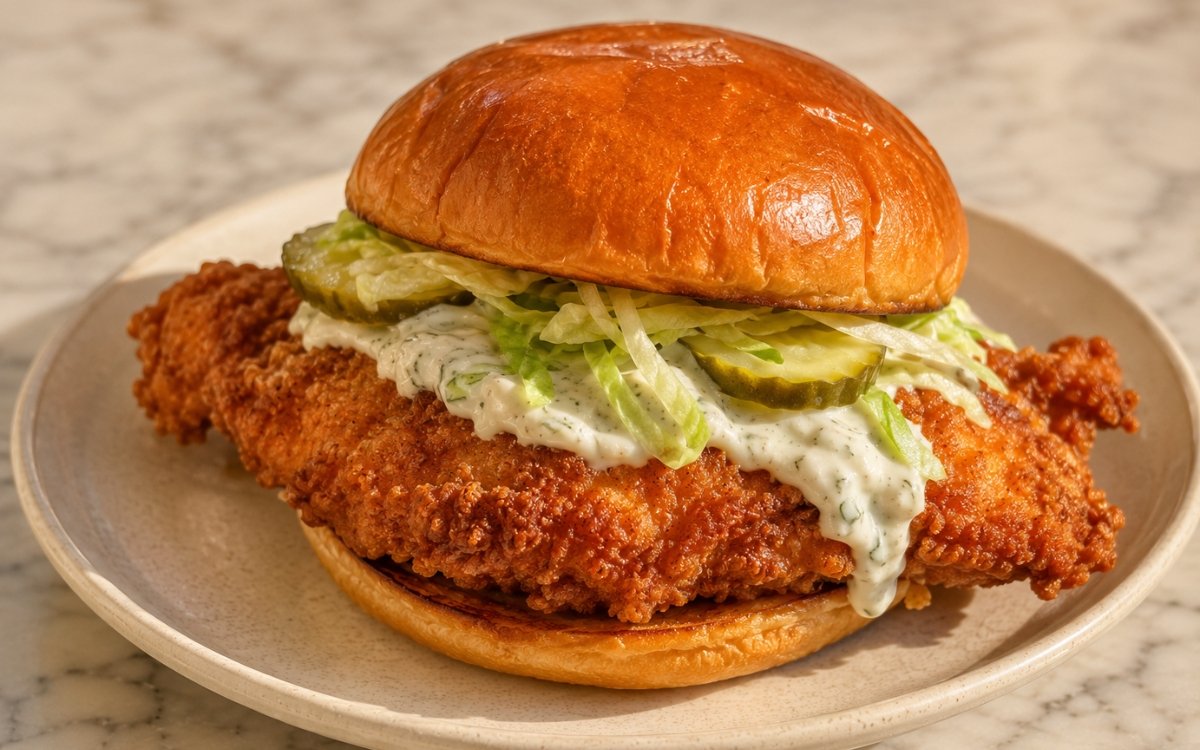
A classic crispy fish sandwich made with soft brioche buns, deep-fried beer-battered cod fillets, tartar sauce on both buns, shredded lettuce, and pickle slices, with the fish staying deeply golden and crunchy, extending past the bun for that proper fish-sandwich look. Keeping the beer genuinely cold before it ever meets the batter is the technique this whole crust depends on — cold batter hitting hot oil is what produces a lighter, crisper coating, the same cold-batter principle used elsewhere in this collection whenever a fried coating needs real lift rather than density. Coating the fish in a dry dredge before the wet batter matters just as much, since the wet batter needs a dry, textured surface to grip rather than sliding off bare, moist fish. Patting the cod thoroughly dry before it ever touches flour is the step underlying both of those techniques, since any lingering surface moisture works against the dredge’s adhesion from the very first layer. The payoff is a sandwich with a genuinely crisp, deeply golden battered fillet extending past the soft bun, layered with tangy tartar sauce, cold crisp lettuce, and sharp pickles.
Prep Time : 35 min
Cook Time : 35 min
Servings : 4
35 min
35 min
4
Ingredients
For the Dough
• 250g bread flour — this one on Amazon
• 4g fine sea salt
• 25g sugar
• 4g active dry yeast
• 30g unsalted butter, softened to room temperature — this one on Amazon
• 1 whole egg, room temperature
• 70g whole milk, warm, approximately 35°C
• 50g water, warm, approximately 35°C
• 1 egg
• Small splash of milk or water
• 20g unsalted butter, melted, for brushing immediately after baking
For the Fish
• 600g cod fillets, skinless and boneless, cut into 4 bun-length portions (150g per sandwich)
• Fine sea salt, to taste
• Freshly ground black pepper, to taste
For the Dry Dredge
• 100g all-purpose flour — this one on Amazon
• 30g cornstarch
• 4g fine sea salt
• 2g black pepper
• 2g garlic powder — this one on Amazon
• 1g smoked paprika, optional
For the Beer Batter
• 140g all-purpose flour
• 40g cornstarch
• 6g baking powder
• 4g fine sea salt
• 2g garlic powder
• 1g black pepper
• 240–260ml very cold lager or pale beer
For Frying
• Neutral oil, for deep frying
For the Tartar Sauce
• 180g mayonnaise
• 45g finely chopped dill pickles or cornichons
• 15g capers, finely chopped
• 10g Dijon mustard — this one on Amazon
• 15ml lemon juice
• 1 small garlic clove, finely grated or very finely minced
• 1 tbsp finely chopped parsley or dill
• Fine sea salt, to taste
• Freshly ground black pepper, to taste
For Assembly
• 120–140g shredded iceberg lettuce
• 20–24 pickle slices (5–6 per sandwich)
• Softened butter or neutral oil, for toasting buns if needed
This post may contain affiliate links. As an Amazon Associate I earn from qualifying purchases, at no additional cost to you.
Directions
- Make the Brioche Buns
Combine the flour, salt, sugar, and yeast in a bowl. Add the warm milk, warm water, egg, and softened butter, then mix into a rough dough and knead until smooth and elastic, about 8–10 minutes. Let rise until doubled, then divide into 4 equal portions and shape into smooth buns. Place on a lined tray, flatten gently, proof until puffy, brush with egg wash, and bake at 190°C for 16–18 minutes until deeply golden. Brush immediately with melted butter and cool before slicing. Brushing the buns with butter the moment they come out of the oven, while the crust is still hot, lets that butter melt in and soak slightly rather than sitting on top, giving the finished bun a softer, richer crust once cooled. - Make the Tartar Sauce
In a bowl, mix the mayonnaise, chopped pickles, capers, Dijon, lemon juice, garlic, and herbs. Season with salt and black pepper to taste. Refrigerate until needed. The sauce should taste tangy, creamy, and sharp enough to cut through the fried fish. Finely chopping the pickles and capers, rather than leaving them whole or roughly cut, distributes their sharp, briny flavour evenly through the sauce so every spoonful carries the same balance rather than occasional concentrated bites. - Prep the Fish
Pat the cod dry very well with paper towels. Season lightly with salt and black pepper. If the cod pieces are very thick on one side and thin on the other, trim or shape them slightly so they cook evenly and fit the buns better. Evening out each piece’s thickness matters directly for the fry — an unevenly shaped fillet risks the thinner section overcooking and drying out before the thicker section is properly done. - Prepare the Dredge and Batter
In one shallow bowl, combine the flour, cornstarch, salt, pepper, garlic powder, and smoked paprika for the dry dredge. In another bowl, whisk together the flour, cornstarch, baking powder, salt, garlic powder, and black pepper for the batter. Pour in the cold beer and whisk just until smooth. The batter should be thick enough to cling to the fish but still fluid. Keep it cold for the lightest crust. Whisking only until smooth, rather than working the batter longer, avoids overdeveloping gluten in the flour — an overworked batter fries into something denser and chewier rather than the light, crisp crust this sandwich depends on. - Heat the Oil
Heat neutral oil in a deep pot or heavy fryer to 175–180°C. Have a rack or paper towel-lined tray ready for draining. Also preheat the oven to a very low setting if you want to hold the first fried fillets warm while finishing the batch. This temperature window is calibrated for a fillet of real thickness — hot enough to crisp the batter at a reasonable pace, but not so hot that the exterior darkens before the fish itself has cooked through. - Fry the Fish
Dredge each cod fillet lightly in the dry flour mixture, shaking off the excess. Dip into the beer batter and let excess batter drip off briefly. Lower the fillets carefully into the hot oil and fry for about 4–6 minutes, depending on thickness, until deeply golden brown, crisp, and cooked through. The coating should be crunchy and evenly browned, and the fish should flake easily. The internal temperature should reach 63°C. Transfer to the rack, season immediately with a little extra salt, and fry the remaining fillets. The dry dredge beneath the wet batter gives it a textured surface to grip immediately on contact, which is what prevents the batter from sliding or pooling unevenly the way it would on bare, moist fish. - Toast the Buns
Slice the brioche buns and toast the cut sides lightly in a pan or on a griddle until warm and lightly golden. They should stay soft but gain a little structure so the sandwich holds up once the sauce is added. This light toasting gives the soft brioche real, if modest, resistance against the tartar sauce spread on both sides — an untoasted bun would have considerably less tolerance for that moisture over the course of eating the sandwich. - Assemble the Sandwiches
Spread tartar sauce on both the bottom and top bun. Place one fried cod fillet on each bottom bun. Top with a small handful of shredded lettuce and 5–6 pickle slices. Close with the top bun and serve immediately while the fish is still hot and crisp. Spreading sauce on both halves rather than only one distributes its tangy flavour through every bite rather than concentrating it on a single side.
*Notes :
- Keeping the beer genuinely cold right up until it’s whisked into the batter is worth taking seriously rather than treating as a minor detail. The temperature contrast between cold batter and hot oil is part of what produces a lighter, crisper crust — batter that’s allowed to warm up loses some of that advantage, and the resulting crust tends to be denser and less shatter-crisp than one built from properly chilled ingredients.
- The dry-dredge-before-wet-batter sequence addresses a problem that’s easy to underestimate until it goes wrong. Fish is naturally moist and somewhat slick, and wet batter poured or dipped directly onto that surface without a dry layer first tends to slide and pool unevenly rather than coating consistently. The thin flour-cornstarch dredge gives the batter something textured to grip on contact, which is the difference between an evenly, fully coated fillet and one with bare or thin patches.
- Trimming or reshaping unevenly thick cod pieces before frying is a small adjustment that pays off directly at the fryer. A fillet with a thick end and a thin end forces a compromise — by the time the thick section is properly cooked through, the thin section has likely overcooked and dried out. Evening out the thickness beforehand lets the whole piece cook through at roughly the same rate.
- The tartar sauce’s role here is worth understanding as more than a simple condiment. Fried fish, however well executed, is rich and can taste one-dimensional without a sharp, acidic counterpoint. The sauce’s combination of tangy pickles, briny capers, mustard, and lemon juice is specifically built to cut through that richness, which is why it’s spread generously on both halves of the bun rather than used sparingly.
Why This Recipe Works
This recipe works because the fish is protected at every stage leading up to frying: thoroughly dried, dredged in a dry coating that gives the wet batter something to grip, and coated in a batter kept genuinely cold for maximum crispness once it hits the hot oil.
Evening out the fillet’s thickness beforehand ensures consistent cooking, and holding the oil at a carefully calibrated temperature crisps the exterior without overcooking the fish inside.
A sharp, tangy tartar sauce spread generously on both buns provides the acidic counterpoint that keeps the whole sandwich from tasting heavy.
Ingredient Breakdown
Thoroughly Dried Cod Fillets
The critical prep step — moisture-free surface allows the dry dredge and wet batter to adhere evenly rather than sliding off.
Dry Dredge Before Wet Batter
The double-coating technique — the dry layer gives the batter a textured surface to properly grip.
Very Cold Beer Batter
The crisping mechanism — cold temperature meeting hot oil is what produces a light, shatter-crisp crust rather than a denser one.
Evenly Trimmed Fish Portions
The thickness adjustment — evens out the cook so thinner sections don’t overcook before thicker ones finish.
Sharp, Bright Tartar Sauce
The finishing condiment — built specifically to cut through the richness of the fried fish with tangy, briny acidity.
Flavor Structure Explained
This crispy fish sandwich follows a layered balance model:
- Crisp savoury foundation (beer-battered fried cod)
- Soft rich base (brioche bun)
- Sharp tangy contrast (tartar sauce)
- Cool crunchy finish (iceberg lettuce, pickles)
The beer-battered, deep-fried cod defines the sandwich with a crisp, golden crust giving way to flaky, mild fish. The soft, lightly toasted brioche bun provides a rich, slightly sweet base that contrasts against the fried coating. Tangy tartar sauce, spread generously on both halves, cuts through that richness with sharp, briny acidity. Cold, crisp iceberg lettuce and sharp pickle slices finish the sandwich with clean crunch that keeps every bite from feeling heavy.
Common Mistakes to Avoid
- Not Drying the Fish Thoroughly Before Dredging – Surface moisture prevents the dry dredge and batter from adhering evenly. Always pat the cod completely dry before seasoning and coating.
- Letting the Beer Batter Warm Up – Warm batter produces a denser, less crisp crust than genuinely cold batter meeting hot oil. Always keep it cold right up until frying.
- Overmixing the Batter – Excessive whisking develops gluten and produces a chewier, denser crust. Always whisk just until smooth.
- Crowding the Frying Oil – Too many fillets at once drops the oil temperature, producing pale, greasy fish instead of crisp, golden fillets. Always fry in batches.
- Skipping the Bun Toasting Step – An untoasted bun has little resistance against tartar sauce spread on both sides. Always toast lightly before assembling.
Variations
Spicier Version
Add a pinch of cayenne to the batter and mix a little hot sauce into the tartar sauce for a sharper heat throughout.
With Haddock or Pollock
Substitute haddock or pollock for the cod, following the identical dredging, battering, and frying method.
Extra-Crunchy Crust
Replace a small portion of the batter’s flour with additional cornstarch for a noticeably more pronounced crunch.
Cabbage Slaw Version
Substitute a lightly dressed cabbage slaw for the shredded iceberg lettuce for a tangier, crunchier topping.
Storage & Make-Ahead
Baked brioche buns can be stored at room temperature, wrapped, for up to 2 days, or frozen for up to 1 month. Tartar sauce can be refrigerated in a sealed container for up to 5 days.
The dry dredge and batter dry ingredients can be mixed ahead and stored separately in airtight containers; combine the batter with cold beer only right before frying.
Fried fish is best eaten immediately; it loses its crisp texture within an hour and does not reheat well, becoming soft rather than crisp.
Frequently Asked Questions
Why does the beer need to be very cold rather than at room temperature?
Cold batter meeting hot oil is what produces a lighter, crisper crust. Batter made with room-temperature beer loses some of that contrast, resulting in a denser, less shatter-crisp coating once fried.
Why coat the fish in a dry dredge before dipping it in the wet batter?
Fish is naturally moist and somewhat slick, and wet batter applied directly to that surface tends to slide and pool unevenly. The dry dredge gives the batter a textured surface to grip immediately, producing more even coverage.
Why trim or reshape the cod pieces if they’re uneven in thickness?
An unevenly thick fillet forces a trade-off during frying — the thin end risks overcooking and drying out by the time the thick end is properly done. Evening out the thickness beforehand lets the whole piece cook through at a more consistent rate.
Why does the tartar sauce need to be sharp and tangy rather than just a mild mayo spread?
Fried fish is rich, and without a genuinely acidic counterpoint, the sandwich can taste one-dimensional and heavy. The sauce’s pickles, capers, mustard, and lemon juice are specifically balanced to cut through that richness.
Are there other fried sandwich options worth trying with a different protein in the same bun?
The Double Smash Burger and Spicy Fried Chicken Sandwich both use a similar brioche bun format with a completely different protein and technique — one built around a hard-smashed beef patty, the other around crispy fried chicken with a spicy coating.
Nutrition Facts
( per serving )
Calories
~740 kcal
Protein
34 g
Fat
38 g
Carbs
66 g
Calories
~740 kcal
Protein
34 g
Fat
38 g
Carbs
66 g
Related Recipes
Related Recipes

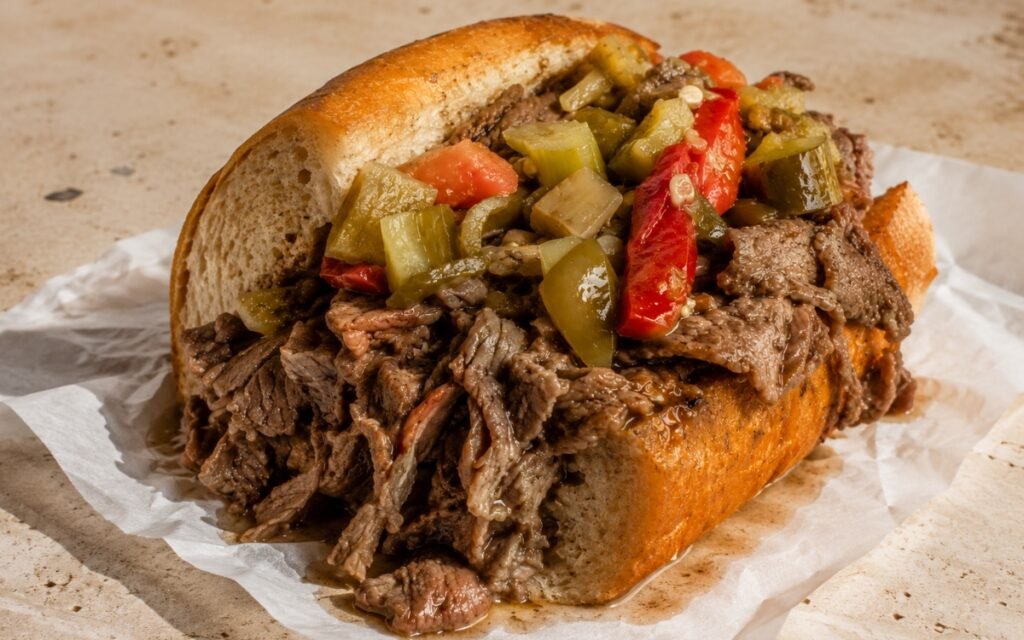
Italian Beef Sandwich
Thin-sliced roast beef warmed in a heavily seasoned au jus, piled into crusty homemade French rolls with sharp giardiniera and roasted peppers.
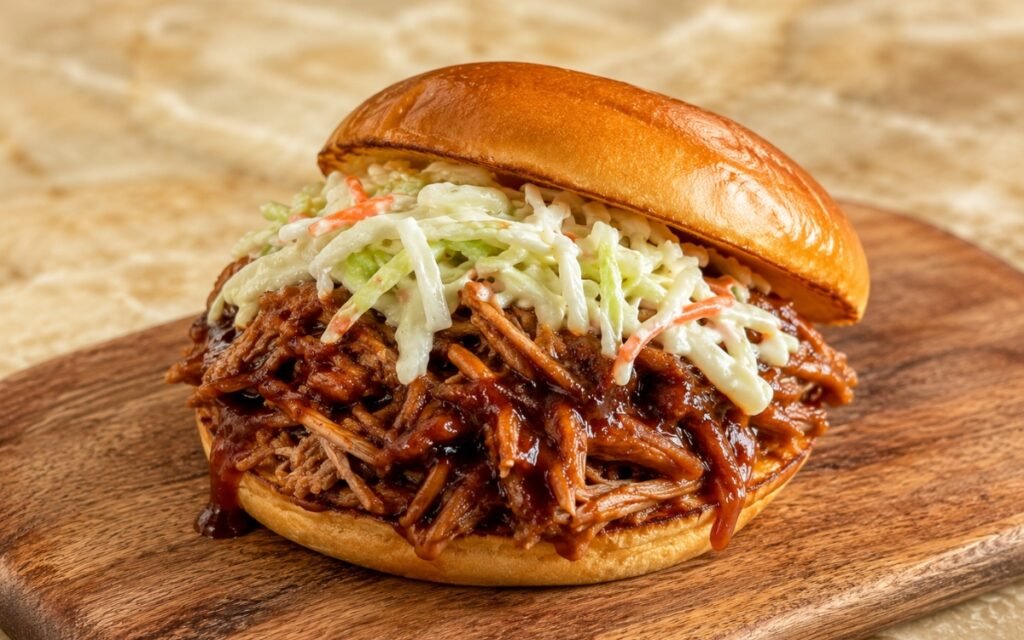
Pulled Pork Sandwich
Slow-braised pork shoulder shredded and tossed in a reduced, glossy barbecue glaze, piled onto toasted brioche buns with fresh coleslaw.
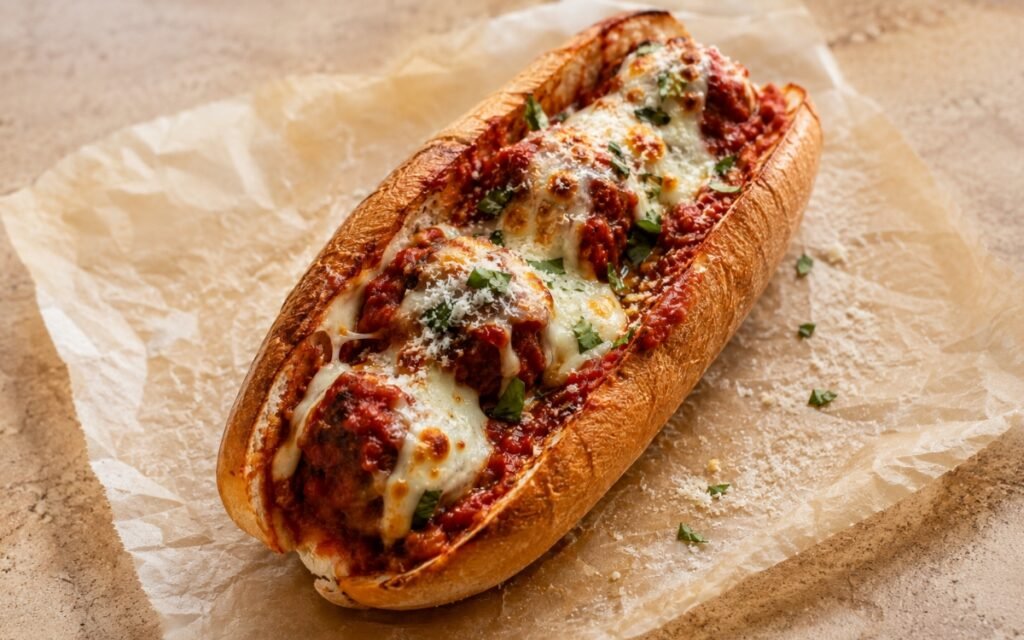
Meatball Sub Sandwich
Tender panade-enriched beef meatballs in thick marinara, melted mozzarella and provolone, and fresh basil, in toasted long French rolls.
You might also like
You might also like
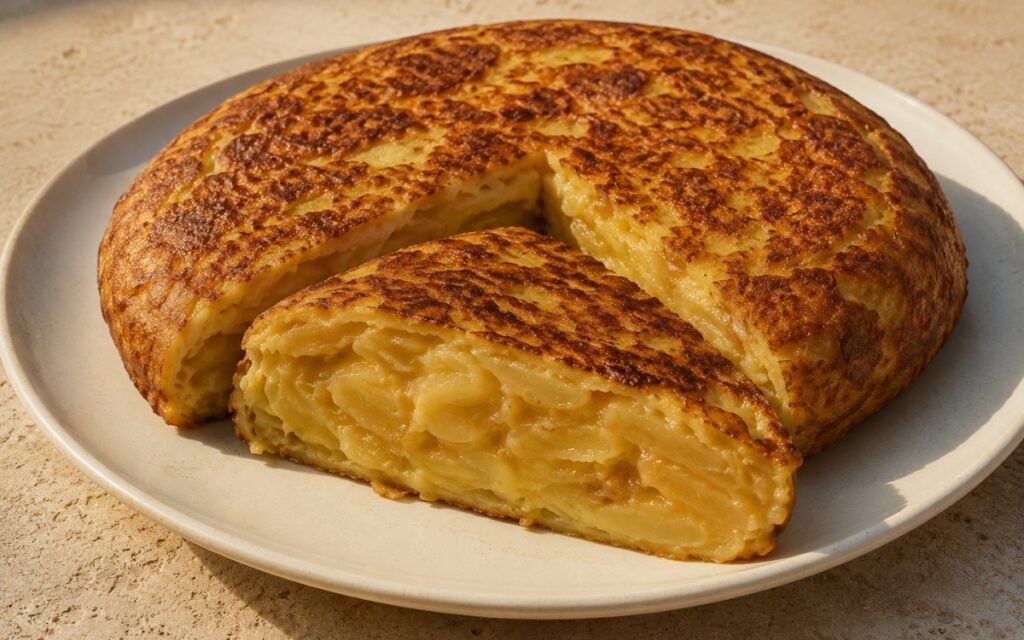
Spanish Tortilla / Tortilla Española
Thin potato slices gently cooked in olive oil, folded into beaten eggs, and cooked slowly for a golden exterior and soft, custardy centre.
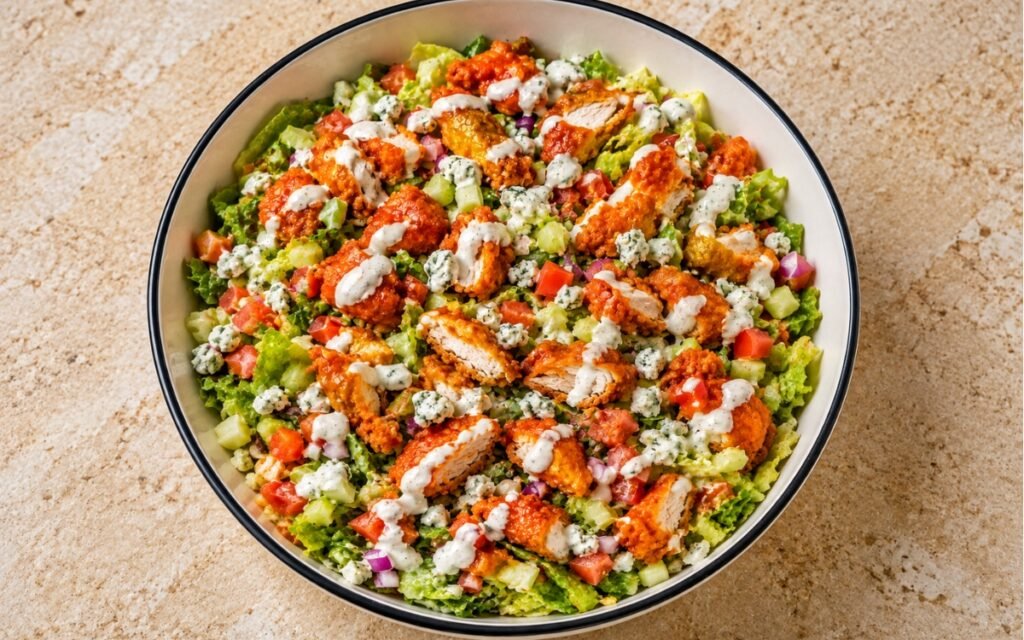
Buffalo Chicken Chopped Salad
Crispy Buffalo chicken pieces over chopped lettuce with celery, tomato, red onion, blue cheese crumbles, and creamy homemade ranch dressing.
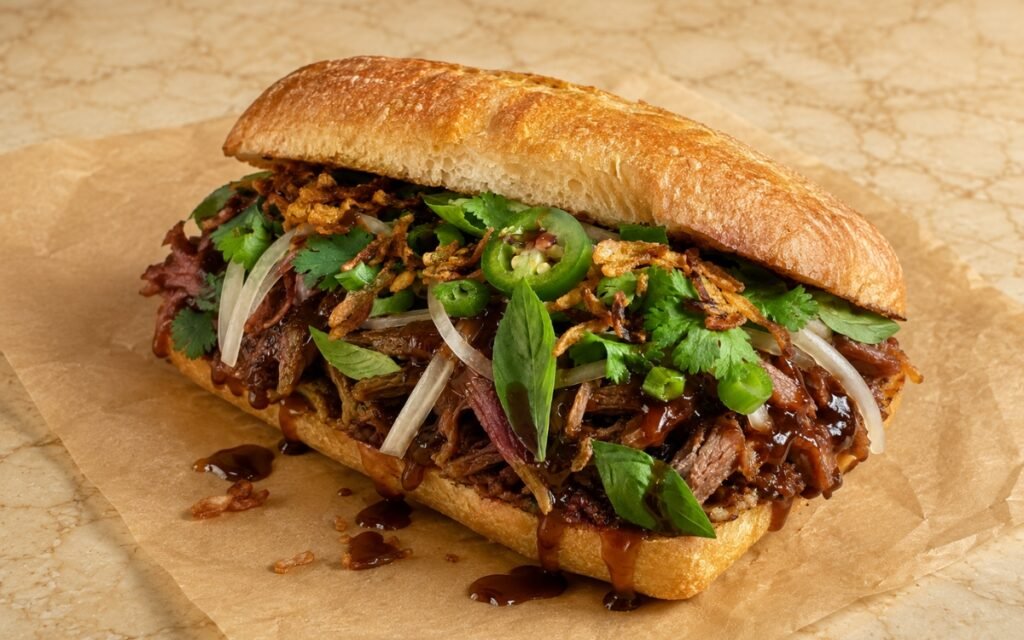
Pho Sandwich
Slow-braised beef in a fragrant, charred pho-style spice base, sliced and glazed, piled into a crusty baguette with fresh herbs and crispy shallots.
Crispy Fish Sandwich
Ingredients
Method
- Combine the flour, salt, sugar, and yeast in a bowl. Add the warm milk, warm water, egg, and softened butter, then mix into a rough dough and knead until smooth and elastic, about 8–10 minutes. Let rise until doubled, then divide into 4 equal portions and shape into smooth buns. Place on a lined tray, flatten gently, proof until puffy, brush with egg wash, and bake at 190°C for 16–18 minutes until deeply golden. Brush immediately with melted butter and cool before slicing. Brushing the buns with butter the moment they come out of the oven, while the crust is still hot, lets that butter melt in and soak slightly rather than sitting on top, giving the finished bun a softer, richer crust once cooled.
- In a bowl, mix the mayonnaise, chopped pickles, capers, Dijon, lemon juice, garlic, and herbs. Season with salt and black pepper to taste. Refrigerate until needed. The sauce should taste tangy, creamy, and sharp enough to cut through the fried fish. Finely chopping the pickles and capers, rather than leaving them whole or roughly cut, distributes their sharp, briny flavour evenly through the sauce so every spoonful carries the same balance rather than occasional concentrated bites.
- Pat the cod dry very well with paper towels. Season lightly with salt and black pepper. If the cod pieces are very thick on one side and thin on the other, trim or shape them slightly so they cook evenly and fit the buns better. Evening out each piece’s thickness matters directly for the fry — an unevenly shaped fillet risks the thinner section overcooking and drying out before the thicker section is properly done.
- In one shallow bowl, combine the flour, cornstarch, salt, pepper, garlic powder, and smoked paprika for the dry dredge. In another bowl, whisk together the flour, cornstarch, baking powder, salt, garlic powder, and black pepper for the batter. Pour in the cold beer and whisk just until smooth. The batter should be thick enough to cling to the fish but still fluid. Keep it cold for the lightest crust. Whisking only until smooth, rather than working the batter longer, avoids overdeveloping gluten in the flour — an overworked batter fries into something denser and chewier rather than the light, crisp crust this sandwich depends on.
- Heat neutral oil in a deep pot or heavy fryer to 175–180°C. Have a rack or paper towel-lined tray ready for draining. Also preheat the oven to a very low setting if you want to hold the first fried fillets warm while finishing the batch. This temperature window is calibrated for a fillet of real thickness — hot enough to crisp the batter at a reasonable pace, but not so hot that the exterior darkens before the fish itself has cooked through.
- Dredge each cod fillet lightly in the dry flour mixture, shaking off the excess. Dip into the beer batter and let excess batter drip off briefly. Lower the fillets carefully into the hot oil and fry for about 4–6 minutes, depending on thickness, until deeply golden brown, crisp, and cooked through. The coating should be crunchy and evenly browned, and the fish should flake easily. The internal temperature should reach 63°C. Transfer to the rack, season immediately with a little extra salt, and fry the remaining fillets. The dry dredge beneath the wet batter gives it a textured surface to grip immediately on contact, which is what prevents the batter from sliding or pooling unevenly the way it would on bare, moist fish.
- Slice the brioche buns and toast the cut sides lightly in a pan or on a griddle until warm and lightly golden. They should stay soft but gain a little structure so the sandwich holds up once the sauce is added. This light toasting gives the soft brioche real, if modest, resistance against the tartar sauce spread on both sides — an untoasted bun would have considerably less tolerance for that moisture over the course of eating the sandwich.
- Spread tartar sauce on both the bottom and top bun. Place one fried cod fillet on each bottom bun. Top with a small handful of shredded lettuce and 5–6 pickle slices. Close with the top bun and serve immediately while the fish is still hot and crisp. Spreading sauce on both halves rather than only one distributes its tangy flavour through every bite rather than concentrating it on a single side.