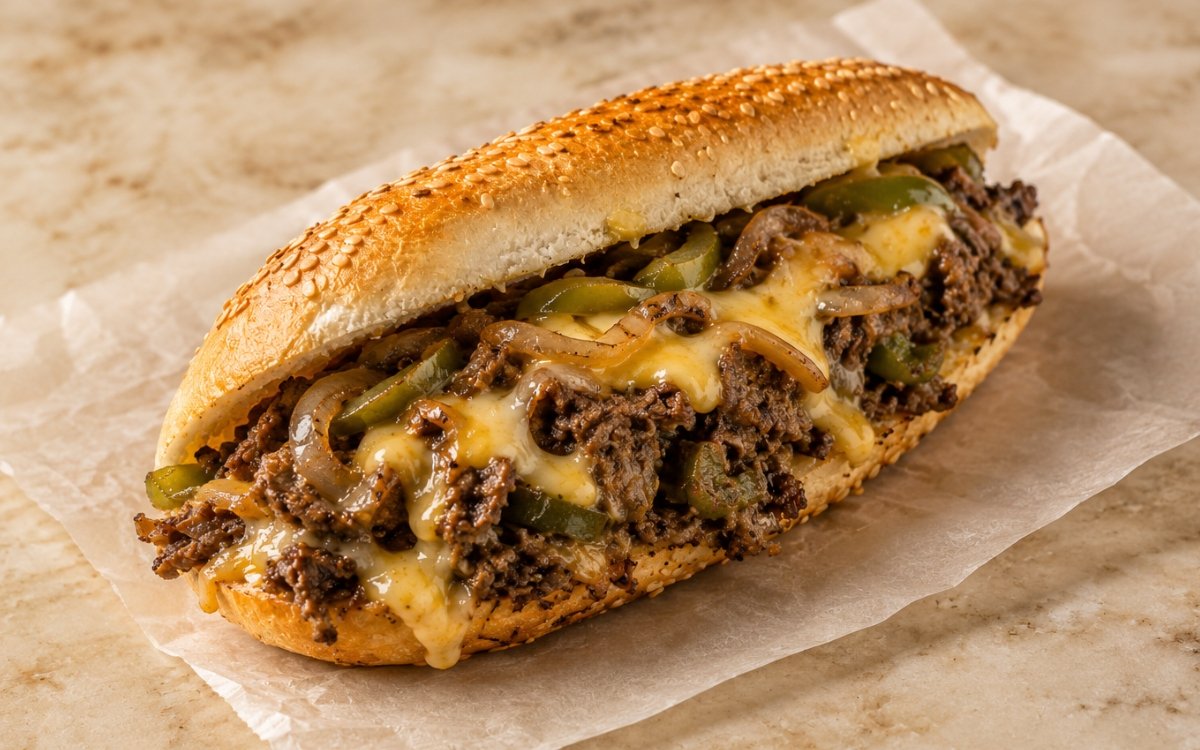
Ingredients
Method
Activate the Yeast
- Preheat the oven to 190°C (375°F) and line a large baking sheet with parchment paper. In a small bowl or measuring jug, whisk the warmed milk, active dry yeast, and granulated sugar together until combined. The milk temperature is critically important — too cold and the yeast remains dormant, too hot and it is destroyed. 35°C (95°F) is the ideal activation temperature: warm enough to wake the yeast immediately but low enough not to compromise its viability. Allow to sit undisturbed for 5 minutes. At the end of this time, the surface should show a clearly foamy, slightly domed layer of active yeast foam. If the mixture remains flat and liquid-like after 5 minutes, the yeast is either old, dead, or the milk temperature was incorrect. Do not proceed with dead yeast — the rolls will not rise and the effort of the remaining steps will be wasted. Source fresh yeast and begin again.
Mix the Dough
- In the bowl of a stand mixer fitted with the dough hook attachment, combine the all-purpose flour and fine sea salt. Mix briefly on low speed to distribute the salt evenly throughout the flour — salt makes direct contact with yeast inhibits it, and pre-mixing the salt through the flour before the yeast mixture is added prevents this. Pour the foamy yeast mixture and both eggs into the flour and mix on medium speed for 3 minutes until a moderately smooth, cohesive dough forms. At this stage the dough will be slightly tacky and relatively dense — it is not yet at its final texture. The three minutes of mixing develops the initial gluten network that gives the rolls their structure. Gluten development is what produces the soft, chewy interior of a proper hoagie roll rather than a crumbly, bread-like texture.
Incorporate the Butter
- Add the softened butter to the dough in three or four additions with the mixer running at medium speed. Adding all the butter at once overwhelms the dough's gluten network before it has the fat evenly distributed, producing a greasy, broken dough rather than a smooth, enriched one. Adding it gradually allows each addition to fully incorporate before the next is added. After all the butter is incorporated, continue mixing for a further 2–3 minutes until the dough is completely smooth, slightly elastic, and pulls away cleanly from the sides of the bowl. The butter enriches the dough in the same way as a brioche enrichment — the fat coats the developing gluten strands and produces a softer, richer, more tender crumb than a lean dough roll would. This softness is what allows the hoagie to compress gently around the filling without tearing or crumbling. Cover the bowl tightly with plastic wrap.
First Rise
- Allow the dough to rise at room temperature — approximately 21–24°C — for 1 hour or until it has visibly doubled in size. The rise time is approximate because it depends on the ambient temperature of your kitchen. A warmer kitchen produces a faster rise; a cooler kitchen requires more time. The dough is ready when it has clearly doubled and pressing two fingers lightly into the surface leaves an indentation that springs back slowly rather than immediately. An immediate spring-back means the dough needs more time. No spring-back at all means it has over-proved and the yeast has exhausted itself — if this happens, the rolls will still bake but will have less volume and lighter, denser texture.
Shape the Rolls
- Lightly flour a clean work surface. Turn the risen dough out and punch it down firmly with your fist to deflate it, releasing the built-up gas. Divide the dough into 4 equal portions — weigh them if possible for consistency. Shape each portion into a loose ball by pulling the edges of the dough toward the bottom and pressing them together underneath, creating surface tension on the top. A smooth, taut surface on the ball is what produces even expansion during the second rise and baking. Place the balls on the work surface, cover loosely with a damp kitchen towel, and rest for 10 minutes. This rest — called a bench rest — allows the gluten that was tightened during shaping to relax, making the subsequent rolling into logs much easier and preventing the dough from springing back.
Form the Hoagie Logs and Second Rise
- Working with one ball at a time, roll it on the floured surface with your palms, applying gentle, even pressure and gradually working from the centre outward to elongate it into a log approximately 18cm (7 inches) long with slightly tapered ends. The tapered ends are characteristic of a hoagie roll shape — they produce slightly thinner, crispier ends that contrast with the softer middle section where the filling sits. Place the shaped logs on the prepared baking sheet with at least 5cm between each to allow for expansion. Using a spray bottle or your fingers dipped in water, lightly mist the surface of each roll. Sprinkle untoasted sesame seeds generously over the misted surface — the moisture helps the seeds adhere during baking. If desired, score each roll once lengthwise down the centre with a sharp knife or lame — this controls the direction of the oven spring and produces the characteristic split hoagie shape. Allow the rolls to prove for a further 30–40 minutes until noticeably puffed.
Bake the Rolls
- Bake in the fully preheated oven for 15–17 minutes until puffed, lightly golden, and firm to a gentle tap on the bottom — a hollow sound indicates the roll is fully baked through. Do not pull them too pale — a light golden color on the surface means the crust has set properly and the roll will hold the filling's moisture without immediately softening. Transfer to a wire rack and allow to cool completely before slicing — cutting a hot roll compresses the soft, still-setting crumb and produces a doughy, gummy interior texture rather than the open, airy structure that appears once the roll has cooled fully.
Prepare the Beef
- For the thinnest, most uniform slices, place the ribeye in the freezer for 20–30 minutes before slicing — a partially frozen steak firms up enough to allow precise, paper-thin cuts that would be impossible on a fully thawed piece of meat. Using a sharp knife, slice the chilled ribeye or roast beef across the grain into 6mm (¼ inch) strips. Against-the-grain slicing is the correct technique — it shortens the muscle fibres and ensures each slice is tender rather than stringy, even when cooked at high heat. Season lightly with salt and black pepper. The Worcestershire sauce is added during cooking rather than as a marinade — it is too acidic for extended contact before the high-heat sear.
Sear the Beef
- Heat a large cast iron skillet or heavy-bottomed pan over high heat with a generous amount of vegetable oil until smoking. Add the beef in a single layer — do not crowd the pan. Crowding causes the beef to steam in its own moisture rather than searing, producing grey, soft meat rather than the browned, slightly caramelised exterior that gives the cheesesteak its character. Cook in batches if necessary, searing each piece for 60–90 seconds without moving before turning and cooking for a further 30–60 seconds on the second side. When the last batch of beef is in the pan, add the Worcestershire sauce and toss everything quickly, allowing it to reduce and caramelise into the beef surface for 30 seconds. The Worcestershire's sugars caramelise immediately at this temperature, adding a deeply savory, slightly sweet glaze to the beef surface. Transfer all the beef to a plate and set aside.
Cook the Onion and Pepper
- In the same pan over medium-high heat, add a small amount of additional oil and add the diced sweet onion. Cook, stirring occasionally, for 5–6 minutes until the onion has softened, turned golden, and begun to caramelise at the edges — this process concentrates its natural sugars and transforms it from sharp and raw to sweet and deeply savory. Add the green pepper pieces and cook for a further 3–4 minutes until they have softened slightly and taken on some char at the edges. Season with salt and black pepper. The combination of sweet, caramelised onion and slightly bitter, charred green pepper is the vegetable foundation of an authentic Philly cheesesteak — neither element should be under-cooked, as their sweetness and char are essential counterpoints to the beef.
Combine and Melt the Cheese
- Return all the seared beef to the pan with the onions and peppers and toss to combine, spreading everything into an even layer across the pan surface. Immediately lay the provolone and American cheese slices directly over the meat and vegetable mixture, covering as much surface as possible. Cover the pan with a lid or large piece of aluminium foil for 60–90 seconds — the trapped steam melts the cheese completely without any additional heat. The combination of provolone and American cheese is deliberate and specific: provolone provides a mild, slightly tangy, pull-apart meltiness and a proper dairy flavor; American cheese provides the smooth, emulsified, gooey layer that coats the filling evenly and produces the characteristic stretch and richness of an authentic Philly cheesesteak. Neither alone produces the same result.
Assemble and Serve
- Split the cooled hoagie rolls lengthwise, cutting almost but not entirely through — leaving a hinge at the back allows the roll to open fully and hold the filling securely without the two halves separating. Spread mayonnaise generously on the bottom interior face of each roll and ketchup on the top interior face. Using a spatula, divide the cheese-covered beef and vegetable mixture into four equal portions and load each into an open roll, tucking the filling in firmly. Close the roll around the filling. The roll should be warm from the residual heat of the filling — if the rolls have cooled significantly, warm them in the oven at 150°C for 3–4 minutes before filling. Serve immediately with hot sauce on the side.
Notes
Ribeye is the traditional and correct cut for a Philly cheesesteak for reasons that are entirely practical. Its generous fat marbling distributes throughout the thin slices during the high-heat sear, basting the meat from the inside and producing juicy, richly flavored slices even at the rapid cooking times required for this preparation. Leaner cuts — sirloin, flank, or roast beef — work acceptably but produce noticeably drier, less flavorful slices. The brief partial freeze before slicing is the single most practical technique for achieving the paper-thin slices that distribute evenly through the filling — it takes 20 minutes of passive time and makes a measurable difference in the final texture of the sandwich.
The homemade sesame hoagie rolls are worth the planning they require. A soft, enriched roll made with butter and egg has a fundamentally different structure from a supermarket roll — the butter enrichment tenderises the crumb without making it fragile, and the egg adds strength to the dough that allows the roll to absorb the filling's moisture and juices without immediately softening and collapsing. Supermarket rolls are often too crusty, too dry, or too soft depending on the type — a homemade roll is calibrated specifically for this application.
The Worcestershire sauce addition to the hot pan with the beef is a brief but impactful step. Its combination of fermented tamarind, anchovy, molasses, and spices contributes a deep, complex umami note when it caramelises on the beef surface at high heat. The small quantity used — just enough to glaze rather than sauce — disappears into the beef flavor and makes it taste more intensely of itself rather than tasting of Worcestershire sauce. This is the function of a good finishing sauce in a meat preparation.