Ingredients
Method
Brew the White Tea
- Heat the water to 75–80°C — do not boil. Boiling water strips white tea of its delicate floral sweetness before the hibiscus is even added, and that loss can't be recovered later. Add the white tea bags and steep for 3–4 minutes. Remove the bags gently without squeezing, since squeezing releases the most concentrated, least pleasant compounds held inside them.
Infuse the Hibiscus
- Add the dried hibiscus flowers to the warm white tea and steep for 4–6 minutes, just until a pale ruby colour and gentle tartness develop. Use 2 tablespoons for a lighter, more floral result, or 3 tablespoons if you want a sharper tea with deeper colour. Hibiscus is one of the most potent botanicals used in this collection — a few extra minutes pushes the flavour from brightly tart into harshly acidic and one-dimensional, with no easy way back.
Strain Promptly
- Strain out the hibiscus promptly the moment the colour and tartness are where you want them. Do not leave it in longer hoping for more depth — extended contact turns the tea harsh rather than richer, and that shift happens faster than the small quantity of flowers might suggest.
Sweeten While Warm
- While the tea is still warm, stir in 2 tablespoons of honey until fully dissolved, taking advantage of the warmth for even integration. Taste and add up to 1 additional tablespoon only if needed. The tea should be lightly sweetened, not sweet — hibiscus's own tartness is meant to remain clearly present.
Chill
- Let the tea cool to room temperature, then refrigerate for 1–2 hours until fully cold and balanced. The cold rest is what lets the white tea's floral quietness and the hibiscus's tartness settle into a single cohesive character rather than sitting as two separate impressions.
Serve
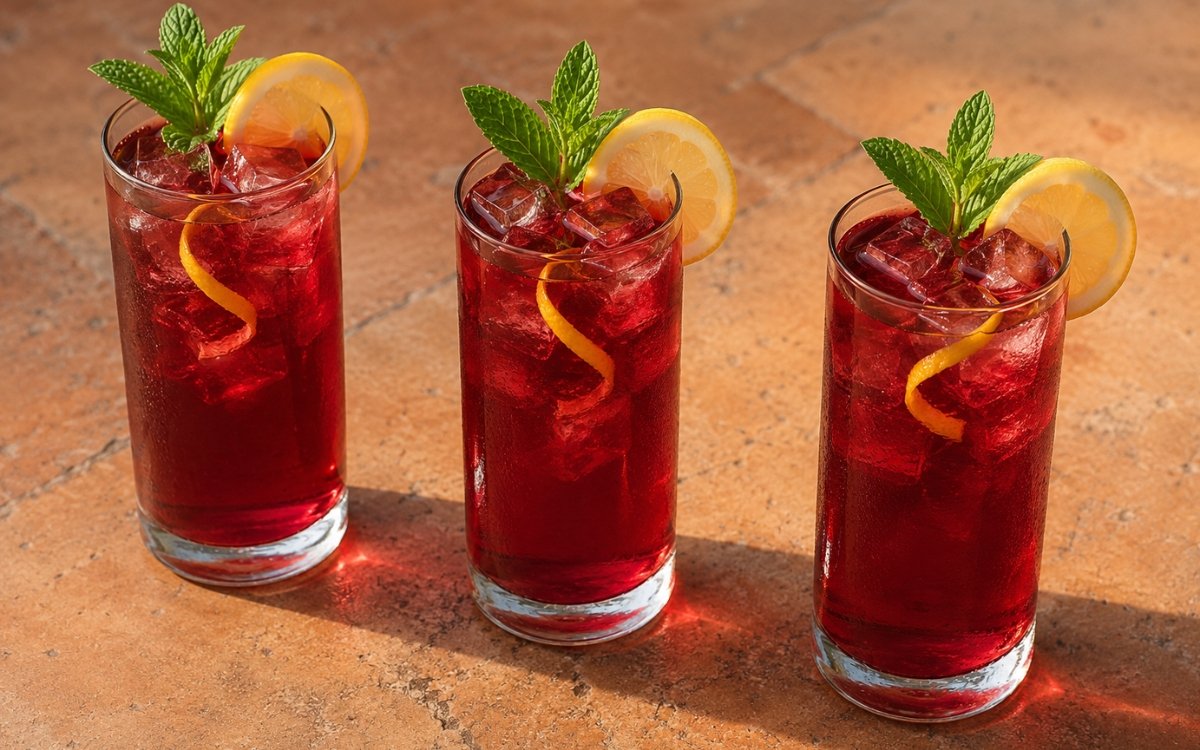
- Fill glasses with ice. Pour over the chilled hibiscus white iced tea and garnish with a thin strip of fresh lemon peel, a lemon slice, or fresh mint if desired. Serve cold, lightly tart, floral, and clean.
Notes
Do not garnish the drink itself with dried hibiscus flowers unless you remove them before drinking. They look pretty floating on the surface but are unpleasant to sip on directly, and left in the glass they continue infusing into whatever's left of the drink.
If the hibiscus starts tasting too sharp, do not add more honey immediately. First dilute slightly with a splash of cold water, then adjust sweetness only if needed. Honey on top of an over-extracted hibiscus tends to mask the acidity briefly rather than actually balance it, and the result often still tastes sharp underneath.
Hibiscus intensity varies between brands and batches, so the 4–6 minute window is a starting point rather than an absolute. The colour is a useful secondary indicator — a clear, deep ruby suggests a well-timed infusion, while a duller or browner tone suggests it's gone slightly too far.