Ingredients
Method
Make the Simple Syrup Without Reduction
- Combine the 100g of white sugar and 240ml of water in a small saucepan. Place over medium heat and stir continuously until the sugar has dissolved completely — the liquid should be clear and the sugar visibly absent, at which point the syrup is ready. Remove from the heat immediately, specifically before any simmering reduction begins. The instruction not to reduce is the single most specific technique point in this preparation. The goal is a standard simple syrup at a 1:1 sugar-to-water ratio by weight, maintaining approximately the starting water volume. A reduced syrup has a higher sugar-to-water ratio — the same sweetness requires a smaller volume, which changes the dilution dynamics of the finished lemonade and makes precise balancing harder. A non-reduced standard simple syrup has a predictable, consistent sweetness per millilitre that makes the adjustment steps in the pitcher directly and reliably calibratable. Allow to cool completely.
Juice the Lemons
- Juice 5–7 medium lemons until you have 240–300ml of fresh juice. Remove seeds, but specifically do not over-strain — a small amount of natural lemon pulp in the juice contributes both texture and flavour. The fine particles of lemon pulp contain concentrated flavour compounds from the membrane tissues that surround each juice cell; a completely strained, entirely clear lemon juice has a slightly flatter flavour than the same juice with its natural fine pulp content. Lemon variety and season affect both the juice quantity per lemon and the acid concentration. Peak-season lemons — the period when lemons have the highest citric acid content and the most vivid aromatic character, typically mid-winter through spring in the Northern Hemisphere — produce more juice per lemon and more specifically aromatic juice than out-of-season fruit. Always taste the juice before building the lemonade to gauge the specific acidity of the batch being used.
Build the Lemonade
- In a large pitcher, combine 240ml of fresh lemon juice, approximately two-thirds of the cooled simple syrup (approximately 65ml), 960ml of ice-cold water, and the ⅛ tsp of fine sea salt. Stir thoroughly. Starting with two-thirds of the syrup rather than all of it is the specific approach that prevents over-sweetening during construction: lemon juice acidity varies meaningfully between batches, and a lemonade built with the full syrup for a particularly tart batch of lemons may be perfectly balanced while the same quantity for a milder batch produces an over-sweet result. The adjustment step that follows is specifically more useful when there is remaining syrup to add incrementally. Taste with full attention to each dimension. The drink at this stage should taste noticeably tart, specifically bright, and clean — not aggressively acidic, not neutral, and not sweet. The brightness should be vivid and the finish should be clean rather than lingering with acidity. If the acidity feels aggressive rather than pleasant, add more simple syrup in small increments. If the brightness seems muted, add more lemon juice. If the concentration is too intense for a long, refreshing drink, add more cold water. The salt's sub-threshold presence is the preparation's most important invisible decision. At ⅛ tsp in the full volume, the salt amplifies the lemon's citric character into a more specifically vivid, more precisely lemon-tasting result than the same preparation without it. The classic lemonade without salt tastes of lemon and sugar water; with the salt it tastes specifically of lemon — a distinction that is immediately detectable in a side-by-side comparison and impossible to unknow once identified.
Chill and Serve
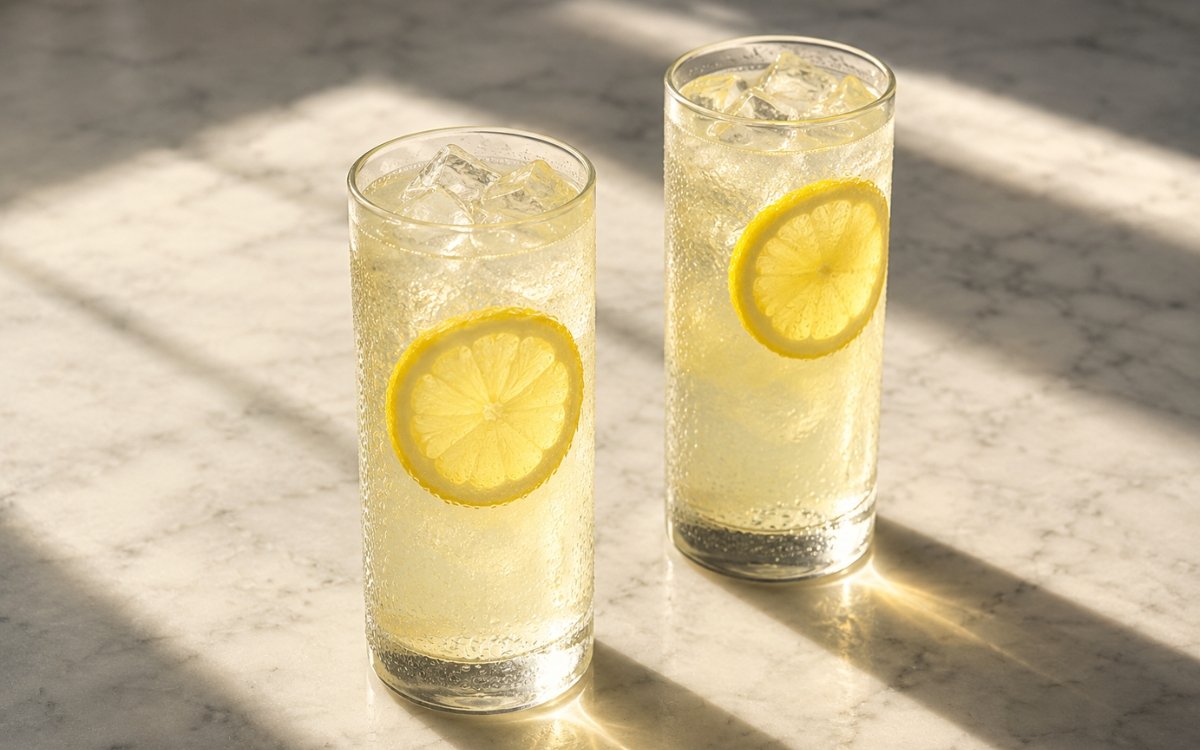
- Refrigerate for 1–2 hours until completely cold. The chill period is important for two reasons: the temperature reduction specifically makes the lemon's acidity taste more refreshing and less aggressive, and the integration period allows the simple syrup's sugar molecules to fully distribute through the cold water for even sweetness throughout the pitcher rather than localised sweet spots. Fill glasses generously with ice. Pour the chilled lemonade over the ice. Garnish with a lemon slice. Serve very cold — classic lemonade's refreshing quality is specifically at its best at the coldest serving temperature.
Notes
The three-ingredient balance of classic lemonade — acid, sweet, dilution — has specific ratios that produce the most widely appreciated result as a starting point, while remaining adjustable to individual preference. The starting point in this recipe — 240ml lemon juice to 100g sugar to 960ml total water — produces a specifically tart, moderately sweet, clearly lemon-forward result that leans slightly toward the acidic end of the spectrum. This is specifically the correct calibration for a classic lemonade: a preparation that leans sweet produces a pleasant but specifically less refreshing drink; one that leans tart is more specifically vivid, more immediately refreshing, and more specifically characterful.
The quality of the lemons is the entire basis of the finished drink — there is no secondary ingredient to compensate for mild or old lemons. Fresh, fragrant, specifically aromatic lemons at room temperature (which yield more juice than cold lemons) produce the most vivid lemon juice. Older lemons with dried, slightly shrunken rinds have lost a proportion of their volatile aromatic compounds and produce a less specifically aromatic juice regardless of acid content.